Nikos Gatsos
Sound
Biography
Nikos Gatsos (Greek: Νίκος Γκάτσος; 8 December 1911 – 12 May 1992) was a Greek poet, translator and lyricist. According to Harvard University, he "had a profound influence on the post-war generation of Greek poets. Writing of both loss and hope, Gatsos’s unique blend of surrealism, symbolism and folk song created intense admiration and assured his place alongside his friends, Nobel laureates Odysseas Elytis and George Seferis, as one of the great twentieth-century Greek poets". Nikos Gatsos was born in 1911 in Asea in Arcadia, a district of the Peloponnese, where he finished primary school (dimotiko). He attended high school (gymnasio) in Tripoli, where he became acquainted with literature and foreign languages. Afterwards, he moved to Athens, where he studied literature, philosophy, and history at the University of Athens for two years only. His knowledge of English and French was quite good and he was already familiar with Kostis Palamas, Dionysios Solomos, Greek folk songs, and recent trends in European poetry. In Athens, he came in contact with the literary circles of the day becoming one of the lifelong friends of fellow poet Odysseus Elytis and published his poems, small in extent and in a classic style, in the magazines Nea Estia (1931–32) and Rythmos (1933). During that period he also published criticism in Makedonikes Imeres (Μακεδονικές Ημέρες), Rythmos (Ρυθμός), and Nea Grammata (Νέα Γράμματα) (for Kostis Bastias, Myrtiotissa, and Thrasos Kastanakis, respectively). In 1936, he met Odysseus Elytis, and became his literary "brother" in poetry. In 1943, Aetos published his long poem Amorgos, a major contribution to contemporary Greek poetry notable especially for its combination of surrealism with traditional Greek folk poetry motifs. He subsequently published three more poems: "Elegeio" (1946) in Filologika Chronika, "The Knight and Death" (Ο ιππότης κι ο θάνατος) (1947), and "Song of Old Times" (Τραγούδι του παλιού καιρού) (1963), dedicated to Yorgos Seferis, in the magazine Tachydromos. After World War II, he worked with the Greek-British Review as a translator and with Ellinikí Radiofonía as a radio director. During that period he also began writing lyrics for Manos Hadjidakis. In due course, he also collaborated with Mikis Theodorakis and other notable composers. His hard and language skills were noticed by the "Art Theatre", the "Greek National Theatre" and the "Popular Theatre" of Greece, and entrusted him to translate various plays - his magnum opus was the translation in Greek of the spanish tragedy "Blood Wedding" by Federico Garcia Lorca. He was close to Manos Hadjidakis and Nana Mouskouri. His friends included Philip Sherrard, Peter Levi, Peter Jay, and Desmond O'Grady. He died in Athens on 12 May 1992, aged 80.
Known For

Greek television series
Monday's Theater

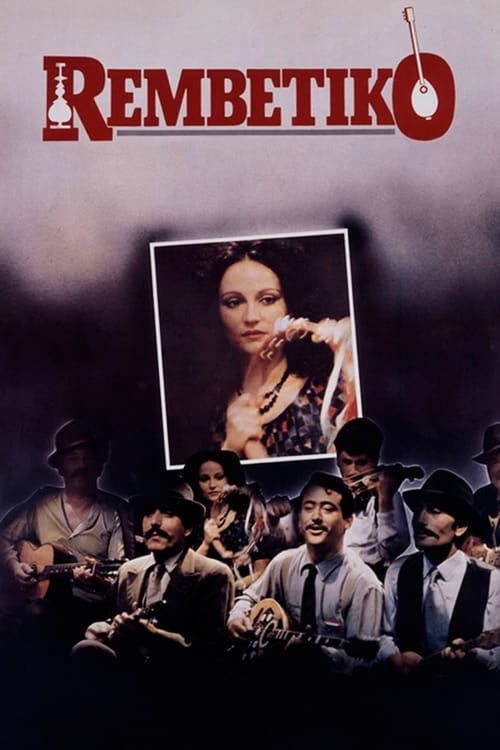
The story of a group of Rembetes, singers and musicians of the Greek equivalent to the blues, in the early decades of the 20th century, seen through the eyes of a young female singer.
Rembetiko

In 1920s Turkey, a young peasant is smitten with a beautiful young girl, who has been promised in marriage to the fat, dullard cousin of the province's powerful and corrupt governor. When an assassination attempt is made against the official, the young man flees his village and joins up with a group of outlaws fighting against the wealthy and powerful landowners who control the lives of the locals and make life miserable for them. The outlaws' successes prompt the governor to call in the Turkish army to capture or kill them.
Memed My Hawk

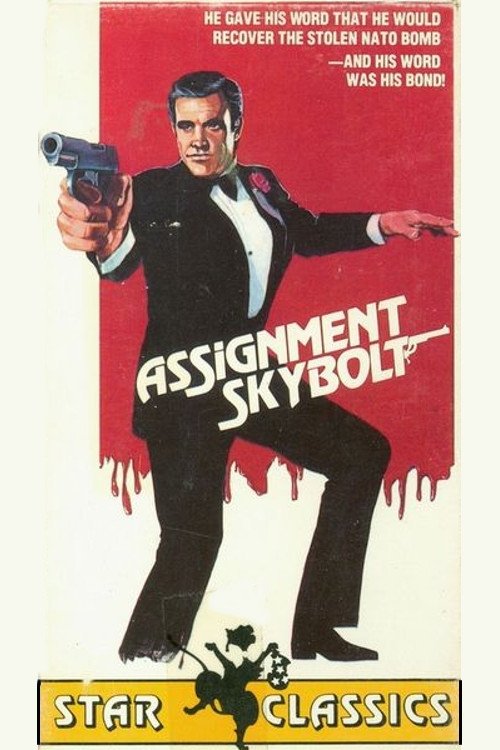
An American secret service agent goes to Greece to investigate a stolen hydrogen bomb. It's connected to an antique coin that belonged to his brother...another agent. Now he's tasked with taking his brother out!
Assignment Skybolt

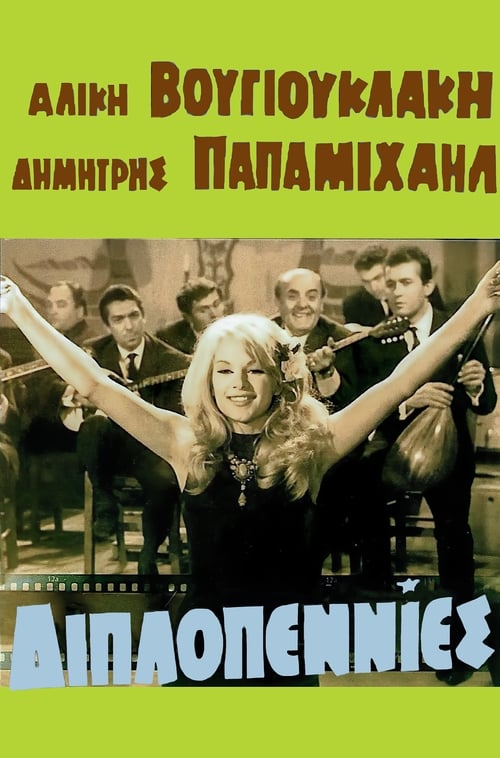
One day, while Grigoris is working and singing at a construction site, a conductor, Vangelis, and two bouzouki musicians happen to pass by. They listen, enchanted by his limpid voice, and suggest that he becomes a member of their orchestra. Thus, the newly-wed day laborer gets a second job at Mr. Lefteris’ night club. His wife, Marina, soon joins him at the club, and, before long, she too goes on stage, cuts capers and charms everyone. Her success, however, has a negative impact on the couple’s relationship, since Marina’s admirers as well as those of Grigoris’, turn one away from the other.
Bouzouki Strumming

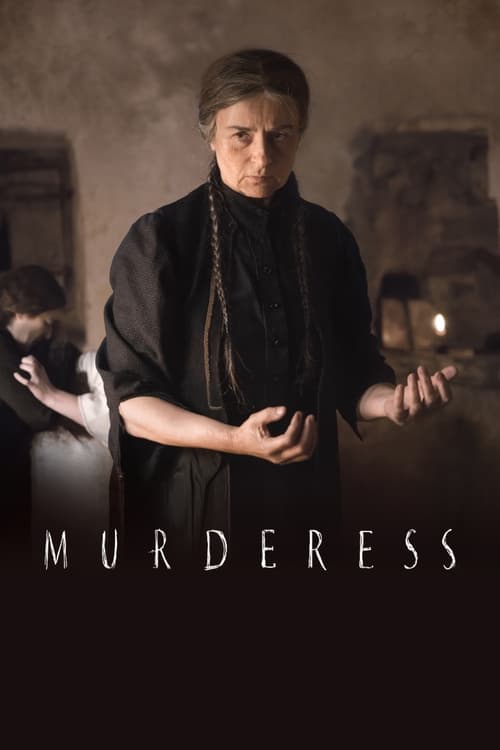
It is the early 20th century on a dystopian Greek island. Hadoula, a widow who lost her husband, loannis Fragkos, at a young age, is a woman who has learned how to survive in a male-dominated and extremely patriarchal society. Hadoula carries a difficult burden within her. Like a baton passed on to her from her mother, and the generations before her, she is meant to accept the belittling and degradation of women. Hadoula reacts. Her personal, internal revolution soon comes forth. The victims of her outburst are the little girls of the island, whom she sets free from the social and economic burden that their existence entails by taking their lives. Her actions will bring her face to face with the law. She leaves her home and escapes to her refuge, nature. But as much as her faith and morals dictate that she did the right thing, her trans-generational trauma follows her everywhere. And the end comes as redemption.
Fonissa

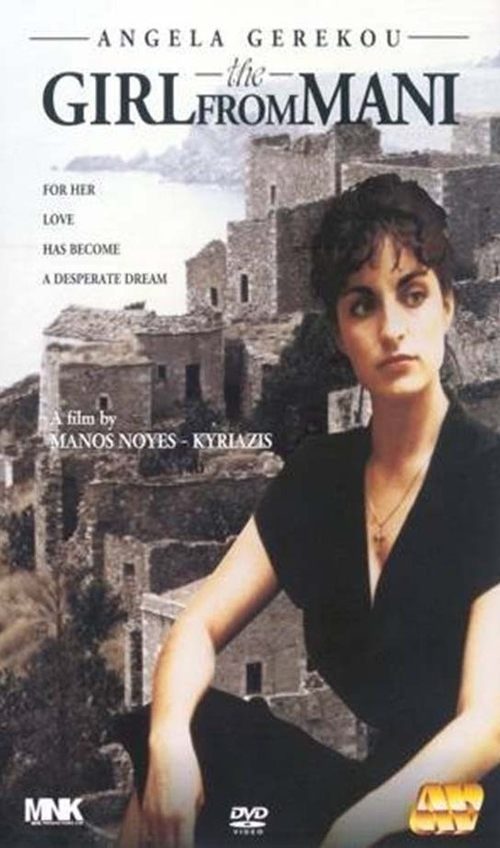
For Her Love Has Become A Desperate Dream.
The Girl From Mani
Essentially an extensive travelogue through Greece and its islands, this 103-minute documentary was written, directed, and shot over a two-year period by Wolfgang Mueller-Sehn. Aside from a tour of the scenic and historical wonders of the country, Mueller-Sehn spends a lot of time in Athens examining its famous attractions like the Acropolis. Perhaps over-long at its current running time, this docu introduction to Greece would certainly be ideal for anyone planning a first visit to the country.