Directing
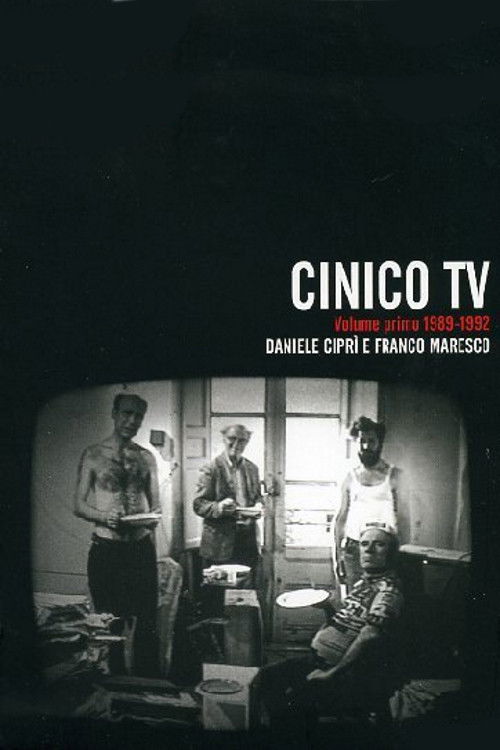
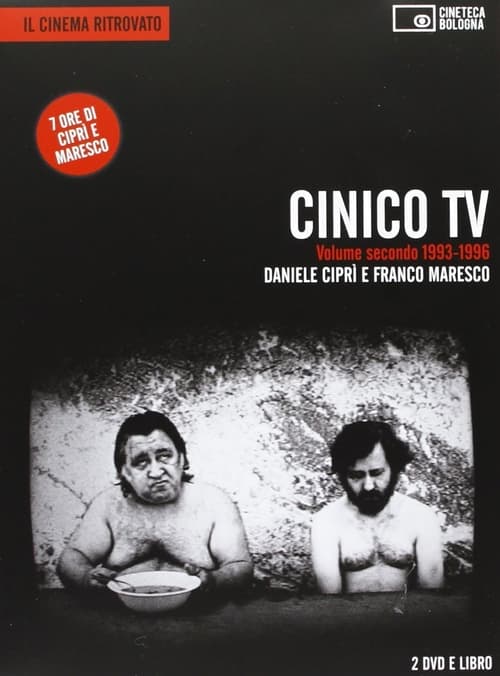
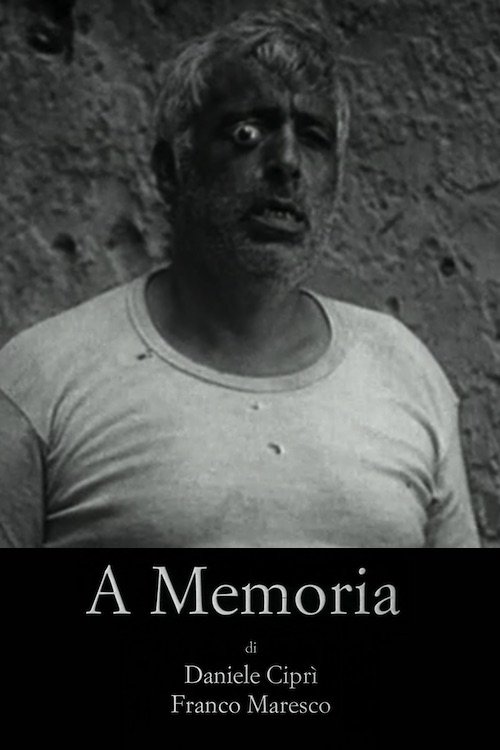
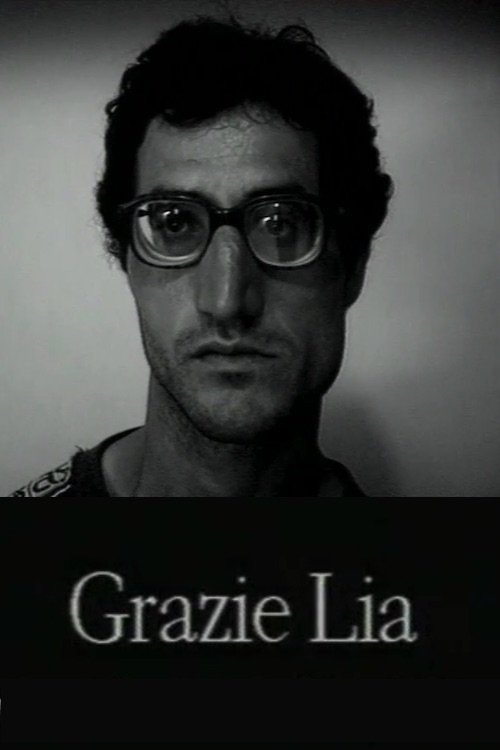
The program consists of clips featuring interviews conducted by the two directors with alienated, crazy, and squalid characters against the backdrop of a desolate Sicily. A characteristic feature is the black and white footage. The subjects are all strictly male: there is no place for femininity in absolute squalor and desolation.
No description available.
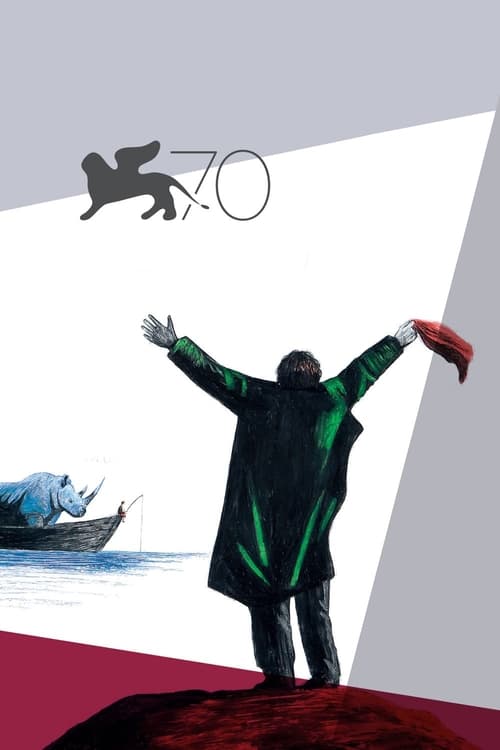
Made for the Venice Film Festival's 70th anniversary, seventy filmmakers made a short film between 60 and 90 seconds long on their interpretation of the future of cinema.
“Being born in Palermo is a kind of punishment, but I’ve never left because it would feel like betrayal. Moreover, I can’t imagine Cinico Tv in any other place in the world.” To Franco Maresco, a brilliant, solitary director from Palermo, his city was the stage of a surreal comedy of rampant decay just as the Mafia was renegotiating the division of power and influence in the emerging Second Republic. Ruins, trash, scraps, underwear, flatulence and burping raided the TV screen at dinnertime in Italian homes in the spring of 1992, sparking hostile cultural debates about the limits of trash and the aesthetics of ugliness, the sense of post-history and post-humanity
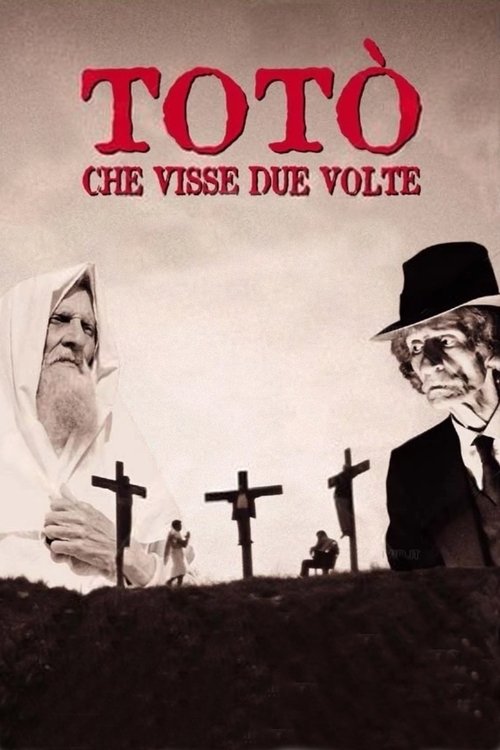
The film has three stories. First is about local village idiot Paletta, who can not afford the services of a whore and so steals a locket from a holy shrine belonging to local mafia don. Second shows the story of betrayal of Pitrinu (who's dead now) by his lover Fefe. Final episode is about lowlife Lazarus. He is killed by mob boss Toto, but raised from the dead by a local messiah, who is also known as Toto (and is played by same actor).
In relation to some of Pasolini's visits to Palermo for this last film, in 2000 Ciprì and Maresco shot Arruso, which begins with a phrase by Pasolini ("I banished the word hope from my vocabulary") and consists of imaginary interviews with some local characters who are presumed to have had homosexual relationships with the director. The two record the testimonies, sometimes affectionate others less, of those who had the opportunity to meet him and know the trends on the occasion of that trip.
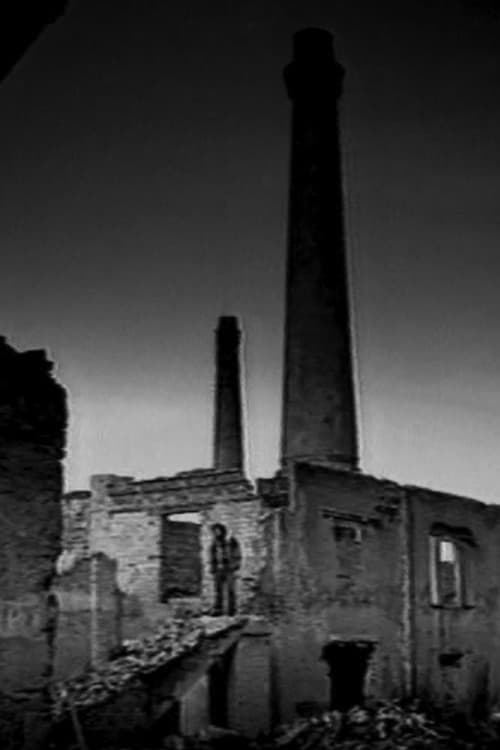
An evocation of work and the frantic activity of factories through the contrast provide by images of desolation, ruin, and abandonment. Among these, the human figure, represented by a completely motionless Marcello Miranda, appears as a triviality incapable of combating the relentless devastation of time and progress.
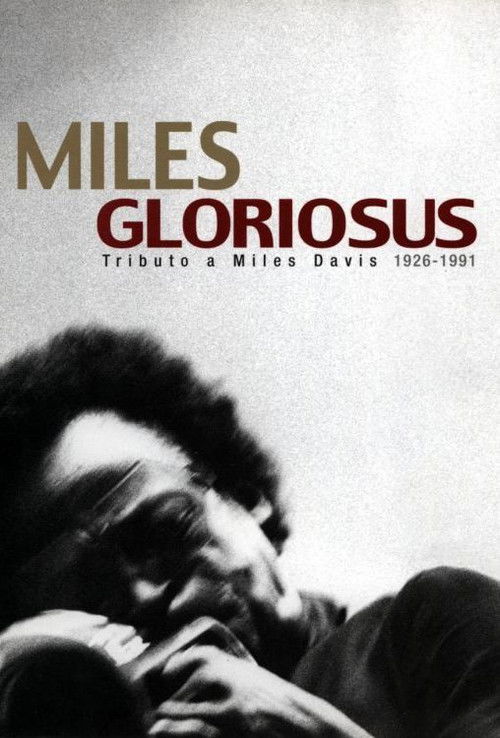
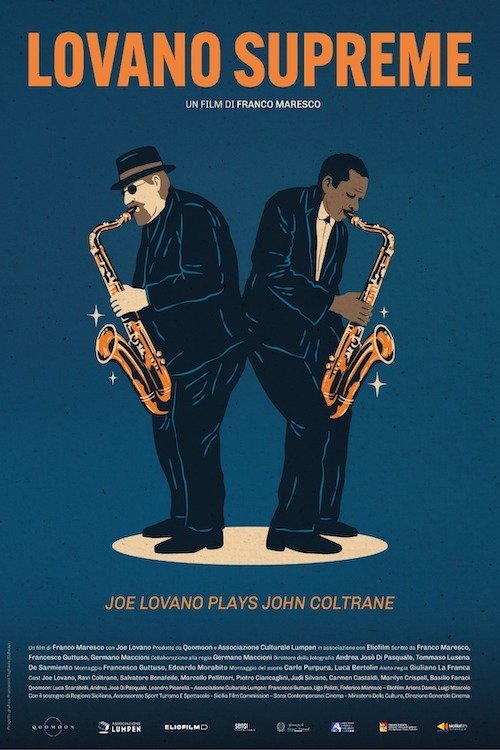
Maresco returns to speak not only about Jazz, but about the double thread that connects jazz with Italy, or more precisely, with Sicily.
The Italian duo Ciprì & Maresco, known to be cynical deconstructionists, weave a fascinating film around memories of a decadent Sicily. Ruins, memories of ruins - memories are ruins. This thoroughly surrealist piece unfolds like a dream, with no clear direction but the haunting feeling of familiarity and the ready acceptance of otherness as oneness.
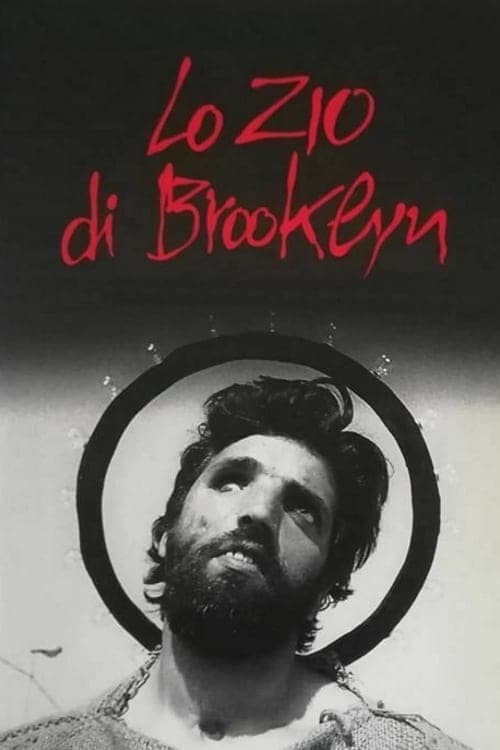
Set in apocalyptic Palermo peopled by ignorant, inbred, flatulent gluttons and deformed Mafiosi, a dark comedy which centers on a poor family of three-middle aged brothers who are coerced, by local Mafia honchos, into hiding a mysterious old man known as the Uncle from Brooklyn in their home.
Franco Maresco celebrates the heritage of Pier Paolo Pasolini on the 99th anniversary of his birth through a series of exchanges with renowned intellectuals which were involved or influenced by his works and ideas.
Romagnolo is a short film contained CinicoTV series by the duo Maresco & Ciprì .
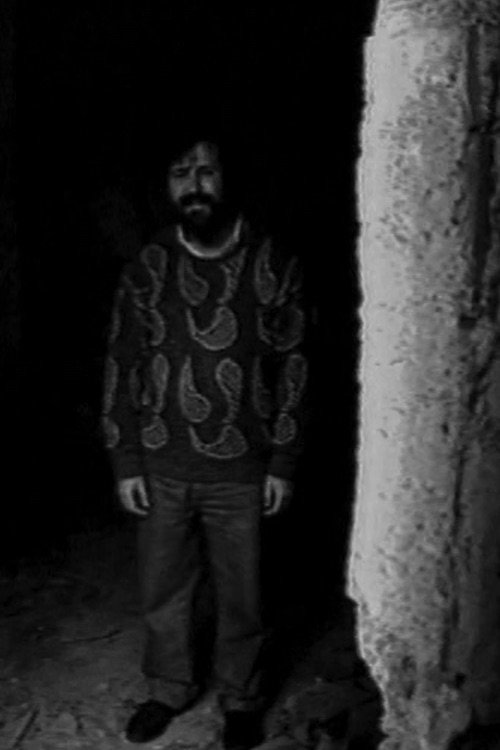
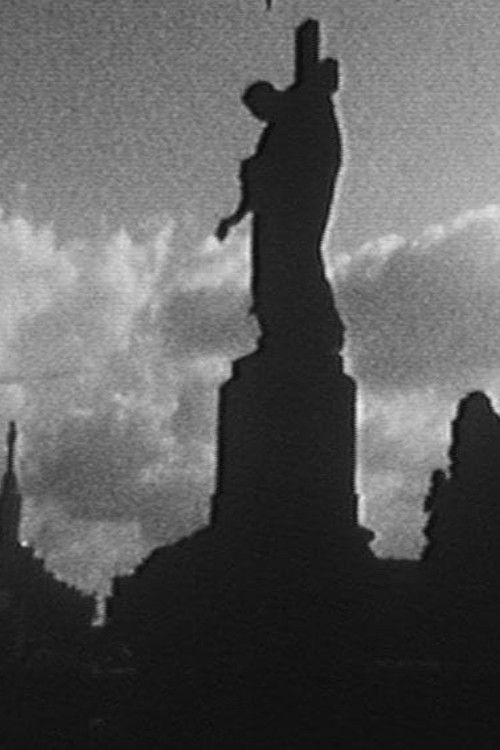
Technical test on the apocalypse in Palermo. There are some men in a cave while we hear explositions outside, far away. Perhaps a war, which nobody knows about. Some of the few survivors move on a desolated and uninhabited land. Images of cemeteries and deserted landscapes pass by, while the survivors start behaving absurdly like animals.
Ciprì and Maresco are fierce critics of post-modern society. They bear witness to the colonization of the imagination attributable in part to the omnipresence of mass communications and the globalization of neo-capitalist values. Their works, scatological in the literal but especially in the metaphorical and etiological sense, denounce social institutions and practices thought to be at the root of injustice, inequality and criminality.
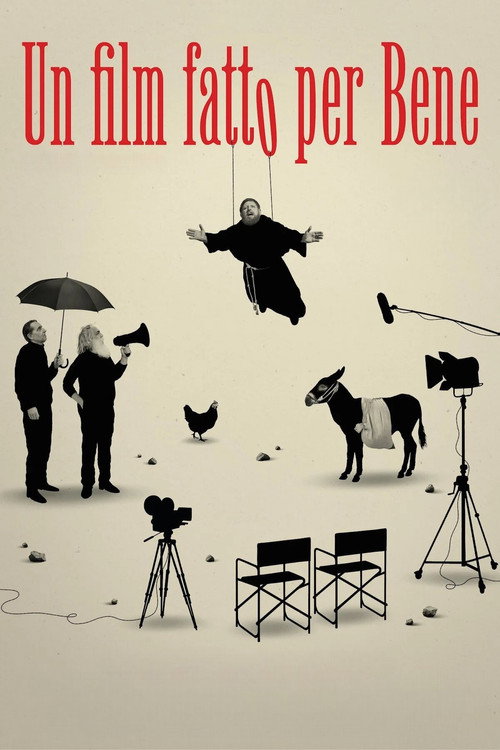
Filming on Franco Maresco's film about Carmelo Bene is abruptly halted after yet another on-set accident. Producer Andrea Occhipinti pulls the plug, exasperated by the endless takes and repeated delays. Angered, the director simply disappears. Maresco's friend, Umberto Cantone, attempts to mend the rift by calling witnesses from all those involved in the project, in an investigation that offers an opportunity to retrace the personality and ideas of the most corrosive and apocalyptic auteur in Italian cinema.
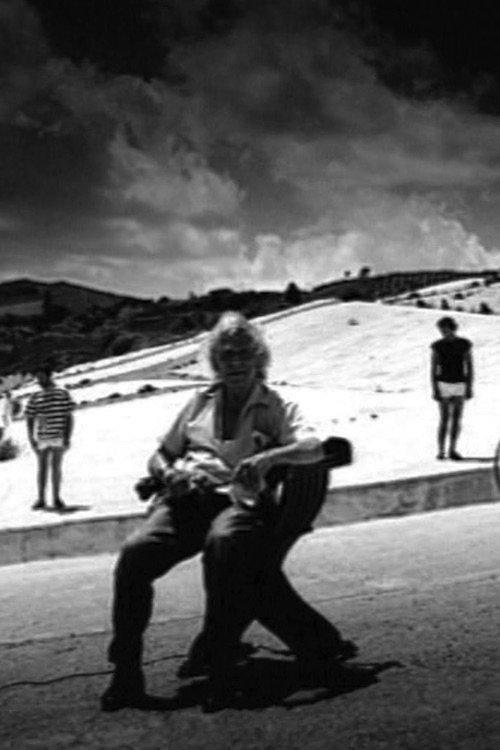
An avant-garde short filmed in striking black and white, with legendary US director Samuel Fuller playing himself in a surreal setting.