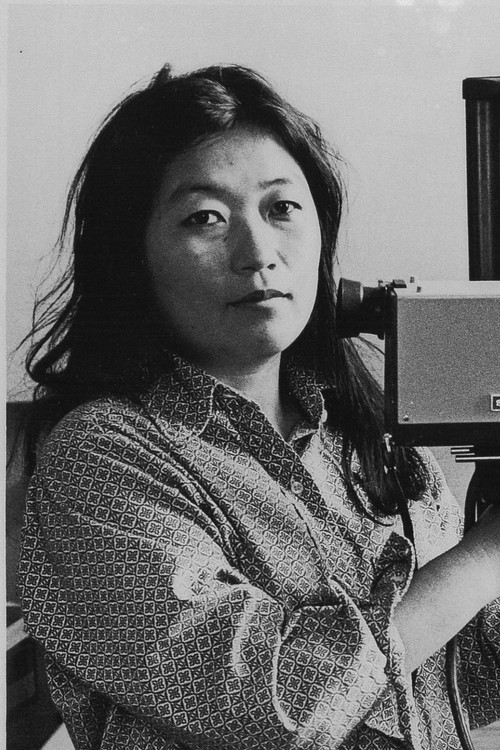
Shigeko Kubota
Directing
Biography
Shigeko Kubota was a Japanese video artist, sculptor and avant-garde performance artist, who mostly lived in New York City. She was one of the first artists to adopt the portable video camera Sony Portapak in 1967. Kubota is known for constructing sculptural installations with a strong DIY aesthetic, which include sculptures with embedded monitors playing her original videos. She was a key member and influence on Fluxus, the international group of avant-garde artists centered on George Maciunas, having been involved with the group since witnessing John Cage perform in Tokyo in 1962 and subsequently moving to New York in 1964. She was closely associated with George Brecht, Jackson Mac Low, John Cage, Joe Jones, Nam June Paik, and Ay-O, other members of Fluxus. Kubota was deemed "Vice Chairman" of the Fluxus Organization by Maciunas.
Known For

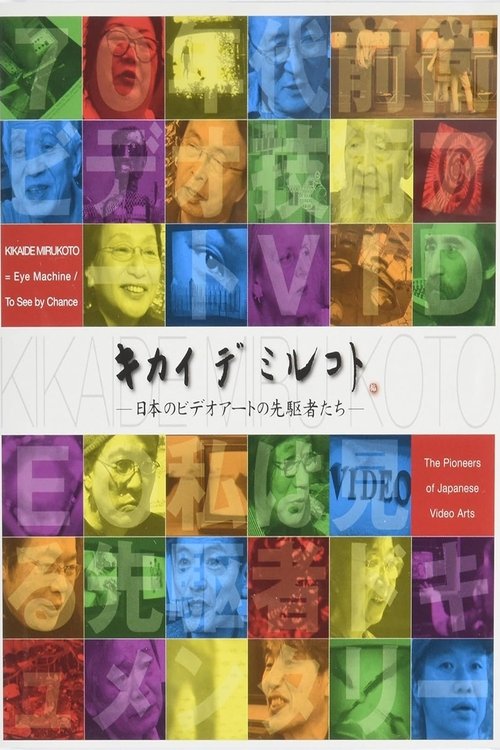
Video began as a medium that inspired discovery. This art documentary traces the expressive roots of “media art” in Japan — works of video, performances, and installations created using video technology that allowed for free and creative visual expression.
KIKAIDE MIRUKOTO = Eye Machine / To See by Chance –The Pioneers of Japanese Video Arts–

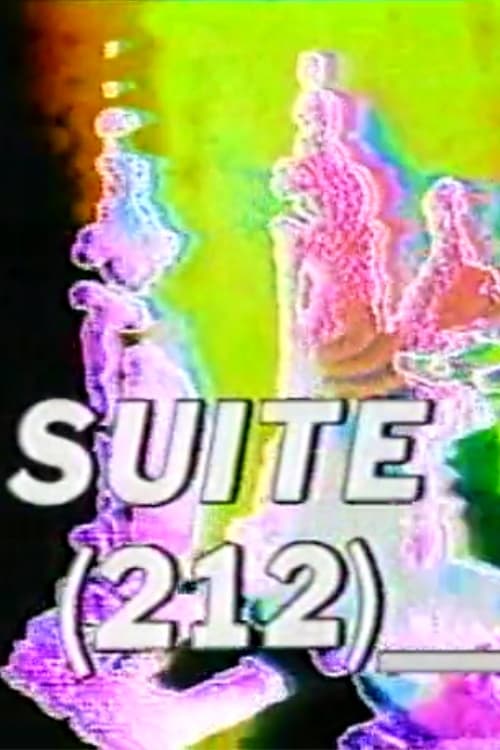
Suite 212 is Paik's "personal New York sketchbook," an electronic collage that presents multiple perspectives of New York's media landscape as a fragmented tour of the city. Paik critiques the selling of New York by multinational corporations and the city's role as the master of the media and information industries; Collaborators Yalkut, Davis and Kubota contribute their own vibrant and punchy segments.
Suite 212

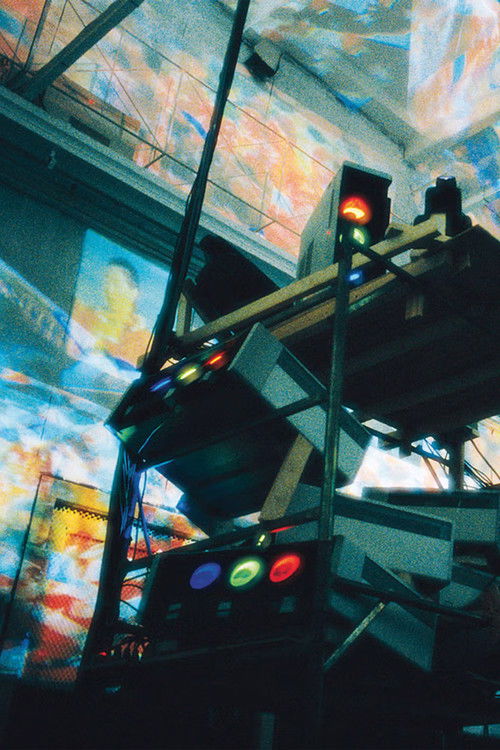
Sistine Chapel is an audio-visual collage of new footage and samples from Paik’s past videos, which featured many of his friends, collaborators, and public figures. It was Paik’s own way of summarizing his artistic career with video. The film installation consists of fast-paced and overlapping images that completely cover the gallery walls and ceiling—one of the most under-appreciated parts of architecture, according to Paik. With its electronic visuals and booming audio, interspersed with periods of silence, the immersive installation stands in stark contrast to the experience of its namesake.
Sistine Chapel
Single channel video (color; sound; 1984)
Trip to Korea
In this rare portrait of Fluxus founder George Maciunas, Kubota pays homage to a mentor and fellow Fluxus artist. Maciunas is also recognized as the force behind the transformation of New York's SoHo neighborhood into an artists' district. In Kubota's ongoing video diary, she observes Maciunas as he tours SoHo buildings with Fluxus artists and friends, including Nam June Paik, Barbara and Peter Moore, and Yoshi Wada. Each discusses a building in his or her own language. The second part of the tape documents Fluxus artist Ben Vautier's 1976 opening at the Guggenheim Museum in New York.
George Maciunas With Two Eyes 1972, George Maciunas With One Eye 1976

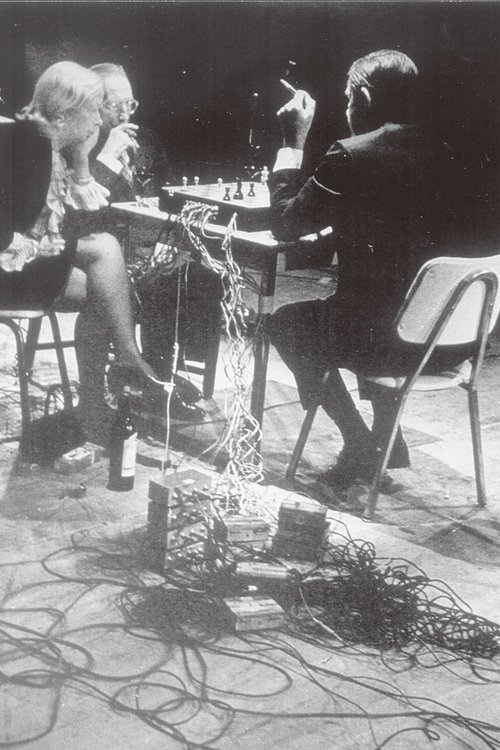
In elegiac work, Kubota explores the relationship between two of the most influential figures in 20th century art and music. The core images are Kubota's own photographs of the famous 1968 chess match between Marcel Duchamp and John Cage, in which the board, wired for sound, functioned as a musical instrument. Recordings of Cage's compositions accompany the stills and video footage, which Kubota electronically processes to abstraction.
Marcel Duchamp and John Cage
Kubota continues her ongoing video diary project. Here she reflects on her relationship with her husband Nam June Paik.
April is the Cruelest Month
Black & White Video
Personal Documentation of Fluxus Soho Tour, May 15, 1976

The influence of Jewish fathers on their sons and the complexity of familial relationships are explored in a witty, poignant portrait of two artists. Beat poet Allen Ginsberg (whose father Louis was a poet in his own right) and performance artist/sculptor Allan Kaprow (whose father is a high-powered lawyer) are the sons who struggle with and against the influences of these patriarchal figures.
Allan ‘n Allen’s Complaint

Meta-Marcel: Window (Flowers) adapts Marcel Duchamp’s ready-made Fresh Window (1920/1964) to the realm of film. [Overview courtesy of TWO x TWO for AIDS and Art]
Meta-Marcel: Window (Flowers)

Access to video technology had largely been limited to corporate-run TV studios until the Sony Portapak, a battery-powered video tape recorder that could be carried by one person, was popularized in the early 1970s. This device also allowed artists to see what they were recording in real time and to immediately play it back, prompting investigations of technology’s increasingly fluid relationship to the body, language, and time itself. Shigeko Kubota’s ”Self-Portrait” embodied the boundless potential of the new medium and the freedom from precedent it represented. This work, in which Kubota interacts with her own image, contains some of her earliest known experimentation with video. Here, she used new tools to manipulate the electronic signal, creating previously unimaginable colors and patterns, and unraveling established conventions of image-making right before our eyes. [Overview courtesy of Erica Papernik-Shimizu via MoMA]
Self-Portrait

"Father, why did you die?" With this deeply intimate statement of grief, Kubota mourns the death of her father. Video and television are central to her ritual of mourning, and allow her father to assume a presence after death. Kubota and her father, who was dying of cancer in Japan, are seen watching television together on New Year's Eve. The suffering of father and daughter is rendered even more poignant when contrasted with the everyday banality of the pop music and New Year's celebrations on TV. After his death, Kubota weeps alone in front of a video monitor. Awash with tears and personal pain, My Father is a cathartic exorcism of grief, with video serving as witness and memory.
My Father
Kubota narrates this surrealistic video diary of her month-long sojourn with a Navajo family on a reservation in Chinle, Arizona. Captures footage of tribal songs and dances, children's pranks and a local rodeo.
Video Girls and Video Songs for Navajo Sky
Kubota's tribute to her husband, artist Nam June Paik, who died at their home in Miami in January 2006.
Winter in Miami 2005
This early video document is Kubota's answer to the question, "What happens if you travel with a portapak instead of American Express through Europe?" Spontaneous, low-tech and infused with a spirit of uncensored adventure, Kubota's video travel diary is a personal and cultural time capsule of Europe and its subcultures in the 1970s. Among the taped entries in Kubota's journal: an Amsterdam street musician/beggar, a Parisian sex cabaret, a gay theater troupe in Brussels, a ritualistic performance art piece, and a hallucinatory video trip along the Champs Elysees. The diary culminates in Kubota's homage to Marcel Duchamp at his grave in Paris.
Europe on 1/2 Inch a Day
Nam June Paik and Shigeko Kubota remix interviews of Marcel Duchamp and Russell Connor.
Merce by Merce by Paik Part Two: Merce and Marcel

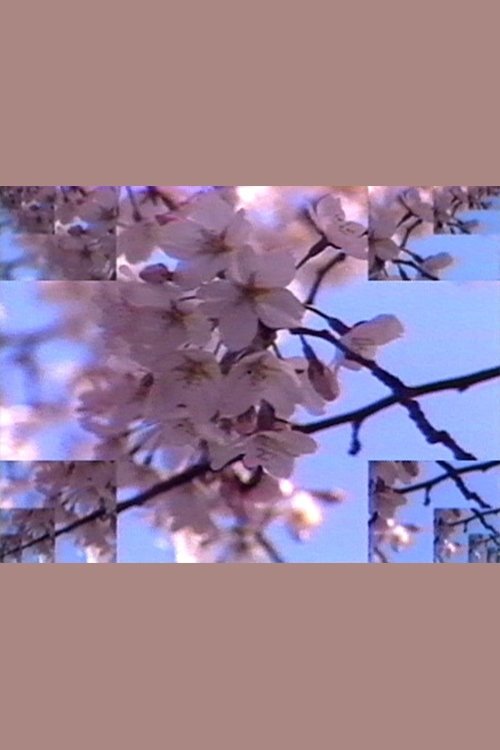
A single-channel version of Kubota's installation of the same name, Rock Video: Cherry Blossom is a lyrical fusion of nature and technology. Branches of pink cherry blossoms etched against a vivid blue sky are the starting point for this sensual visual haiku. Through a fluid application of electronic processing, Kubota layers, digitizes, slows, colorizes and ultimately abstracts the cherry blossoms, creating poetic transmutations of space and image. The mesmerizing and unexpectedly witty confluence of serene blossoms and energetic imaging effects—the transformation of the organic into the electronic—is quintessential Kubota.
Rock Video: Cherry Blossom
An intimate and humorous portrait of her husband, artist Nam June Paik, as he undergoes physical therapy after an illness.
Sexual Healing
This chapter of Kubota's ongoing video journal chronicles the aftermath of a flood that destroyed Kubota and Nam June Paik's loft studio, after a roofer left work unfinished during a rainstorm.
SoHo SoAp/Rain Damage
Shigeko Kubota and Maxi Cohen discuss Anthology Film Archive’s Video Art programming.