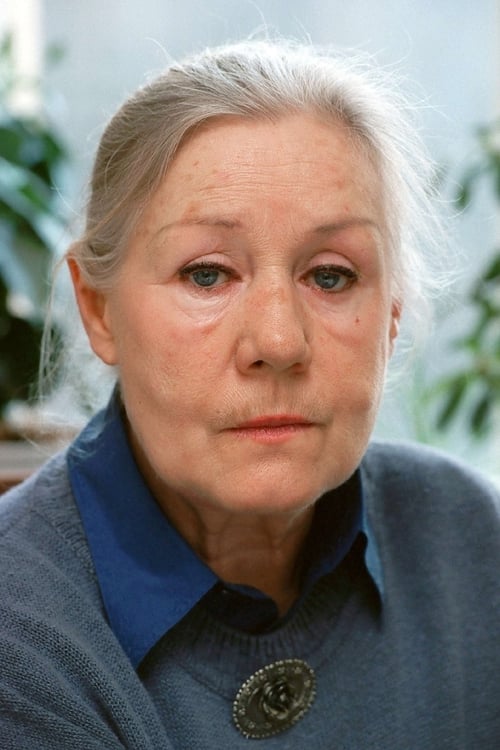
Käthe Reichel
Acting
Known For

Polizeiruf 110 is a long-running German language detective television series. The first episode was broadcast 27 June 1971 in the German Democratic Republic, and after the dissolution of Fernsehen der DDR the series was picked up by ARD. It was originally created as a counterpart to the West German series Tatort, and quickly became a public favorite.
Polizeiruf 110
No description available.
Lebensläufe

Abschnitt 40 was a German police television series broadcast between May 21 2001 and 2006. It was aired on RTL Television.
Abschnitt 40
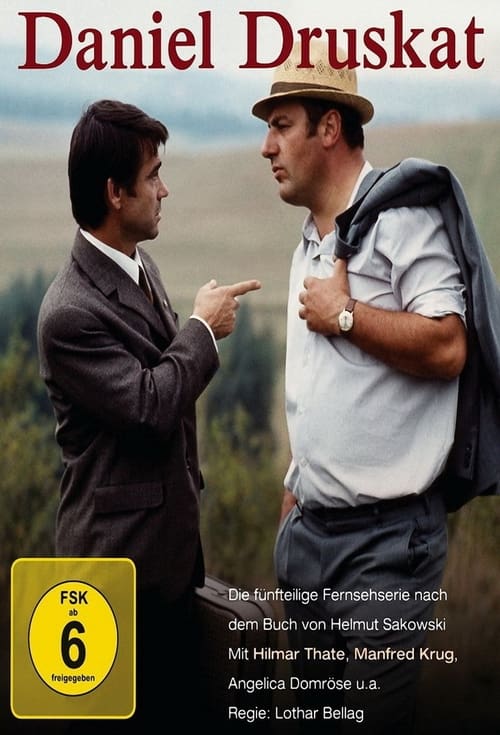
Large-scale, five-part film about the relationship between two men caught between friendship, rivalry and hatred during the first decades of GDR in the countryside.
Daniel Druskat
Florian, who works in a retirement home as part of his community service, brings a breath of fresh air—sometimes to the displeasure of the home's management.
Florian
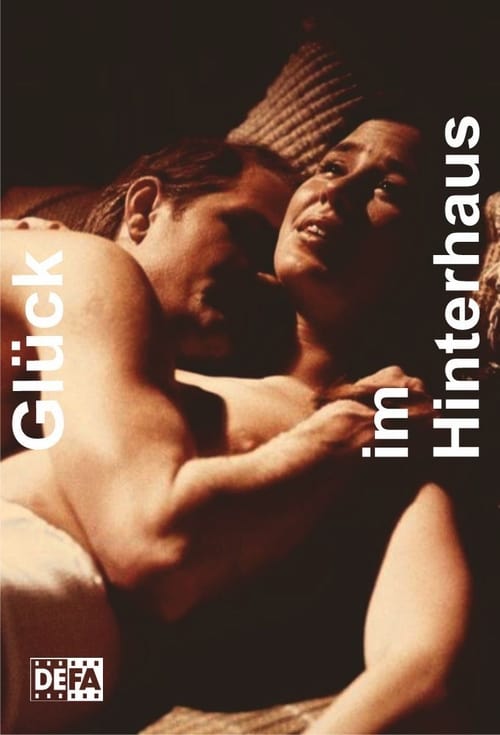
Karl Erp is a middle-aged man with two children and a boring marriage. After starting an exciting affair with his intern, Miss Broder, he leaves his loveless marriage and moves in with his lover. Under pressure from Miss Broder’s mother, Karl once again promises marriage. He finds, however, that the excitement that drew him to her in the first place doesn’t carry over into their daily lives.
Backhouse Bliss
No description available.
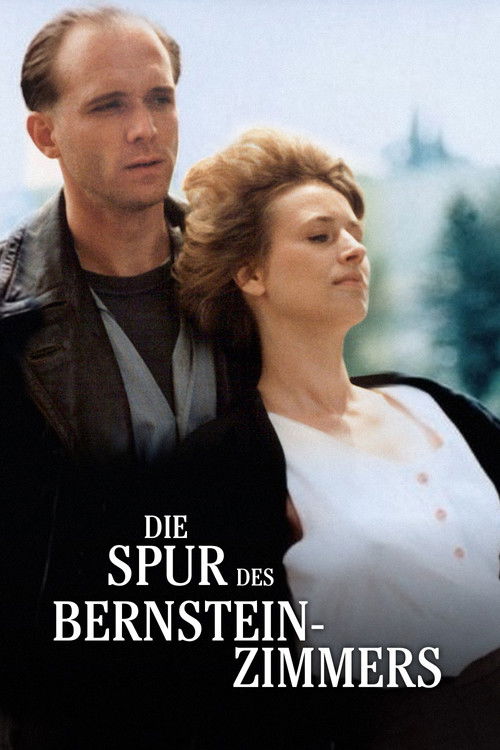
Die Spur des Bernsteinzimmers
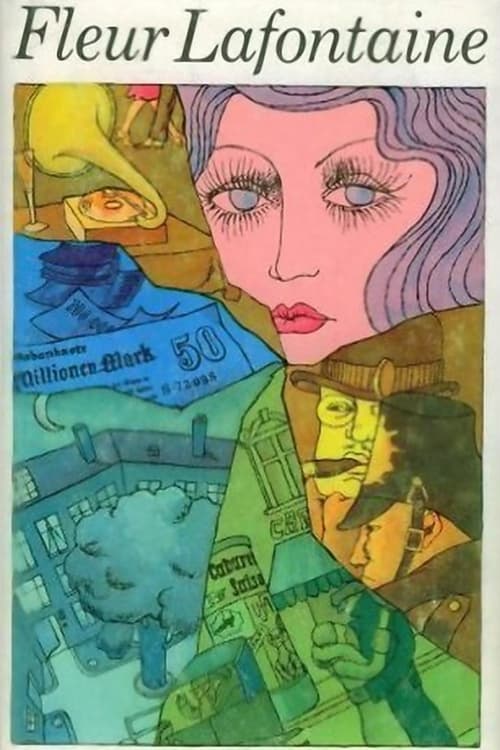
Berlin, 1948: Paralyzed and robbed of her memory, Fleur regains consciousness after a serious fall. The doctor treating her recognizes that her problem is of a psychological nature and encourages her to face up to her past. The daughter of a brothel owner is reluctant to look back: on a hapless childhood, her relationships with bon vivant Dr. Goldner and the politically committed locksmith Philipp (Hilmar Thate) as well as the difficult period of fascism... This exciting journey into the German past is based on Dinah Nelken's novel "Das angstvolle Heldenleben einer gewissen Fleur Lafontaine".
Fleur Lafontaine
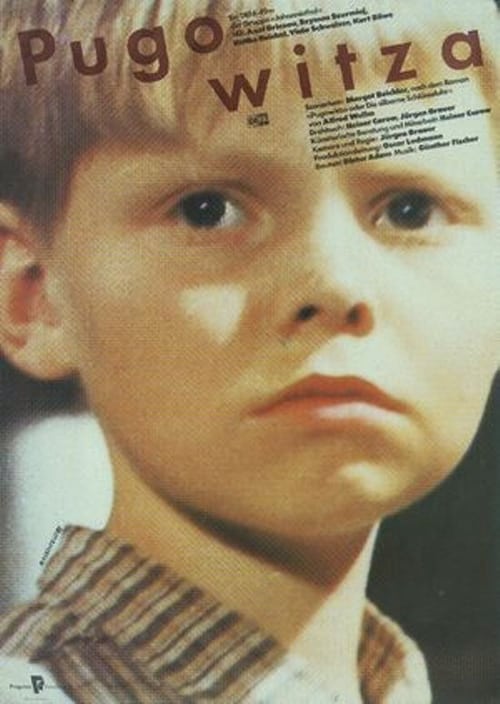
World War II is over and Heinrich, a young German boy, influenced by the Russians, starts to act according to Communist principles in a small German village.
Pugowitza
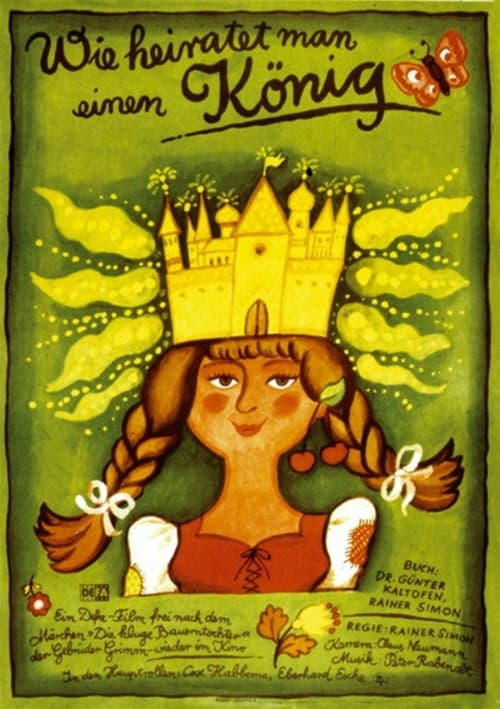
A farmer receives land from the king and discovers a buried golden mortar. He decides to give it to the king out of gratitude, but his clever daughter warns him that the king will surely want him to bring a corresponding pestle as well. When the king throws the farmer into jail for fraud, he bemoans the fact that he did not listen to his daughter.
The Farmer's Clever Daughter
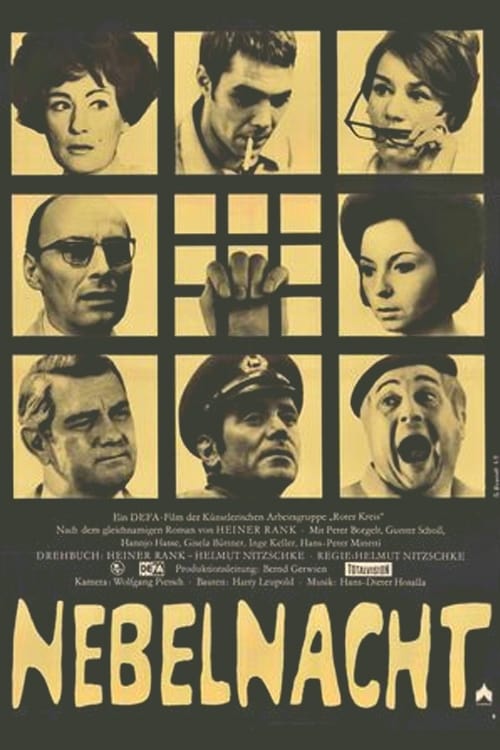
When a motorcyclist dies in an accident, lieutenant Kreutzer and his colleague Arnold receive the order to investigate the backgrounds of this mysterious case. Although the leads point to murder, head physician Dr. Nikolai, the driver of the car involved in the accident, maintains his innocence and even has an alibi. With a lot of arduous detail work, Kreutzer follows all leads and evidence. Both Nikolai’s colleagues and his son act suspiciously. Eventually, Kreutzer convicts the criminal who secretly used the physician’s car for his criminal dealings.
Nebelnacht
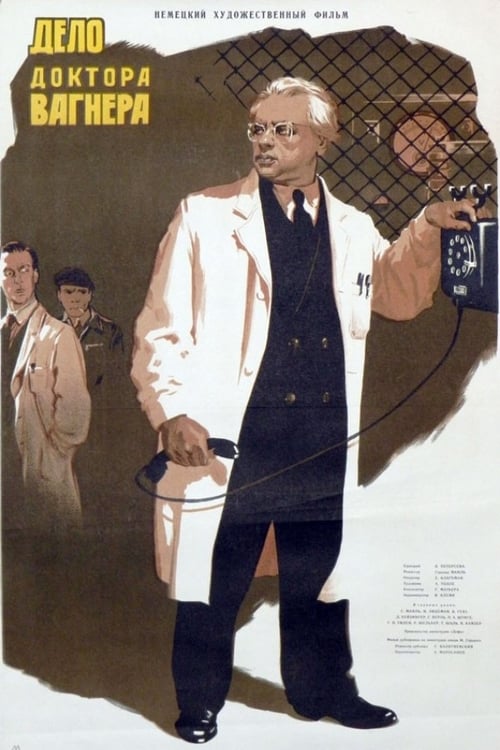
Dr. Wagner is a scientist currently working on an experiment for the Asta plant in East Berlin. If the experiment is successful its a brilliant new invention. But Wagner is the target of sabotage, and all the decisive experiment fails. Wagner can not explain this setback.
The Case of Dr Wagner

In the 22nd Century, antiquities command huge prices. A woman uses a time machine to travel back the the 19th Century in order to buy paintings from Vincent Van Gogh before he was famous. Will she be wealthy upon her return?
Visiting Van Gogh

Paul and Paula have had bad experiences with love: Paul is financially well off but has lost all affection for his wife, and Paula leads a troublesome life raising two children on her own. They meet and discover a strong passion for each other. Life seems like a dream when they're together - but their short flights from the burdens of reality are once and again interrupted by Paul's ties to family and career.
The Legend of Paul and Paula
He could have had women, he could have climbed the ladder of his accountancy career, and he could have stood on the podium next to the highest in the land. If only he had wanted to! But Farssmann, shaken by divorce and unwilling to better himself, wants to remain what he is: an ordinary bookkeeper like you and me. And so the dollar deal with Mr. Osbar from Utah (USA) is not the first time he comes into conflict with the very palpable unreality of a country called the German Democratic Republic.
Farssmann oder Zu Fuß in die Sackgasse
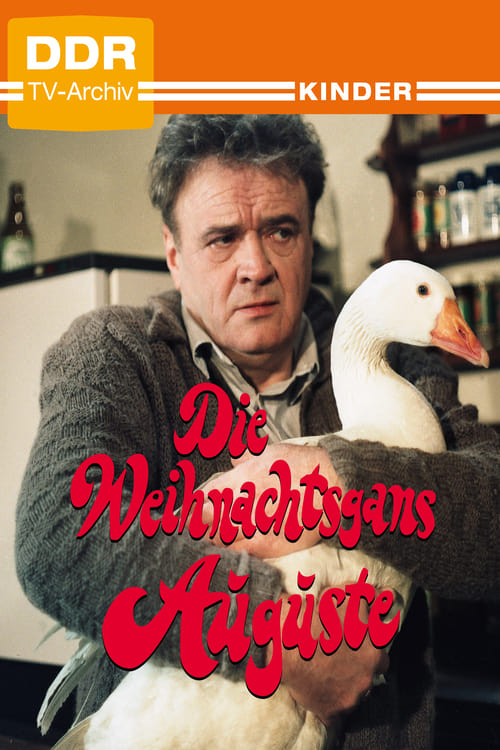
The opera singer Ludwig Löwenhaupt wants a proper festive roast for Christmas, so he buys a goose in advance to feed the whole family. What he doesn't realize, however, is that the children, Elli, Gerda and Peterle, will grow fond of the animal, which is christened Gustje, and will no longer want to eat it. After the "liberation", the "five kilos of meat", which were initially locked up in the cellar, become a pet that the children take to bed with them and communicate with. But shortly before Christmas, father Löwenhaupt still wants to slaughter them. However, as his family protests and his conscience gets in the way, he can't slaughter the goose after all. So Gustje only has to leave a few feathers as proof that she has been plucked, and the opera singer is given another goose that has already been cut up.
Die Weihnachtsgans Auguste
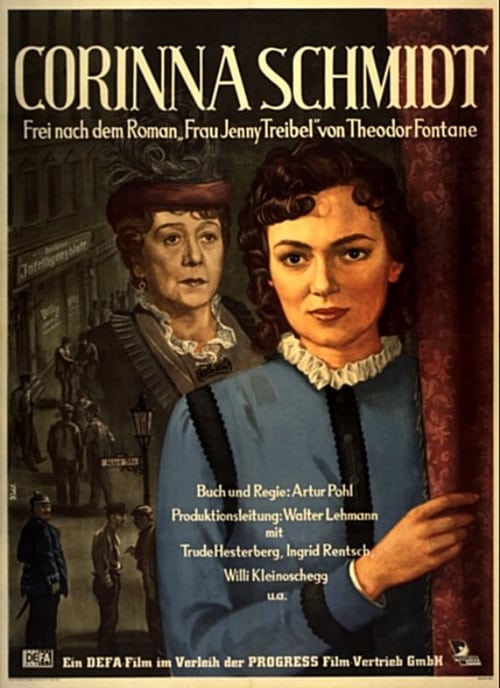
Berlin in 1878: Corinna Schmidt, who was brought up in a petit-bourgeois, academic family, is romantically interested in Leopold Treibel, the son of the lordly councillor of commerce Jenny Treibel – although Corinna is also deeply in love with her cousin Marcel. Leopold is also falling for cute Corinna, and Jenny Treibel tries to prevent their friendship by all means, but changes her opinion when their secret engagement becomes public. To avoid a scandal, she urges them to marry quickly. But Corinna soon withdraws from this complicated situation and again turns to her cousin, who is banished from the country for his social democratic beliefs.
Corinna Schmidt
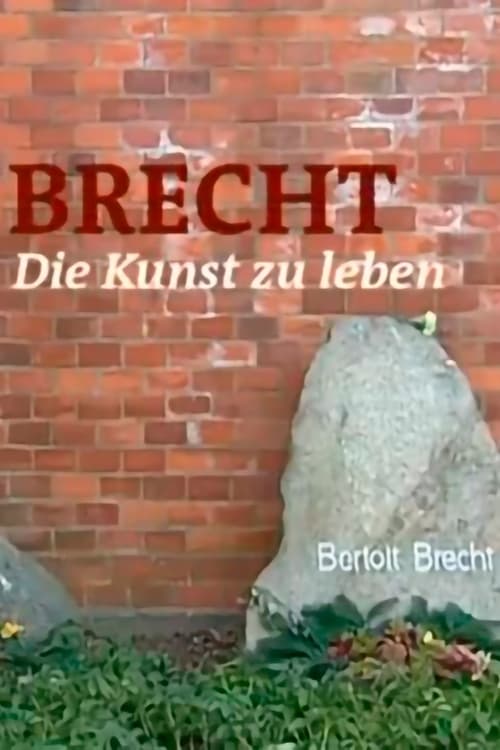
He wanted to revolutionize theater practice and at the same time social awareness: Today Brecht, who was born in Augsburg in 1898 and died in East Berlin in 1956, is one of the most important playwrights of the 20th century.
Brecht - Die Kunst zu leben

For her husband, who has become famous as an actor, Angelika is the go-to girl. For years, she stands in his shadow. The only things they do together are premiere parties and receptions. Angelika, who is becoming increasingly frustrated, finally wants a satisfying occupation with which she can gain recognition. But this is where the problems really begin for the couple.
Mein lieber Mann und ich
Europe in 1793. For years, England and France have been at war with each other. Now, France sends three men to the British colony of Jamaica to organize a slave revolt. The envoys are Debuisson, the grandson of a Jamaican rum manufacturer, who knows the island very well, his old friend Sasportas, and the sailor Galloudec. After having established contact with the fragmented rebel groups, they receive the surprising news of Napoleon′s takeover in France. Whereas Debuisson, who by now has gotten used to his role as a rich heir, wants to wait for new instructions from home, his companions are determined to press ahead with the revolt. When a slave kills a British guard, the situation escalates.