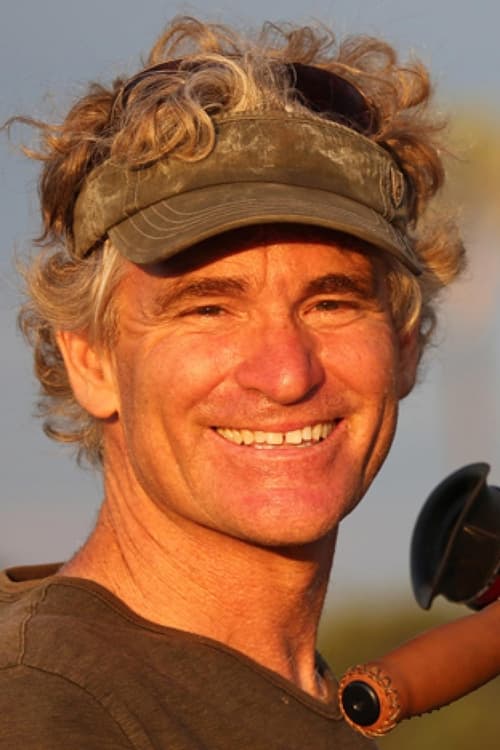
Bob Poole
Camera
Known For
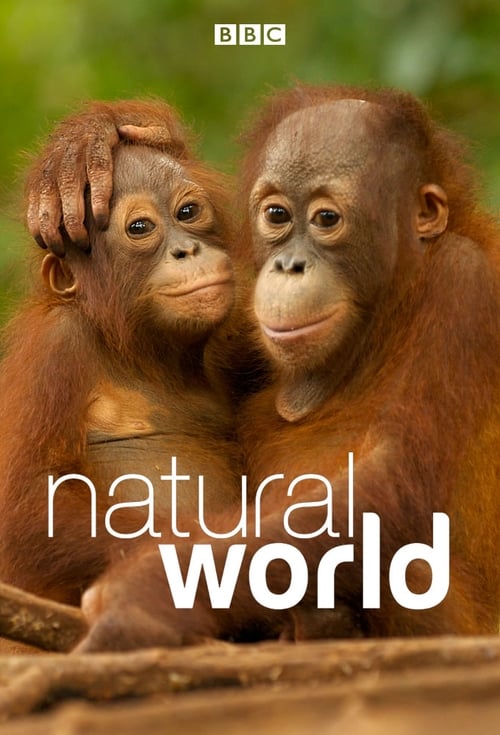
Natural World is a nature documentary television series broadcast annually on BBC Two and regarded by the BBC as its flagship natural history brand. It is currently the longest-running series in its genre on British television, with more than 400 episodes broadcast since its inception in 1983. Natural World is produced by the BBC Natural History Unit in Bristol, but individual programmes can be in-house productions, collaborative productions with other broadcasters or films made and distributed by independent production companies and purchased by the BBC. Natural World programmes are often broadcast as PBS Nature episodes in the USA. Since 2008, most Natural World programmes have been shot and broadcast in high definition.
Natural World

We travel the globe to meet different families of elephants, each with their own set of remarkable cultural behaviors which they’ve adapted to suit the environment in which they live.
Secrets of the Elephants
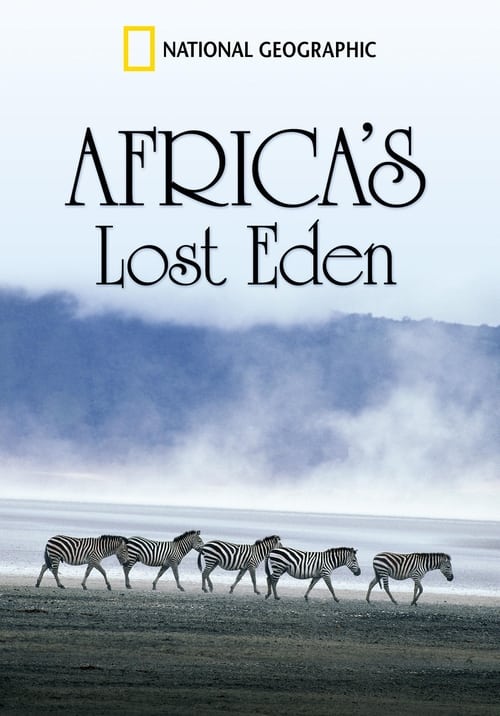
In the heart of Gorongosa National Park, Mozambique, the waters of Lake Urema explode with the thrashing of a giant crocodile tail. Gorongosa was once known as the place where Noah left his ark: 1,500 square miles of lush floodplains in central Mozambique, packed with wild animals. All around, enormous buffalo, soaring fish eagles, and countless antelopes roam freely. But on closer look, something strange is going on. Fifteen years of civil war has taken a heavy toll and many species have been almost completely wiped out. All the usual top predators and prey are virtually missing, except for one - giant crocodiles and thousands of them. Discover what is being done to bring this African oasis back to its former glory, including perhaps the most ambitious restoration effort ever attempted, with elephants, hippos and scores of zebra, wildebeest, impala and buffalo, being relocated into the park.
Africa's Lost Eden
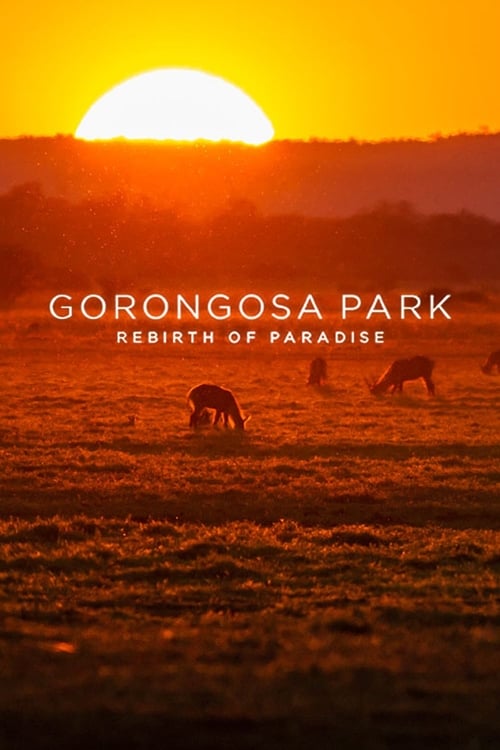
Experience the incredible and inspiring rebirth of an African wilderness through the eyes of an Emmy-winning wildlife cameraman. American-born, African-raised Bob Poole embarks on an amazing adventure: spending two years living in Gorongosa National Park, Mozambique, Southern Africa, joining scientists and conservationists in the battle to re-wild this once-legendary national park.
Gorongosa Park: Rebirth of Paradise
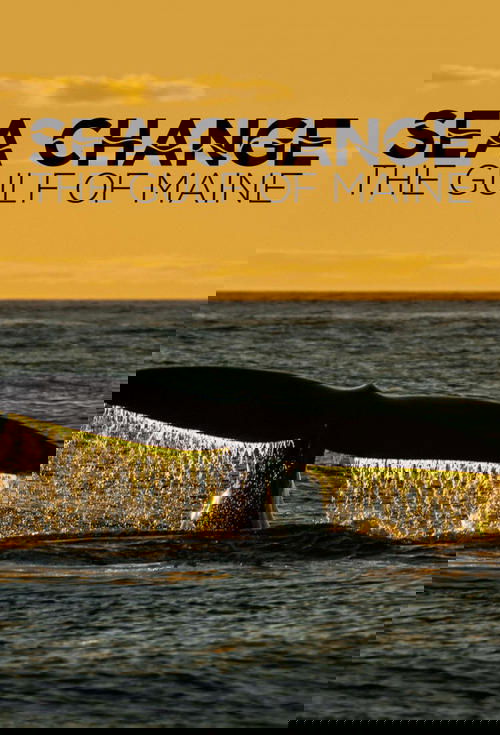
It is a story about the Gulf of Maine, a sea within the sea, a body of water that is warming 97% faster than the global ocean. What happens here to the animals in the water, to the jobs that are dependent upon it and to the millions of people living along its shores is likely to happen worldwide. We are at a crossroads for the future of the Gulf and all our oceans. Does it retain enough of its biodiversity and regenerative strength to weather the human-induced storm? Is the sheer beauty of this place and spectacular range of its creatures enough to wake us to what is at stake?
Sea Change: The Gulf of Maine
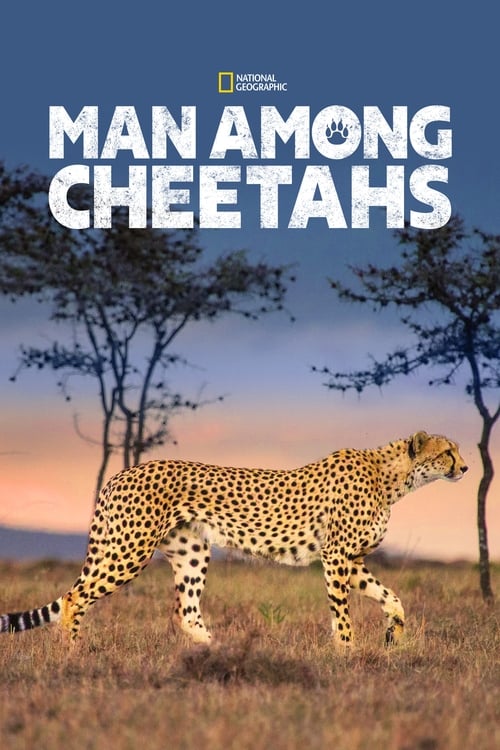
A wildlife filmmaker tries to keep up with a Cheetah mom determined to keep her cubs alive.
Man Among Cheetahs
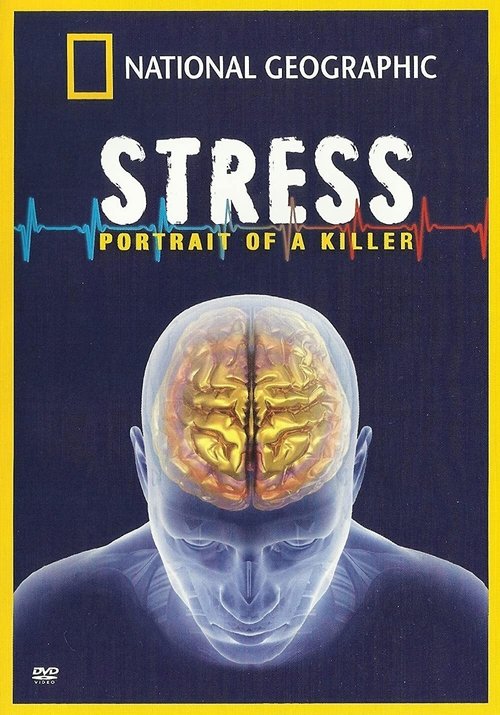
Over the last three decades, science has been advancing our understanding of stress: how it impacts our bodies and how our social standing can make us more or less susceptible. From baboon troops on the plains of Africa, to neuroscience labs at Stanford University, scientists are revealing just how lethal stress can be. Research tells us that the impact of stress can be found deep within us, shrinking our brains, adding fat to our bellies, even unraveling our chromosomes. Understanding how stress works can help us figure out ways to combat it and how to live a life free of the tyranny of this contemporary plague. In Stress: Portrait of a Killer, scientific discoveries in the field and in the lab prove that stress is not just a state of mind, but something measurable and dangerous.
Stress: Portrait of a Killer
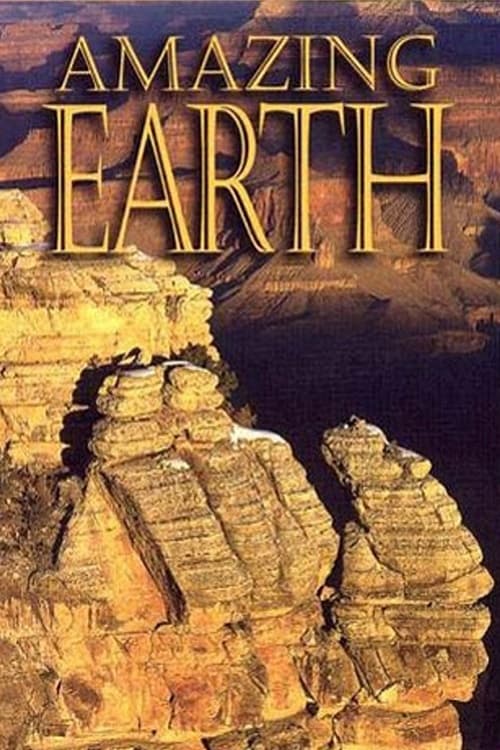
Join narrator Patrick Stewart on a sweeping journey through Earth's fascinating history -- from the formation of ancient, geological artifacts to the modern exploration of the moon. The film is a storehouse of facts you probably didn't know. For instance, more than 18,000 meteorites strike Earth each year; it's 3,000 degrees four miles below Earth's surface; and Mount Everest's peak was once part of the ocean floor.
Amazing Earth
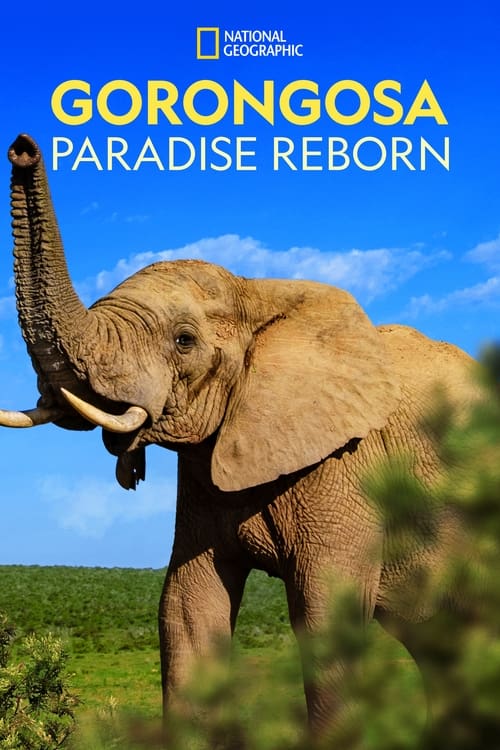
Gorongosa National Park was known as Africa's Eden, but war almost destroyed it. Now, it's home to the greatest wildlife restoration in history.
Gorongosa: Paradise Reborn
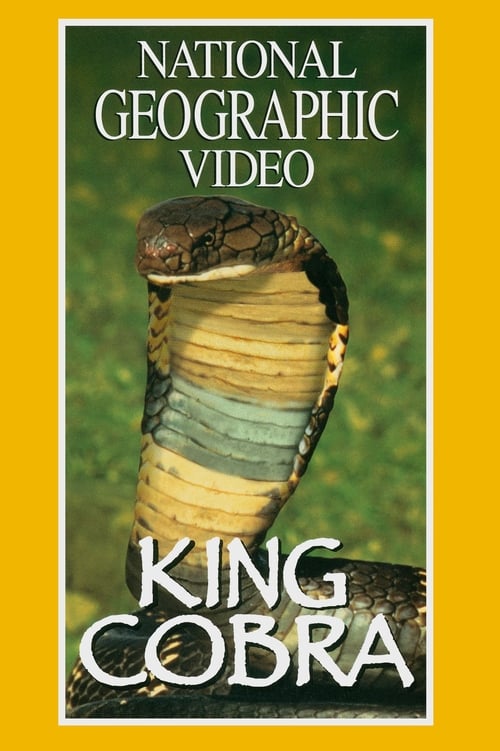
It delivers enough venom in one bite to kill a hundred people, yet it solely preys on other snakes. Through rare footage follow the King Cobra on its journey throughout the rainforests of India seeking food and a mate.
King Cobra
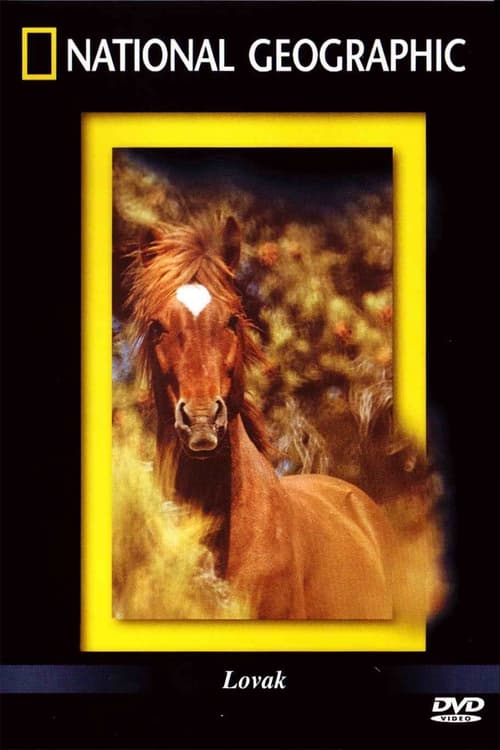
While this noble steed's role in a civilized society remains overshadowed by their automotive equivalent of horsepower, this was not always so. Gallop back in time where wild stallions roamed free in herds aplenty. Back to a time when these magnificent creatures stampeded across the Great Plains of America, the rocky mountain terrain of South America, and the desolate outback of the land down under. Forever branded by Hollywood through countless movies about the Wild West era, this educational video reins in the viewer with an honest look at the history, evolution, and the modern-day need for the domestic horse.
The Noble Horse
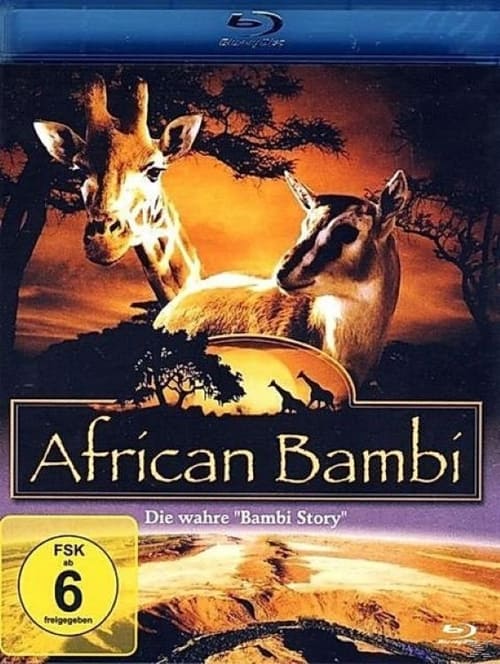
A Giraffe mother tells the story of three young gazelle fawns who have to experience great adventures on the plains of Africa.
African Bambi
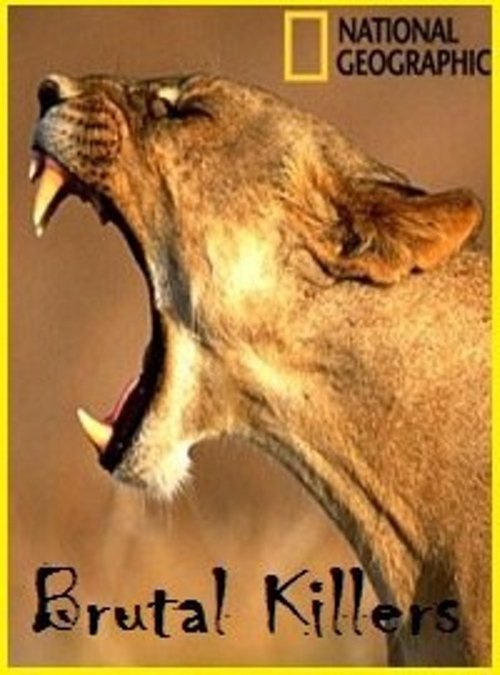
Successful lions need to be brutal and use any means to quash would-be kings. These are not random acts of violence, but vital behaviour to secure their own genetic future.
Brutal Killers
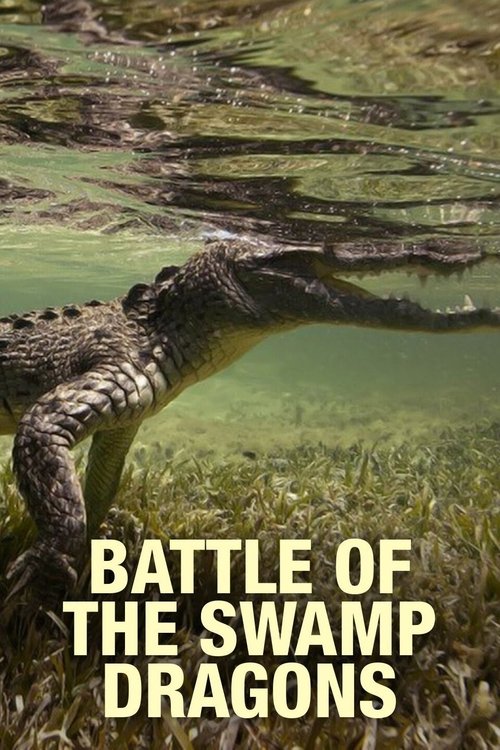
South Florida is the only place on Earth that is home to both the American alligator and the American crocodile (and most recently, the Nile crocodile). But who is the baddest Florida predator?
Battle of the Swamp Dragons
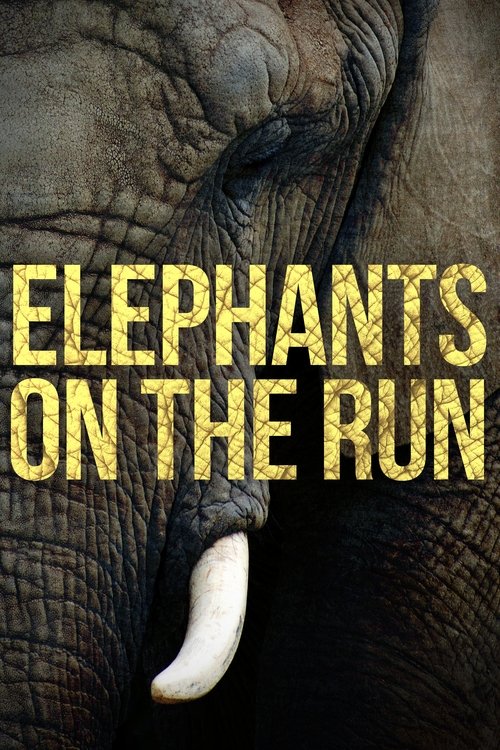
In Elephants on the Run we take a close look at the elephants’ family structure, the problems they face and their determination to live.