Leonid Anichkin
Directing
Biography
Leonid Anatoliiovych Anichkin was a Soviet and Ukrainian documentary filmmaker. He was awarded the title of Honored Artist of Ukraine in 2008.
Known For

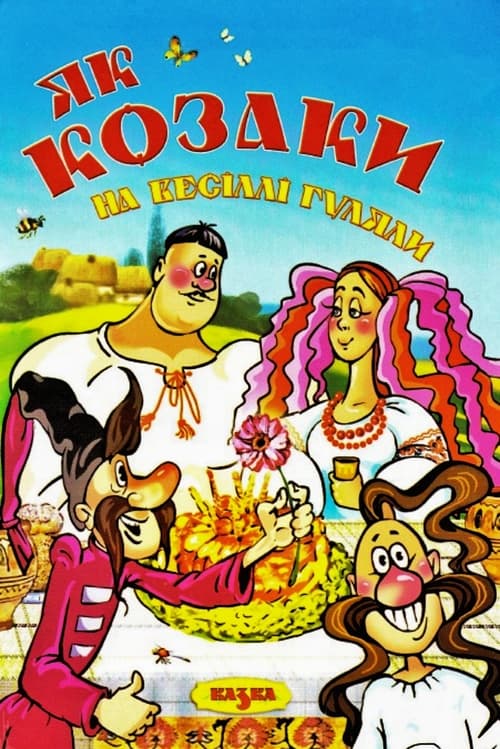
Tur regrets being single until he meets a charming maiden to whom he promises a new pair of boots. He gets trapped at a witch’s sabbath hosted by the devil, who promises him a pair of boots in exchange for his soul.
How the Cossacks Celebrated a Wedding

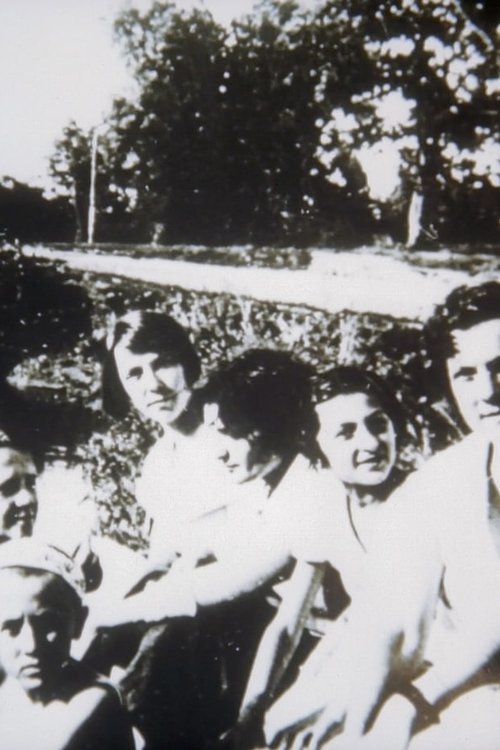
The trials and tribulations of the wives and daughters of repressed "counterrevolutionaries" who shared the fate of their relatives in the Solovki camps.
My Address is Solovki: Don't Hit a Woman, Even with a Flower

About the fate of the great poet's legacy, which was collected and preserved by his friends and is now kept at the Taras Shevchenko State Museum in Kyiv.
Taras Shevchenko. Legacy

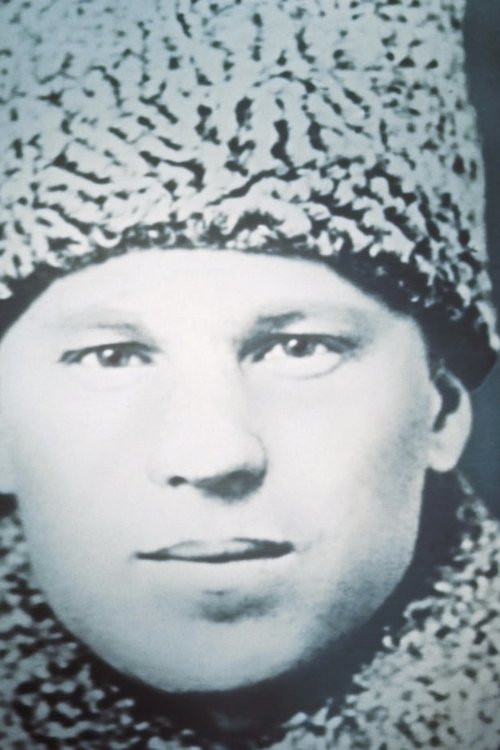
The events of 1935–36 sent scientists, cultural figures, and Comintern workers to Solovki. Instead of a realm of free labor, there were prisons and camps; instead of blue socialism, there was the tyranny of petty Macbeths at the bottom of the camp hierarchy. This is a short documentary about Mykola Kulish, a Ukrainian writer.
My Address is Solovki: The Burden of Silence

A film about Ukrainian poet, literary scholar, translator of the Executed Renaissance era Mykhailo Dray-Khmara and his exile (based on his daughter's account).
Dray-Khmara. Last Pages

Mykola Zerov was another prisoner of the Solovki camps. He was an outstanding Ukrainian poet, an excellent translator of ancient works, and a scholar of philology. Like others, he was destroyed by the repressive machine on Solovki.
My Address is Solovki: Why Translate Virgil?

The original artist Oleksandr Semernya never studied painting, but has been drawing for as long as he can remember.
The Enchanted Wheel of Life

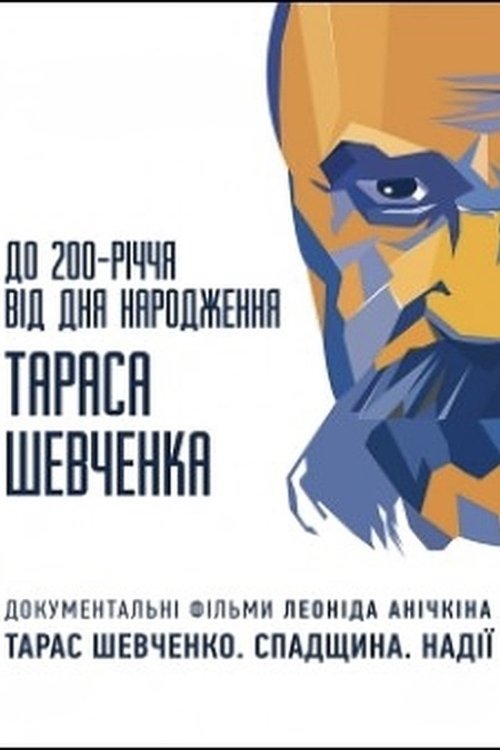
Fate did not spare him trials and tribulations. It is impossible to imagine a more shameful punishment than being deprived of the right to write and paint, than years of exile as a soldier in the Orenburg Corps. However, military service did not destroy Taras's faith in God and people.
Taras Shevchenko. Hopes

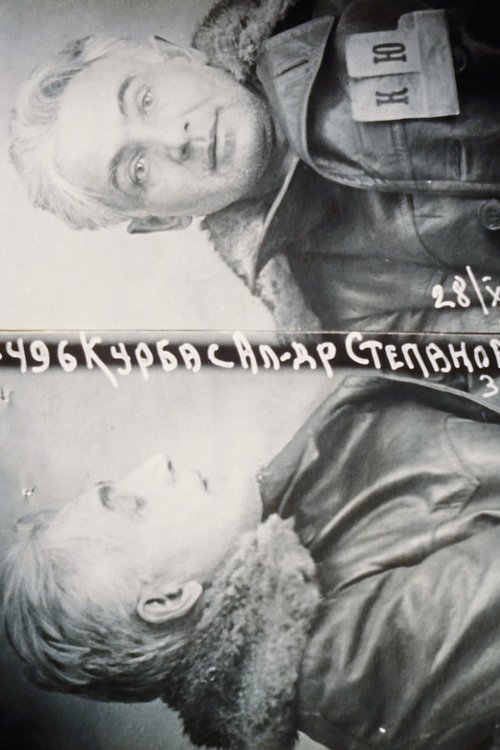
The events of 1935–36 sent scientists, cultural figures, and Comintern workers to Solovki. Instead of a realm of free labor, there were prisons and camps; instead of blue socialism, there was the tyranny of petty Macbeths at the bottom of the camp hierarchy. This is a short documentary about Les Kurbas, a Ukrainian playwright.