
TT Takemoto
Directing
Biography
TT Takemoto is a queer Japanese American filmmaker and artist exploring Asian American history, sexuality, and identity. Their experimental films delve into hidden dimensions of same-sex intimacy and trauma that exist within Asian and Asian American archives. Takemoto interacts with found footage and archival materials through performance and labor-intensive processes of painting, lifting, and manipulating 16mm/35mm film emulsion using scotch tape, razor blades, and nail polish. By engaging with tactile and sensory dimensions of queer histories, Takemoto conjures up immersive fantasies involving butch surgeons, femme fish filleting, and homoerotic breadmaking. Their films honor queer Asian Americans who lived, loved, and labored together during the prewar era and beyond.
Known For
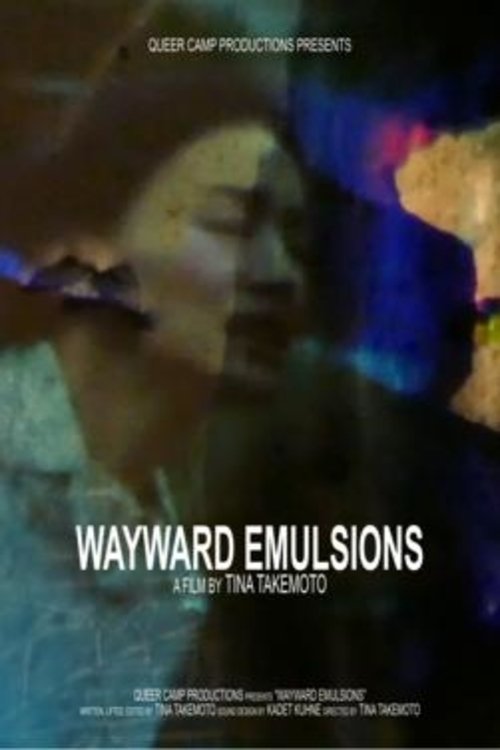
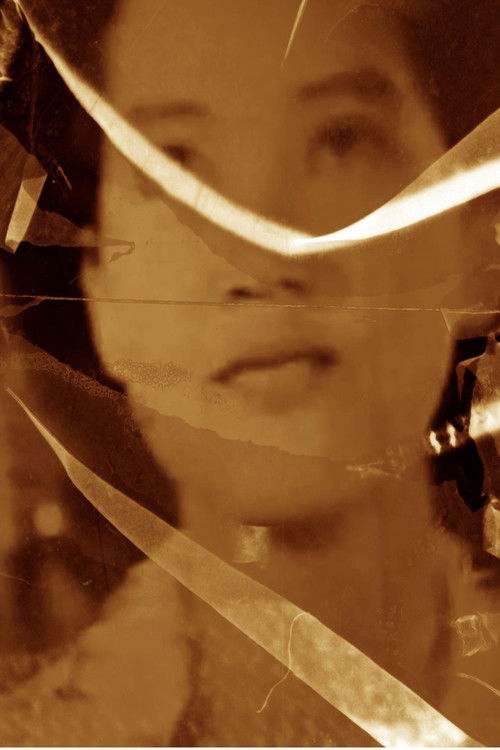
Oblique wanderings of emulsion lifted from reels of 35mm film capture fleeting cinematic impressions of a wayward woman.
Wayward Emulsions
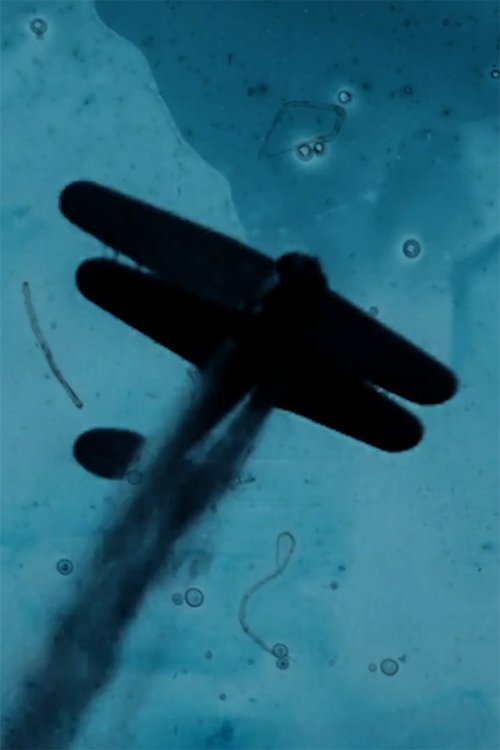
Inspired by San Francisco's first Chinese American female physician, this film envisions the euphoria and despair of Margaret Chung and her insatiable desire for women and celebrity through her forays into drugs, sapphic surgeries, and queer flights of fancy.
Ever Wanting (for Margaret Chung)
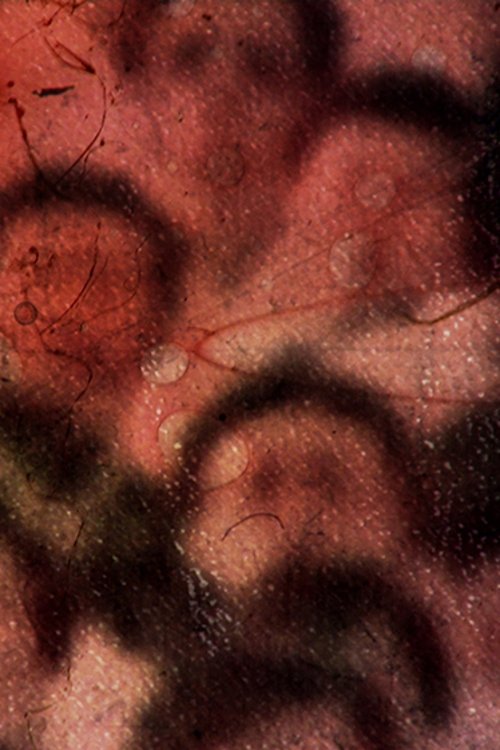
A haunting commemoration of the Tiananmen Square uprisings.
May 35
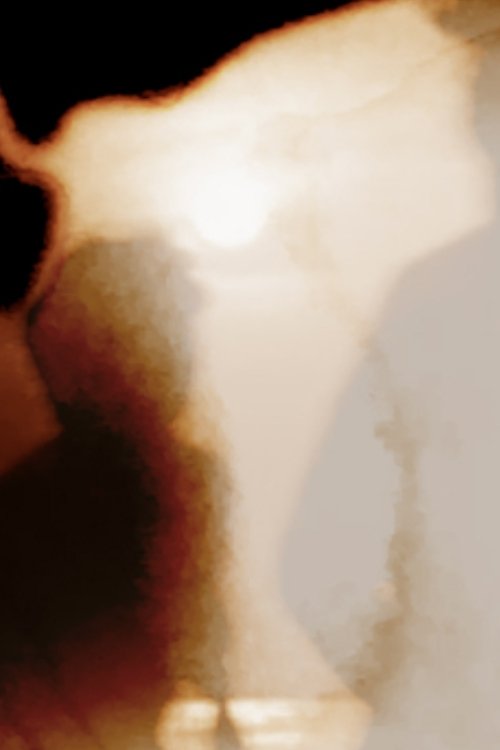
"On the Line" is inspired by Isa Shimoda, a butch gender nonconforming immigrant who served meals to Japanese American tuna cannery workers in her restaurant on the docks of San Diego in the 1930s. She was known for her masculine attire as well as her skills at naginata, a sword-based martial art practiced by Japanese women. Her restaurant was a refuge for the women who endured gruesome hours cleaning fish and lived in meager housing shelters known as "fish camp." Shimoda has two sets of wartime records from the incarceration camps—one identifying her as female, the other as male.
On the Line
Honoring the Woman, Life, Freedom movement and the legacy of Mahsa Amini, known as “Jina.” (TT Takemoto)
For Jina
Abstract impressions of Kung Fu cinema.
Sworded Love
History and place. Maps and memories. (Taken from BFI Flare Film Festival 2019 guide). Dir. Tina Takemoto, 2018.
Lift Little Tokyo
A tribute to the ongoing protests in Hong Kong that are taking place three decades after the Tiananmen Square uprising.
HK Uprising
On the eve of his eightieth birthday, acclaimed Japanese American actor Sab Shimono reflects on his lifelong commitment to the craft of acting, his struggles against racism and homophobia, and how his life was transformed by gay bars and marriage equality.
Sab Shimono: Acting “As If”
Fugue for wushu in the West.
Lion in the Wind

Pulsing flashbacks from the summer of love reawaken a queer California classic.
After Bed
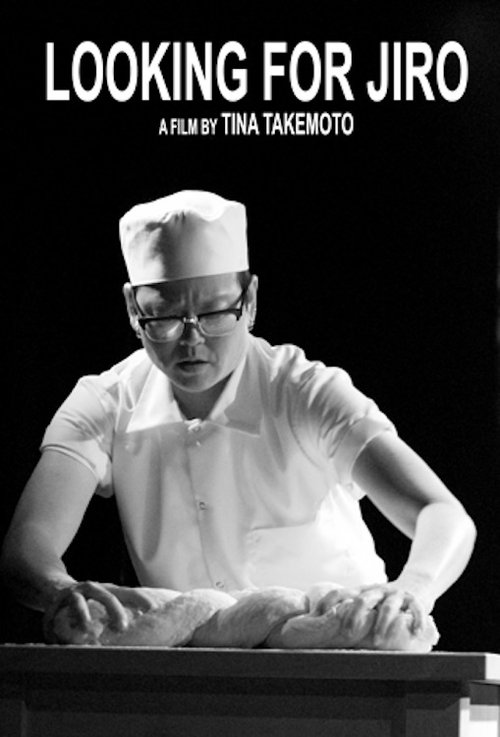
Jiro Onuma liked fine clothing and muscular men. How did this dandyish gay bachelor survive the isolation, humiliation and homophobia of the Japanese American Internment Camps during World War II? This musical mash-up video features drag king performance, U.S. propaganda footage, muscle building, and homoerotic bread making.
Looking for Jiro
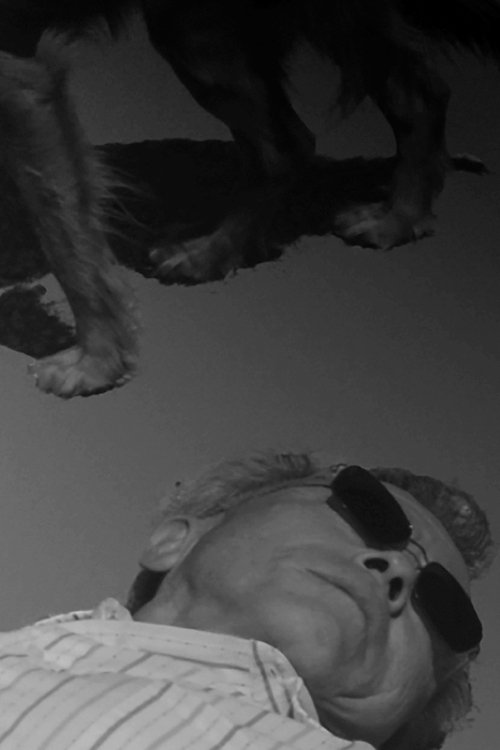
James Wakasa was shot by military police at Topaz WWII incarceration camp. Using the “Rashomon effect," this queer experimental film essay juxtaposes conflicting accounts regarding the circumstances and cause of Wakasa's untimely death.
Warning Shot

"An oblique portrait of gay Japanese American actor Sab Shimono, whose work on stage and screen spans more than five decades. The grammatology of his career attests to conflicting lexicons of race, representation, and selfhood." (Tina Takemoto)
Semiotics of Sab
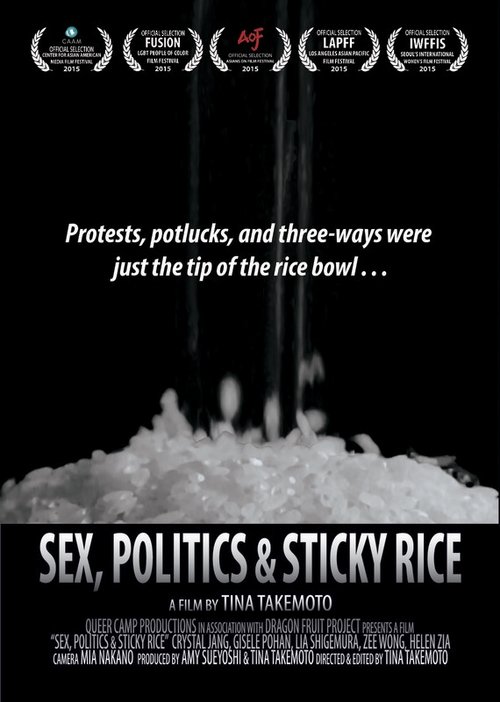
Protests, potlucks, and three-ways are just the 'tip of the rice bowl' for five Asian American lesbians recounting their adventures in sex, love, and queer activism in the San Francisco Bay Area since the 1980s.
Sex, Politics and Sticky Rice
"Inspired by Rosalie 'Rose' Bamberger (1921-1990), the mixed-race Filipina American paintbrush maker and co-founder of the Daughters of Bilitis (DOB) in 1955. When DOB shifted their focus to becoming the first US lesbian political rights organization, Rose and her partner Rosemary faded from the historical record. What they truly sought was a 'secret society for lesbians' -- a space to dance, drink, and dine without fear of police raids. The film presents Rose's unrealized vision -- a kaleidoscope of women swinging, playing, and dancing, intercut with celluloid fragments of potlucks and paintbrushes ... " (TT) Commissioned for Canyon Cinema's Print Generations project.
Swing Swish Sway
Film made through pinhole photography, mapping the geographic memory of 1950s San Francisco.