Gretchen Bender
Directing
Biography
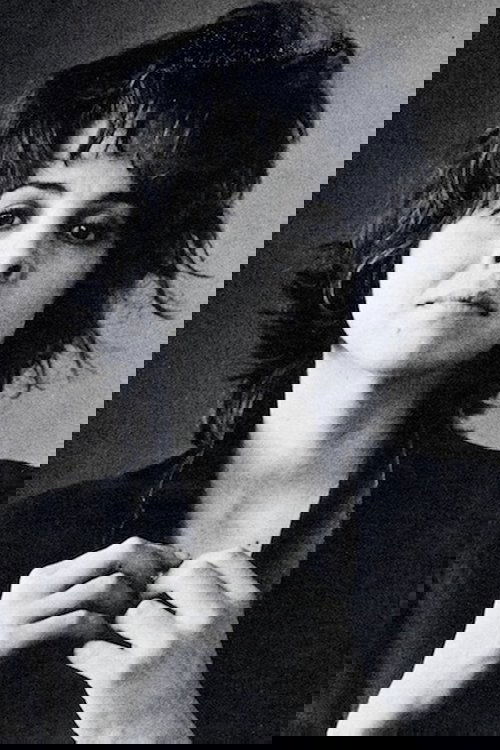
Gretchen Bender was a pioneering artist who worked across video, sculpture, computer graphics, photography, print and installation to interrogate the accelerated age of mass media.
Known For
With HOW TO FLY, Bowes abandoned plot entirely, finding other forms of structure. He wanted to show that stories do not have to obsessively organize and explain data, and that television’s hundreds of simultaneous, fragmented narratives – news, fiction, commercials, sports, etc. – had prepared audiences for this new type of structure. — Charles Ruas
How to Fly
Stock and live footage edited with music to showcase societal culture. While also directly referencing Robert Longo’s "Men in the Cities" series of photographs.
Bizarre Love Triangle
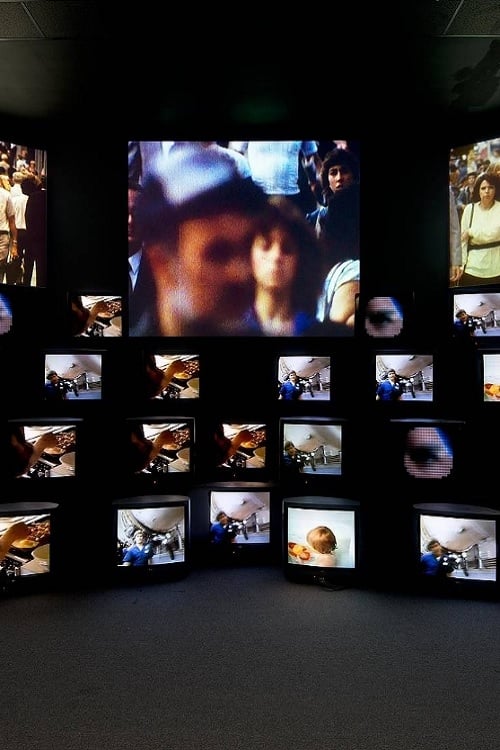
"Gretchen Bender’s Total Recall (1987) is the artist’s largest realized work of electronic theater, an eleven-channel performance choreographed across 24 television monitors and three projection screens ... Bender mined the mesmerizing, banal imagery of mainstream media, television, and movies, edited together in a barrage of quick cuts, allowing the subliminal meaning of the images to surface in the mind of the viewer as their eyes move from screen to screen. Set against an abrasive score by composer Stuart Argabright, the piece creates a jarring experience that mimics the immersive, yet assaulting image-world from which Bender felt her viewers were increasingly unable to disentangle themselves." - Red Bull Arts
Total Recall

An early, single-channel version of Bender's video collages, one with found, created, and manipulated imagery, including a Folgers coffee commercial, a children's superhero cartoon, and Stanley Kubrick's "2001: A Space Odyssey."
Reality Fever

In Dumping Core, a frenzy of images appears across thirteen video monitors, creating an information overload set to a proto-techno soundtrack. The installation mimics and exaggerates the pervasive media culture prompted by then-new television networks like CNN and MTV.
Dumping Core

Two-channel video on four CRT monitors with soundtracks by Stuart Argabright and Michael Diekmann.