Writing
Play for Today is a British television anthology drama series, produced by the BBC and transmitted on BBC1 from 1970 to 1984. During the run, more than three hundred programmes, featuring original television plays, and adaptations of stage plays and novels, were transmitted. The individual episodes were between fifty and a hundred minutes in duration.
ITV Playhouse is a British comedy-drama TV series that ran from 1967 to 1983, which featured contributions from playwrights such as Dennis Potter, Rhys Adrian and Alan Sharp. The series began in black and white, but was later shot in colour and was produced by various companies for the ITV network, a format that would inspire Dramarama. Actors appearing in the series included Leslie Anderson, Gwen Nelson, Ricky Alleyne, Pat Heywood, Michael Elphick, Ian Hendry, Edward Woodward, Margaret Lockwood, Jessie Matthews and Lloyd Peters.
A series of dramas featuring staged theatre plays.
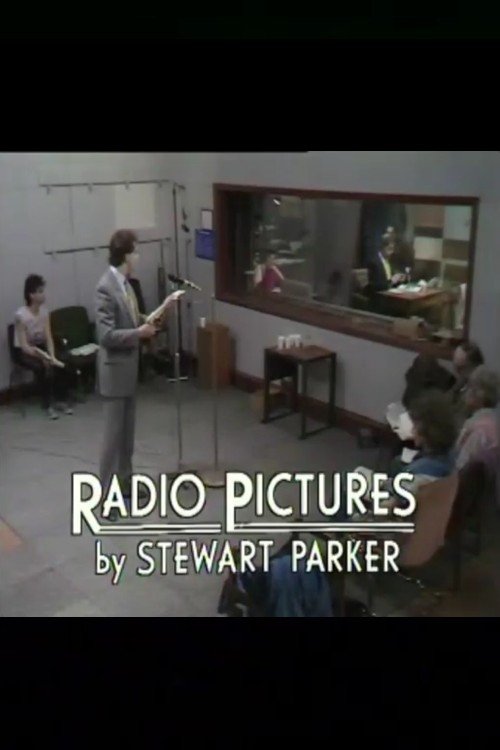
Intrigues and tension surround the production of a radio drama. The leading lady is unhappy with the script, the leading man is attempting to seduce the leading lady and the peeping tom of the play within the play presides over them all.
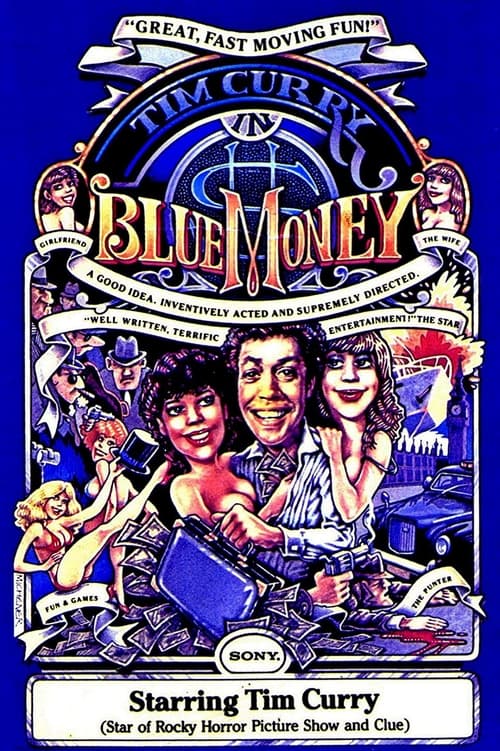
Mobsters and the IRA chase a stagestruck London cabby (Tim Curry) who has found a briefcase full of cash.
Comedy set against the danger and brutality of Belfast. Music librarian by day, showband singer by night, Nelson Glover cocoons himself from the brutality by escaping into a dream world of romantic melody. But his dream world disintegrates after he meets siren Sandra Carse.
Written by Stewart Parker to celebrate the centenary of James Joyce's birth. It takes the viewer on a journey into the imagined world of Joyce's mind while he was creating Ulysses. There's a sequence where the theatre troupe is on a tour & there are some amusing set pieces involving Stephen Rea & Gabriel Byrne.
Two women navigate the challenges of life on a wintry day in 1980s Belfast. While Ruby has a cold and gets caught in the rain, Iris is job-hunting but feels lost in the traffic.
Roy and Martyn want to write the next Irish winner for the Eurovision Song Contest. So who thinks they are working for British Army Intelligence? And why has someone sent them two bullets through the post?
On August the 15th, 1945, after the official surrender of the Empire of Japan, Admiral Matome Ugaki led the last Special Attack Force pilots across the Pacific, to crash into American ships. Thirty-five years later, the men who serviced the aeroplanes are still meeting up for their annual dinner. Now settled into civilian jobs - dentist, baker, taxi-driver, insurance salesman - and with children and grandchildren, they bemoan the decay of traditional Japanese values. Hard liquor is imbibed, toasts raised to the memory of the heroic dead, and old rivalries resurface. The survivors' dissatisfaction with post-war life comes to a head when, in a moment of drunken inspiration, Tokkotai the airline pilot decides on a symbolic gesture to show that the kamikaze spirit lives on.