Acting
Polizeiruf 110 is a long-running German language detective television series. The first episode was broadcast 27 June 1971 in the German Democratic Republic, and after the dissolution of Fernsehen der DDR the series was picked up by ARD. It was originally created as a counterpart to the West German series Tatort, and quickly became a public favorite.
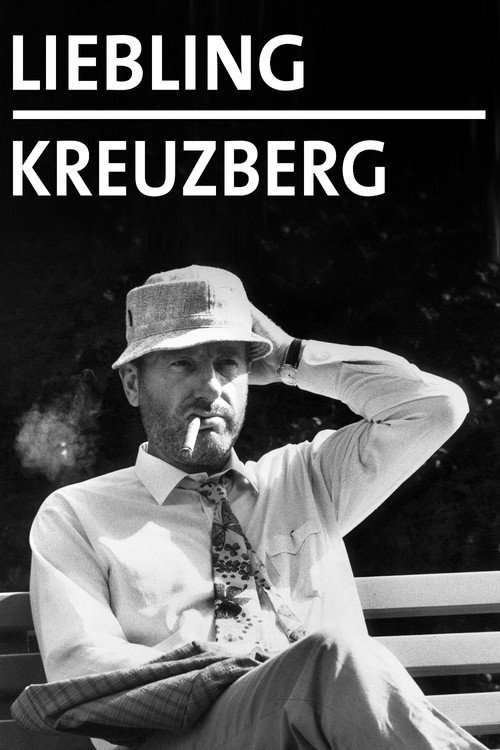
Liebling Kreuzberg was a television series on ARD, which was sent in five seasons with a total of 58 episodes the first time from 1986 to 1998. The scripts of seasons one through three and five were from Jurek, of his friend Manfred Krug wrote the role of idiosyncratic Berlin attorney Robert favorite on the body, the fourth season was written by Ulrich Plenzdorf. Director Heinz Schirk, Werner Masten led and Vera Loebner. Producing Series transmitters were the SFB, the NDR and WDR. The music of the first season was. Hans-Martin Majewski, in the later seasons of Klaus Doldinger.
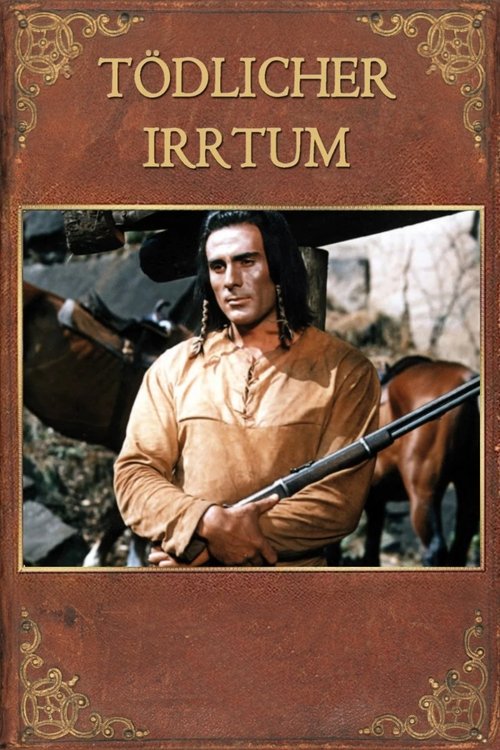
At the end of the 19th century, the Wyoming Oil Company has established itself in the vicinity of Wind River City at the foot of the Rocky Mountains, where they have been illegally pumping oil from Native American territory. One of the company's greedy agents, Mike Allison, kicks out both his white partners and the Native Americans. He has his some of his associates secretly murdered and blames it on the Native Americans, who are then killed when they get in the way of his plans. Five chiefs with lifelong shares in the Oil Company die mysteriously as a result. The young chief Shave Head asks his a half-blooded brother Chris Howard for help.
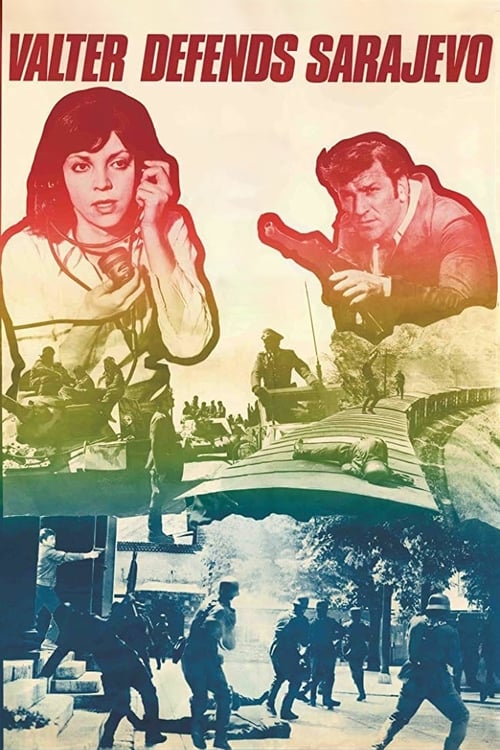
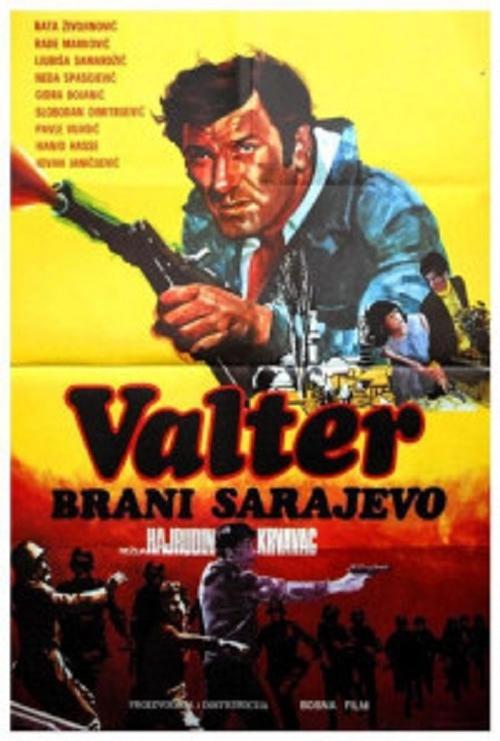
Sarajevo 1944. The German armies desperately need fuel in the retreat. Walter, the enigmatic and charismatic leader of the resistance movement, can endanger their supplies. The Germans are taking a cunning plan to remove that obstacle.
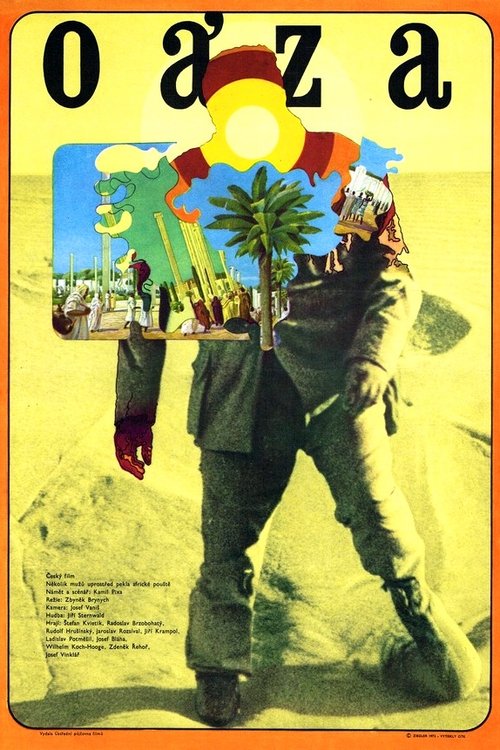
The year is 1943. The war is raging between the Germans and the Allies in North Africa. A truck with a Czech crew, Lieutenant Navara and six soldiers, escapes from the Foreign Legion fortress. Their aim is to reach the Allies and fight against Nazism. The truck is destroyed by a German army plane, which is hit by enemy fire in its turn. One Czech soldier dies in the attack, the driver is badly wounded, and Navara has serious burns on his face. The group has very little water and must reach an oasis that is 60 km away.
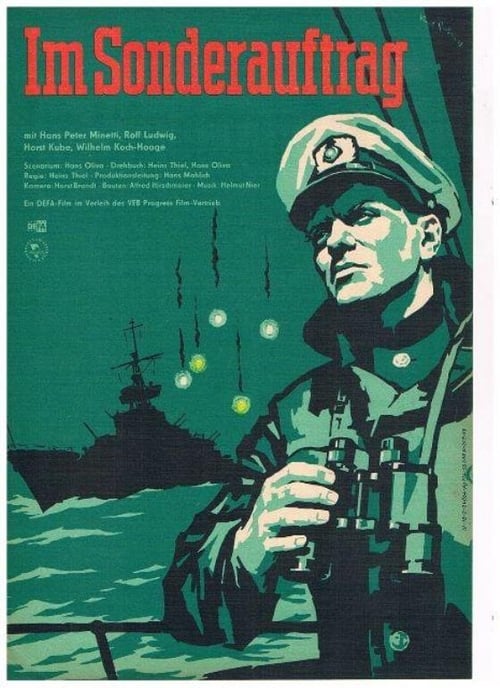
A warship returning from a training exercise was tasked with apprehending an unknown schooner that had violated GDR territorial waters. Although nothing illegal was found during the search of the ship, the ship's commander Fischer was suspicious of the owner of the schooner, Arendt, a former lieutenant of a Nazi coastal battery. Fischer's doubts were confirmed when a diver came aboard the schooner and photographed a military object underwater. The investigation showed that the detained schooner was on a sabotage mission, and the "activities" of Arendt, a former Gestapo Obersturmführer, were also revealed.
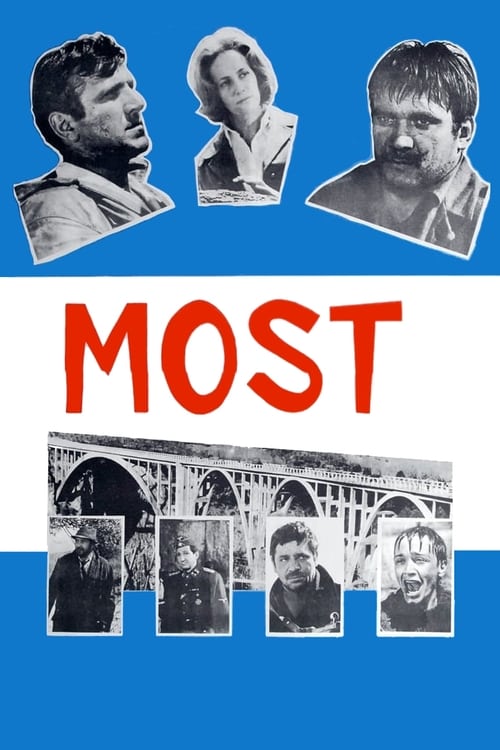
In order to check the German offensive, Partizans send an elite team of explosive experts to blow up a strategically important bridge. Besides being heavily guarded, that bridge is almost indestructible and the only man who knows weak spots in the construction is the architect who built it. He is, however, reluctant to cooperate because he doesn't want to see his masterpiece destroyed.
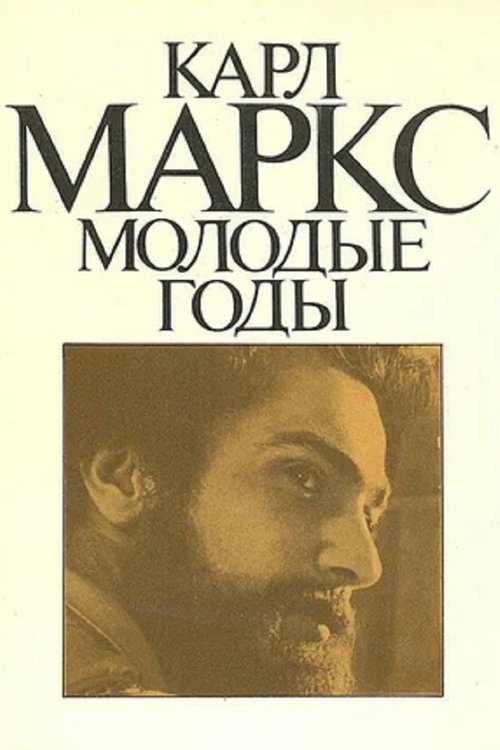
As a student at the University of Berlin, Karl Marx joins the "Doctoral Club," a refuge for young free thinkers. Karl Marx decides to devote himself to philosophy, defends his thesis, becomes a Doctor of Philosophy, but hopes to teach at the University of Bonn. When this plan falls through, Marx accepts an offer to work as editor of a Rhine newspaper...
An extended version of the eponymous feature film.
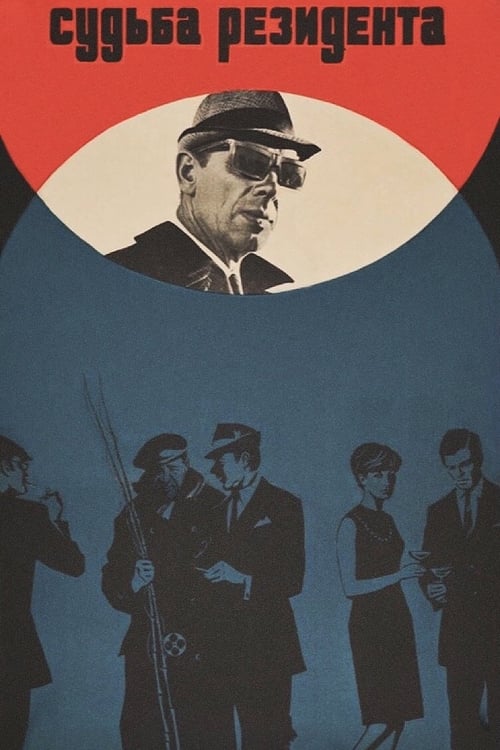
After Tulyev's arrest, Soviet counterintelligence continues the radio game with the enemy, sending encryptions signed "Nadezhda" to the Western intelligence center. KGB officer Sinitsyn, friendly towards Tulyev, tries to persuade him to take his side — he arranges a meeting to a scout with Mariya and her son, whom he has never seen before. In addition, Mikhail learns that his father didn't die of his own death, but was most likely killed. Meanwhile, a young Soviet scientist Borkov, who spoke at an international conference about his innovative work, finds himself in the spotlight of the Western security services.
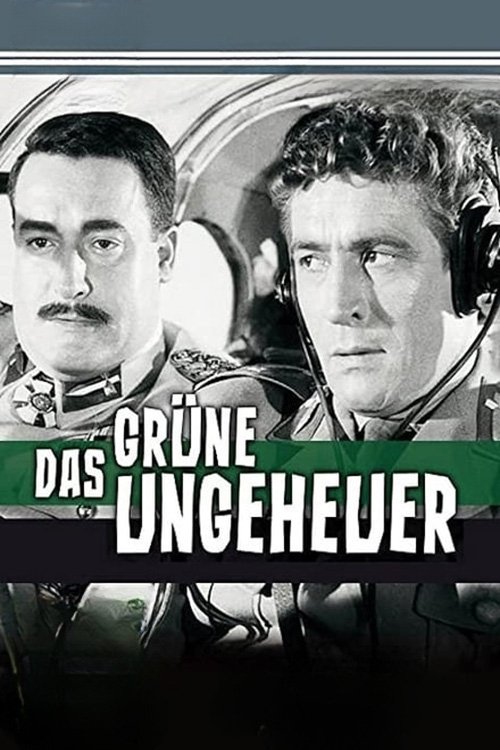
On the run from police in America, Antonio Morena, a former World War II aviator and black-marketeer, finds himself in South America working for the all-powerful United Fruit Company, known to the natives as "the Green Monster".
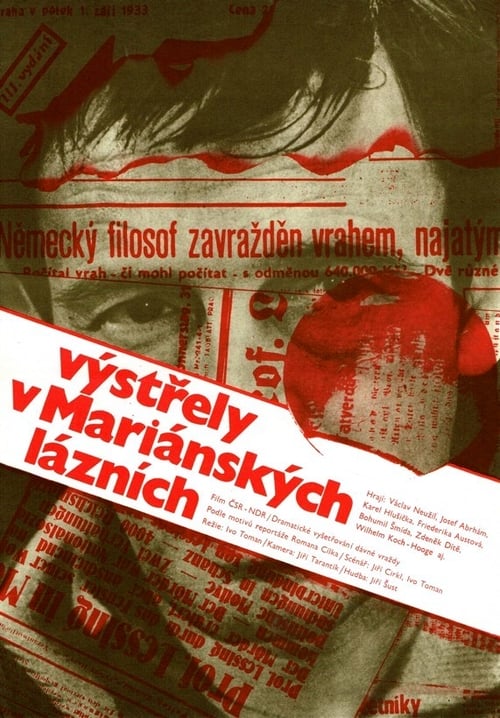
In May 1945, a woman in Marienbad reports a murder - committed in 1933 against the German emigrant Professor Lessing. She also names the murderer. Against the wishes of his superior, who does not feel responsible for this case - it was a fascist femicide - Inspector Šedý picks up the trail and arrests the murderer, the German Eckert. Eckert was a fugitive at the trial in 1933, and now the evidence is no longer available. Nevertheless, Šedý does everything he can to convict him. He finds witnesses who support him - anti-fascists, but also former collaborators who want to clear themselves. Reconstructing the case at the crime scene, Šedý is able to prove that Eckert was at least an accessory. He is convicted. After his release from prison, Eckert goes to West Germany, where he demands compensation from his former clients.
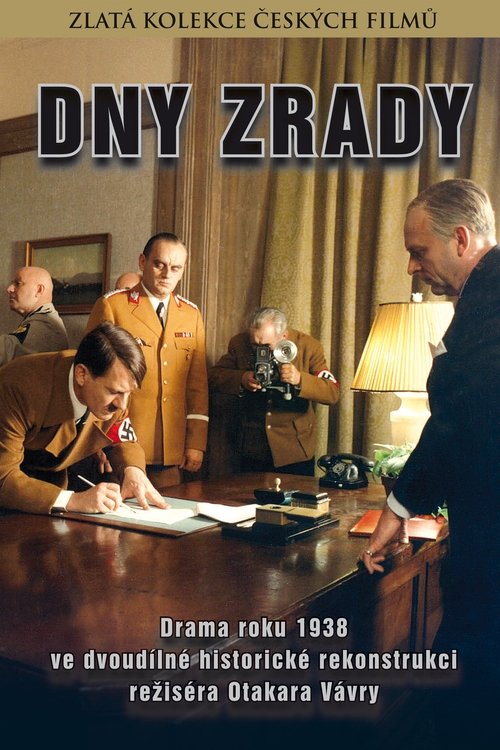
This feature film based on the events of 1938 is a chronicle of the futile efforts of the Czechoslovak president Edvard Benes (Jirí Pleskot), politicians and ordinary citizens, to save the independence and the territorial integrity of the state from the advance of Hitler's Germany. On the 29th of March 1938 the leader of the Sudeten Germans Henlein (Werner Ehrlicher) has a meeting with Hitler (Gunnar Möller). Hitler orders him to intensify pressure on the Czechoslovak government. On the 24th of April in Carlsbad, the Sudetendeutsche Partei (Sudeten German Party) decides upon eight demands that are unacceptable to the Czechoslovak President, since they would ultimately lead to the break-up of the Republic. Benes still shows a certain willingness to negotiate, and Henlein resents this. The Germans are determined to make further negotiations impossible through incidents and violence.
An historical depiction of the events preceding the political murder of Archduke Franz Ferdinand, would-be emperor of the Austro-Hungarian throne, in Sarajevo on June 28th, 1914.
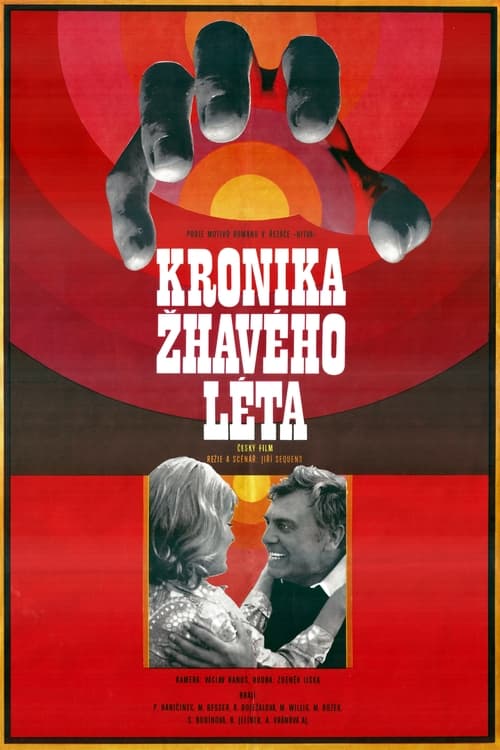
A broadly drawn ideological epic set in the summer of 1947 in the borderlands of northern Bohemia: reactionary elements plot to undermine postwar social change while committed local communists struggle to organize workers and defend the emerging order. The narrative follows several archetypal figures—steadfast party activists, wary peasants, and obstructive reactionaries—whose clashes illustrate the claimed inevitability of working-class victory under communist leadership.
During World War II, a German university professor creates a spy ring that supplies the Allies with information about Nazi plans...
The authorities expect the case of Friedel Walter, alias "Dr. Mueller," to be a straightforward one: he was working as a doctor without proper credentials under a false name. But Mehlin, the man in charge of his case, knows that there is more to the story. When he was injured fleeing from a concentration camp, resistance worker Irene asked her medical student boyfriend Walter to give him medical care.
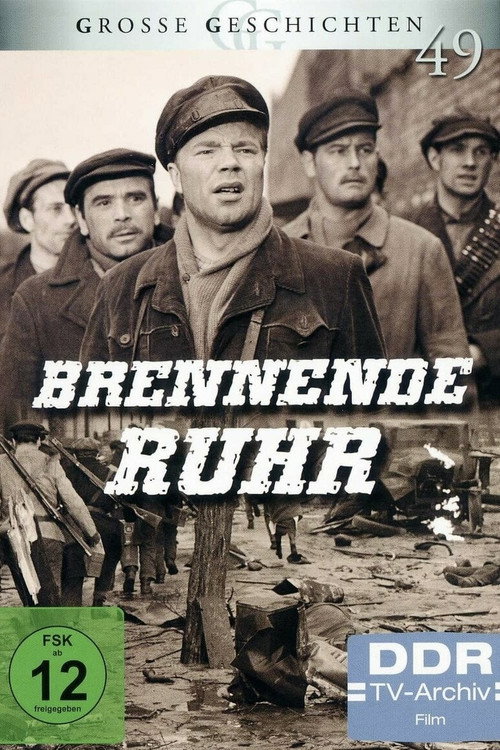
The events during the Kapp-Putsch 1920 in a small German town in the Ruhr district. The main protagonist is Ernst Sukrow, a student who sympathises first with the bourgeois forces but finally decided to join the communists in their fight.
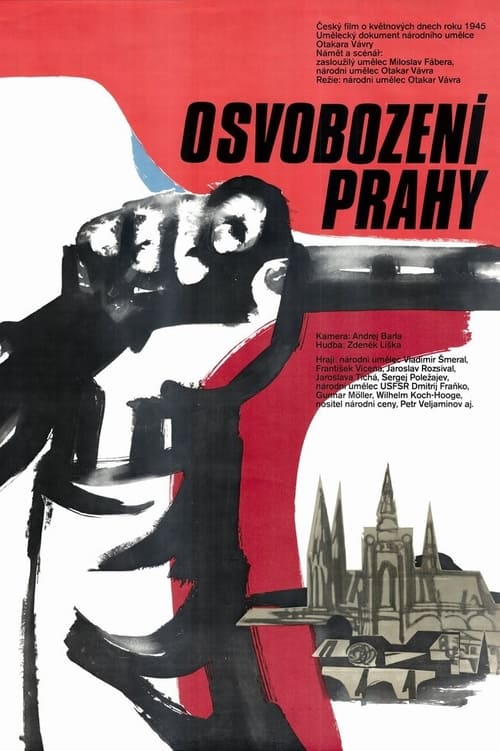
On 20th of April 1945 the Soviet army launches its attack on Berlin. The end has come for Nazi Germany and Hitler decides to commit suicide. In Prague K.H. Frank (Nazi Secretary of State and Chief of police in the Protectorate of Bohemia a Moravia) discusses with his commanders how to transform the city into an impregnable fortress, but the Praguers do not intend to wait any longer. From the early hours of 4th of May people start assembling in the streets and tearing down German signs. On the next day, the 5th of May, the uprising begins.
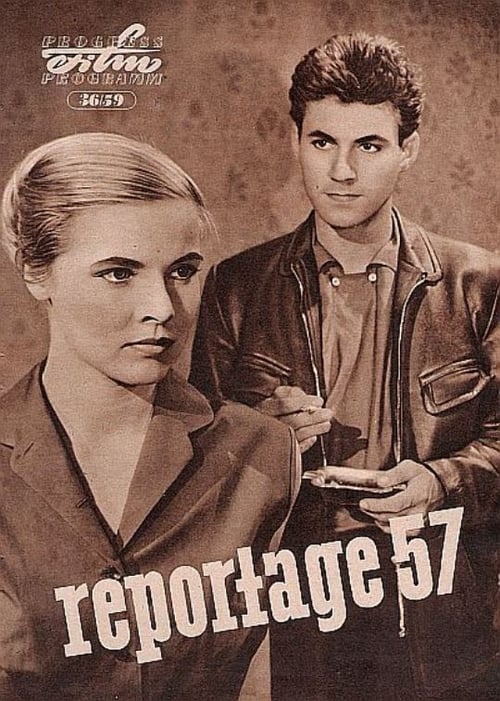
The film centers on the story of newlyweds Inga and Heinz. Heinz works in the western sector of Berlin. A gang of crooks involved in various shady dealings tries to draw Heinz into their dark affairs. However, after accidentally learning about the "activities" of his "friends," Heinz informs the police about the impending crime. The gang is arrested.