Acting
An English navigator becomes both a player and pawn in complex political games in feudal Japan.
In this humorous paean to the joys of food, a pair of truck drivers happen onto a decrepit roadside shop selling ramen noodles. The widowed owner, Tampopo, begs them to help her turn her establishment into a paragon of the "art of noodle-soup making". Interspersed are satirical vignettes about the importance of food to different aspects of human life.
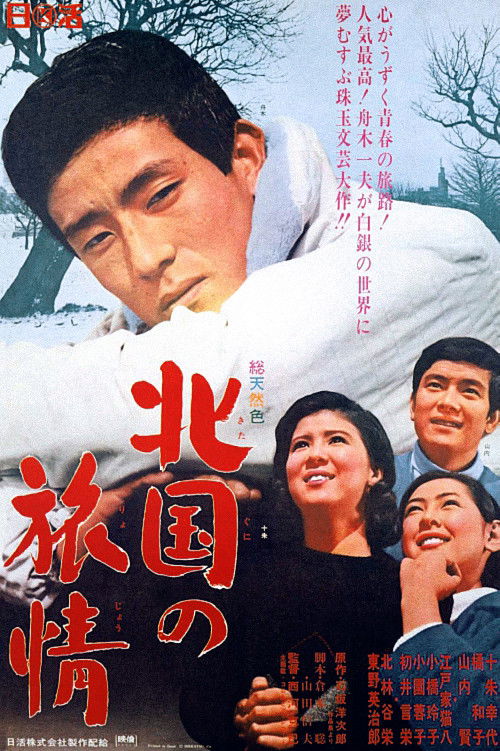
Winter holidays at the university. Eikichi visits a city in the north of the country, the hometown of Yuko, a classmate for whom he has feelings. However, Yuko, having returned home, has just become engaged to a local young man, and the sudden appearance of Eikichi makes others worry that their good relationship will be spoiled. An epic about pure love, which tells the story of a man who leaves his beloved woman, praying for her happiness. Adapted from the novel "Kiri no Naka no Shojo" Yojiro Ishizaka.
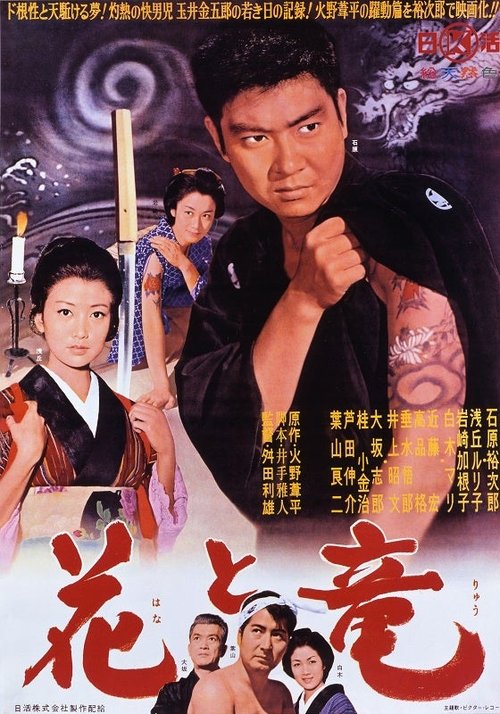
In the late 1890s, coal is a precious new natural resource. During an era of rapid economic growth, dreams are instilled into the lives of many across Japan. A vigorous young man with a look of fearless determination, sets foot on the northern part of Kyushu, an area where Yakuza thrived. His name is Kingoro Tamai (Yujiro Ishihara). With plans to travel the world, Kingoro worked diligently at a coal mine. His loyalty and hard work earned the respect of his peers, his courage won the heart of the beautiful Mon (Ruriko Asaoka), and his success evoked jealousy in his enemies.
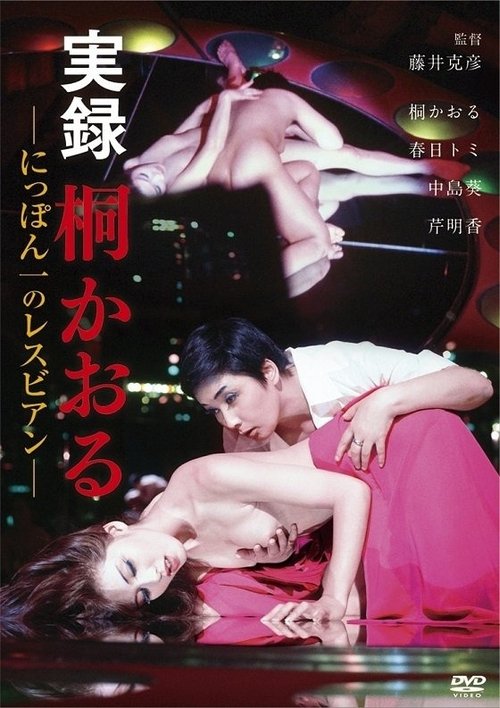
A backstage documentary and interview with the real life lesbian stage performer Kaoru Kiri mixed with a fictional life of her rejected lover.
No description available.
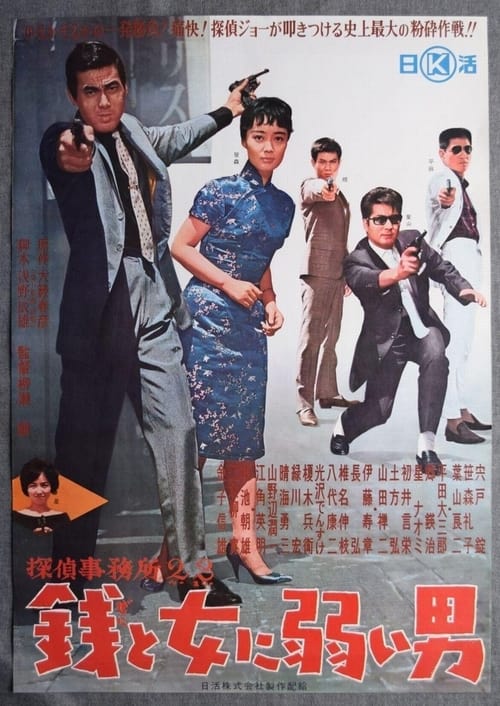
A sequel to Detective Bureau 2-3: Go To Hell Bastards!
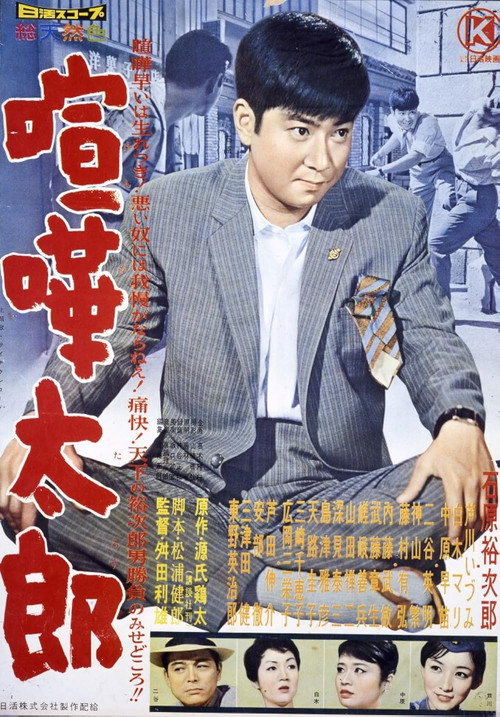
Taro Uno, nicknamed "Fighting Taro," has joined Hyakusho Trading Company, which is currently busy with bidding for Southeast Asian reparations supplies. This is because their competitor, Toyo Bussan, is considered a strong contender. One day, Taro comes to the rescue of Toyo Bussan's president, Iwashita, and his illegitimate son, Kenji, who are being harassed by a local gangster named Kankichi.
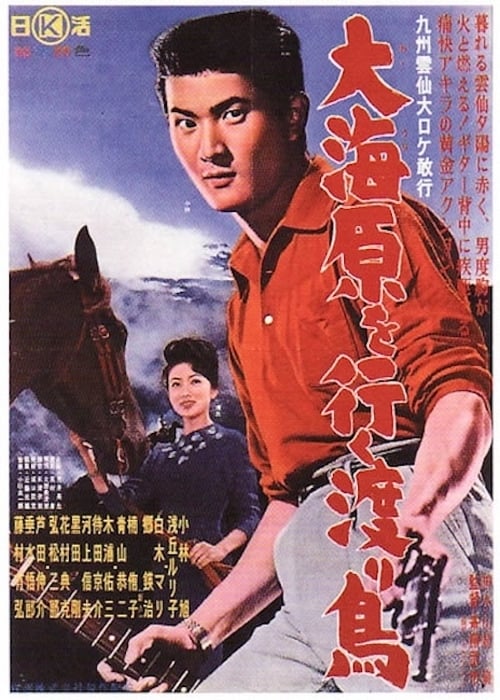
Seventh in the nine-film series, "The Wandering Guitarist".
1962 Japanese movie
A jazz pianist named Shiro Tsuda returns from an overseas tour unwittingly carrying drugs that have been sewn into his jacket. When he stops by to see his girlfriend Kyoko, he walks in to find an unknown man attacking her. While struggling with the man, who is armed, Shiro accidentally shoots and kills her. The intruder knocks Shiro down and takes the drugs from Shiro's jacket. Shiro realizes that he was being used as a drag smuggler. He is sent to prison for three years for killing his girlfriiend. When he is released, he is determined to find out who set him up.
A gang lord hires Kamimura, a hit man, to take out a rival boss who's gotten greedy.
A former boxer gets involved with a club hostess trying to escape the clutches of her gangster employer.
Hiroshi is the second officer on board the Hakuromaru. Lead by his captain, he heads out to town to recruit new crew members for their next voyage. Hiroshi is baffled when his captain approaches the Daigo-Kuroshiomaru crew, a notorious group nicknamed "the hoodlums of the sea". Their offer is greeted with scoffs and quickly turned down.
The neglected common-law wife of a Japanese librarian is repeatedly harassed by a young man with a heart condition who seduces her with the prospect of a better life.
Goro Fujikawa (Tetsuya Watari) was indebted to Mitsugimoto. Sawada, a low rank yakuza with a gambling problem owed Mitsugimoto three million yen. This equation can only lead to one answer. Mitsugimoto needs to pay and Goro's coming to collect.
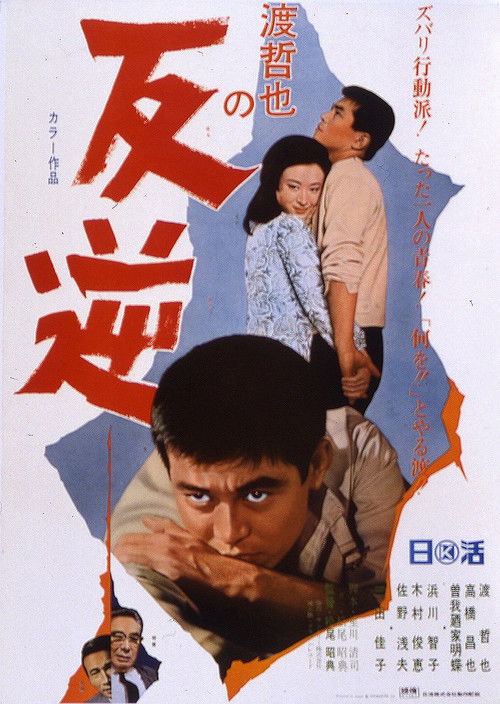
1967 Nikkatsu film.
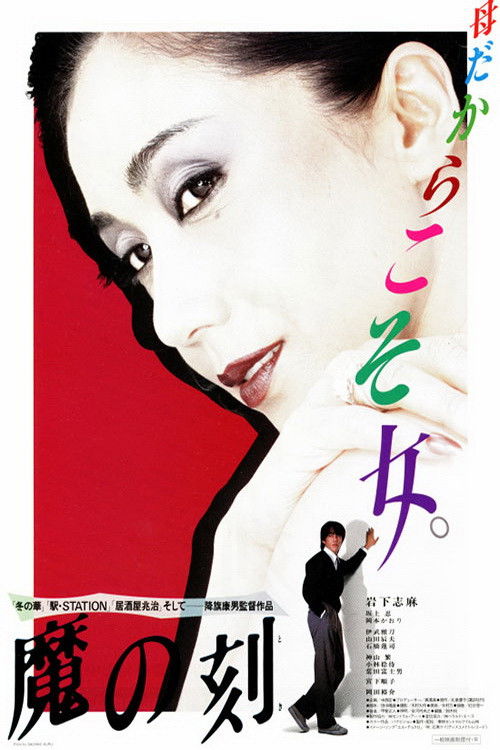
Filled with guilt over his forbidden desires, a young man leaves home and his studies. He finds a new smaller place to stay, a low-paying but satisfying job and a girlfriend. Then his mother, unable to fight her forbidden desires, shows up.