Production
Yahagi Michiko is accosted and raped walking home one evening. From there she maneuvers the logistics of the police, hospital, and criminal justice system while balancing her home life including romantic relationships.
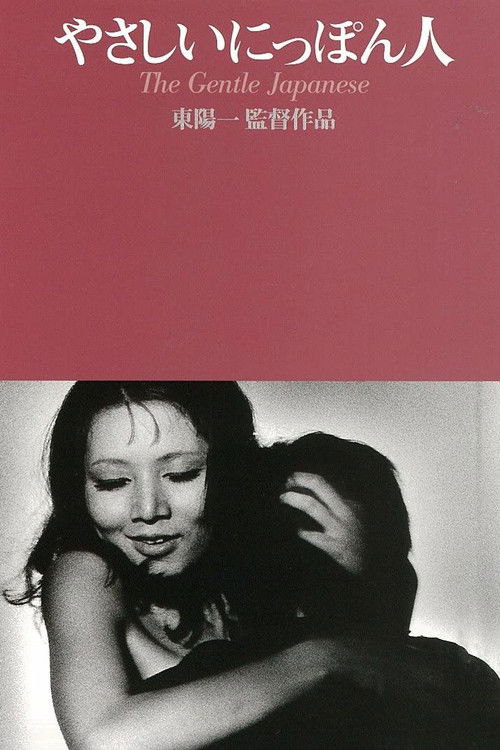
Kazumi - whose sensitivity does not undermine her strength when she handles her second husband's emotional conflicts with the wisdom of an adult. Kazumi's younger and more inexperienced husband Hideo is continually suspicious of her fidelity.
A story about a woman who is a research student of a theater company and the three men who are at the mercy of her.
A sensuous movie based on a literary work. Hitomi Kuroki stars as the film’s heroine.
Yuko is in love with an old poet who happens to be also a married man. She waits patiently for him and only him, yet she is constantly being lust by others.
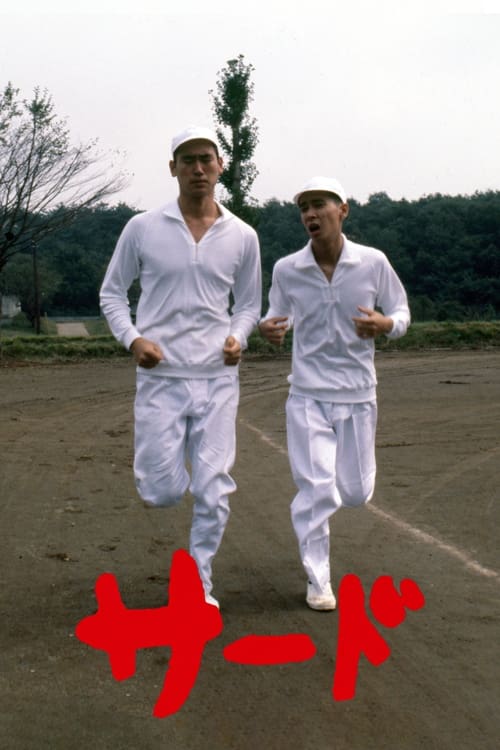
Third is an aimless young man who hangs around with a couple of girls who are amateur hookers. One day, while acting as their pimp, he gets into a conflict with a young gangster and winds up killing him.
Set in the wilderness of Hokkaido, the story of a couple in their 30s and a couple in their 20s is drawn, and the subtle emotions of the two men and women are depicted with intense Eros and delicate images under the theme of marriage exchange.
No description available.
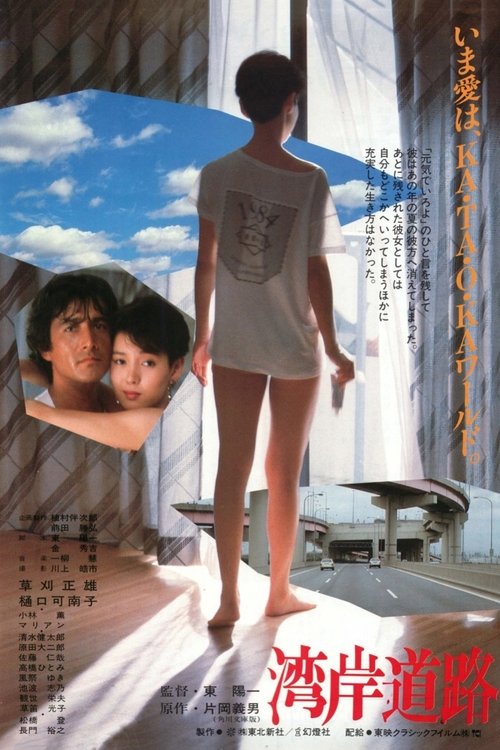
Based on the novel of the same name by Yoshio Kataoka.
A survivor of the tragic mass suicides on Tokashiki Island in 1945 falls in love with a near-mute motorcycle engineer.
This short documentary was created by painter Taeko Tomiyama—who consistently resisted various forms of injustice around the world through her art—and film director and producer Katsuhiro Maeda, who was inspired by her. The film centers on the Gwangju Uprising that occurred in South Korea in May 1980. The Gwangju Uprising saw the Chun Doo-hwan regime declare martial law and violently suppress student and citizen protests, resulting in many casualties. Tomiyama responded immediately to the tragedy by organizing a traveling exhibition featuring her print series Prayer for the Fallen. Moved by Tomiyama’s intense anger toward the dictatorship and her deep mourning for the victims, Maeda created this film in 1981. Combining news footage that documents the reality of the events with Tomiyama’s print works—unfolding like shadow play—the film powerfully conveys the nature of state violence and human sacrifice. The music was composed by pianist and composer Yuji Takahashi.
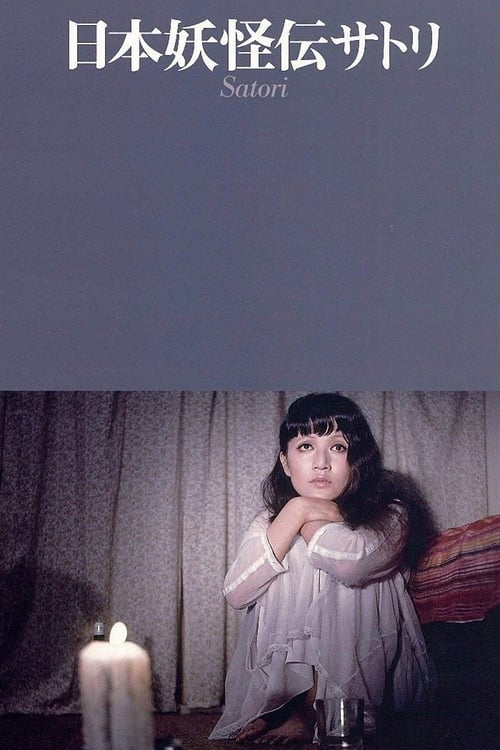
A psychotherapist suffers from the onslaughts of Satori, the demon whose name is paradoxically homonymic to the word used for enlightenment experiences in the Zen tradition. Many people mistakenly believe that such a state is the goal of Zen practice; however, the demon strikes at people who are in a state devoid of thought or feeling. Satori's influence spreads from the psychotherapist to a couple who grow increasingly uninhibited.