Joseph Strick
Directing
Biography
Joseph Ezekiel Strick (July 6, 1923 – June 1, 2010) was an American director, producer, and screenwriter whose career spanned experimental documentary, literary adaptation, and narrative feature filmmaking. Born in Braddock, Pennsylvania, Strick served as a cameraman in the U.S. Army Air Forces during World War II before beginning his filmmaking career with the short Muscle Beach (1948), co-directed with Irving Lerner. He later collaborated with Lerner, Ben Maddow, and Sidney Meyers on the experimental documentary The Savage Eye (1959), which won the BAFTA Flaherty Documentary Award. Strick went on to direct film adaptations of James Joyce’s Ulysses (1967) and A Portrait of the Artist as a Young Man (1977), as well as Tropic of Cancer and Never Cry Wolf (1983). His documentary short Interviews with My Lai Veterans (1970) won the Academy Award for Best Documentary Short Subject. In addition to his filmmaking work, Strick was active as an entrepreneur in technology ventures and worked in theatre in Britain, directing for the Royal Shakespeare Company and the National Theatre. His moving image collection, comprising more than one hundred items, is held by the Academy Film Archive, which has preserved several of his films. He died in Paris, France, in 2010.
Known For
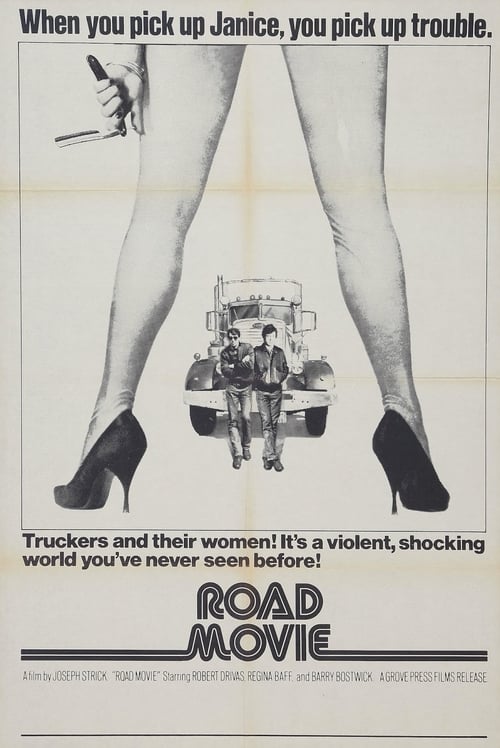
Gil and Hank are two independent truckers who run into problems when they are forced to pay off traffic managers to get loads. They also have to pay off highway cops when their rigs are overweight and bank loans but consider themselves lucky just to be able to keep up the interest payments. Add to that a small, frizzy-wigged highway hooker named Janice, who tempts them with her lurid charms.
Road Movie
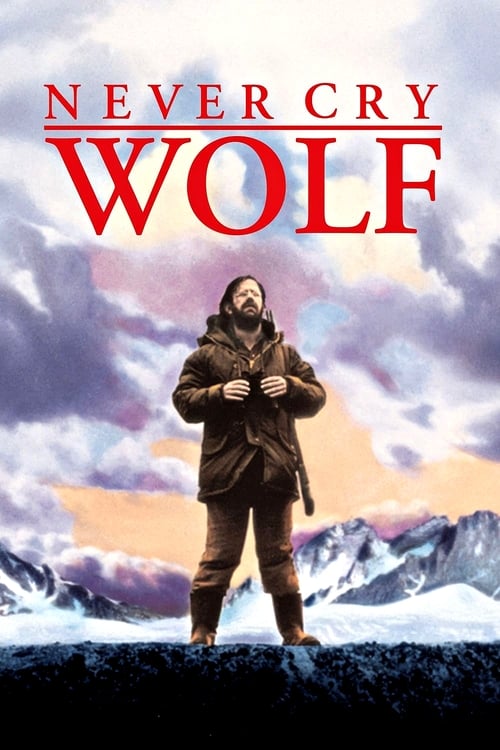
A scientific researcher, sent on a government study: The Lupus Project, must investigate the possible "menace" of wolves in the north. To do so, he must survive in the wilderness for six months on his own. In the course of these events, he learns about the true beneficial and positive nature of the wolf species.
Never Cry Wolf
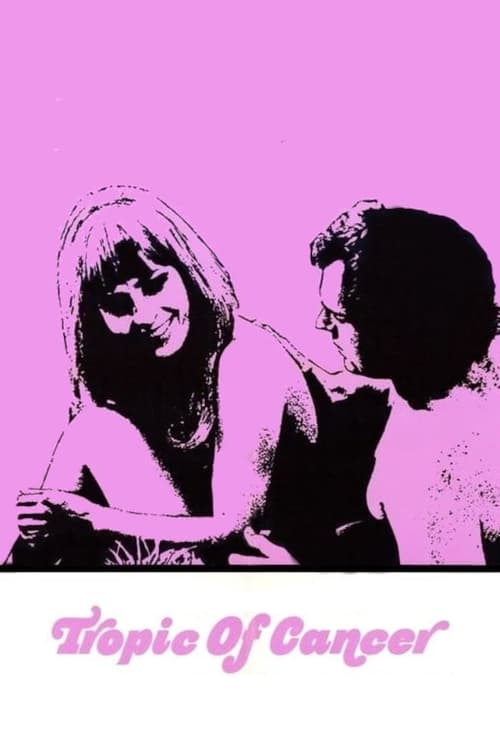
Expat American writer Henry Miller hustles his way through Paris in a series of amorous encounters while trying to find his literary voice.
Tropic of Cancer
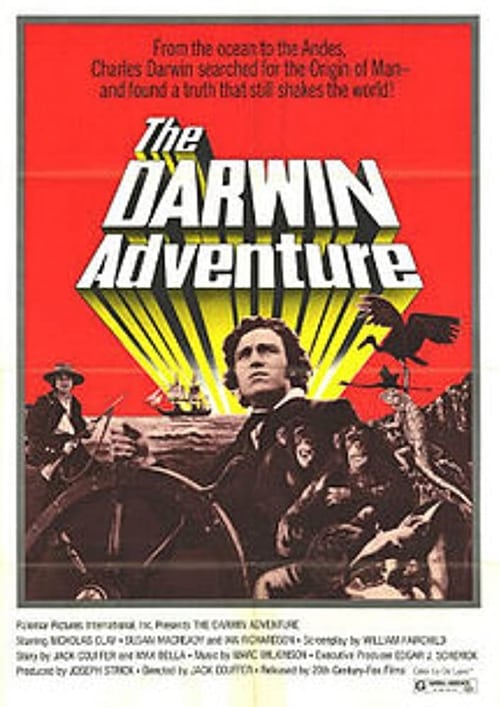
The story of Charles Darwin's journey on The Beagle.
The Darwin Adventure
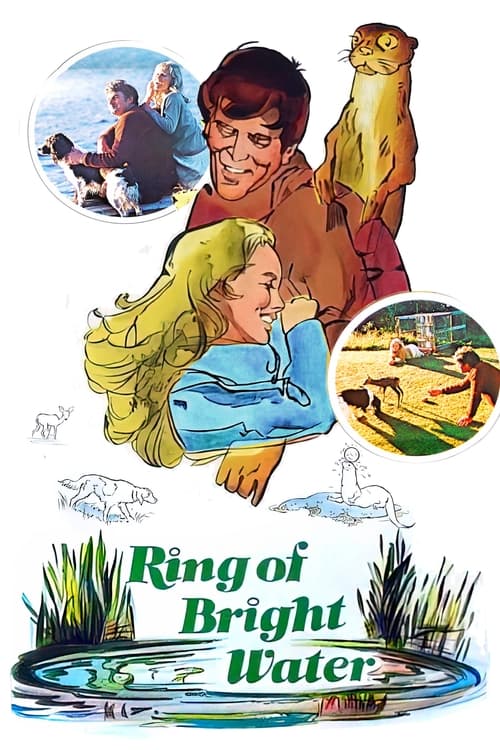
Stuck in a dead-end job, Graham Merrill adopts an otter, Mij, as a pet and then moves to an isolated village in western Scotland. Together they set out to explore the curious and magnificent natural wonders that surround their seaside home. Soon, Graham finds himself falling in love with the beautiful town doctor, Mary. Before long, the three become inseparable friends.
Ring of Bright Water
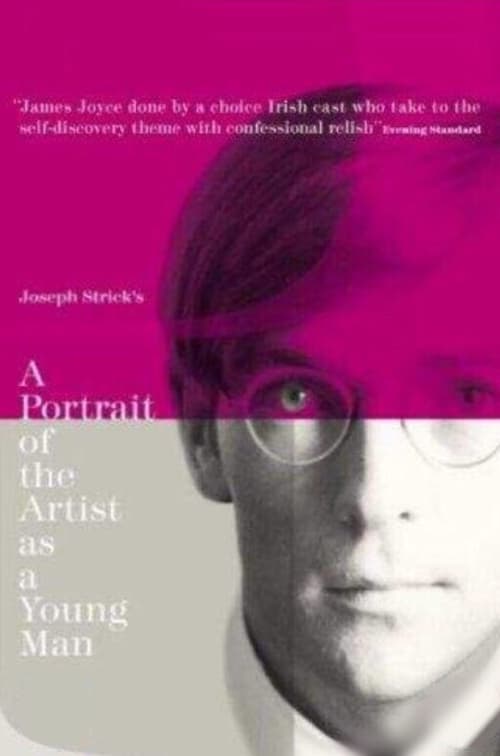
Bosco Hogan plays Joyce's alter-ego, Stephen Daedelus, growing up in Ireland in the early part of the 20th century, and at odds with the strictures of his Catholic home and family. The film charts his search for knowledge and understanding, during a decline in his family's circumstances, that leads him to revelations on the nature of art, beauty, and politics. However, his personal renaissance makes him feel unwelcome in his own country, and forces him to make a choice between exile as artist or staying and facing personal defeat.
A Portrait of the Artist as a Young Man
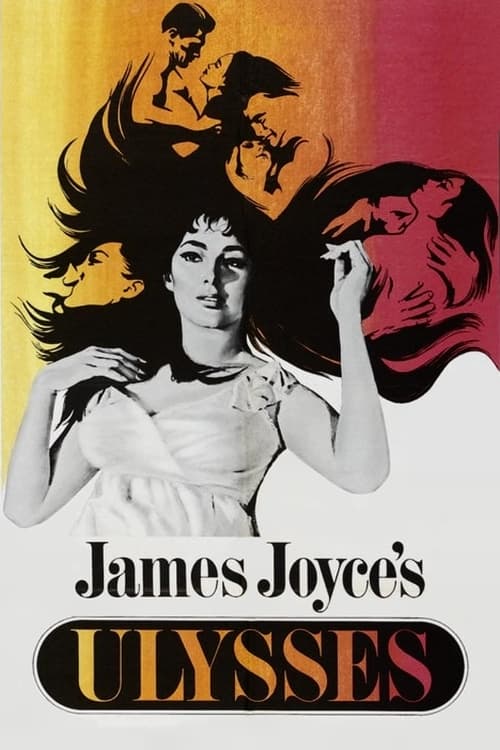
Dublin; June 16, 1904. Stephen Dedalus, who fancies himself as a poet, embarks on a day of wandering about the city during which he finds friendship and a father figure in Leopold Bloom, a middle-aged Jew. Meanwhile, Bloom's day, illuminated by a funeral and an evening of drinking and revelry that stirs paternal feelings toward Stephen, ends with a rapprochement with Molly, his earthy wife.
Ulysses
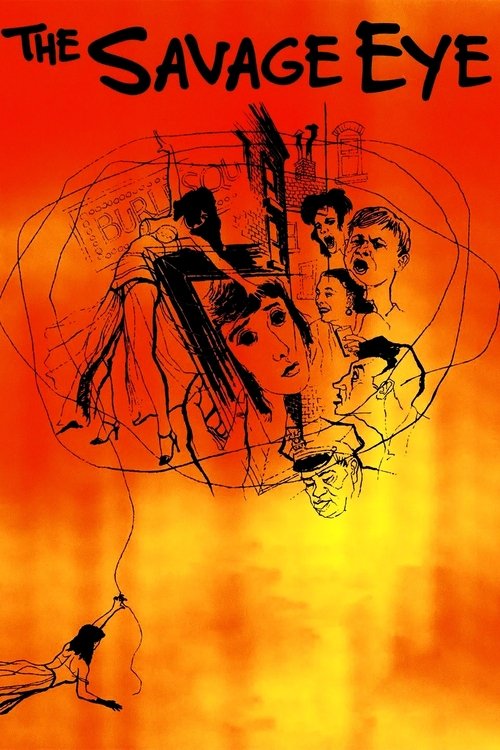
Resentful after an ugly divorce from her unfaithful husband, Judith McGuire moves to Los Angeles. Adrift and detached, she spends her days and nights wandering through her new city, cynically remarking on the hypocrisy, vanity and brutality of the modern world and humanity's alienation from themselves and each other.
The Savage Eye
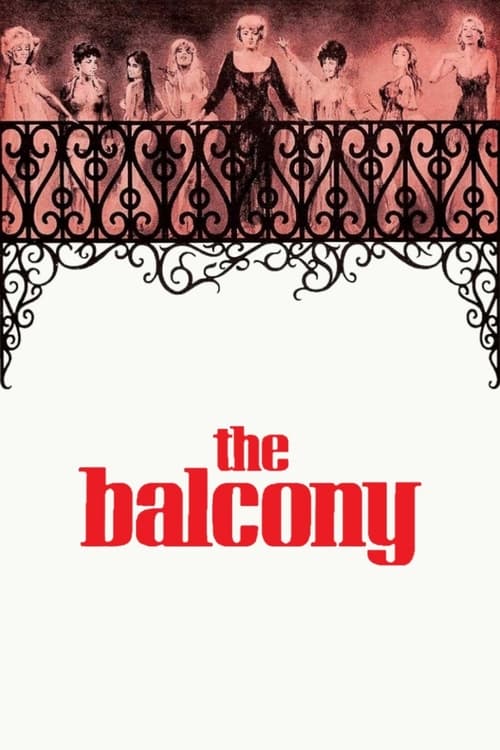
The Madam of a brothel satisfies the erotic fantasies of her customers, while a revolution is sweeping the nation.
The Balcony
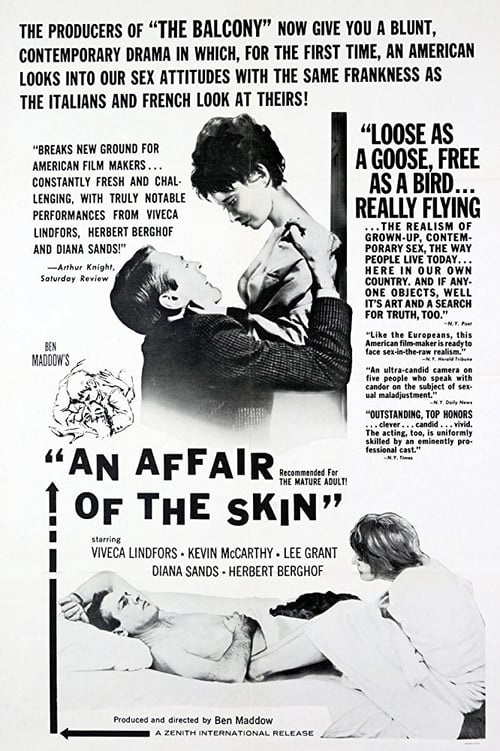
A neurotic woman, her unhappy husband and three other New Yorkers share a complicated relationship.
An Affair of the Skin
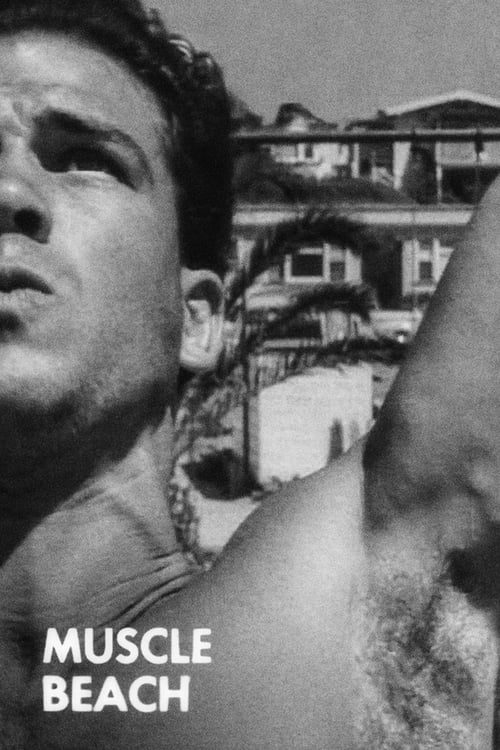
Muscle Beach was shown in competition at Cannes in 1949 and won a prize at the Edinburgh International Film Festival in 1951. The short became a cult favorite, screening at film clubs around the world. Strick used an army surplus movie camera to shoot the film during weekends in the fall of 1948. The songs in “Muscle Beach,” composed and sung by political folk singer Earl Robinson, with lyrics by screenwriter and poet Edwin Rolfe, accent the film’s three-movement structure as it transitions between soaring gymnastics shows, flirty beachgoers and children playing near the now-demolished pier at Ocean Park. Preserved by the Academy Film Archive in 2009.
Muscle Beach
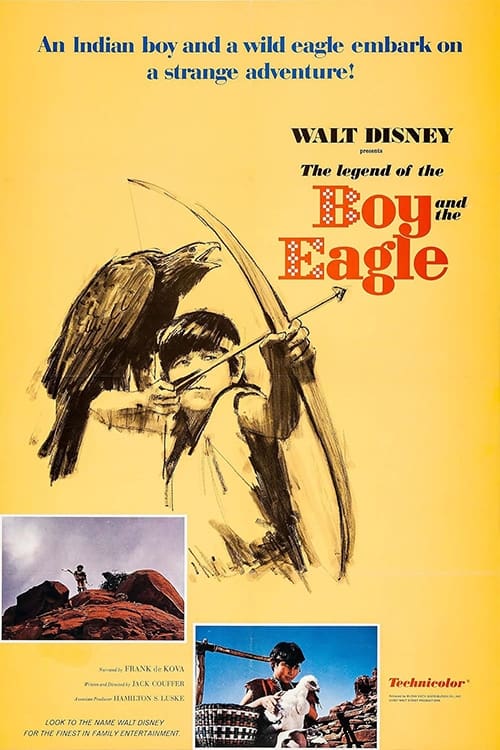
Eagles are the channel to the spirit world for a Hopi Indian boy who defies tribal law and frees a sacred, sacrificial eagle. He is banished from his village to the wilderness, but the eagle teaches him hunting skills and cares for him. He eventually returns, only to be bullied and taunted by the other village boys.
The Legend of the Boy and the Eagle
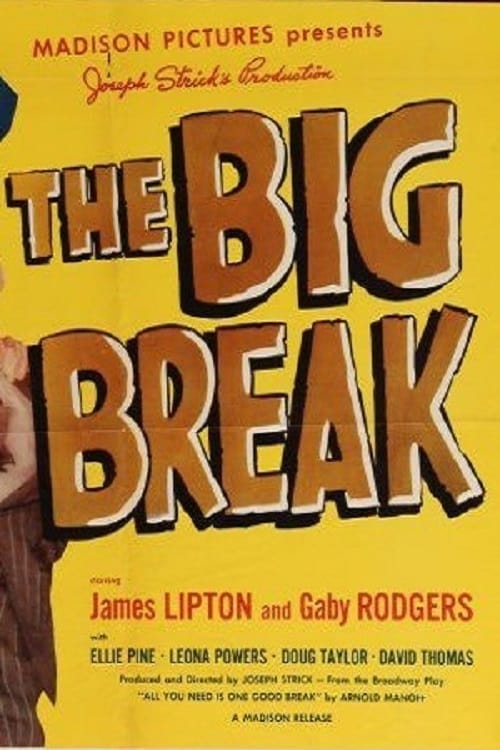
Marty is a shipping clerk in the garment district and a wise guy trying to cut corners and get by on angles, and not very good at it. He meets Helen and decides to change his ways, but lack of patience in slow-progress jobs leads him to become involved with a neighborhood gang.
The Big Break
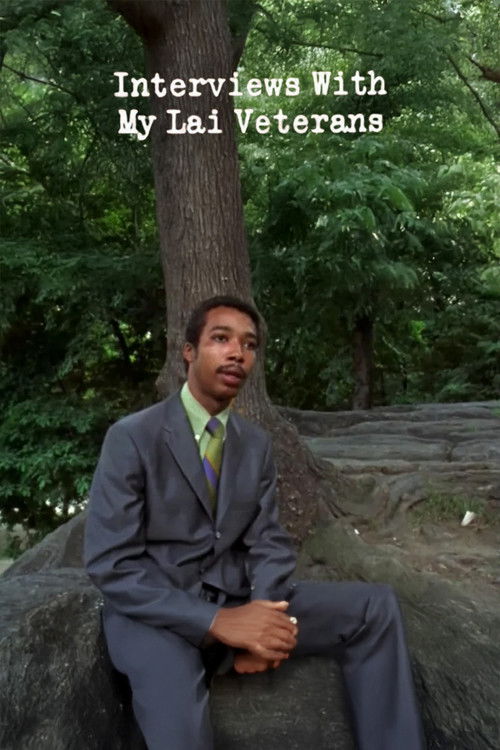
Interviews with five former American soldiers who were present at the March 16, 1968 attack on the village of My Lai during the Vietnam War; they discuss the orders that were issued leading up to the attack, their expectations of what they would find there, and the subsequent massacre of the inhabitants and destruction of the village, as well as possible motivations for the killings and rapes which took place. Preserved by the Academy Film Archive in 2002.
Interviews with My Lai Veterans
A picture of politicians under pressure, shot during the 1966 elections in Britain. The camera goes to meetings up and down the land, with an eye on angry audience excitement. The result, dramatically and cogently edited, suggests the heat, rather than the light of a campaign. It is crammed with offbeat observation and fascinating sidelights on the techniques of leading politicians in combating commotion