Acting
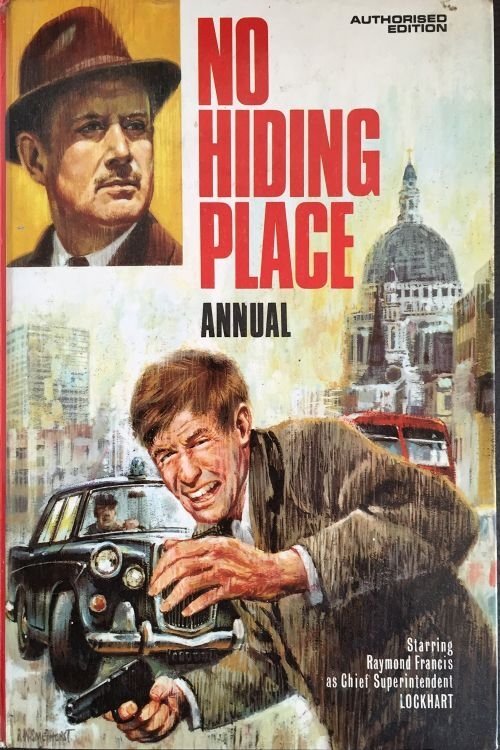
No Hiding Place is a British television series that was produced at Wembley Studios by Associated-Rediffusion for the ITV network between 16 September 1959 and 22 June 1967. It was the sequel to the series Murder Bag and Crime Sheet, all starring Raymond Francis as Detective Superintendent, later Detective Chief Superintendent Tom Lockhart.
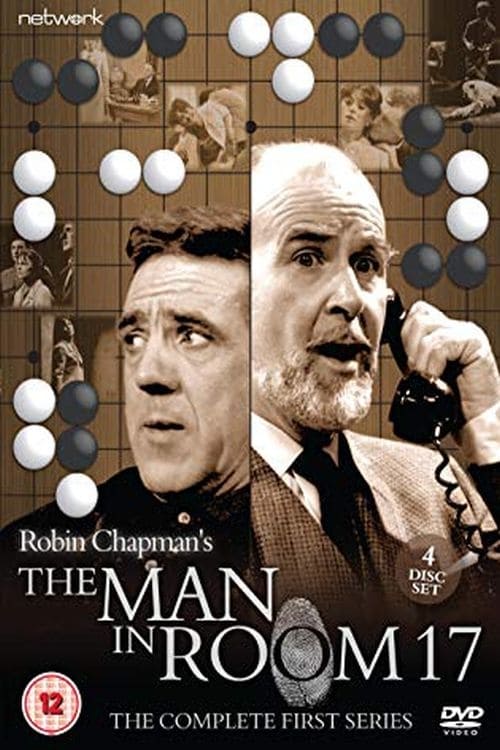
The Man in Room 17 is a British television series which ran for two seasons in the mid-1960s, produced by the Northern ITV franchise, Granada Television. Key to the series' success was the involvement of writer/producer Robin Chapman. The show was set in Room 17 of the Department of Social Research, where former wartime agent-turned-criminologist Edwin Oldenshaw solved difficult police cases through theory and discussions with his assistants. The novelty of the series was that Oldenshaw and his colleagues never needed to leave their office in order to resolve cases, preferring to spend their time playing the Japanese board game of Go. They simply provided their prognosis and left the police to do the cleaning up. Different directors were often appointed to film the Room 17 and outside-world scenes independently, to maintain a sense of distance between the two worlds.
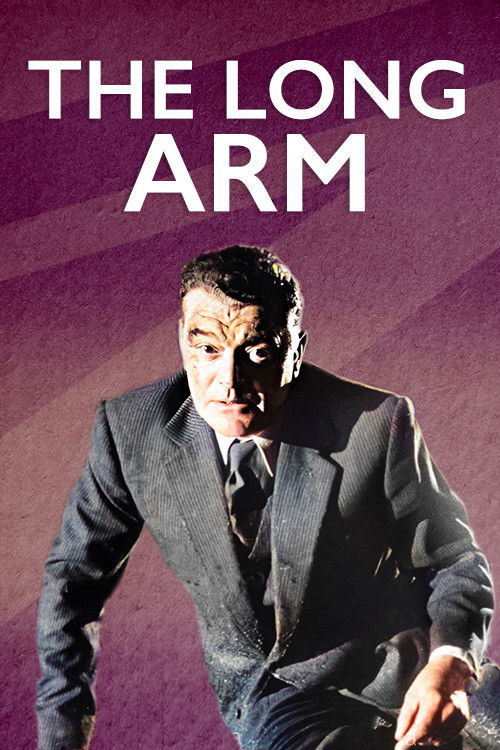
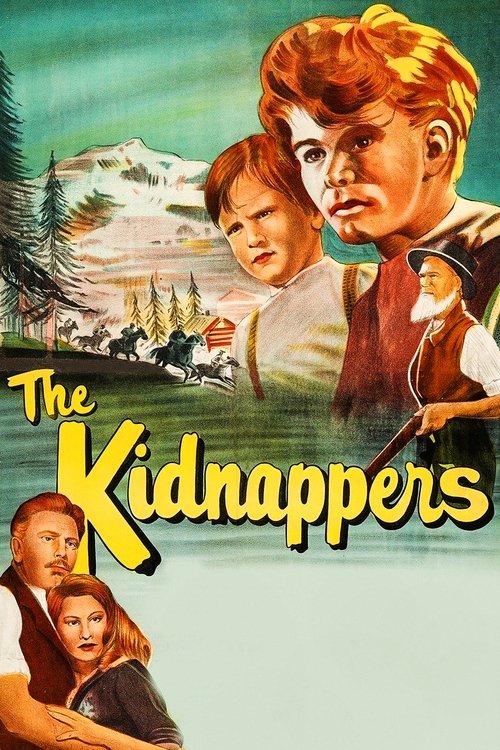
A World War II evacuee returns years later to England and finds his father in prison framed for murder.
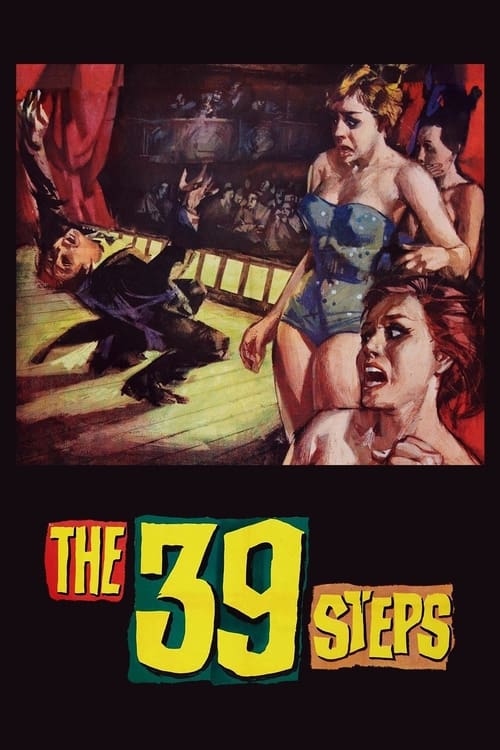
In London, a diplomat accidentally becomes involved in the death of a British agent who's after a spy ring that covets British military secrets.
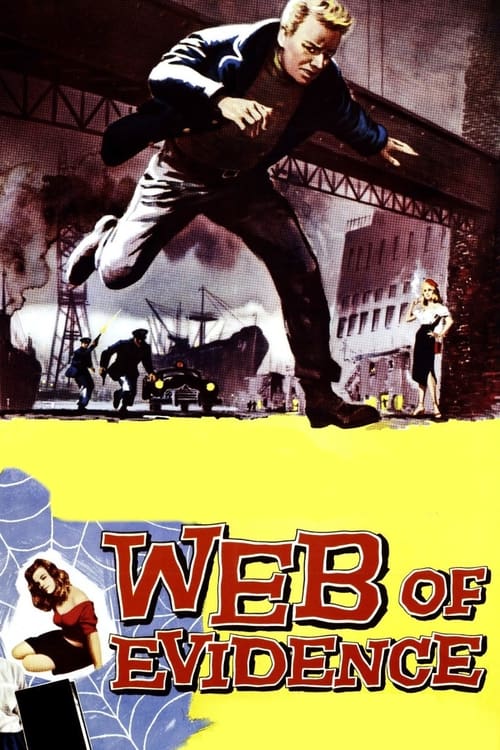
Scotland Yard detectives attempt to solve a spate of safe robberies across England beginning with clues found at the latest burglary in London. The film is notable for using a police procedural style made popular by Ealing in their 1950 film The Blue Lamp. It is known in the US as The Third Key.
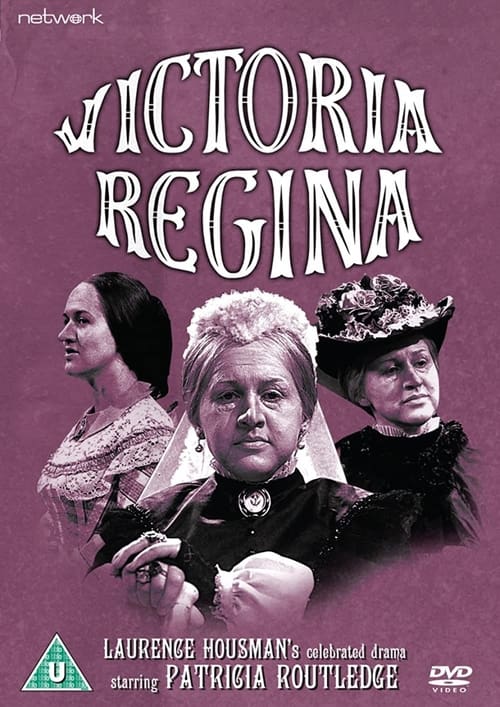
Patricia Routledge gives a career-best performance as Queen Victoria in this 1964 series of plays based on the celebrated collection of dramas by playwright Laurence Housman. Self-willed, obstinate, imperious and passionate... a now-familiar description of one of history's longest-serving female monarchs – but Housman's satirical tribute marked a decisive break with the tradition of the uncritical historical portrait. A Broadway hit deemed too disrespectful for public performance in Britain until the late 1930s, Victoria Regina is a frank portrayal of an extraordinarily complex woman, tracing her development from royal teenager to inconsolable widow at the helm of a vast empire, with all her contradictions, prejudices and unconstitutional behavior.
In Scotland 1865, An old shepherd and his little Skye terrier go to Edinburgh. But when the shepherd dies of pneumonia, the dog remains faithful to his master, refuses to be adopted by anyone, and takes to sleeping on his master's grave in the Greyfriars kirkyard, despite a caretaker with a "no dogs" rule. And when Bobby is taken up for being unlicensed, it's up to the children of Edinburgh and the Lord Provost to decide what's to be done.
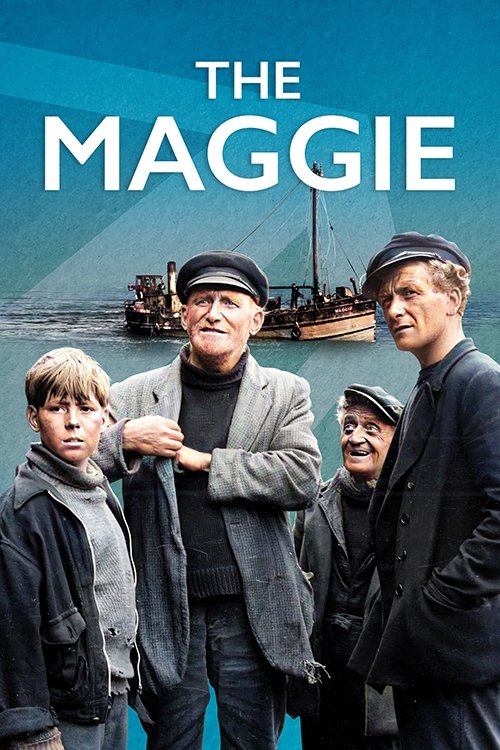
The poor, elderly—and the wily, when it comes to parting those who can afford it from their money—Scottish skipper of a broken-down old 'puffer' boat tricks an American tycoon into paying him to transport his personal cargo. When the tycoon learns of the trick, he attempts to track down the boat and remove his possessions.
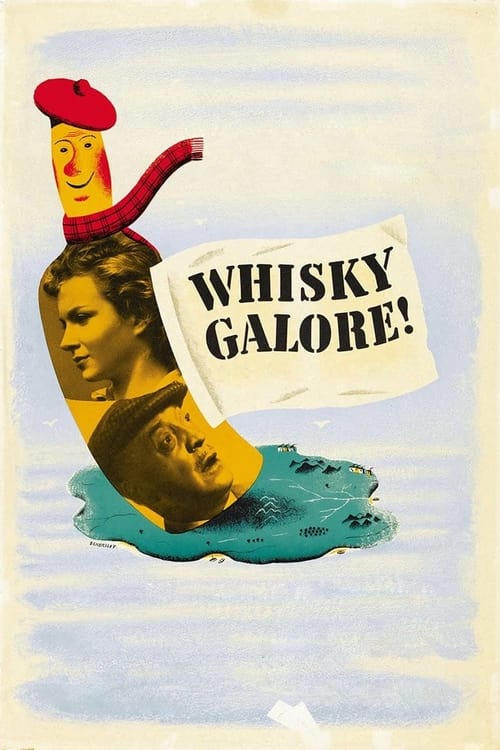
Whisky Galore! is a 1949 British comedy film produced by Ealing Studios, starring Basil Radford, Bruce Seton, Joan Greenwood and Gordon Jackson. It was the directorial debut of Alexander Mackendrick; the screenplay was by Compton Mackenzie, an adaptation of his 1947 novel Whisky Galore, and Angus MacPhail. The story—based on a true event, the running aground of the SS Politician—concerns a shipwreck off a fictional Scottish island, the inhabitants of which have run out of whisky because of wartime rationing. The islanders find out the ship is carrying 50,000 cases of whisky, some of which they salvage, against the opposition of the local Customs and Excise men.
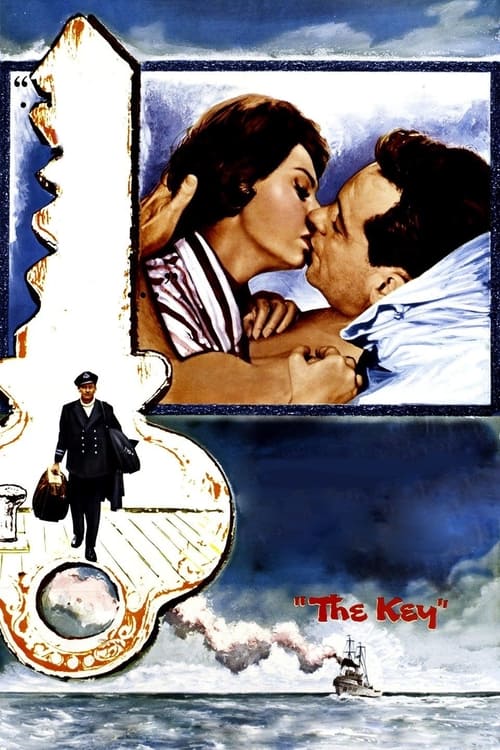
In wartime England, circa 1941, poorly-armed tugs are sent into "U-Boat Alley" to rescue damaged Allied ships. An American named David Ross arrives to captain one of these tugs. He's given a key by a fellow tugboat-man -- a key to an apartment and its pretty female resident. Should something happen to the friend, Ross can use the key.
Following World War II in peacetime Scotland, brigade headquarters replaces commanding officer Major Jock Sinclair, a boisterous battalion leader, with the strict, temperamental Lieutenant Colonel Basil Barrow. Resentful toward his replacement, Sinclair undermines Barrow's authority and damages his successor's reputation among the soldiers. Barrow faces an uphill battle in regaining the discipline and respect of his battalion.
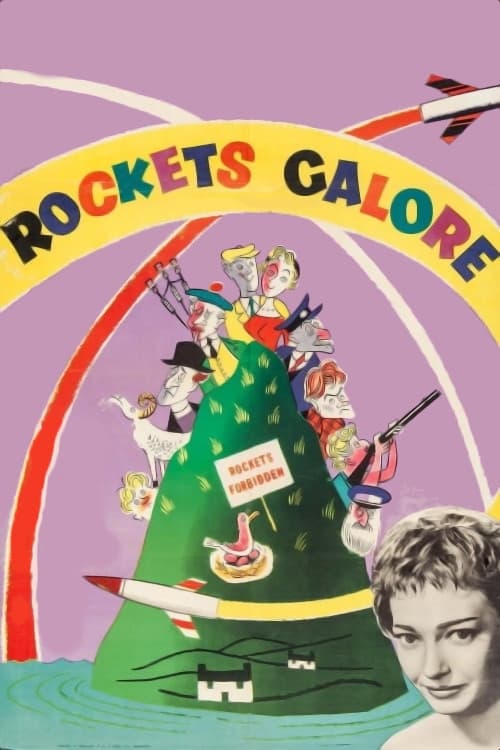
The inhabitants of Todday are content to live their lives in peace and quiet, until, that is, the government decides their little corner of the world would be the perfect place for a rocket launch site.
After losing their father in the Boer War, orphaned brothers Harry and Davy must leave their home in Scotland to live with their grandmother and cantankerous grandfather in Nova Scotia. The boys want nothing more than a pet dog, but their grandfather refuses to get them one. Then, when the brothers find an abandoned baby, they decide to keep it – but the foundling may not have been abandoned after all.
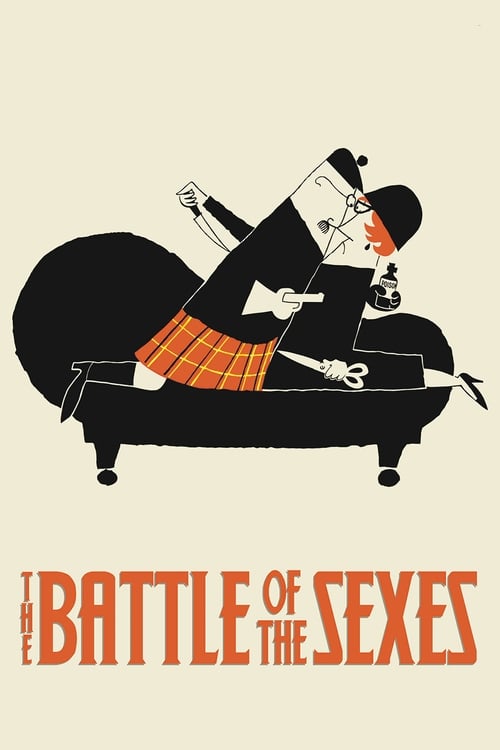
Angela Barrows is a man-eating business woman sent by her American employer to investigate their export opportunities in Edinburgh. En route she meets Robert MacPherson, a businessman who asks for her help to bring his company into the 20th Century. The staff, led by Mr Martin, has other ideas—and a battle between the old and new business methods soon breaks out.
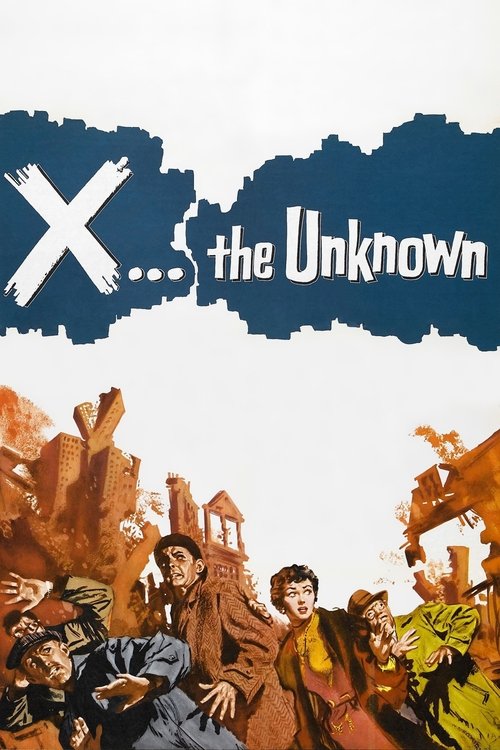
Army radiation experiments awaken a subterranean monster from a fissure that feeds on energy and proceeds to terrorise a remote Scottish village. An American research scientist at a nearby nuclear plant joins with a British investigator to discover why the victims were radioactively burned and why, shortly thereafter, a series of radiation-related incidents are occurring in an ever-growing straight line away from the fissure.
A starchy parliamentary delegation is sent to a remote Scottish Highlands community, where the residents are protesting the poor condition of their road by withholding their taxes, and spend a few days among the locals.
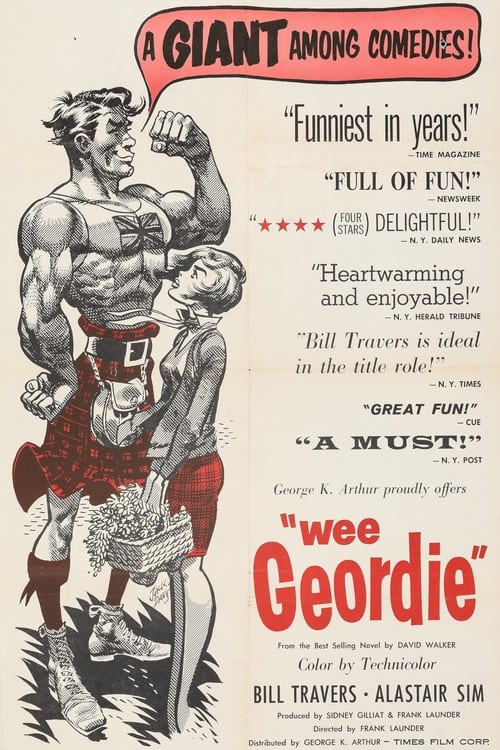
Concerned about his small stature, a young Scottish boy applies for a mail-order body building course, successfully gaining both height and strength. The film was released as "Wee Geordie" in the USA.
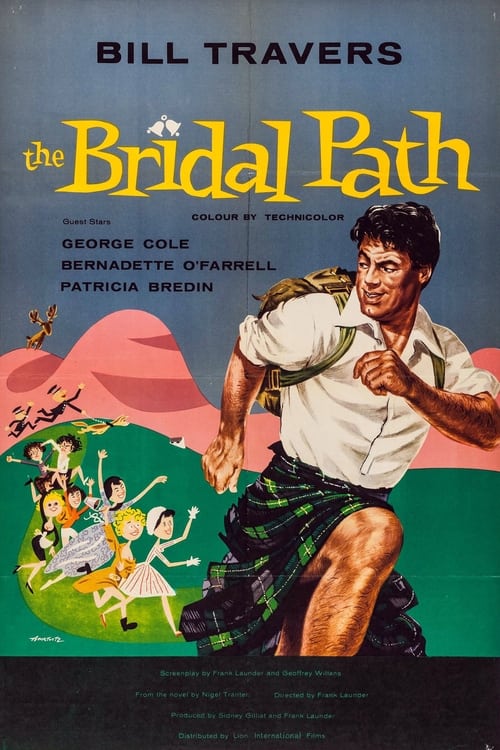
Based on a novel by Nigel Tranter, The Bridal Path is a light-hearted look at the somewhat unfortunate results that can come of the continued marrying of fairly close cousins in a restricted and remote community. Set in the Hebrides off Scotland, the story tells how Ewan MacEwan leaves the isle of Eorsa in search of the perfect wife, but finally returns to marry Katie.
Ibsen wrote An Enemy of the People as a direct response to the public's outcry over his earlier play Ghosts. Channeling his feelings into on Dr. Stockman, whose single voice of reason is drowned out by those with paranoid and ulterior interests, Ibsen had no qualms remarking on the irrational nature of the masses and the corrupt political systems which encourage them.
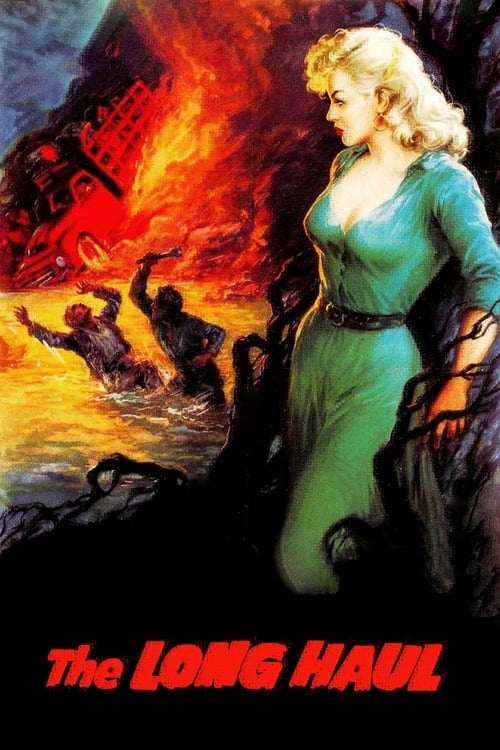
An American ex-GI takes a job as a truck driver to support his British war bride Connie. It isn't long, however, before Harry is blackmailed into joining a smuggling operation run by a conniving criminal.