Acting
No description available.
Every evening at 6:45 p.m. sharp, a prominent guest takes a seat on the red sofa—and DAS! provides daily updates on what's hot in the north.
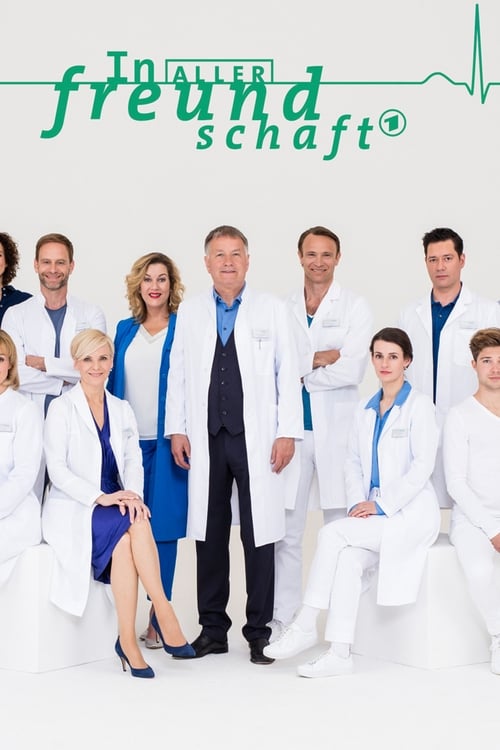
German soap opera about the staff of the fictional hospital "Sachsenklinik" in the city of Leipzig.
Polizeiruf 110 is a long-running German language detective television series. The first episode was broadcast 27 June 1971 in the German Democratic Republic, and after the dissolution of Fernsehen der DDR the series was picked up by ARD. It was originally created as a counterpart to the West German series Tatort, and quickly became a public favorite.
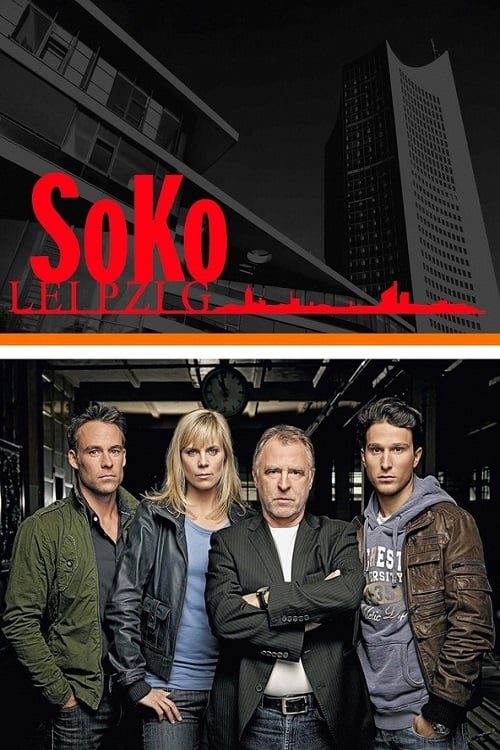
SOKO Leipzig is a German police procedural television programme, a spin-off of the earlier German police programme SOKO 5113. It was first broadcast on 31 January 2001, on German television channel ZDF. On 12 November 2008, the first part of a two-part crossover between SOKO Leipzig and British police procedural The Bill was aired, with the same version being shown on both ZDF and British television channel ITV1.
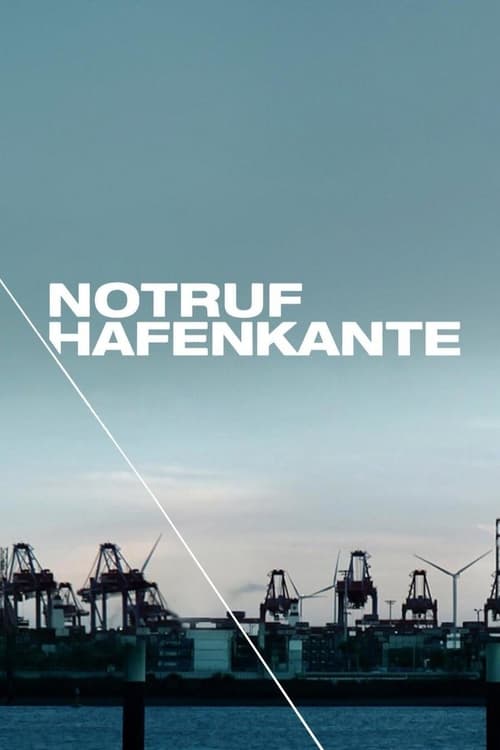
Shows the interaction between Hamburg police officers and paramedics.
Dr. Sommerfeld – Neues vom Bülowbogen is a German television series.
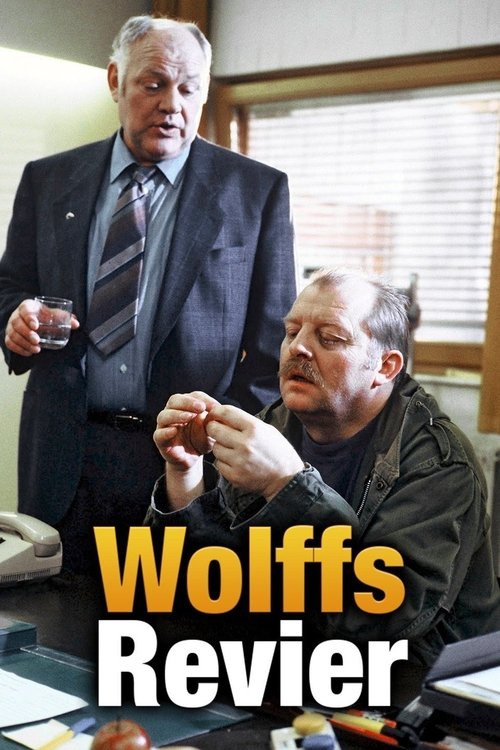
Wolffs Revier is a German television series.
The exciting stories about the cheeky chimpanzee Charly, who finds a new home with a Berlin vet family.
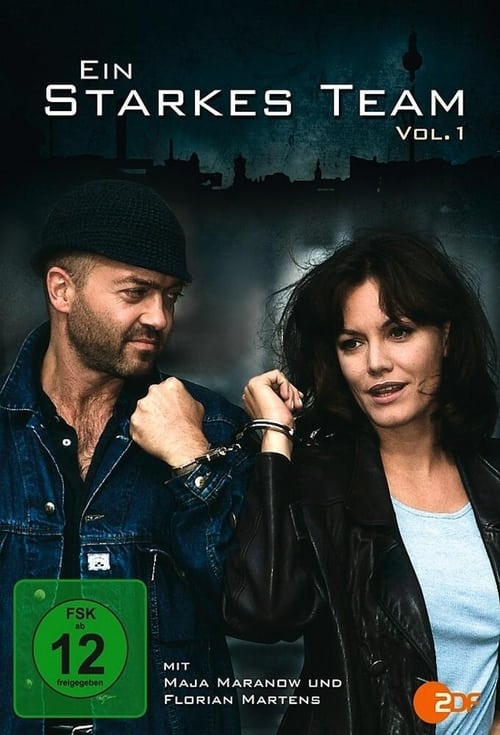
The unlikely police pair Verena Berthold and Otto Garber are part of a special task force investigating organized crime in Berlin. He comes from the east, she from the west of Berlin. He's a redneck, she's from a better background. This causes conflict. Over time, things start to sizzle between the two. Their team includes the agile German-Turkish Yücsel and the sluggish Georg, who, like Verena and Otto, are constantly bickering. The department manager is Lothar Reddemann. Sputnik is a former colleague of Otto's from the People's Police and is constantly coming up with new business ideas for stores and pubs where the team meets.
The show was meant to compete with those on West German television. To this end it was fairly successful even attracting a following in parts of West Germany which could receive Eastern TV. Its production values were high. Apart from song and dance numbers and appearances from East German celebrities, almost every broadcast featured well-known stars from the west, often after their popularity had peaked in their home countries.