FEEL IT.STREAM
Louis Arbessier

Louis Arbessier

Acting

Biography

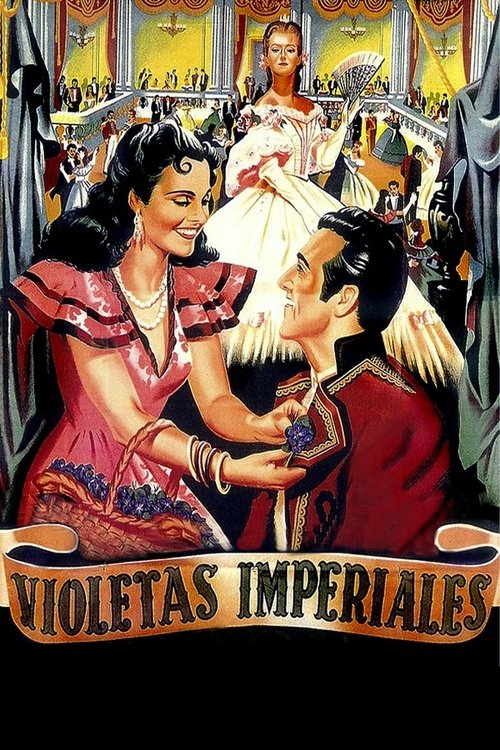
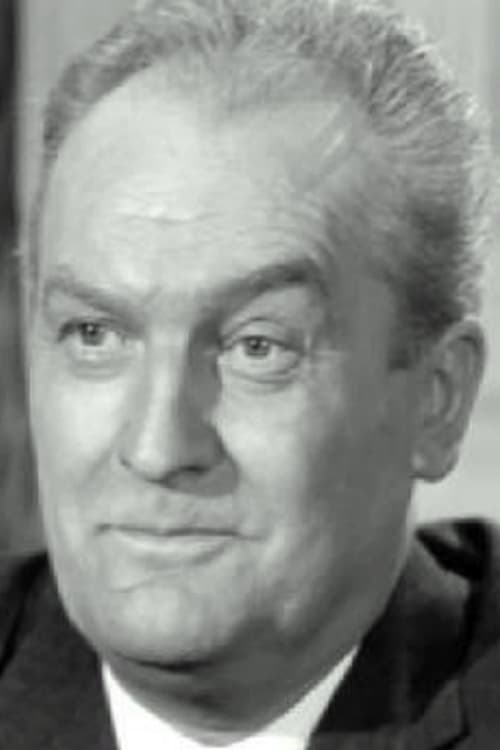
Louis Arbessier (9 April 1907 – 23 March 1998) was a French film and television actor. He played Napoleon III in the 1952 musical film Imperial Violets. Amongst his television roles was that of Maigret. Arbessier was married and divorced four times, and had four children born between 1929 and 1964. His youngest son, Arnaud (born 1964), is a professional voice actor. Source: Article "Louis Arbessier" from Wikipedia in English, licensed under CC-BY-SA.
Known For

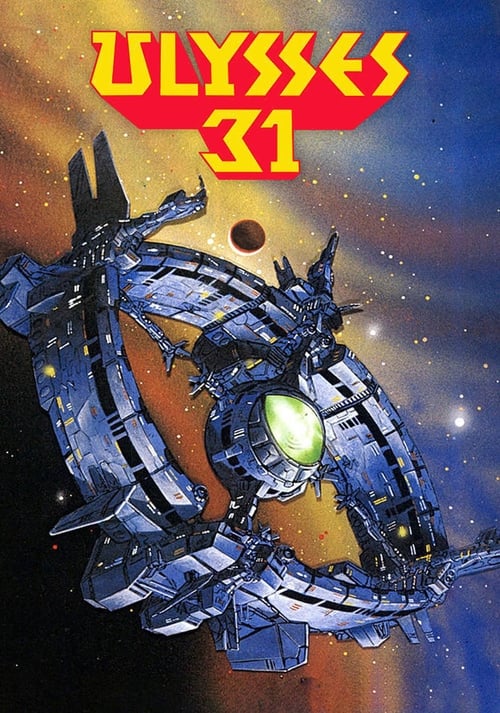
Ulysses 31
8.0

Ulysses and his crew struggle against the divine entities that rule the universe, the ancient gods from Greek mythology.

Ulysses 31

1981
Spartakus and the Sun Beneath the Sea
8.0

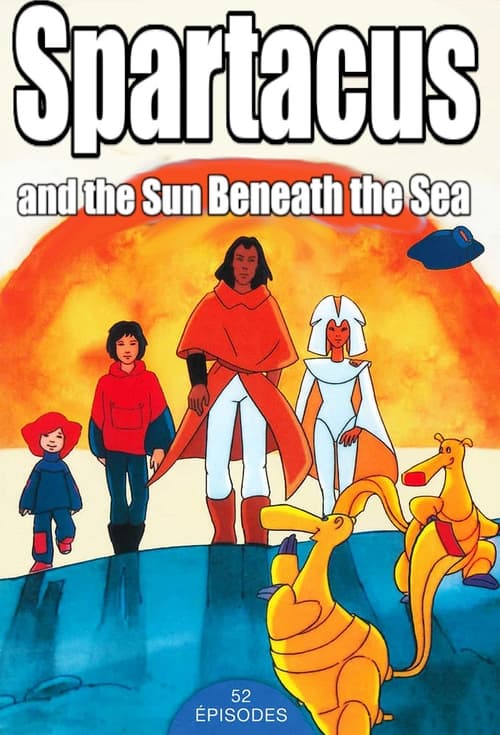
The Arkadians are a civilization that survived a great cataclysm and moved to the center of the earth, thriving under the power of their artificial sun, The Tehra, until one day it began to fail. In desperation, the Arkadians broke the ancient law and entered the Forbidden Archives to search for an answer. They used their special powers and created a messenger to the people above, naming her Arkana. She meets up with Matt and Rebecca, two ordinary kids from the surface world, Bic and Bac, two strange anteaters from Arkadia, and Spartakus, a mysterious warrior. Together they search the worlds of the strata for a way to save a people and possibly the world.

Spartakus and the Sun Beneath the Sea

1985
Arsène Lupin
7.8

Arsène Lupin is a French TV show which was co-produced with German, Canadian, Belgian, Dutch, Swiss, Italian and Austrian TV stations. It was only loosely based on Maurice Leblancs novels. Georges Descrières' portrayal of Arsène Lupin showed more similarity to Graf Yoster than to Maurice Leblanc's original. He behaved in the first place as a perfect gentleman who never got angry. He was always relaxed, because whatever could possibly had bothered him in daily life was taken care of by his butler. It wasn't questioned how he had come to his financial independence although the series sometimes discreetly implied that he was a professional criminal. Besides rescuing damsels in distress Lupin took on criminals, competing with their wit and intelligence. Either he stole paintings from rich people who had to be considered white-collar criminals or he acted as a detective who derailed criminal schemes. However, when he was attacked, he could defend himself effortlessly by using elegant jujutsu methods. Among the guest stars were German actors such as Günter Strack and Sky du Mont. Jean-Paul Salomé said in his commentary on the DVD version of his film Arsène Lupin he had like this series as a child. German TV, one the investors, would broadcast the show eventually between 18:00-20:00 o'clock because it was only allowed to show commercials within that very timeslot. For them to get a financial return on investment the show had to be appropriate for families and also for children who would watch it alone. Subsequently it was nearby to ask to defuse and flatten some of Leblanc's plots in order to avoid possible complaints that could force the station to broadcast the show beyond the "Vorabendprogramm".

Arsène Lupin

1971
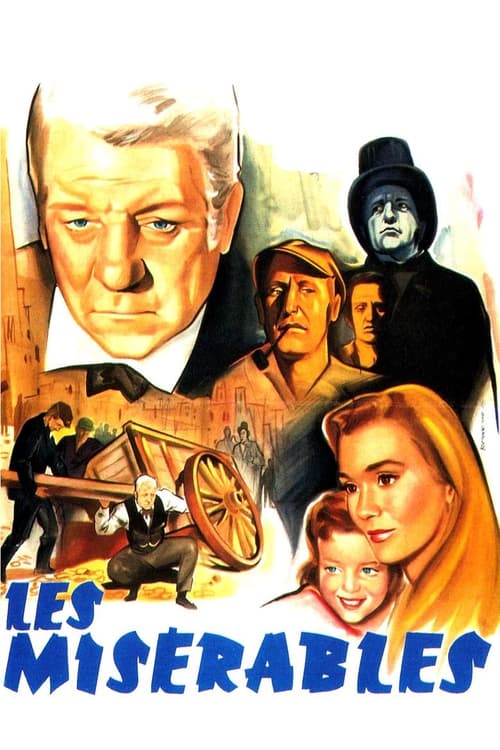
Les Misérables
7.2

In 19th century France, Jean Valjean, a man imprisoned for stealing bread, must flee a relentless policeman named Javert. The pursuit consumes both men's lives, and soon Valjean finds himself in the midst of the student revolutions in France.

Les Misérables

1958
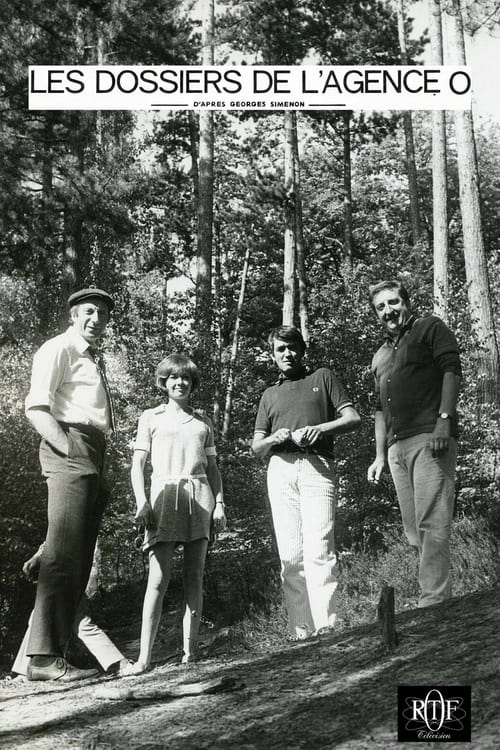
Les Dossiers de l'Agence O
10.0

L’Agence O is a famous Parisian private detective firm. Its premises are located in the Passage Choiseul. In front, Torrence leads the shop. In fact, the agency's team is complemented by Émilie le Roux, Mademoiselle Berthe and Barbet, who scrutinize clients through a one-way mirror located behind the desk. Getting hold of a man disguised as an old lady, solving the mystery of the Prisoner of Lagny or discovering who is blackmailing the painter Tigrane Alban does not worry the experts at the O Agency. Les Dossiers de l’Agence O is a French-Canadian television series in thirteen episodes of approximately 55 minutes created by Marc Simenon and broadcast first in Quebec from December 14, 1967 to March 13, 1968 on Télévision de Radio-Canada, then in France from March 11 to June 3, 1968 on the first channel of the ORTF.

Les Dossiers de l'Agence O

1968
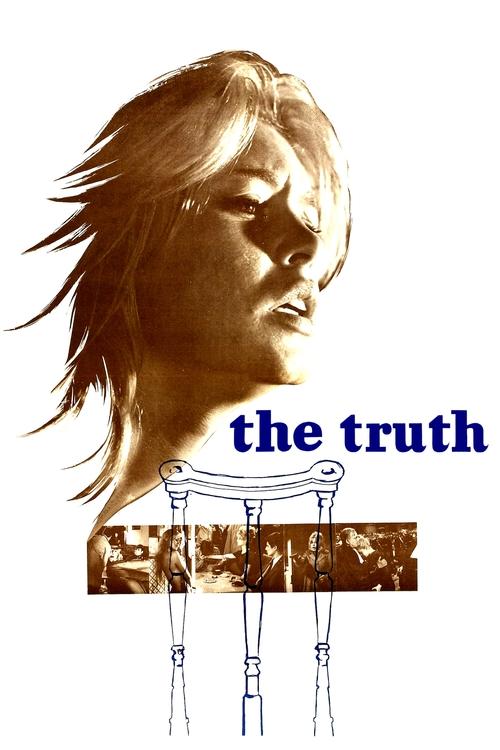
The Truth
7.6

As Dominique Marceau is being tried for the murder of Gilbert Tellier, accounts by different witnesses paint a picture of the kind of relationship the two used to share.

The Truth

1960
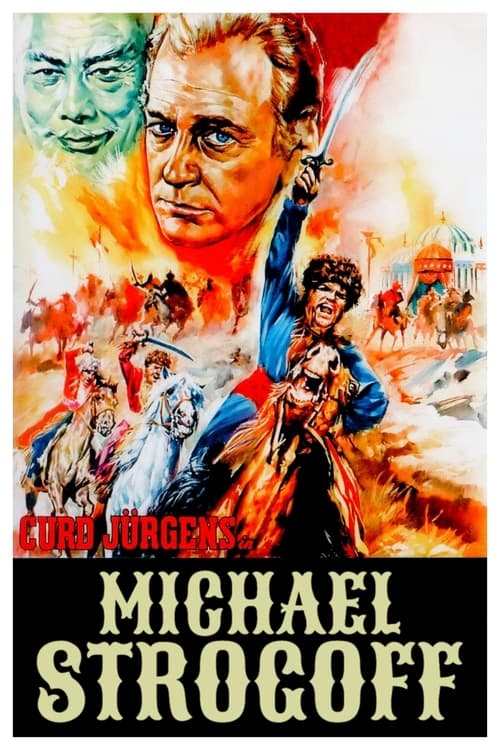
Michael Strogoff
6.3

When Emir Feofar Khan, leader of the Tartar hordes, takes up arms and invades the steppes of Eastern Siberia, Czar Alexander II of Russia entrusts the brave officer Michael Strogoff with a dangerous mission.

Michael Strogoff

1956
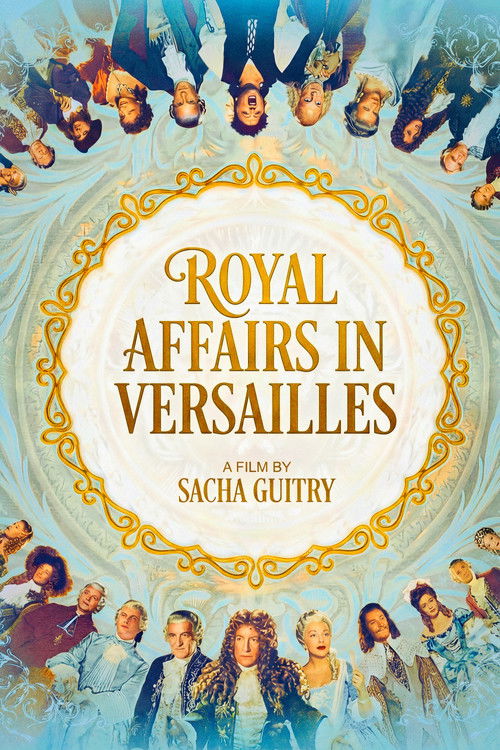
Royal Affairs in Versailles
6.7

Witty narration follows the history of Versailles Palace; founded by Louis XIII, enlarged by autocratic Louis XIV, whose personal affairs and amours, and those of his two successors, are followed in more detail to the start of the Revolution, after which the story is brought rapidly up to date. A huge cast plays mainly historical persons who appear briefly.

Royal Affairs in Versailles

1953
L'Âne Culotte
9.0

No description available.

L'Âne Culotte

1967
Illusions perdues
7.0

1819, Angouleme, France, a young ambitious poet, Lucien Chardon is introduced in the salon of Mme de Bargeton where meets the high society of the city. Lucien dreams of going to Paris to conquer the glory. But if Paris is the city where he can find fame, it is also that of great disappointments.

Illusions perdues

1966
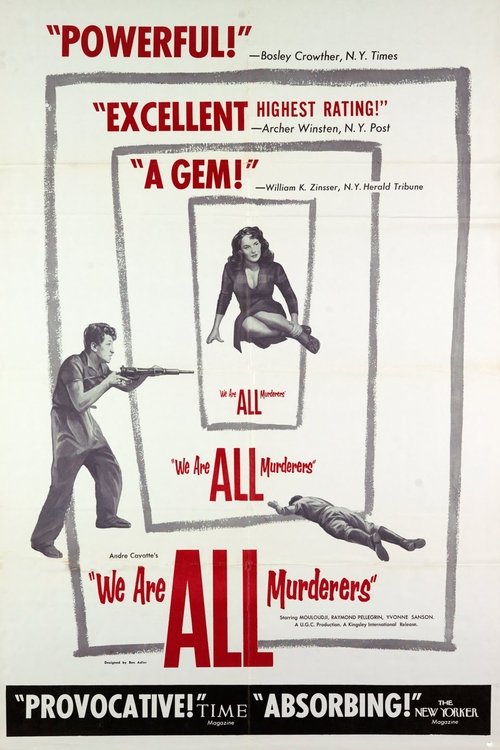
We Are All Murderers
6.7

Originally titled Nous Sommes Tout des Assassins, We Are All Murderers was directed by Andre Cayette, a former lawyer who detested France's execution system. Charles Spaak's screenplay makes no attempt to launder the four principal characters (Marcel Mouloudji, Raymond Pellegrin, Antoinine Balpetre, Julien Verdeir): never mind the motivations, these are all hardened murderers. Still, the film condemns the sadistic ritual through which these four men are brought to the guillotine. In France, the policy is to never tell the condemned man when the execution will occur--and then to show up without warning and drag the victim kicking and screaming to his doom, without any opportunity to make peace with himself or his Maker. By the end of this harrowing film, the audience feels as dehumanized as the four "protagonists." We Are All Murderers was roundly roasted by the French law enforcement establishment, but it won a special jury prize at the 1952 Cannes Film Festival.

We Are All Murderers

1952
The Three Musketeers
6.4

The umpteenth adaptation of Dumas' novel finds d'Artagnan and his friends promoting the love affairs of Anne of Austria and the Duke of Buckingham, incurring the wrath of the Cardinal and exposing themselves to the cold cruelty of Milady de Winter. Also featured are the tender Mme Bonacieux, the hilarious Planchet, the Queen's ferrets and Bethune's executioner, against a backdrop of clanging swords.

The Three Musketeers

1953
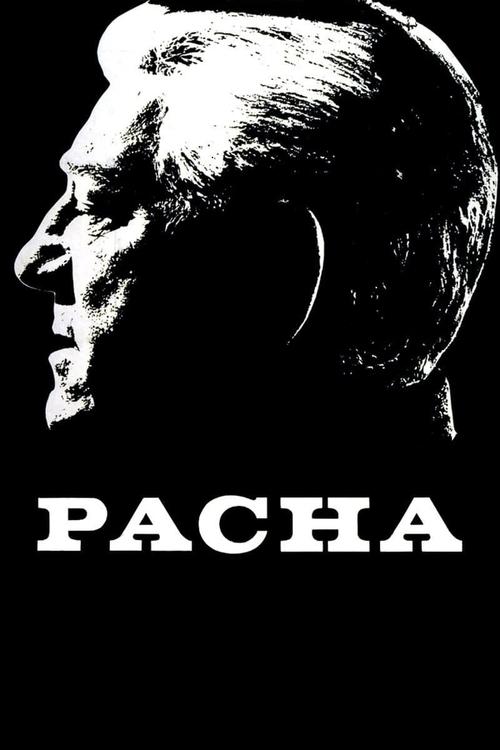
Pasha
6.7

Six months before his retirement from the criminal police, inspector Joss finds his colleague Gouvion dead, in a poorly faked suicide attempt. Joss loses his temper, and investigates on his own, which leads him through the bas-fond of Paris...

Pasha

1968
The Dirty Game
6.0

A U.S. intelligence general recalls three Cold War cases of Soviet, French and Italian spies.

The Dirty Game

1965
Charlotte
4.0

Starting as an investigation, the film begins with the discovery of a murdered young woman. Gradually we go back in time to realize that this crime is altogether the logical continuation of a philosophy of life where neither sex nor death are taboo, and where a lust for pushing limits meets it ultimate conclusion.

Charlotte

1974
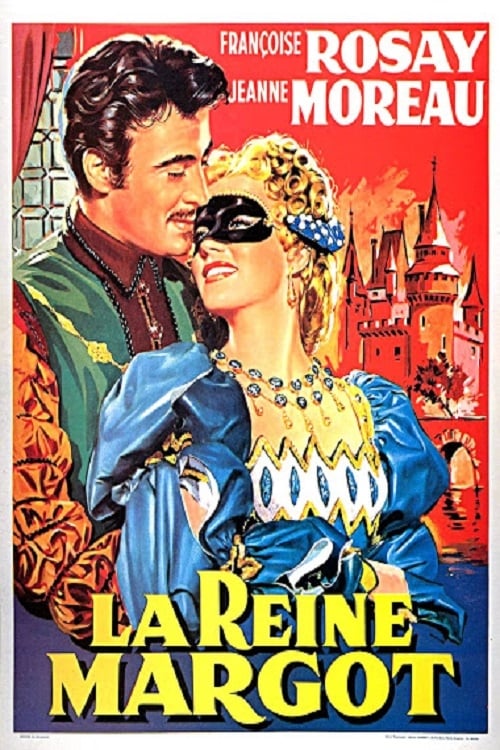
Queen Margot
7.1

Marguerite de Valois, daughter of Catherine de Médicis, celebrates her wedding with Henri de Navarre. Officially, it's a rapprochement between the League and the Huguenots. In fact, it was an opportunity to bring all the Huguenots to Paris and kill them all at once. King Charles IX fails in his attempt on Coligny's life. Queen Margot tries to save her husband from the St. Bartholomew's Day massacre by preventing the annulment of his marriage, forcing Henri to share her bed. Two knights from opposing camps are wounded and, saved în extremis, are hidden together by the queen and her cousin. Margot falls in love with one of them, but has to run to warn her husband of a new attack...

Queen Margot

1954
Under the Sign of the Bull
6.5

Albert is an eccentric inventor of missiles who comes under fire from his investors when his first prototype explodes. Even his sympathetic mistress has her doubts, as Albert lashes out in a verbal tirade condemning those of little faith in his genius.

Under the Sign of the Bull

1969
Blood on His Sword
5.9

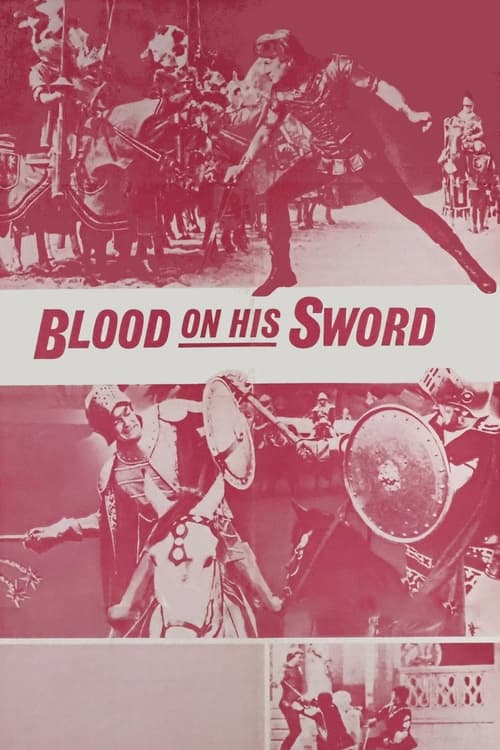
Charles le Temeraire asks in marriage Jeanne de Beauvais, daughter of King Louis XI, wishing to get her valuable lands in dowry. The King is wise to this, and since his daughter does not feel inclined to accept, he refuses. Charles sets up a plan to abduct the prince, in a way that the suspicions will fall upon Robert de Neuville, a noble enamoured of the princess. Robert manages to free her from the castle where she was being kept. Charles keeps setting traps, and managing people to perjure against Jeanne, and the King himself. Finally, Jeanne escapes alive from a pack of wolves, who set watching the lady alone in the snow covered woods, instead of attacking her. Charles does yet accuse her of being a witch - wishing to have her dead rather than being the wife of Robert... Robert will be her champion in a Judgement of God. Will the 'miracle of the wolfs' repeat itself, or fearless Charles defeat Robert in the sword duel?

Blood on His Sword

1961
Les Violents
5.2

Pierre Tercelin who used to be a prosperous industrialist is now ruined and embittered, having become a mere lock keeper. A widower, he lives with his daughter Evelyne, a music-hall dancer. Claiming he is being persecuted by his cousin Edgar he gets in touch again with another cousin of his he hates, Bernard, a millionaire gun runner,who is also a victim of Edgar. It must be said that both Pierre and Bernard once caused Edgar to go bankrupt... Pierre offers Bernard to join efforts against Edgar. Soon after, Bernard dies of poison, which is only the first of a series of acts of violence. Tiercelin is shot at while going back home, Bernard's son is gunned down while his sister Luciane disappears. Chief-inspector Malouvier - who oddly enough looks very much like the suspect- investigates....

Les Violents

1958
The President
7.3

At 73, a former President of the French Council reflects on his political career while writing his memoirs, delving into his relationships with key figures, including the one set to become the next President.

The President

1961