Acting
The show was meant to compete with those on West German television. To this end it was fairly successful even attracting a following in parts of West Germany which could receive Eastern TV. Its production values were high. Apart from song and dance numbers and appearances from East German celebrities, almost every broadcast featured well-known stars from the west, often after their popularity had peaked in their home countries.
No description available.
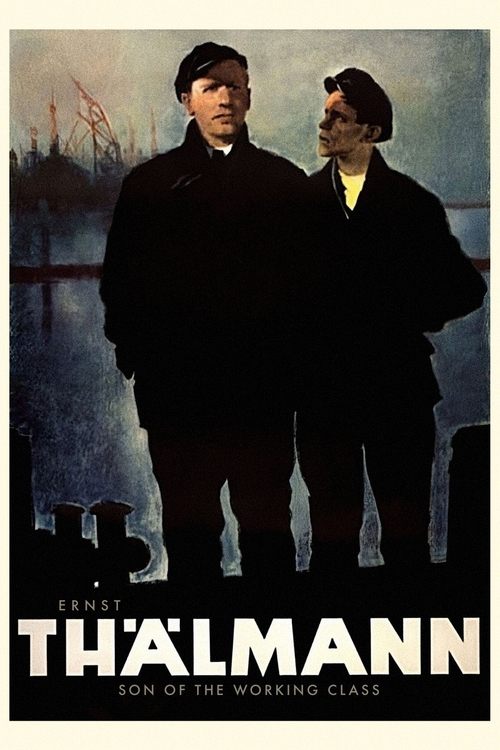
This film is the first of a two-part historical and biographical portrait of the communist politician and anti-fascist Ernst Thälmann. In early November 1918, Ernst Thälmann is an unwilling soldier serving on the western front. As the revolutionary movement at home is threatened by the betrayal of the Social Democrats and fissures in the working class, Thälmann calls on his fellow soldiers to put down their weapons and unite with the workers in the communist struggle at home. Thälmann’s qualms about which side he is fighting on continue, but when the local police attempt to prevent a shipment of provisions and supplies from reaching the people in Petrograd, he intervenes and the ship is unloaded. With this moment of clarity, Thälmann continues to follow his political convictions and joins the workers at the Hamburg uprising in October 1923.
The two computer specialists Frank and Kamminke are not the type of citizens the party likes. Thus they are sent to the landscape where they still find enough stuff to do: They repair the software of a western type factory which is currently not working.
Young lovers Hero and Claudio, soon to wed, conspire to get verbal sparring partners and confirmed singles Benedick and Beatrice to wed as well.
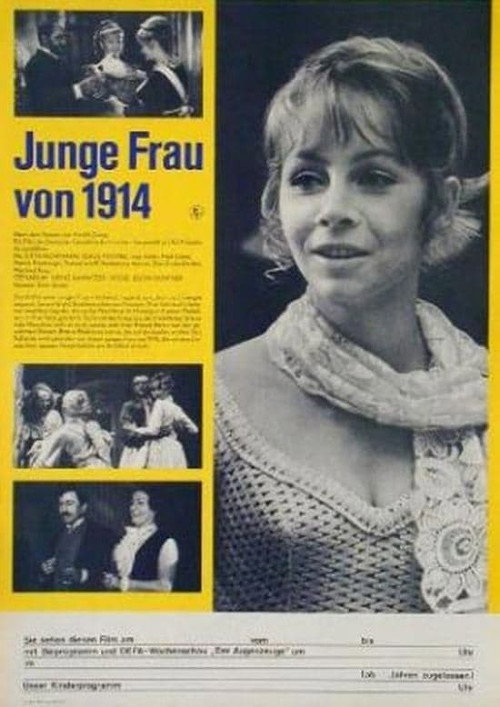
In 1914 Berlin, bank heiress Leonore Wahl and struggling Munich student Werner Bertin fall passionately in love, defying class and her parents’ expectations. Their idyll is shattered by the outbreak of WWI: Werner, swept up in patriotic fervor, is conscripted to the Western Front, while Leonore, pregnant and abandoned, faces her family’s condemnation and a clandestine abortion. Set against the tumult of war, the film explores idealism, social divides, and the personal costs of duty and desire.
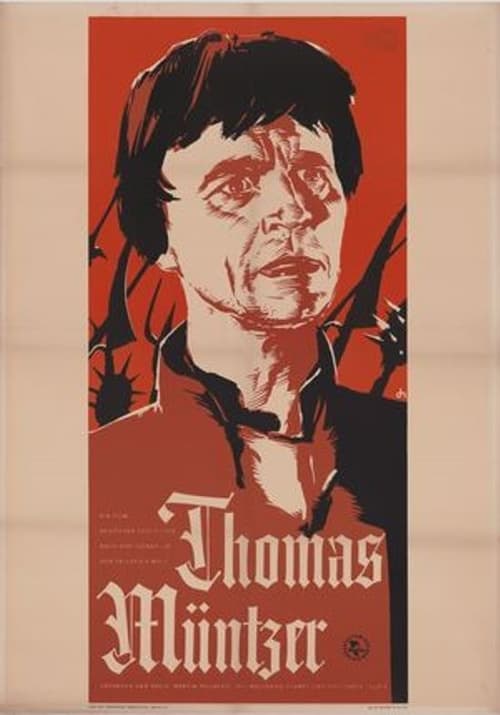
In 1523, young Thomas Müntzer arrives with his wife Ottilie in the Thuringian village Allstedt to assume the rectorate. As a follower of Luther′s teachings, he finds in the Bible not only reasons for clerical, but also for secular reforms. But when Luther turns away from the rural population after a discord with Müntzer, it is Müntzer who becomes the peoples′ spokesman. He is forced to go to Southern Germany, where he convenes with revolting farmers. But his way leads him back to Thuringia. In 1525, he and Heinrich Pfeiffer form the centre of the Thuringian peasant uprising in Mühlhausen, but their success is diminished by the fact that peasants and craftsmen don′t seem to be able to work together. In Frankenhausen, Müntzer becomes the leader of a peasants′ army that is set to fighting the ruler′s army – and sustains a devastating loss. Müntzer is arrested and sentenced to death by decapitation for his insurgency.
Victory and demise of the first proletarian dictatorship in the history of mankind, about the struggling, bleeding workers of Paris who enthusiastically defend their historical initiative. The little Cabet family from Rue Pigalle and their friends let the spectator participate in the action.
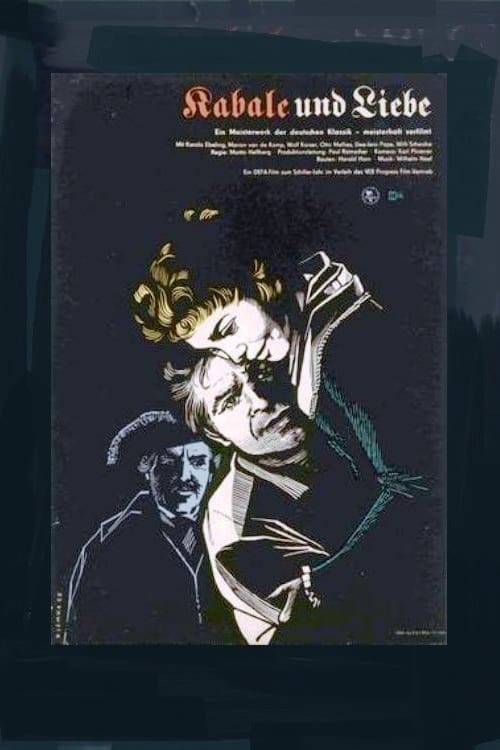
Ferdinand is an army major and son of President von Walter, while Luise Miller is the daughter of a middle-class musician. They fall in love with each other, but both their fathers urge them to end the affair.
In the mid-1950s, mayor Zwischenzahl is killed on the day of his inauguration in a West German town. The killer is Ruth Bodenheim, a Jewish woman, who wanted to avenge the death of her parents. Zwischenzahl, a former SA member, was apparently involved in the deportation of her parents to a concentration camp during the war. Ruth cannot bear the horrible events and the death of her parents and wants to open the eyes of the town′s residents.
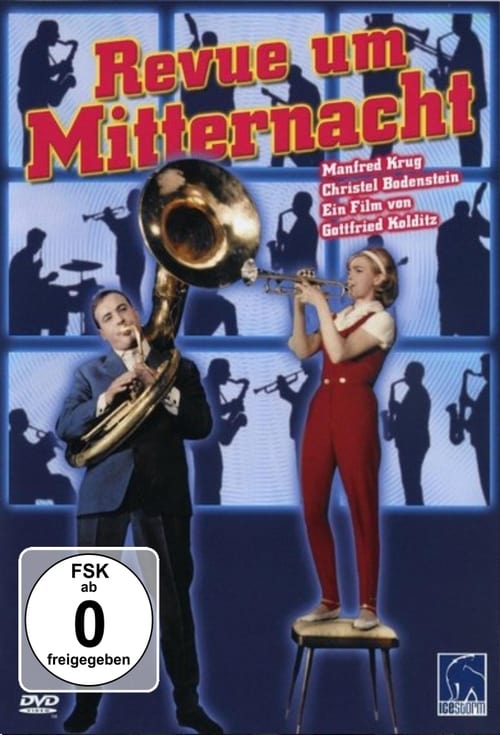
Despite the fact that production manager Kruse doesn't have the actors or the crew for the job, he recklessly boasts that he could direct a revue film. To prevent him losing face, Kruse brings together four people - a dramaturg, a composer, a writer and an architect - and gives them the thankless task of turning his idea into a film. Except for the relatively unknown composer Alexander Ritter, who is enthusiastically committed to the project, the other members of the team find themselves stuck in this mess.
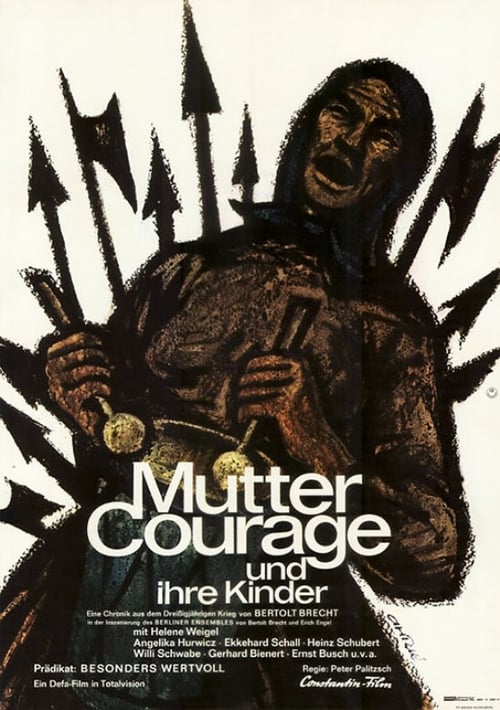
During the Thirty Years' War, the camp-follower Anna Fierling, called "Mother Courage", travels the length and breadth of Europe with her covered wagon. She does not care if it's Catholics or Protestants she trades with as long as business thrives. She loses her three children as a result of the war: bold and spirited Eilif, sincere and upright Swiss Cheese and mute Katrin, who saves the children of Halle by beating a drum on a farmstead roof In wartime, the Fierling children's virtues prove to be deadly. Yet, Mother Courage, remains incorrigible. She will not have anyone "spoil the war" for her and so sets out once more after the soldiers with her wagon.
Ewald Honig can't break his bad habit. Hardly has he crossed over into the GDR when the strapping, well-built man in his late fifties once again starts courting ladies with fraudulent intentions. His daughter Ina, burdened with the same genes, specializes in married men in their prime. Two criminologists are on the Honigs' trail, but they soon have enough to handle just dealing with each other. Meanwhile, Honig and his daughter have left their wayward path of their own accord.
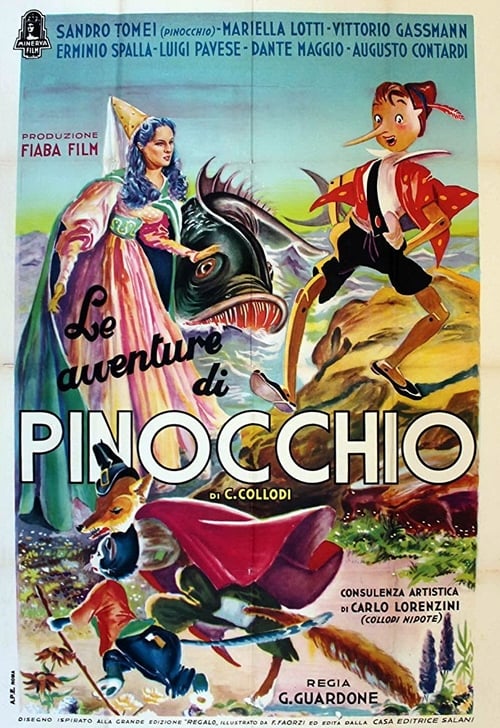
This is an Italian live action film with Alessandro Tomei as Pinocchio.
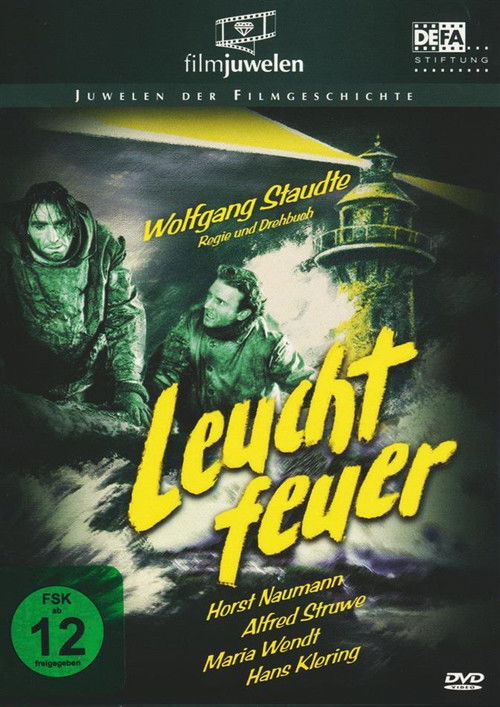
On a barren and stormy island, fishing families eke out a meager existence on what they can catch during summer, and what washes ashore during winter. But little has been washing ashore of late, and their situation worsens. Elders recall how twenty years ago, when the lighthouse keeper’s beacon went dark, a cargo ship broke apart on the cliffs. It proved a bountiful accident for the fishermen. Today people on the island view the conscientious lighthouse keepers with evil hungry eyes...
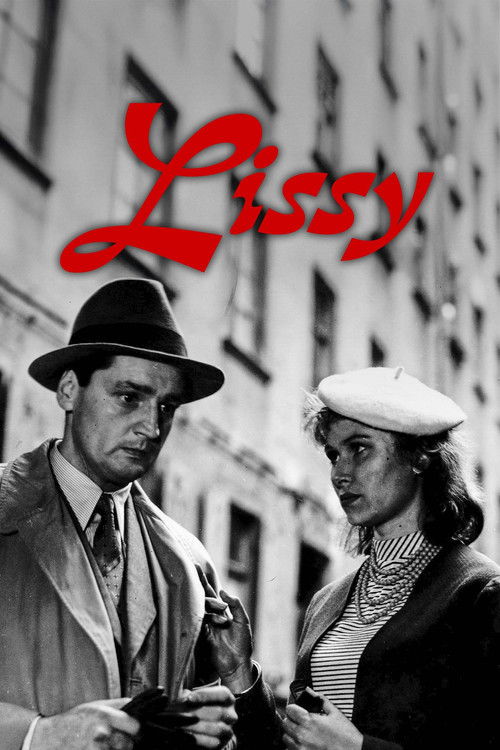
In 1930s Berlin, a woman’s life unravels as her unemployed husband succumbs to Nazi propaganda and joins the Storm Troopers, while her brother's anti-Nazi stance leads to his death, prompting her to confront her beliefs and make a risky choice.
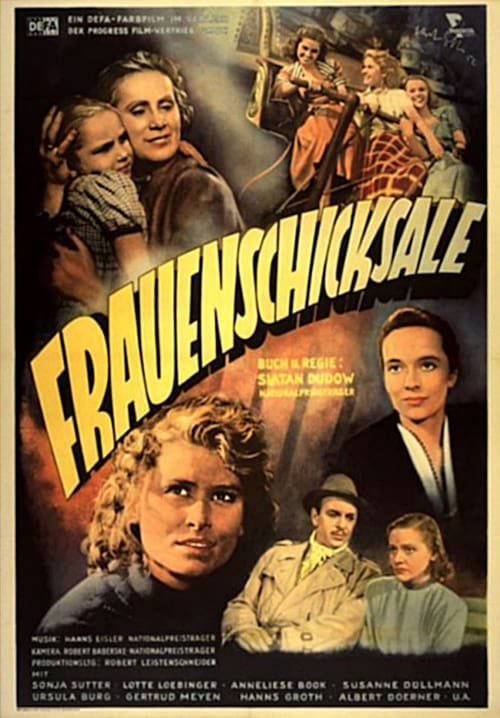
Berlin 1952, seven years after WWII. Four women are looking for a good man and happiness in the divided city. Their destinies are loosely connected through one person: the West Berlin dandy and womanizer, Conny.
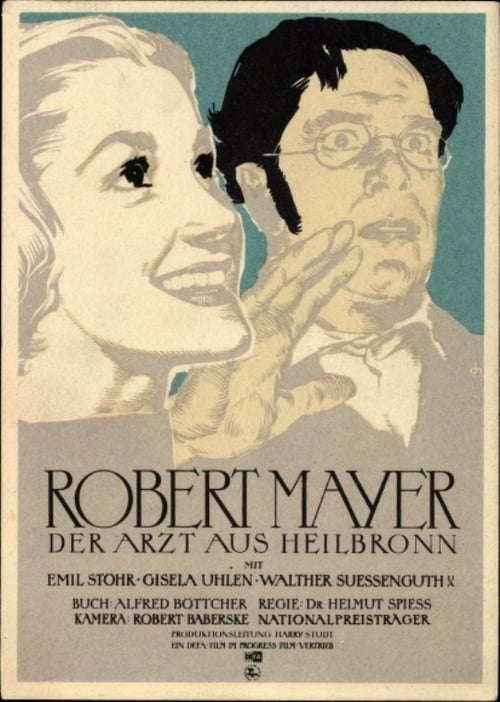
Biographical movie about Julius Robert Mayer (1814-1878), a surgeon and town doctor in Heilbronn, who studied heat for many years and was the first to correctly formulate the basic principles of the theory of mechanical heat and the principle of conservation of energy. Competing Prussian scientists laugh at him, and his life is full of misunderstandings and persecution. The film tells of his fate and his long and futile struggle for recognition of the results of his scientific work.
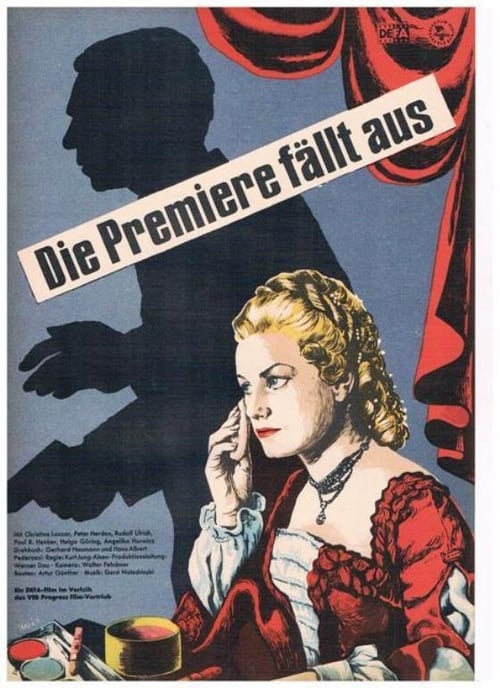
Research results of enormous value are stolen from the experimental laboratory of a chemical company in the fictitious town of Bärenfurt in the GDR and seized at the Berlin sector border. The trail leads to the agent "Haas" at the Bärenfurt municipal theater. Captain Jentsch is at the theater to uncover his identity and arrest him. A murder takes place during the "Fiesco" premiere. Many people are suspects, including the head of the theater, Born, who is engaged to the actress Vera and has a conspicuously apolitical attitude. It is no easy task for the security officers to distinguish between reality and appearance in this milieu. Through precise work, they succeed in unmasking the perpetrator and arresting him after a chase through the theater.
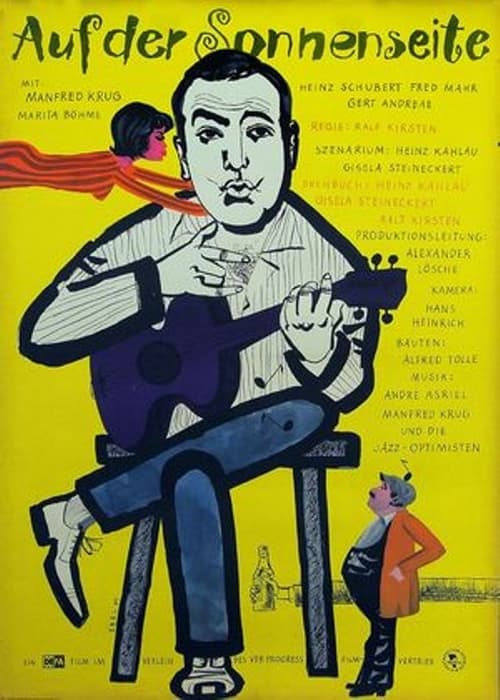
The story of the steel melter Martin Hoff, whose factory delegates him to a drama school, corresponds to the real life of the actor Manfred Krug. Like his (film) hero, Krug works as a steel melter, does artwork, sings and acts, and is sent to drama school. Like his hero, who behaves anarchically and conspicuously, Krug is soon expelled from school.