K. Asif
Directing
Biography
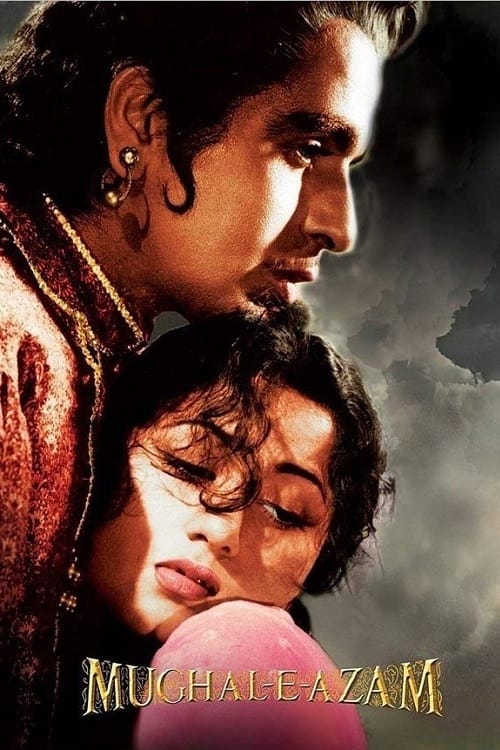
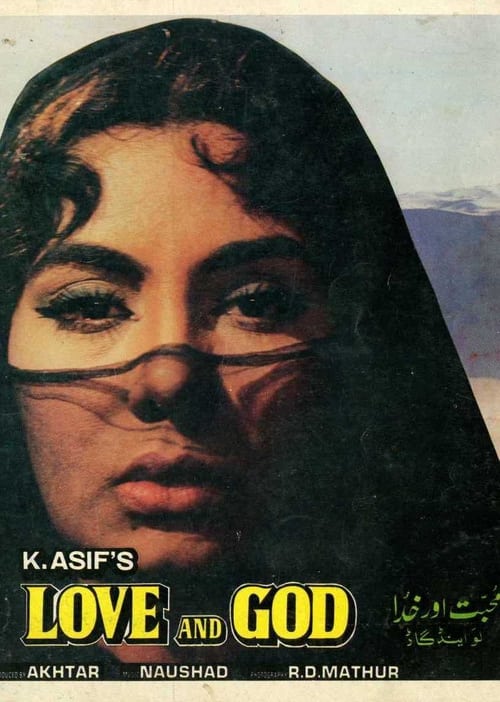
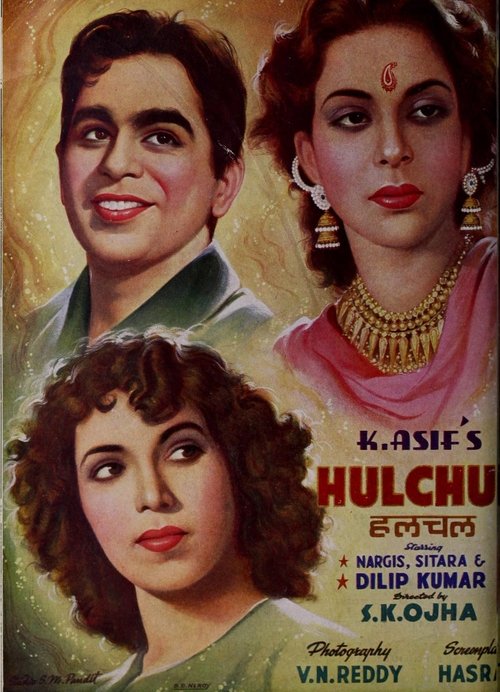
Karimuddin Asif, born in 1922 in Uttar Pradesh, remains one of Indian cinema’s most ambitious and enigmatic directors. He began his career in Bombay under the mentorship of his uncle Nazir and made his directorial debut with Phool (1945), a commercially successful social drama. However, Asif's name is forever linked with his magnum opus, Mughal-e-Azam (1960), a monumental epic that retold the legend of Prince Salim and Anarkali with unprecedented scale and grandeur. The film's production famously stretched over 15 years, plagued by delays, casting changes, and technical challenges, but Asif's meticulous craftsmanship—from lavish sets like the Sheesh Mahal to the rich musical compositions by Naushad—cemented the film’s place in cinematic history. After Mughal-e-Azam, Asif started another grand project, Love and God, a reimagining of the Laila-Majnu story. But the film was doomed by misfortune—its lead actor Guru Dutt died mid-production, followed by further delays, and Asif himself passed away in 1971 before completion. An incomplete version of the film was eventually released posthumously in 1986. Though Asif directed only a handful of films, his perfectionism, artistic vision, and relentless pursuit of scale left an indelible mark on Hindi cinema, with Mughal-e-Azam still celebrated as a pinnacle of cinematic achievement.