Acting
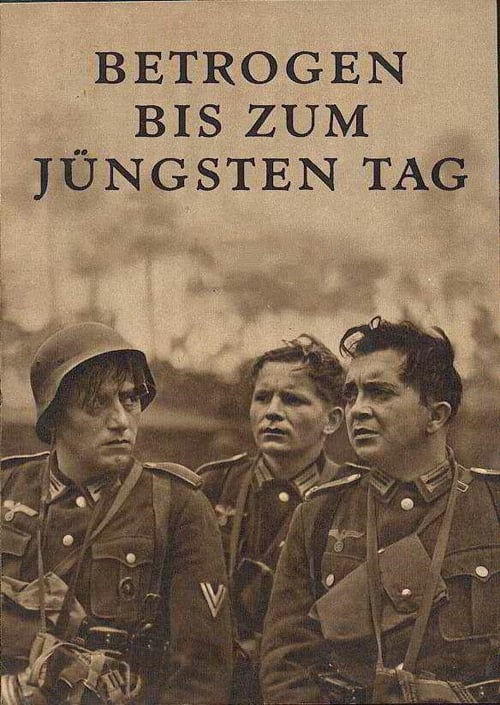
East Germany's contribution to the 1957 Cannes Film Festival was the wartime melodrama Betrogen bis zum Juengsten Tag. Had the film been released in the U.S., the title would probably have translated to Duped Till the Last. The film condemns the Nazi mindset by concentrating on a particularly odious cover-up. When his son is involved in the accidental killing of a girl, a Gestapo general pulls strings to save the boy from prosecution. The general manages to pin the blame for the killing on a group of Russians, whereupon he gives the men under his command carte blanche to round up and execute as many innocent Russians as they wish. This act of brutality is contrasted with the pangs of guilt suffered by the son and his co-conspirators.
Artur Becker, who, as a young communist during the Weimar Republic, faced his first major test during the Kapp Putsch, fought against Franco’s coup plotters during the Spanish Civil War, was seriously wounded, and arrested. After a failed escape attempt and numerous interrogations by Spanish and German coup plotters, he was eventually shot.
The movie begins by showing how Schneller takes up the profession of a teacher out of love for the children. When the First World War begins, he becomes a 'volunteer officer' and slowly the political situation begins to shape him. He develops into a revolutionary fighter.
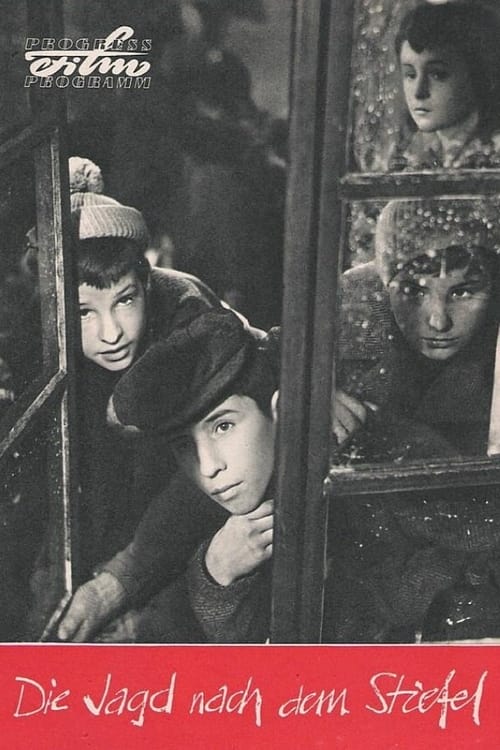
Germany 1932, constant fights between Communists and Nazis tear the country apart. When a Communist is found dead, the police accuses another Communist being his murderer. But the Communist youth group follows another trail - the murderer left a characteristic boot print at the scene of the crime.
At the beginning of the 1960s, a German turns up on behalf of the NATO in the British village of Rocksmouth. NATO wants to establish a naval base in Rocksmouth, but first, the German envoy has to salvage an old ship wreck. In 1942, the "Princess of India" was supposed to bring children to safety in Canada but was sunk by a German submarine at departure. 58 people were killed, most of them children.
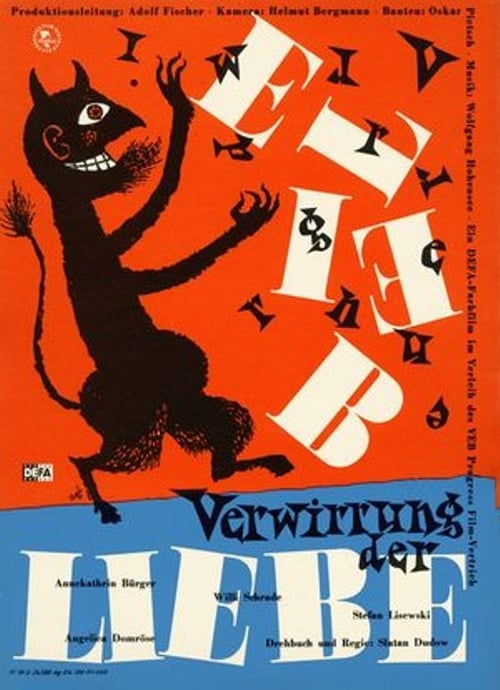
The film tells the love story of two young couples. According to their social ranks, construction worker Edy is dating employee Siegi, while medical student Dieter is dating art school student Sonja. Rather unintentionally, they exchange partners. During a carnival ball, Dieter makes out with Siegi because he falls for her her fresh and happy girlish manner. Sonja coolly observes this game and sees this intermezzo as a test for their relationship. While Siegi and Dieter vacation at the sea, Sonja falls in love with Edy. Now the die seems to be cast for new constellations. But when both couples stand in front of the registrar’s office, they finally come to their senses.
Russian soldier Grisha escapes from a German prisoner-of-war camp in the spring of 1917. He is caught and is to be shot as a spy. This decision is controversial. The dispute continues. Grisha is executed on the orders of the army high command.
A farmer receives land from the king and discovers a buried golden mortar. He decides to give it to the king out of gratitude, but his clever daughter warns him that the king will surely want him to bring a corresponding pestle as well. When the king throws the farmer into jail for fraud, he bemoans the fact that he did not listen to his daughter.
Ralph grows up in pre-war Dresden as the eldest son of a principled and orderly streetcar conductor. With the rise to power of the Nazis, the war, the collapse and the hesitant new beginning, his firmly established middle-class world is also thrown off course. His father is one of the first to be called up to the front. His mother is left alone with the responsibility for Ralph and his younger brother Achim. In the air-raid shelter, during the nights of bombing and later in the daily struggle against misery and hunger, the mother quickly abandons all moral baggage and develops a pragmatic will to survive, for which she admires Ralph. At the same time, the boy is frightened by his mother's desperate claim to happiness because he perceives her affairs as a betrayal of his father, who has gradually faded into a symbol of a happy, carefree childhood.
A young soldier discovers three chests of copper, silver and gold and an old tinder-box in the hollow of an old oak tree. He is now rich. But he squanders the money until it is all gone. All he has left is the old tinder-box. He uses it to light a small pipe and three large dogs come to his rescue. Based on the fairy-tale by Hans Christian Anderson.
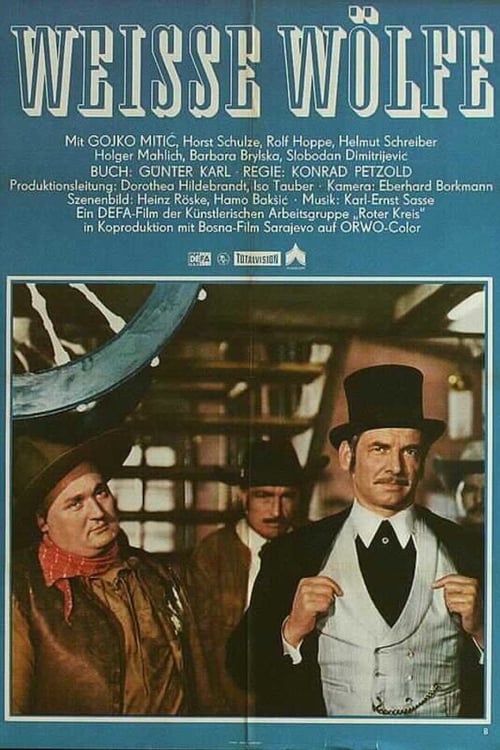
Farsighted Falcon, chief of the Lakota, seeks refuge in the Black Hills with his wife Blue Hair and two warriors, sole survivors of their tribe. When they are attacked by the outlaw Bashan, Falcon strikes out for the town of Tanglewood to take on Bashan's boss, mining magnate Harrington.
No description available.
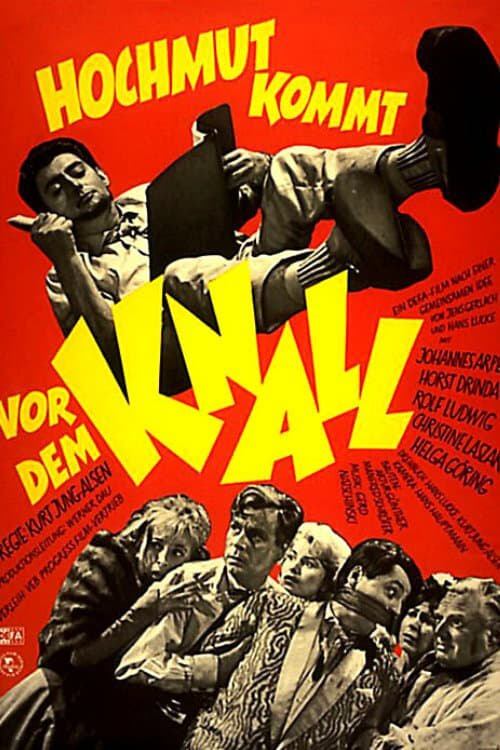
Ewald Honig can't break his bad habit. Hardly has he crossed over into the GDR when the strapping, well-built man in his late fifties once again starts courting ladies with fraudulent intentions. His daughter Ina, burdened with the same genes, specializes in married men in their prime. Two criminologists are on the Honigs' trail, but they soon have enough to handle just dealing with each other. Meanwhile, Honig and his daughter have left their wayward path of their own accord.
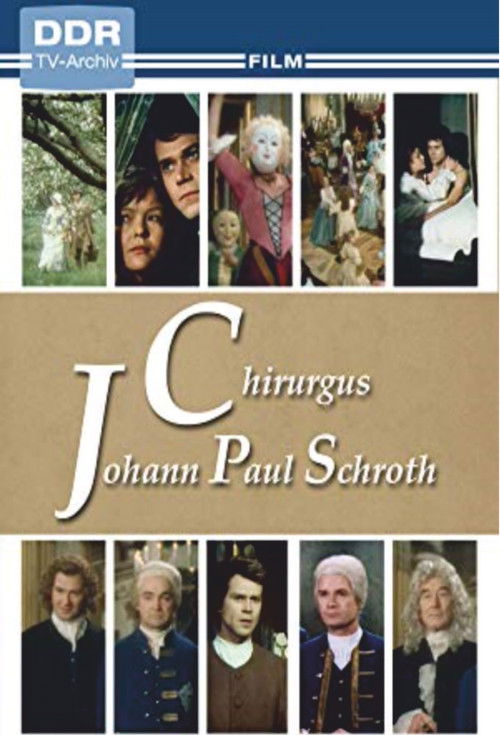
Johann Paul Schroth is a 20-year-old barber's apprentice who breaks out of the barber-surgeon's trade. Schroth wants to realize his dream, which is to put aside the beard knife and use the scalpel in such a way that people are healed and not tortured...
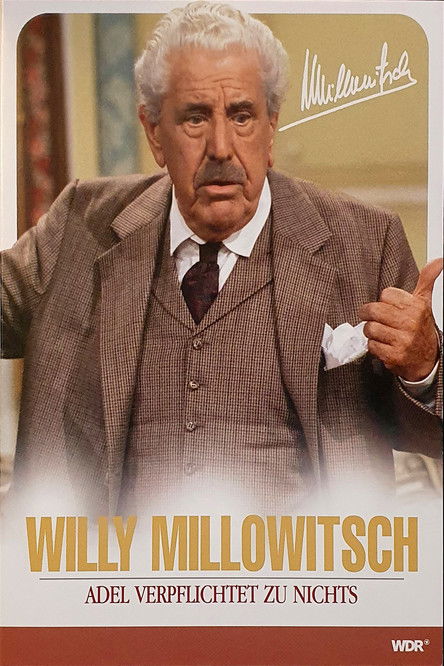
Historical television comedy around Friedrich Alfred Krupp, whose connection to the imperial court and the influence of Kaiser Wilhelm II. to the Krupp family. Not yet 50 years old, the "cannon king" dies in 1902. The emperor holds a memorial speech sown with threats against the "inner enemies". Telltale secret files emerge, strange amorous adventures are in the game.
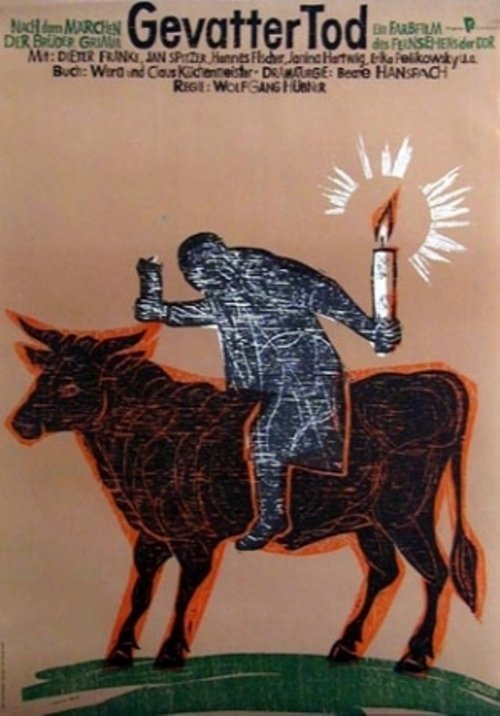
Once upon a time, there was a poor farmer who had thirteen children. Since the farmer was so poor, there was never anything left for the youngest of the family. Therefore, the farmer chose Death as the godfather of his son, Jörg, because all people are equal in the eyes of Death. The Grim Reaper is happy to look after the boy and turns Jörg into a skilled doctor who earns wealth and fame.
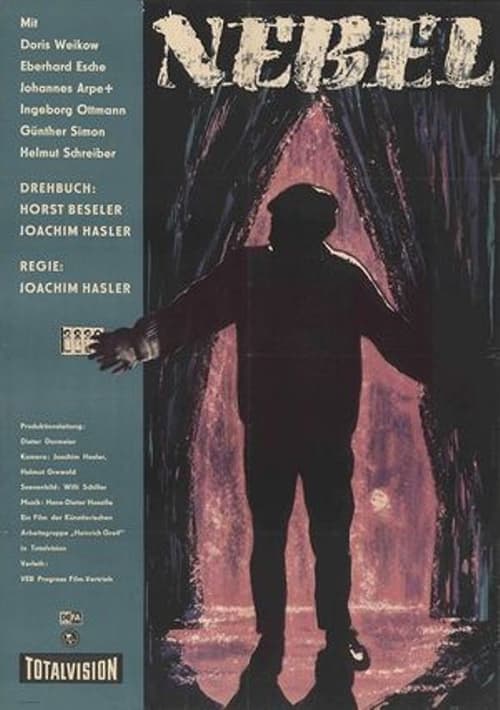
Under political pressure, a West German radio station stages a radio play about a Russian invasion of West Germany. A handsome fee convinced the unemployed Anton Wiesel to take on the direction. At the same time, the driver Harry Kyritz received an inheritance: a decrepit barge with which he intends to become an entrepreneur. His acquaintance with Madeleine Müller, the daughter of a coal wholesaler, comes at just the right time. But so does Mr. Müller, because he is broke. So he throws a big party to sell his daughter as his last profitable asset. Harry has a good chance when the radio plays a radio play about a Russian robbery. The guests take it as a factual report and flee to the cellar. Harry reveals his true financial situation, but Müller accepts him anyway - as a model worker for the Russians. But when the mistake is revealed, Harry is out of the running in favor of a wealthier son-in-law.
In 1944, SS-Obersturmbannführer Becher arrives in Budapest in order to obtain material for the Waffen-SS. At the same time, he starts to gather private property by offering an insidious choice to the corporation′s Jewish majority shareholder, Dr. Chorin: Either Chorin assigns the company to Becker "on his own free will" – thereby obtaining the permission to travel abroad - or he his family will end up in an extermination camp.