Acting
Der Staatsanwalt hat das Wort was an East German television series.
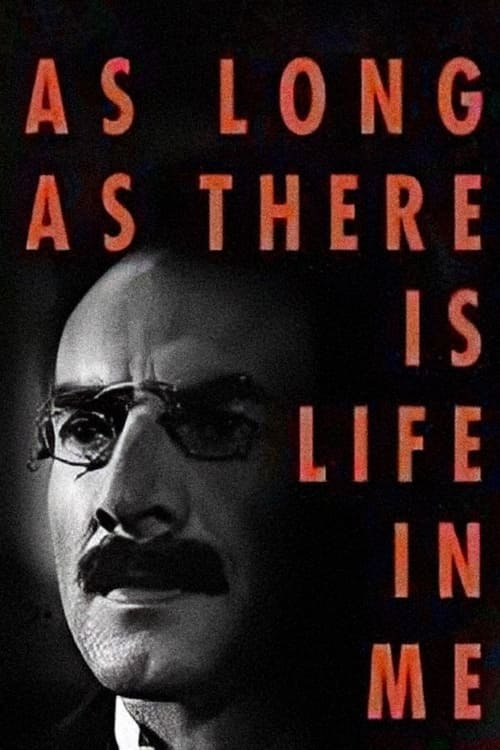
The plot is based on the dramatic fate of the Red Army commander Aleksei Ivanovich Pavlov. Having been captured in January 1942 and being among the displaced persons, he didn't immediately decide to return to the USSR. Having rolled around the foreign country for 17 years, Aleksei nevertheless returned to his homeland. He goes to his brother in the south of the country to Sevastopol. Aleksei accidentally meets the doctor Anna Andreyevna, who was saved from death in besieged Leningrad. She travels by car from Moscow and also to the south, with her daughter Tanya; she suggests he join them. Aleksei tells about his life on the road.
After their successful May party, now the Lehmann family want to throw a New Year's Eve part with punch. Wilhelm's sons Franz and Paul are brigade leaders at a chemical factory. One of their brigades consists largely of fanatics of high culture, while the other consists of sports fanatics. But the rival brigades must work together in order to throw a successful New Year's Eve party for the factory, since the occasion requires both elements: sports and culture.
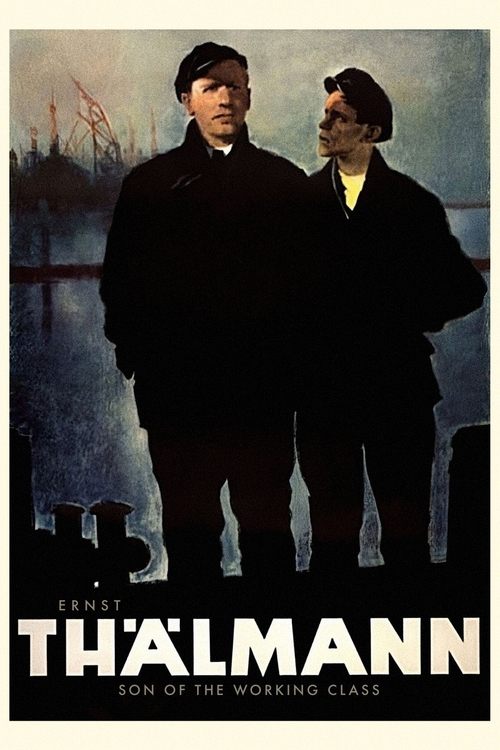
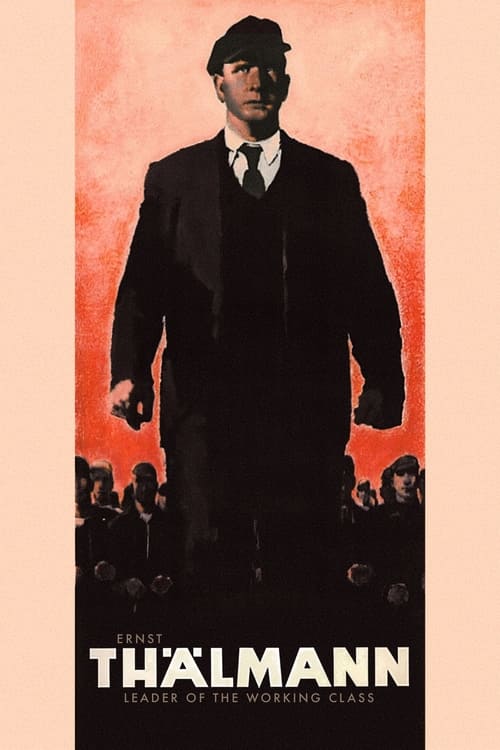
This film is the first of a two-part historical and biographical portrait of the communist politician and anti-fascist Ernst Thälmann. In early November 1918, Ernst Thälmann is an unwilling soldier serving on the western front. As the revolutionary movement at home is threatened by the betrayal of the Social Democrats and fissures in the working class, Thälmann calls on his fellow soldiers to put down their weapons and unite with the workers in the communist struggle at home. Thälmann’s qualms about which side he is fighting on continue, but when the local police attempt to prevent a shipment of provisions and supplies from reaching the people in Petrograd, he intervenes and the ship is unloaded. With this moment of clarity, Thälmann continues to follow his political convictions and joins the workers at the Hamburg uprising in October 1923.
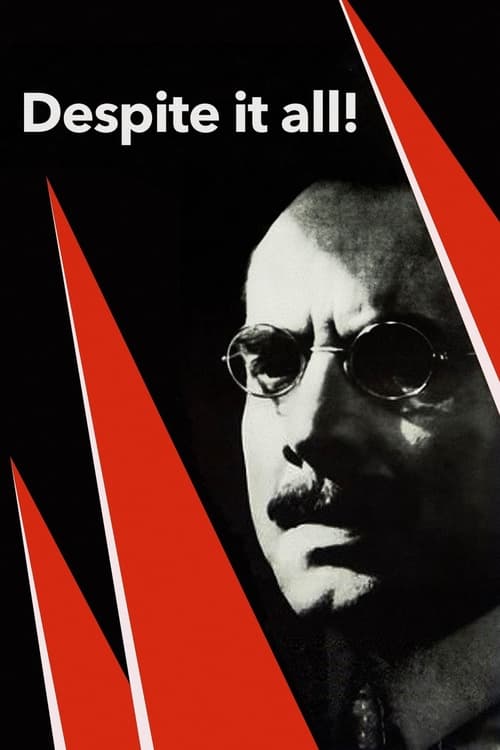
October 1918: Karl Liebknecht is released from prison and Berlin workers celebrate his release. Although WWI is almost over, the German Kaiserreich in vain sends its last reserves to the slaughter. The working class is in a rebellious mood; the uprising of Kiel’s sailors against war and militarism sets off a call for revolution led by Liebknecht. On November 9, Liebknecht declares the Free Socialist Republic of Germany. But pro-Kaiser military and right wing Social Democrats oppose him.
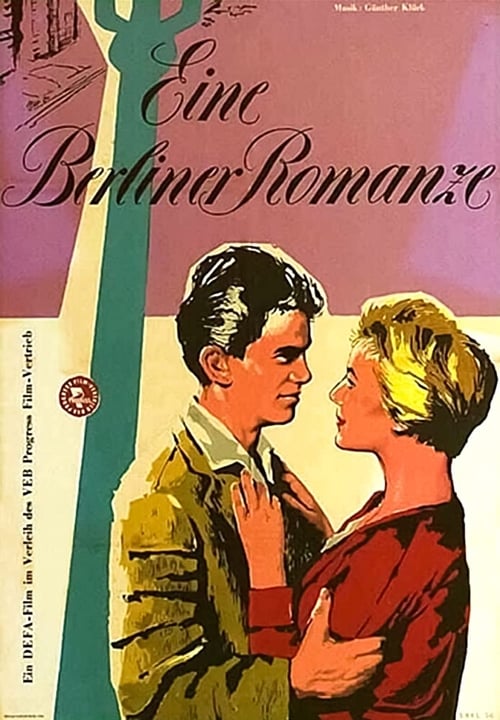
Mid-1950s Berlin, before the building of the Wall. Uschi, a salesgirl and aspiring fashion model from the East, is attracted to Hans, from the West. But she also loves the bright shop windows in his part of the city. The flashiness of this new world soon evaporates, however, when Hans loses his job.
The authorities expect the case of Friedel Walter, alias "Dr. Mueller," to be a straightforward one: he was working as a doctor without proper credentials under a false name. But Mehlin, the man in charge of his case, knows that there is more to the story. When he was injured fleeing from a concentration camp, resistance worker Irene asked her medical student boyfriend Walter to give him medical care.
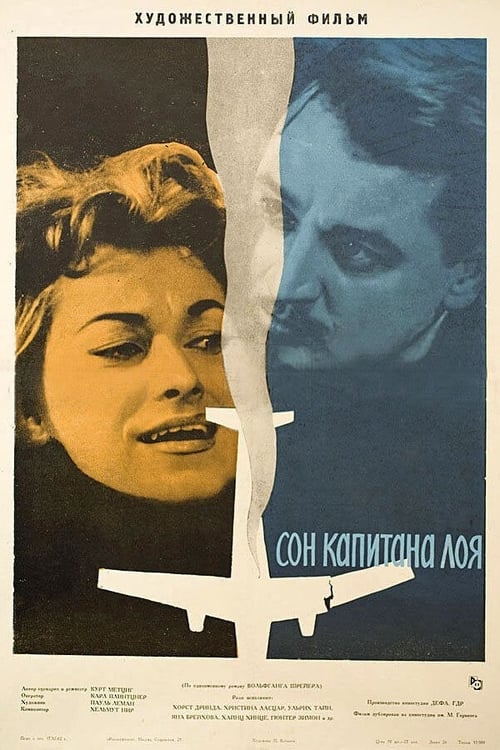
An American military plane takes six people, who have taken part in a NATO maneuver, from Tripoli to Oslo. Among them are the British Captain Loy and the United States Air Force Corporal Doris Graves. During the flight, the two become closer, and they regret that the trip will end that evening. But everything turns out differently. The flight captain has received orders to pick up an agent at a German NATO airport, who is to be dropped off again on a Soviet island …
On August 12, 1961, eight people in three cars set off for Berlin from Leipzig. They want to go to the West. The initiator is the philistine Spiessack, who drives the others, who have embarked on the adventure with mixed feelings. It becomes a journey with numerous incidents and panic, which causes the different characters to clash. When they finally arrive in Berlin the next day, they are not allowed to cross the border. The only option is to return. At home, Spiessack is met by a policeman in his living room - with the slogan "We'll be back" written on the wall.
The stubborn old skipper Heinrich Borchert refuses to recognize the progress of the new era. Sailing for the DSU is out of the question for him. He is a private ship owner - and will remain so! In order to pay off the mortgage on his barge "Marie", he takes more cargo on board than is reasonable and risks a dangerous draught in the shallow waters of the Havel. Neither his friend Hermann Vollbeck, also an old bargeman but sailing for the DSU, nor the protests of his son Karl can dissuade him. After all, Borchert is only doing all this for Karl, who is supposed to take over the boat one day and have a better life. He, on the other hand, has other ideas about life. Instead of just being a slave to the ship or having to deal with debts, he wants to have time for more enjoyable things alongside his work.
Lifelong hard work for the count makes the servant Anton a cripple. Everybody calls him Crooked Anton. When, after the end of the war, the land of the count gets divided amongst the farmers, Anton receives a piece and hopes to be able to work freely. But an old debt and intrigue keep Anton and his family from finding peace. The farmers of the village begin to discover their own power when Annegret, Anton's daughter, leaves. Is a new beginning possible for Anton? This film paints an impressive panorama of the development of a minor village in Mecklenburg from the end of the war to the uprising of 17 June 1953.
Ewald Honig can't break his bad habit. Hardly has he crossed over into the GDR when the strapping, well-built man in his late fifties once again starts courting ladies with fraudulent intentions. His daughter Ina, burdened with the same genes, specializes in married men in their prime. Two criminologists are on the Honigs' trail, but they soon have enough to handle just dealing with each other. Meanwhile, Honig and his daughter have left their wayward path of their own accord.
Based on a true story from 1936: Klara Baumann, a working-class woman, communist and mother, flees her German homeland for neighboring Czechoslovakia. When a party courier is arrested in Berlin, Klara agrees to return to Germany with illegal material. On behalf of the central courier service, she returned to Germany illegally many times, risking her life, in constant fear of being caught. When the illegal party cell in a large Berlin factory is arrested, Klara distributes the latest issue of the Red Signal on her own. She wants to prove to the Gestapo that she has imprisoned the wrong people. Authentic story of a communist and mother who flees her German homeland for neighboring Czechoslovakia in 1936.
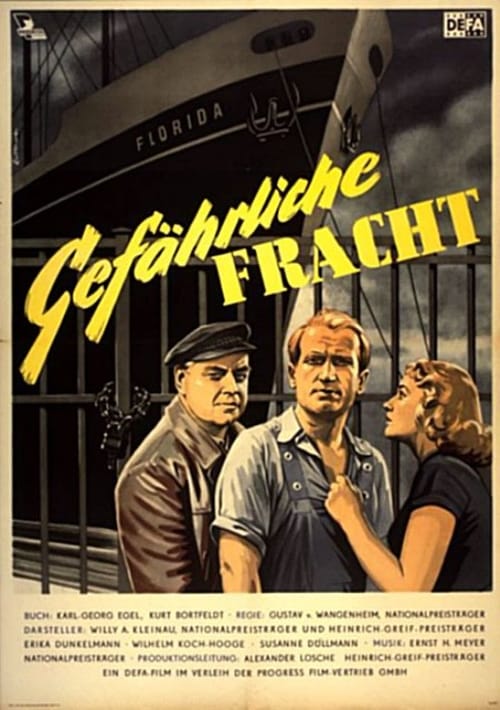
During the unloading of the freighter "Florida", West German dock workers discover napalm bombs instead of the specified precision machines - and a deceptive maneuver by the American occupying forces: the workers had already refused to unload the ship in France, where it was named "Chicago". It was refloated on the voyage to Germany. The German dockers also went on strike. Among them was Hein Jensen, who found it particularly difficult to take part. He had just found work again with difficulty. He needs the money because he wants to get married. His bride Helga has just given birth. When the Americans try to blackmail him into changing his colleagues' minds, he knows where his place is. The strike turns into a huge peace demonstration.
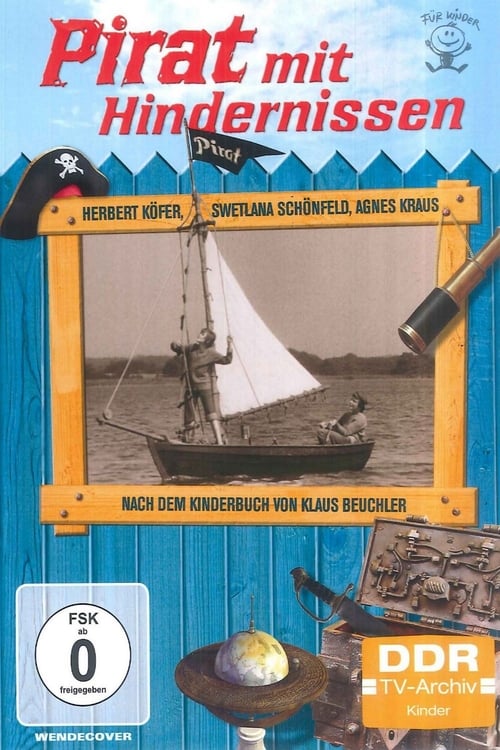
The fisherman's son Christian, called Spinner, has a lively imagination. When he is sailing with his pirate sailboat, he feels like the sailor Magellan on the oceans.
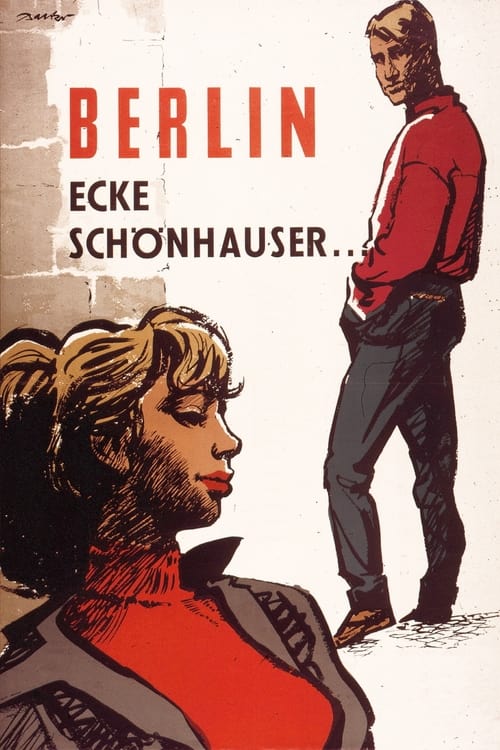
The corner Schönhauser Allee in East Berlin is the main meeting-point for a group of adolescents. Dieter is a construction worker who falls in love with Angela. She, in turn, spends time with the clique whenever her mother is occupied with her new lover. "Kohle" stays away from home to avoid his dad's alcohol problem, and Karl-Heinz is on his way to becoming a small-time criminal. Due to their interest in western music and culture they are regarded as no-goods and rowdies. Things get interesting when an incident forces Dieter and "Kohle" to escape to West Germany. Written by c.winter
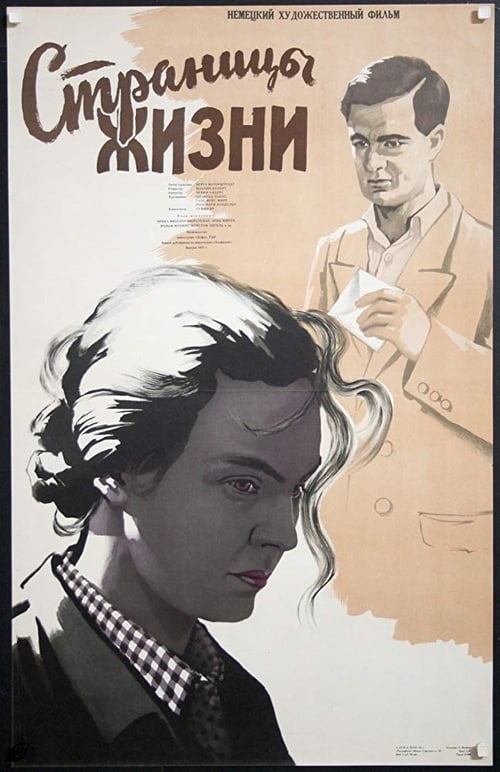
Post-war Germany: Like so many other women, Gerda Krause has lost her husband during the war and has to fend for herself and her two children. She finds work as a seamstress but refuses the offering of her department chief Zimmermann to upgrade her qualifications. One day she meets Uschi, an old friend of hers, whom she has helped with schoolwork before the war and subsequently lost track of. The reunion reminds Gerda of her childhood dream: to become a teacher. Thus, she decides to enroll at university to make her dream come true.
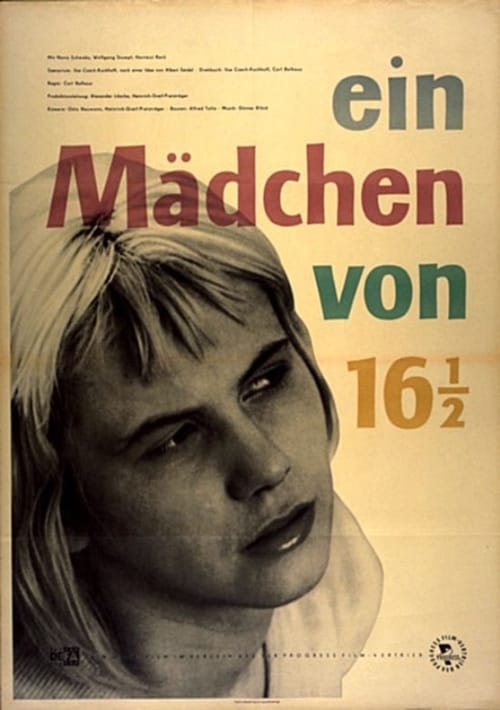
The young orphan Helga is raised by her aunt after WW II. At the age of sixteen, she turns her back to go her own way. As a rambler, Helga wanders through the night streets of Berlin and has brief acquaintances.
This is part one of a two-part biopic about Karl Liebknecht. In 1914, Germany is arming itself for war. Karl Liebknecht, left-wing revolutionary Social Democrat, workers’ leader and a virulent antimilitarist, is one among 110 SPD members of Parliament who vote against approving war loans. From then on, he is considered un-German and a traitor to the fatherland, and his own party’s leadership turns against him. Despite threats, Liebknecht speaks up against the war and writes the manifesto “The Main Enemy Is at Home.” Even when he is arrested and charged with treason, he does not surrender.
This film is the second of a two-part historical and biographical portrait of the communist politician and anti-fascist Ernst Thälmann. Autumn, 1918: Somewhere on Germany’s western front, Ernst Thälmann, age twenty-four, is calling on his fellow soldiers to put down their guns and join him in the communist struggle at home. When Hamburg’s Police Commissioner blocks a much-needed food shipment to the workers of Petrograd, Ernst battles to see it allowed through. Until his murder on August 18, 1944, Ernst remained true to his political convictions in the face of many setbacks.