Acting
No description available.
The history of the peplum genre, known as sword-and-sandal cinema, set in Antiquity, from the silent film era to the present day.
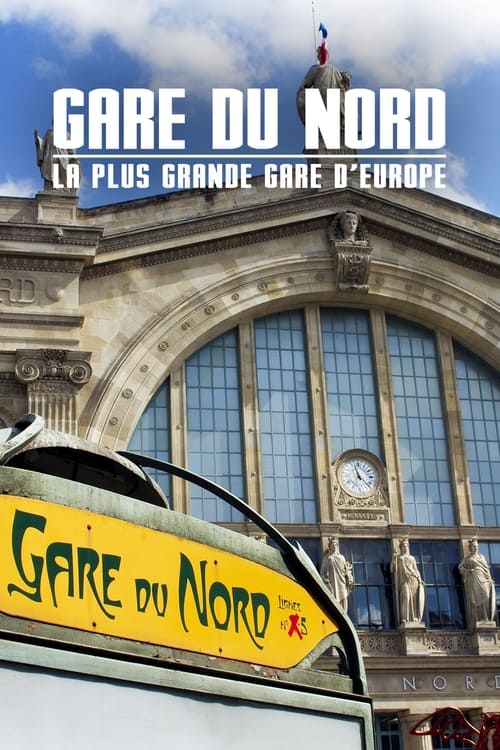
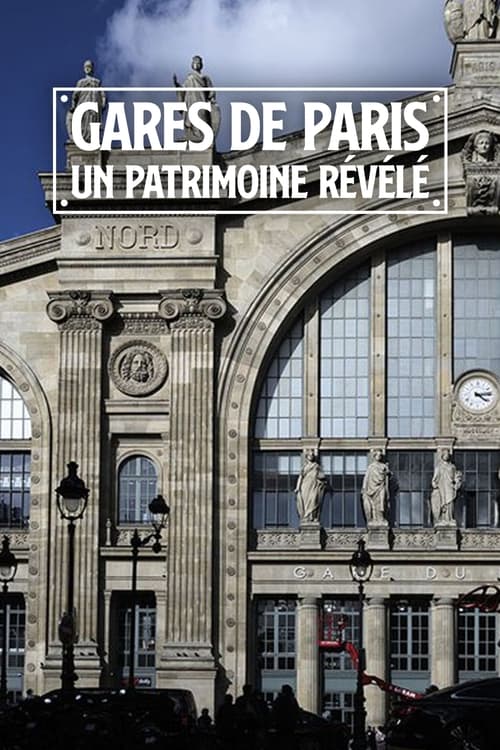
Every day, Paris’ six railway stations welcome over 3,000 trains and more than a million travelers coming from France and all over Europe. The stations’ sizes are impressive: Gare du Nord is bigger than the Louvre or Notre-Dame de Paris. These railway stations are architectural landmarks and a model of urban planning despite the radical changes they’ve undergone since their construction in the middle of the 19th century. How did the railway stations manage to absorb the boom of travelers in just a few decades? What colossal works were necessary to erect and then modify these now essential buildings? From the monumental glass walls of Gare du Nord to the iconic tower of Gare de Lyon, to the first-ever all-electric train station, each has its own story, technical characteristics, and well-defined urban image.
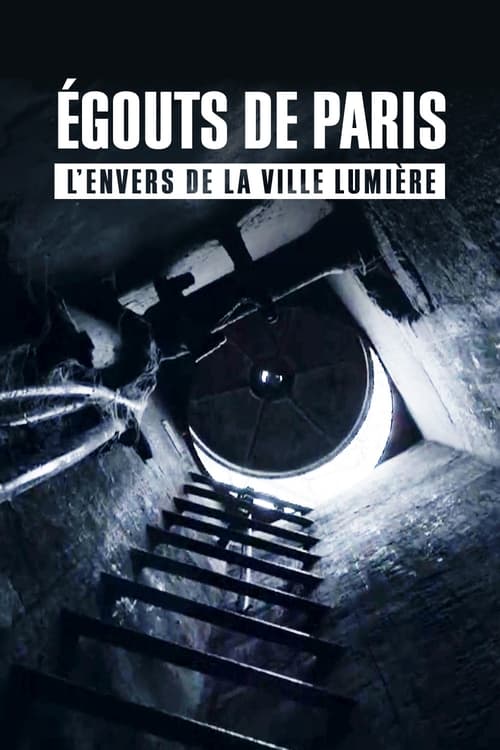
While Paris, the City of Lights, shines brightly, hidden in its shadows are fascinating installations, put in place nearly two centuries ago: the sewers. Even today, this 2,600-kilometer-long labyrinth of streets and infrastructure ensures the sanitation of the entire capital. In 1854, during Haussmann's grand urban renewal projects in Paris, the French engineer Eugène Belgrand undertook one of the century's largest construction projects: the renovation of the Paris sewers. His main innovation: an ingenious dual network that simultaneously treats wastewater and delivers drinking water to Parisians.