Georgi Tenev
Writing
Known For

No description available.
With River at Heart
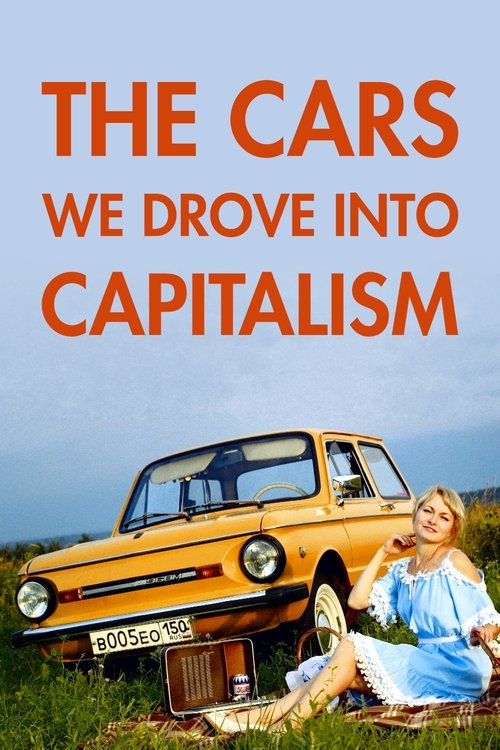
A cinematic, character-driven insight to what it meant to produce and to own a car in communist times: the Socialist propaganda dreams and the hard reality of living that dream. The freedom that these slow and clumsy vehicles were giving to their owners; the cars as an instrument in the Cold War battle; legends and homemade tune-ups as an attempt to stand at least a little bit off the crowd.
The Cars We Drove into Capitalism

Set entirely in the rural frontier area between Greece and Bulgaria, it is an austere story of a Greek man who wants to buy a baby across the border.
Alienation
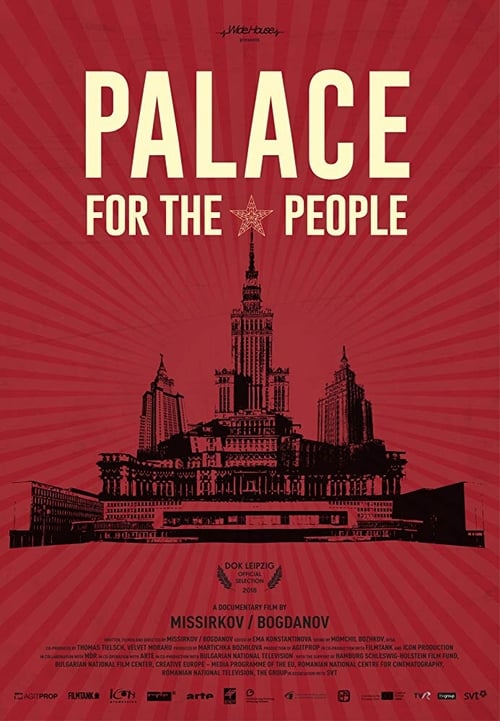
The life and death of socialist architectural monsters. An epic fairy-tale in five chapters.
Palace for the People

Audrius Mickevičius puts the horribly disfigured face of his murdered brother at the start of his film. It is almost a meditation about the question whether a final act like murder can be atoned for in a temporal order – and whether the passing of time allows the victim’s family to forgive. Mickevičius uses the example of two lifers (one of them gets married and wants to have children, the other pours his whole passion into an idea of craftsmanship) and a philosopher with prison experience to make that strange state of suspended life comprehensible.