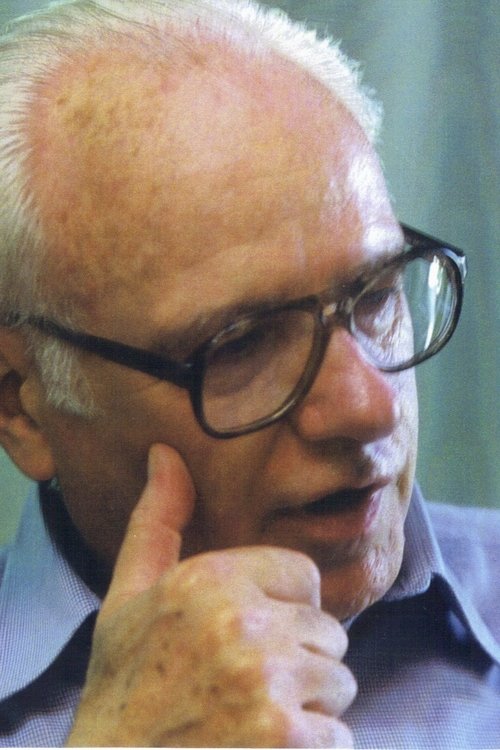
Michel Régnier
Directing
Known For
In the city of Saskatoon, Saskatchewan, an effective government policy of controlling land investment prevents speculation, keeps land prices down, and provides a good balance between commercial, residential and public areas.
Saskatoon: Land and Growth Control
Exemplary in its town planning and administration, Bologna has been transformed into a city that is avant-garde, both socially and culturally, yet still preserves its historical roots.
Bologna: An Ancient City for a New Society
This film focuses on the approaches that several cities have taken to one problem. Through various examples, it examines the implications and options for a pedestrian-oriented city core. Ninth in Régnier's ten-film Urba 2,000 series.
City Center and Pedestrians
No description available.
Griffintown
This feature documentary zooms in on the city of Sapporo, on the Island of Hokkaïdo in southern Japan. In contrast to the unplanned sprawl of neighbouring industrialized cities, Sapporo appears to be one of the best-planned large cities in the world, combining growth and technology with town planning and the preservation of green spaces.
Sapporo - Planned Growth
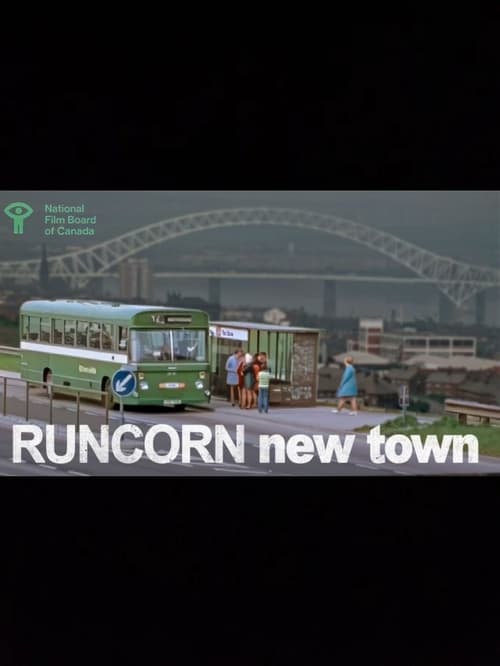
Great Britain was the first country to plan the establishment of 'new towns' to house the overflow from rapidly expanding industrial centres. Today these towns number over one hundred. This film examines the operation of two of them.
Basingstoke - Runcorn - British New Towns

No description available.
Urbanose
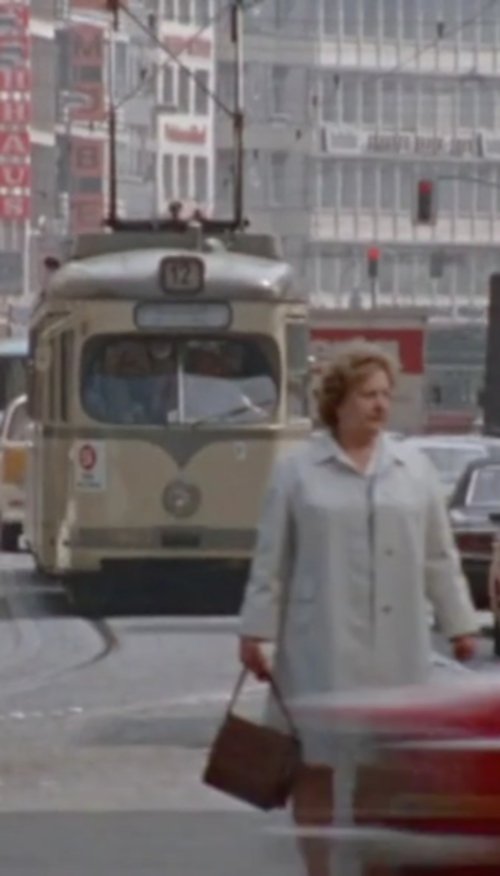
Individualized for profit, yet harmonious in its whole, Düsseldorf has met and largely conquered the conflicting demands of economic growth and human environment.
Düsseldorf - Balanced Urban Growth
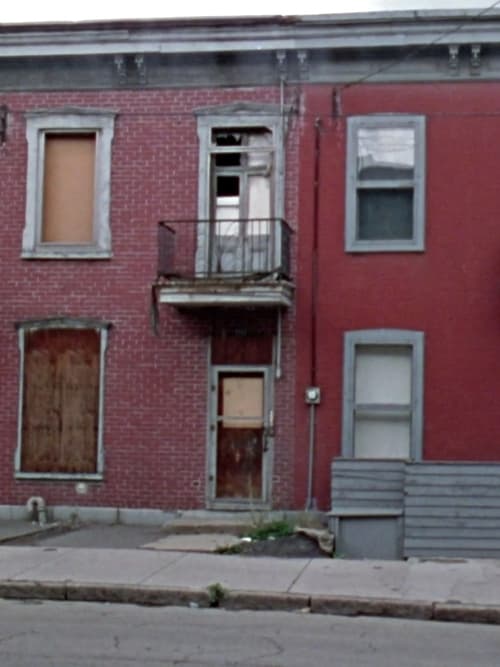
This full-length documentary from the Challenge for Change program addresses housing issues affecting Montreal in the mid-1970s. As the city is restoring older apartments through direct action and government subsidies, new, low-rent housing is being integrated into old neighborhoods.
Montréal: The Neighborhood Revived
No description available.
Les enfants du Gumbo
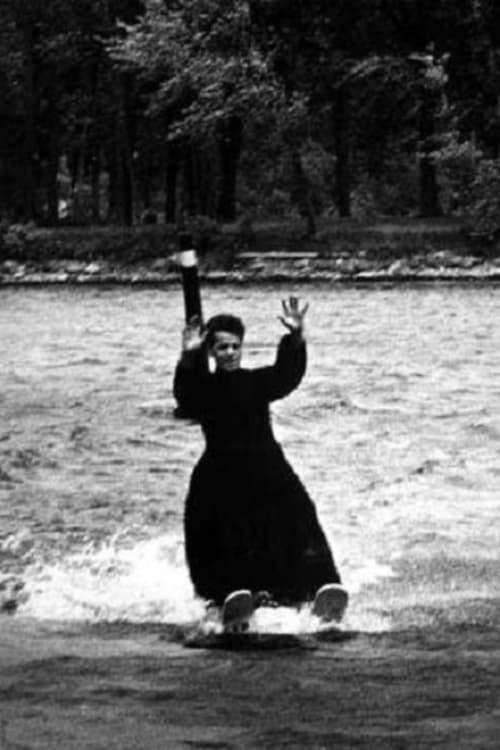
A carpenter is asked by his boss to serve as a guide for the new secretary, a young woman just arrived in Montreal from France. Both of their lives change as he shows her around the city.
Patricia et Jean-Baptiste
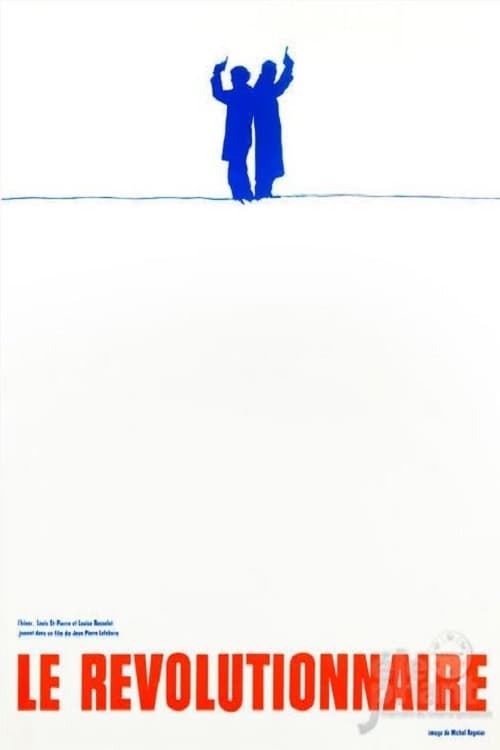
A group of young men train to be revolutionaries and plan an insurrection of the Canadian government.
The Revolutionary
The "La Villeneuve" project in Grenoble aims at the genuine creation of a total community in the city core. It is a remarkable undertaking, both in its comprehensiveness and in its dependence on real collaboration between the public and all levels of government.
Grenoble--La Villeneuve: The City Conceived Anew
A visit to the "Indians of Canada" pavilion at Expo 67, Montréal. Inside there are Indigenous artifacts, but even more arresting are the printed placards that tell the story of the Indigenous peoples in North America, written without rancor but recalling what their contact with European settlers has cost in freedom of movement, in loss of land, and in loss of health of body and spirit.
Indian Memento
Is it possible to provide the amenities required by modern life without destroying the socio-cultural heritage of past generations? In this film two historically preserved cities present contrasting examples of contemporary growth.
Warsaw - Québec: How Not to Destroy a City
This feature documentary offers a shocking look at the living and working conditions of Haitian agricultural laborers in the Dominican Republic. Each year, some 20,000 workers cross the border to cut sugar cane, lured by promises of good money. Instead, they toil up to 14 hours per day and live in unhealthy, cramped camps without running water, electricity, medical or educational facilities.
Black Sugar
In Montreal, at a single point, approximately one hundred levels of decision-making were identified. It is difficult to discuss urban planning without mentioning the absurd administrative fragmentation, inherited from a history of accumulated privileges, in which the present is mired and the future jeopardized. However, the priority of the public interest is gradually gaining ground... Interviews with several urban planners and senior officials from Quebec City, Montreal, and Ottawa, including one with Laurent Saulnier, then president of the Montreal Urban Community.
Le labyrinthe
This feature-length documentary examines the reality of New York City in the 1970s, a place that had become a symbol of urban disaster. The 2 projects profiled attempt to tackle the problem of America’s biggest city: in a dilapidated part of the Bronx, a co-operative citizens’ movement tries to rejuvenate urban life; and WNET-TV uses its programming as an open forum for the public debate on urban issues.
New York - Twin Parks Project - TV Channel 13
There's no point in fleeing the city, because the problems of the entire country are concentrated there. Montreal's future isn't entirely uncertain: one only has to look at the many American cities that have preceded us in this endeavor to discover the choices available. Thus, we know that bedroom communities are merely a temporary and illusory refuge. Sooner or later, we will have to confront the city head-on and address the very root of the cancer that is eating away at it, in order to transform it into an entity conducive to human happiness.
Où va la ville? (1re partie)
There's no point in fleeing the city, because the problems of the entire country are concentrated there. Montreal's future isn't entirely uncertain: one only has to look at the many American cities that have preceded us in this endeavor to discover the choices available. Thus, we know that bedroom communities are merely a temporary and illusory refuge. Sooner or later, we will have to confront the city head-on and address the very root of the cancer that is eating away at it, in order to transform it into an entity conducive to human happiness.