Directing
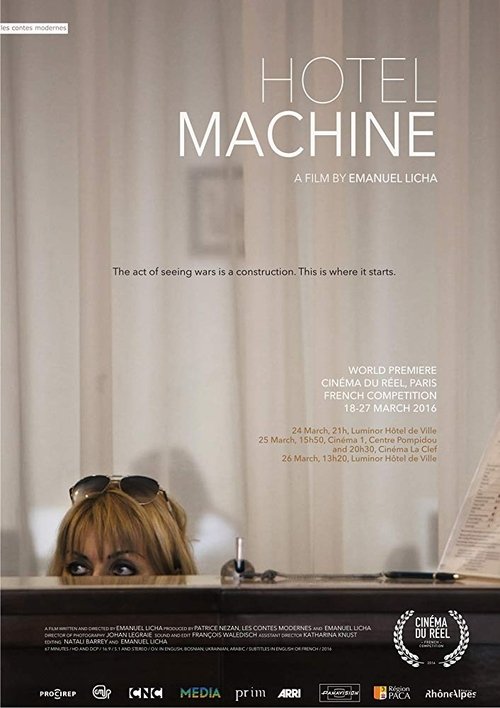
The act of seeing wars is a construction. This is where it starts. Hotel Machine is a reflection on the production of representations of conflicts. Hotel Machine is the story of a hotel that remembers.
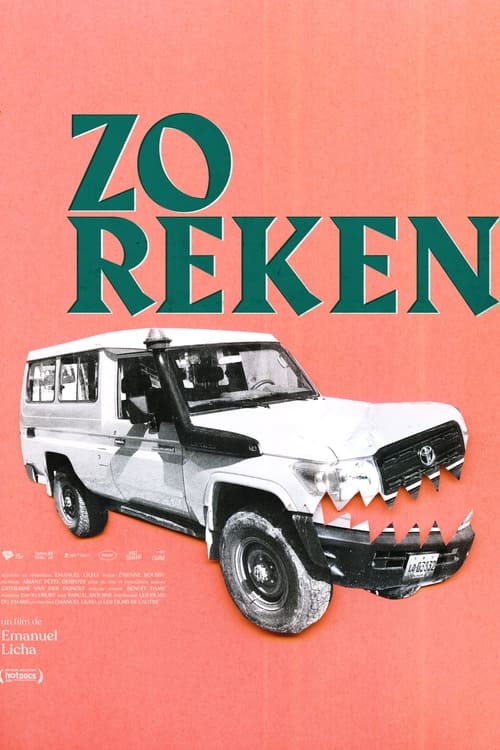
Today, 11 years after the massive earthquake in Haiti that left over a million people homeless and killed hundreds of thousands, the country has still not recovered from the disaster. Despite billions of dollars in aid money, Haiti struggles with some of the highest levels of poverty and unemployment in the Western hemisphere. In Port-au-Prince, various citizens are shuttled through a city in crisis. Maneuvering around barricades, garbage dumps and the packed streets of the capital, they speak candidly about the current state of their country. Through the car window a frustrated population passes and occasionally interacts with the passengers in the vehicle. Beautifully shot, with a lively score, Zo Reken presents a complicated portrait that testifies to the magnitude of the tragedy and highlights the disorganized state of international aid.
MIRAGES focuses on a mock Iraqi village in the middle of the Mojave desert in California. Conceived and used by the US Army for the training of the troops before being deployed in Iraq, this village was built and is operated by Hollywood professionals. The extras playing the roles of the inhabitants are hired among members of the Iraqi diaspora in the US.
Entretierra opens with an extended shot of two sun hats on a bag, bobbing along on a seat in a moving train. In voice-over we hear a man talking about the day he was kidnapped and killed, and how his mother went looking for him.
"How do we know what we know?" asks the journalist in the studio to the special correspondent in Turkey who couldn't get into the conflict zone in Syria. The news report he put together is therefore made out of amateur footage.