Loiro Cunha
Crew
Known For

After eight years of a political exile imposed by the Brazilian military dictatorship, sociologist Herbert de Souza returns to his homeland. Alongside democracy activists, he faces the arrival of AIDS and puts the devastating impact of hunger under the spotlight. Overcoming his fragile health and personal tragedy, he creates the largest social awareness campaign in Brazilian history.
Betinho: No Fio da Navalha
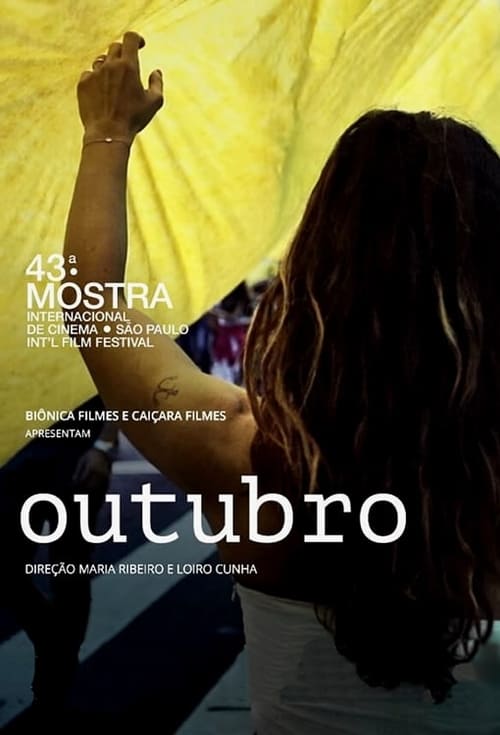
A view of Brazil's 2018 Presidential Elections, held in October of that year. The polarizing Election led to the rise of far-right President Jair Bolsonaro
October

Documentary about the trajectory of the Brazilian rock band Cachorro Grande, created in Porto Alegre, State of Rio Grande do Sul, in 1999 and imploded in São Paulo, the exact year they would have celebrated their 20th anniversary. As is the script of every self-respecting rock band, Cachorro Grande lived and survived amid contrasts and extremes. From being the greatest promise of Brazilian rock’n roll at the beginning of this century, opening shows for the Rolling Stones in Brazil, to going through open fights that shaped the band’s style and created fissures, culminating in the threat of its disbandment.
The Last Rock Band
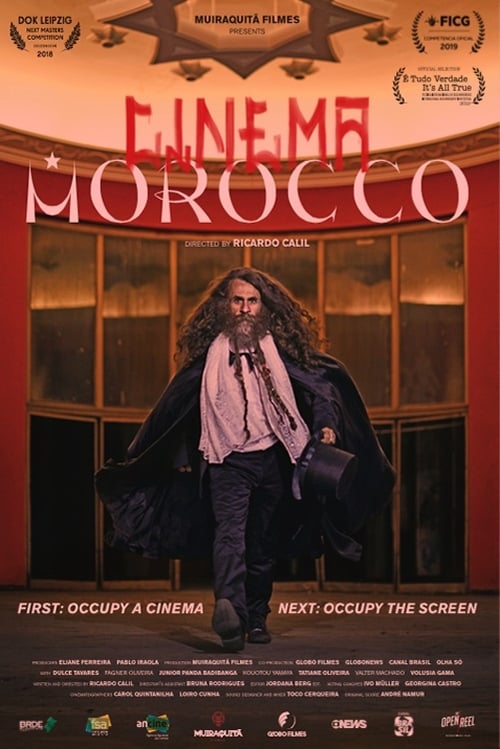
For two decades, Cine Marrocos, a movie theatre in the heart of São Paulo, was one of the most popular and opulent of the city. After it was closed, in 1972, it was occupied by a homeless workers' movement. The documentary tells the story of the people who lived there, alternating scenes from an acting class with those of the movies exhibited there in the past.
Cinema Morocco

As a toddler, Hermeto Pascoal made a flute from a pumpkin stalk so he could make music with the birds. His love of the sounds of nature has remained with him throughout his life. They play a major role in the music of the famous Brazilian composer, bandleader, conductor and multi-instrumentalist – known in Brazil as ‘the sorcerer.’
The Water Eyed Boy

In 1970, at the height of repression by the military dictatorship, five imprisoned guerrillas came to the public to renounce the armed struggle and praise the regime. With the repercussion of the declarations, the government decided to transform the retractions into a State practice. He started to torture opponents to make mea-culpa. Until 1975, around forty prisoners participated in the “repentances”, as they became known. Os Arrependidos recounts the little-remembered story of former militants who, very young, dropped everything to risk their lives for a cause, were arrested and tortured, and became a propaganda weapon for their enemies.