FEEL IT.STREAM
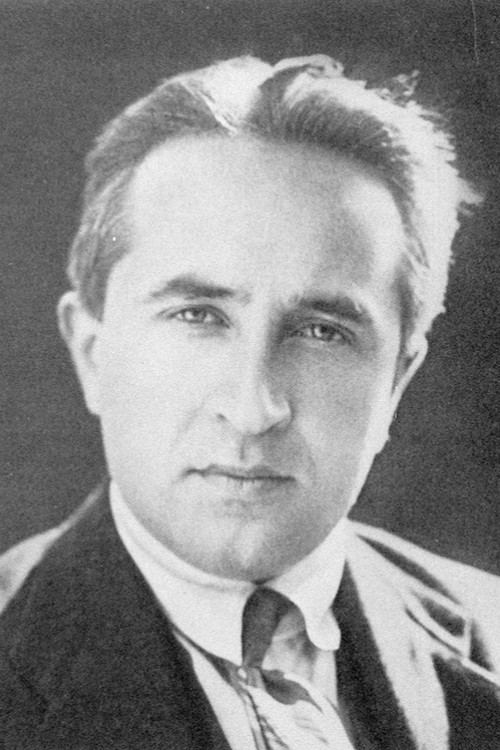
Lev Kuleshov

Lev Kuleshov

Directing

Biography

Lev Vladimirovich Kuleshov was a Russian and Soviet filmmaker and film theorist, one of the founders of the world's first film school, the Moscow Film School. People's Artist of the RSFSR (1969). Lev Kuleshov was born in 1899 into an intellectual Russian family. At the time he was born, the family became financially broke, lost their estate and moved to Tambov, living a modest life. In 1911 his father died; three years later Lev and his mother moved to Moscow where his elder brother was studying and working as an engineer. Lev Kuleshov decided to follow the steps of his father and entered the Moscow School of Painting, although he didn't finish it. In 1916 he applied to work at the film company led by Aleksandr Khanzhonkov. He produced scenery several pictures but with time he became more interested in film theory. He co-directed his first movie Twilight in 1917. His next film was released under the Soviet patronage. During the 1918-1920 he covered the Russian Civil War with a documentary crew. In 1919 he headed the first Soviet film courses at the National Film School. Kuleshov may well be the very first film theorist as he was a leader in the Soviet montage theory — developing his theories of editing before those of Sergei Eisenstein (briefly a student of Kuleshov). For Kuleshov, the essence of the cinema was editing, the juxtaposition of one shot with another. To illustrate this principle, he created what has come to be known as the Kuleshov Effect. In this now-famous editing exercise, shots of an actor were intercut with various meaningful images (a casket, a bowl of soup, etc.) in order to show how editing changes viewers' interpretations of images. In addition to his theoretical and teaching work, Kuleshov also directed a number of feature-length films. Among his most notable works is an action-comedy The Extraordinary Adventures of Mr. West in the Land of the Bolsheviks (1924), a psychological drama By the Law (1926) adapted from the short story by Jack London and a biographical drama The Great Consoler (1933) based on O. Henry's life and works. After directing his last film in 1943, Kuleshov served as an artistic director and an academic rector at VGIK where he worked for the next 25 years. Lev Kuleshov died in Moscow in 1970. He was buried at the Novodevichy Cemetery. He was survived by his wife Aleksandra Khokhlova (1897—1985) — an actress, film director and educator and her son from the first marriage.

Known For

By the Law
6.6

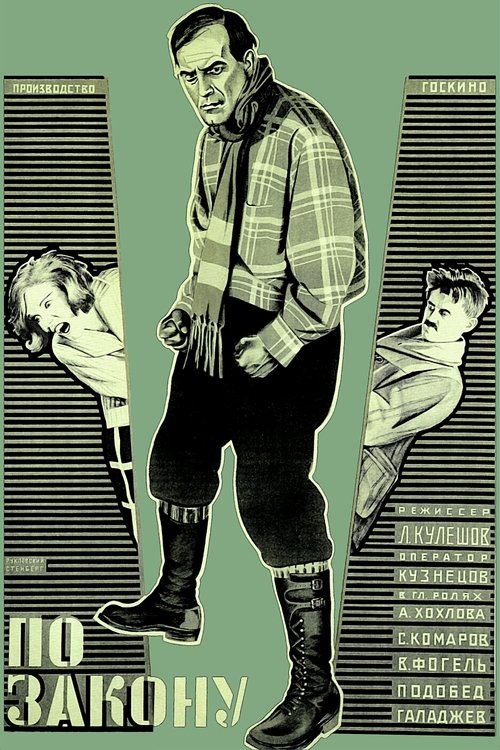
After a man kills two members of his Yukon gold prospecting team, the other two surviving members struggle to keep him subdued for the next several months until they can turn him over to the law. Based on Jack London's 'The Unexpected' (1905).

By the Law

1926
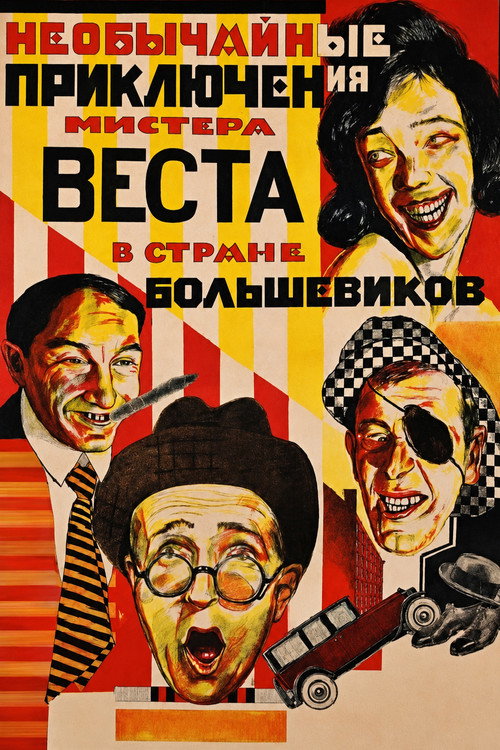
The Extraordinary Adventures of Mr. West in the Land of the Bolsheviks
5.9

An ignorant and prejudiced American’s visit of Soviet Russia goes off the rails after his luggage is stolen and he is separated from his bodyguard.

The Extraordinary Adventures of Mr. West in the Land of the Bolsheviks

1924
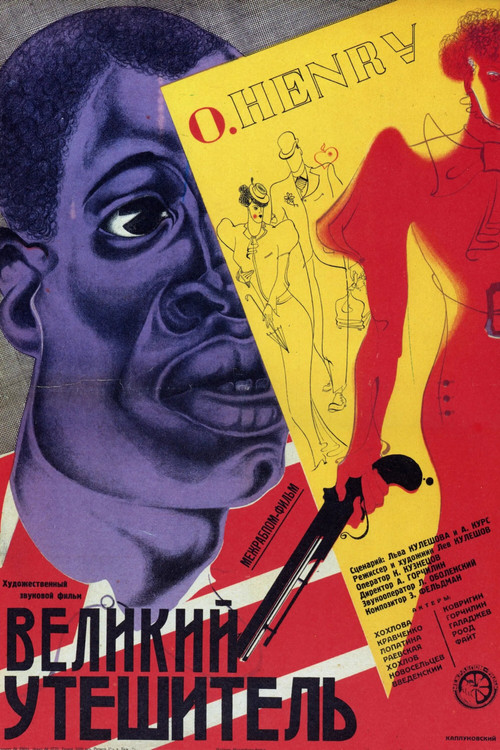
The Great Consoler
5.2

The Great Consoler is Lev Kuleshov’s most personal film reflecting both the facts of his life and his thoughts about the place of the artist in contemporary reality. It was the only film in the Soviet cinema of those years that raised the question of what role a creative person played in society.

The Great Consoler

1933
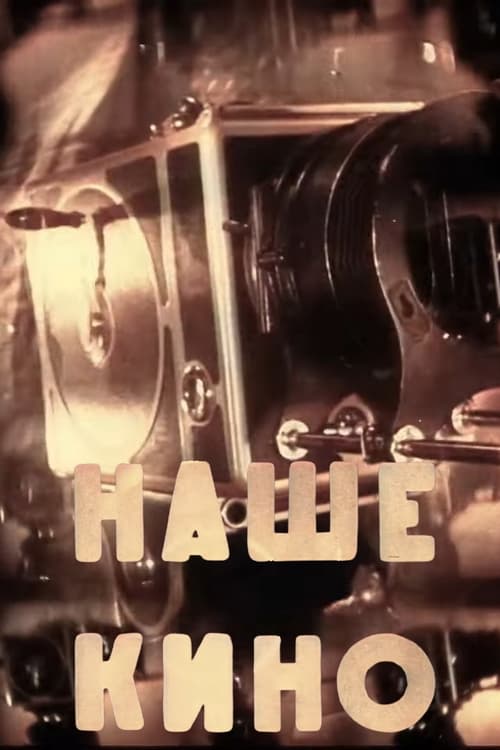
Our Cinema
9.0

No description available.

Our Cinema

1940
We from the Urals
6.5

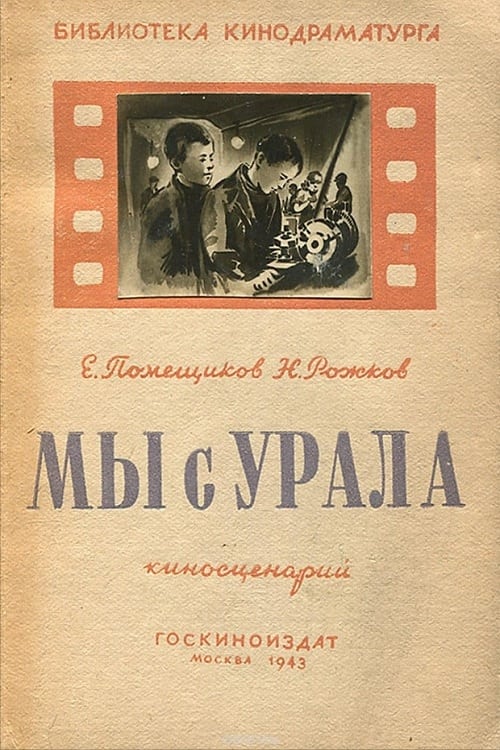
A story about two teenagers and their life during WWII in Urals district of Russia.

We from the Urals

1943
The Kuleshov Effect
6.0

An excellent 1969 documentary, S. Raitburt’s The Kuleshov Effect, made about a year before Lev Kuleshov died, and interviewing him at length, both about his filmmaking and his far lengthier career as a teacher (including some fascinating remarks about Bertolt Brecht’s Galileo). Also interviewed is the father of Russian Formalism, Viktor Shklovsky, who worked with Kuleshov as a screenwriter on a Jack London adaptation, By the Law, in 1926.

The Kuleshov Effect

1969
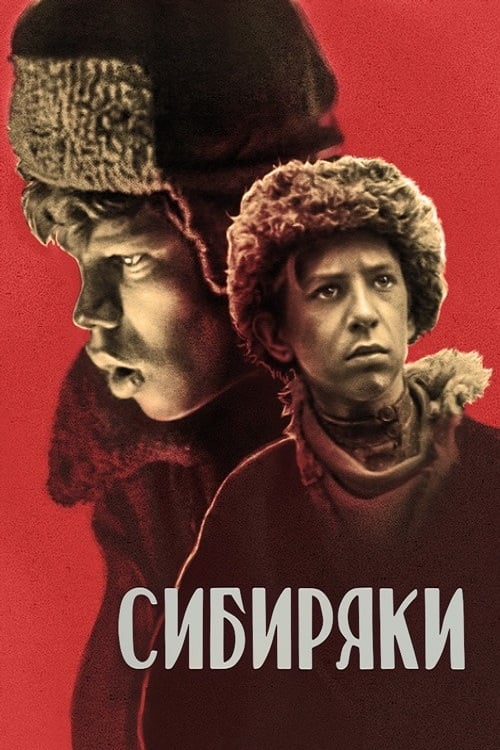
Siberians
7.0

Two six-graders are trying to find the Stalin's pipe and return it to the owner.

Siberians

1940
Incident on a Volcano
6.3

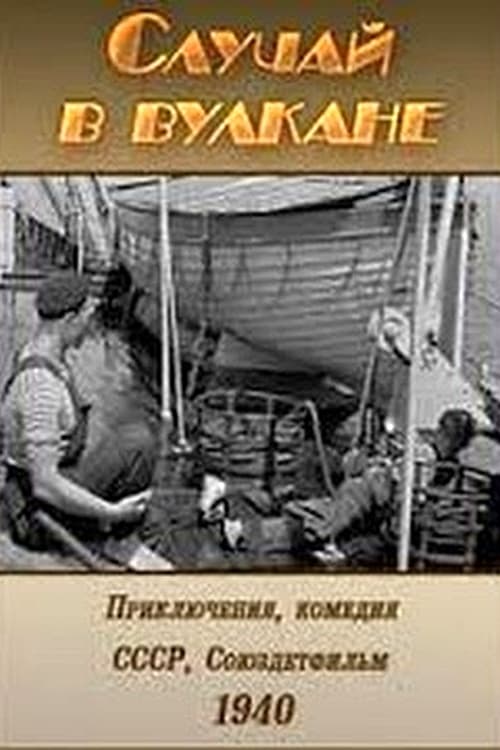
Andrei Latonin had jumped with a parachute many times before, but on the day of the holiday he got scared and stayed in the cockpit of the plane. Deeply upset by his failure, Latonin decides to leave his homeland forever and joins a steamship as a sailor. On the way, Andrei meets an expedition group heading for the crater of an active volcano and joins the scientists.

Incident on a Volcano

1941
The Happy Canary
8.0

Actress Brio working in a cafe "The Happy Canary", does not suspect that her new acquaintances Brianski and Lugovec are Communists sent by an underground committee to fight the enemy's counter-intelligence.

The Happy Canary

1929
Sasha
10.0

A Russian woman tells the tragic story of her life.

Sasha

1930
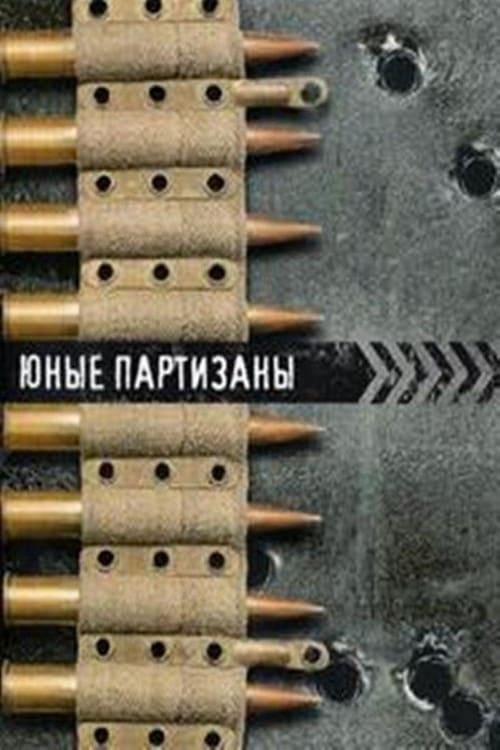
Young Partisans
N/A

This is a two-in-one flashback film in which the flashback ends up teaching a group of kids a heroic lesson that they take to heart when war comes to their doorstep.

Young Partisans

1942
Two-Buldi-Two
7.8

Naturally, the circus milieu of 2 Buldy 2 (1929) encourages stunts. A father and son, both clowns, are to perform together for the first time, but the civil war separates them, and the elder Buldy, tempted for a moment to acquiesce to the White forces, casts his lot with the revolution. At the climax Buldy Jr. escapes the Whites thanks to flashy trampoline and trapeze acrobatics; the gaping enemy soldiers forget to shoot.

Two-Buldi-Two

1929
The Exposure of the Relics of Sergius of Radonezh
8.1

This newsreel documentary was shot by Lev Kuleshov in 1919, which once credited to Dziga Vertov. A fragment of this newsreel was shown in the documentary The Kuleshov Effect (1969), where Kuleshov talked about his early film work, claiming this short newsreel as his own work.

The Exposure of the Relics of Sergius of Radonezh

1919
Miss Meri
N/A

Based on the novel The Man Who Killed by Claude Farrère.

Miss Meri

1918
Dokhunda
10.0

The screen adaptation of the novel by Tadjik writer Sadriddine Aini, telling the story of a tramp who falls in love with a rich girl, was supposed to become the first full-length feature film in Central Asian film history. But the unfinished Dokhunda was banned by the Soviet authorities when film production was already in full swing. No footage survived. This is why Izvolov had to rely on Lev Kuleshov’s draft to study and appreciate the maestro’s vision and the unique aesthetic concept, which was never to be realised during Kuleshov’s lifetime.

Dokhunda

1934
Horizon
7.0

A young Lyova travels with the hope of ascent from Czarist Russia to New York. Disappointed, he returns to the young Soviet Union and is glad to have found a simple work.

Horizon

1932
Your Friend
6.3

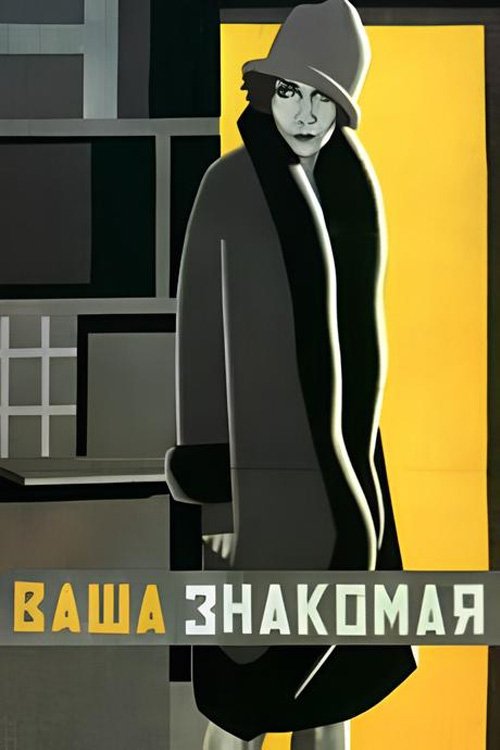
Khokhlova, a girl-reporter on a Moscow newpaper, falls in love with factory manager Petrovsky. To her he's the epitome of manliness--virile, decisive, strong-minded. Conversely, she rejects the sensitive, diffident editor Vasilchikov, who's in love with her, as unmanly. Her infatuation affects her work, and she is fired.

Your Friend

1927
For Happiness
6.2

Since Zoya Verenskaya's husband passed away ten years ago, she has been devoted to her daughter Lee. At present, Lee is in poor health, and she is in danger of losing her eyesight. Zoya's suitor Dmitry wants to get married, but Zoya is determined to wait until Lee is better. Then, on a vacation in the Crimea, they learn Lee's true feelings for Dmitry, and suddenly all of their lives are thrown into turmoil.

For Happiness

1917
Kuleshov Effect
6.4

An experiment in editing. This entry refers to both the initial, likely lost 1919 experiment, created using footage of Ivan Mosjoukine, and the later surviving recreation featuring two unknown actors.

Kuleshov Effect

1919
No image
N/A

One Kuleshov film that might be of great interest to scholars is The Breakthrough (Proryv, 1930). It was made in 48 hours. Naturally, such an unusual work did not stay in cinemas for a long time.

The Backlog!

1930