Acting
Maria Zilda Bethlem Bastos (Rio de Janeiro, October 20, 1951) is a Brazilian actress and producer.
Malhação is a Brazilian television series for the teenage audience. The soap started in 1995, and was set in a fictional Gym Club called Malhação on Barra da Tijuca, Rio de Janeiro. Through the years the location varied slightly. Although the name of the soap remains the same, it is now set in the Múltipla Escolha High School.
Os Trapalhões was a Brazilian comedy group and also a Brazilian television series created by Wilton Franco. Its members were Dedé Santana, Zacarias, Mussum and their leader Didi Mocó, that was played by Renato Aragão. The name Trapalhões is derived from the Portuguese verb atrapalhar, which means the opposite of helping, to do something the wrong way or to Those that confuse. The name is translated "Tramps" in English DVD subtitles. It was aired by Rede Globo from 1977 to 1999. On March 18, 1990, Zacarias died due to respiratory failure, but the group and the series didn't come to an end until July 29, 1994, when Mussum died due to an unsuccessful heart transplant.
The routine of the quiet town of Rio Belo changes with the arrival of Carina, a traveling actress determined to discover who her father is. At the same time, a mysterious crime involving the powerful Donana shakes the town.
Brava Gente was a television series aired by TV Globo in Brazil between 2000 and 2003, initially as a special year-end. The program was adapted from stories and national stories, and plays by famous playwrights, screenwriters and signed by a number represented by several actors and actresses. The genres of the stories varied each week with the style of each director or author. Brava Gente in the stories ranged from comedies and dramas. In all 53 episodes were shown, broadcast on Tuesday nights.
This is the story of a young couple, Dafne and Gabriel, who are separated by her grandfather Jaques, a millionaire who couldn’t handle that his granddaughter was in love with a poor guy. After an accident, Jacques is presumed dead and leaves his business to Dafne, but on the sole condition that she marries. Judith, her grandfather‘s stepdaughter, takes over the business temporarily and schemes to pair Dafne with her brother Nicholas in order to consolidate her claim. Dafne and Gabriel meet again when his unkown daughter decides to find her father, but discover that a passion is only completed when one fulfills the other‘s dream.
Helena is an independendent woman with strong emotions. More than a dedicated mother, she is also a friend to her daughter. Her daughter is experiencing difficulties in her marriage with Marcelo because of his renewed interest in a formoe girlfriend. Marcelo‘s mother deslikes Helena and would like nothing better to see her son‘s marriage destroyed. Helena starts her life over again when she falls in love at first sight with Atilio, whom she marries. Although of poor health, her daughter wants to have a baby, believing that by fulfiling her husband‘s dream, she can save her marriage. As fate would have it, mother and daughter fall pregnant at the same time, each giving birth to a boy.
Helena hides the fact that she is the daughter of a con man when she marries prosecutor Bráulio. While Stella searches for the children she abandoned, Lenin returns home and tries to rebuild his life.
With lightness and humor, the soap opera tells the story of Heloísa, a kind and hardworking woman whose life is transformed when she becomes involved with her boss's family and business partners.
No description available.
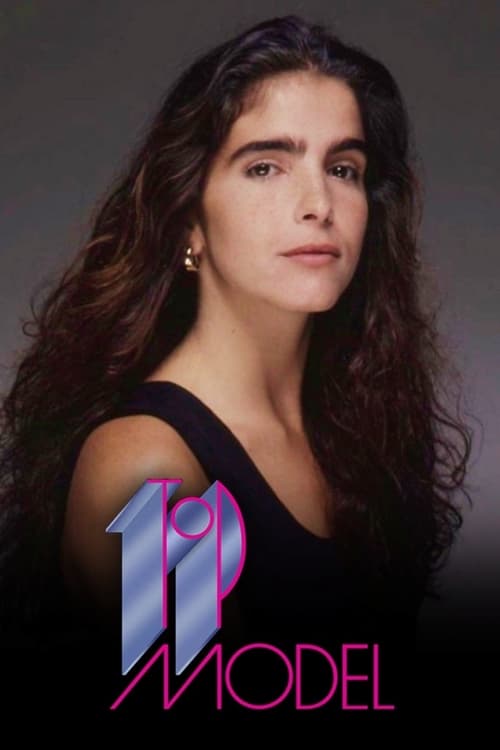
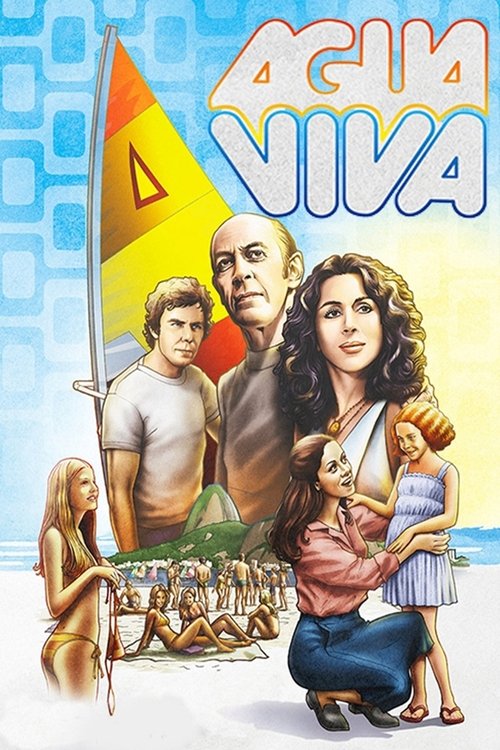
Maria Eduarda "Duda" Pinheiro is a successful top model. After being hired to model Covery brand clothes, she meets the Kundera brothers, Alex and Gaspar, owners of the company. Gaspar, a former beatnik, is over 40 but still practices surfing, lives in a beach-side house and raises five children: Elvis (named after Elvis Presley), Ringo (Starr), Jane (Fonda), Olívia (Newton-John) and (John) Lennon, all from different mothers who left them with him. Anastácia "Naná" Passos, Duda's friend and mentor, loves him platonically, and rivalizes with Mariza Borges over him. Alex by contrast is a yuppie. He and their mother Morgana have a love-hate relationship and rivalry with his brother over Morgana's attention and the company. Alex begins to love Duda, however she falls in love with Lucas, a graffiti artist who is on the run from the São Paulo police due to his involvement in a crime there. He is also searching for his real father, and thinks it's either Alex or Gaspar.
Cousins Charlô and Otávio once had a romance, but today they detest each other. However, fate plays a trick on them: they will receive a large inheritance, on the condition that they live together.
In an action-packed plot set in São Paulo, Ana gives birth to a child in Tonico's car, but abandons the baby to escape the police after becoming involved in a robbery.
The Good Side of Life tells the story of a naïve young man from the countryside who was abandoned as a newborn against the will of his mother, and who goes to the big city to look for her. There he will also have the chance to meet the love of his life once again. Candinho's optimism and good humor are his allies against life's difficulties, including the plots of two scoundrels that cross his path.
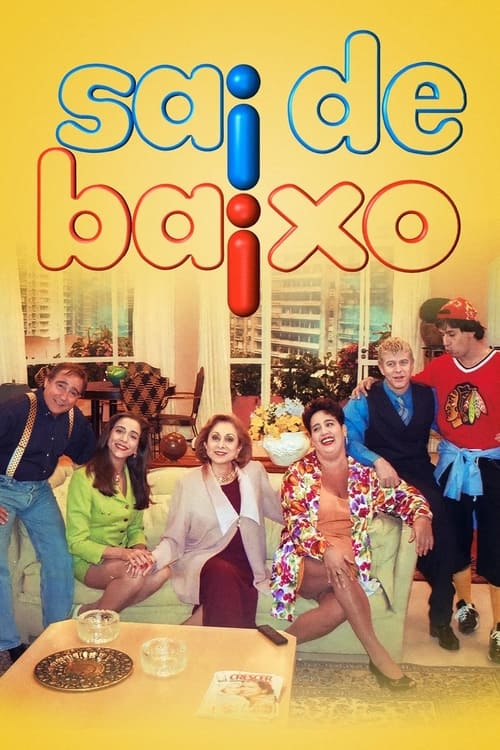
It follows the lives of the members of a dysfunctional family, their maid and the doorman of the apartment building in which they lived.
Cristiano Vilhena is a young man from the countryside who dreams of high society, risking his happiness alongside Simone.
Sisters Cotinha, Das Graças, Rosário, and Dorzinha work as domestic servants in Rio de Janeiro and face difficulties in their struggle for a better life.
Frustrated in their relationships, Claudia and Vicente meet on a trip to Colombia. Chance sparks a great friendship between them, but a kiss puts their future in jeopardy.
The synopsis was loosely inspired by an argument by Paulo José called Cidade das Formigas. It was based on what happened in the city of Formiga, in Minas Gerais, where women work for large clothing manufacturers in the country. In Formiga Real, women guarantee a large part of their families' livelihood with this work.