Acting
Polizeiruf 110 is a long-running German language detective television series. The first episode was broadcast 27 June 1971 in the German Democratic Republic, and after the dissolution of Fernsehen der DDR the series was picked up by ARD. It was originally created as a counterpart to the West German series Tatort, and quickly became a public favorite.
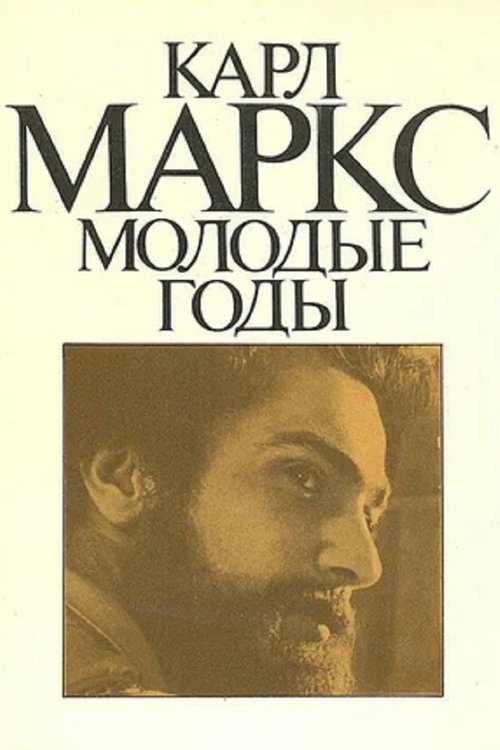
As a student at the University of Berlin, Karl Marx joins the "Doctoral Club," a refuge for young free thinkers. Karl Marx decides to devote himself to philosophy, defends his thesis, becomes a Doctor of Philosophy, but hopes to teach at the University of Bonn. When this plan falls through, Marx accepts an offer to work as editor of a Rhine newspaper...
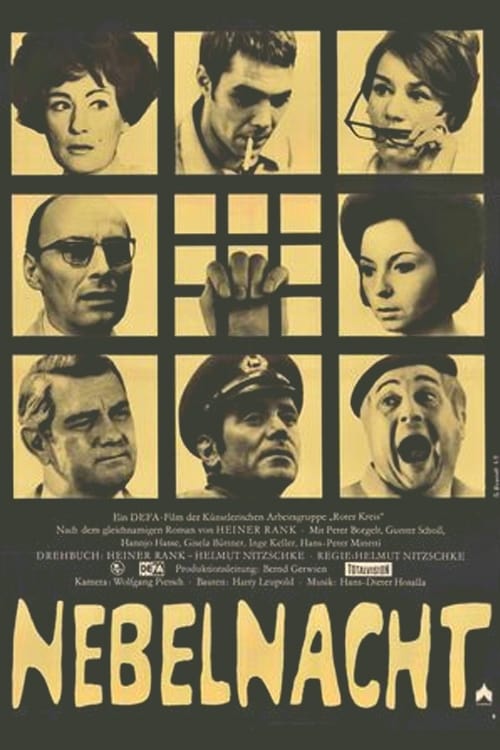
When a motorcyclist dies in an accident, lieutenant Kreutzer and his colleague Arnold receive the order to investigate the backgrounds of this mysterious case. Although the leads point to murder, head physician Dr. Nikolai, the driver of the car involved in the accident, maintains his innocence and even has an alibi. With a lot of arduous detail work, Kreutzer follows all leads and evidence. Both Nikolai’s colleagues and his son act suspiciously. Eventually, Kreutzer convicts the criminal who secretly used the physician’s car for his criminal dealings.
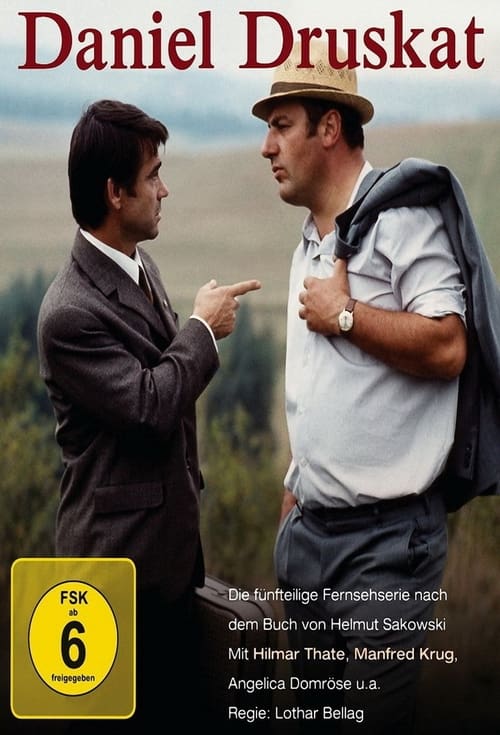
Large-scale, five-part film about the relationship between two men caught between friendship, rivalry and hatred during the first decades of GDR in the countryside.
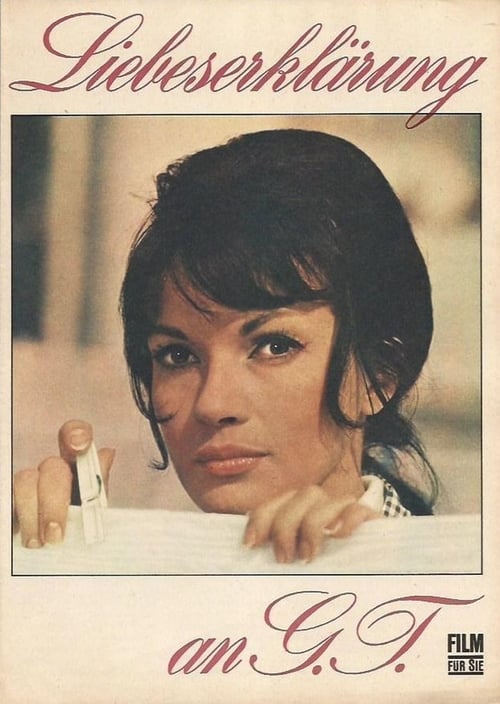
Dr. Gisa Tonius, a physicist in her thirties who has a nearly adult stepdaughter, cherishes the desire to have her own child. Suddenly, a big interdisciplinary research project threatens to significantly change Gisa′s life. Uncertain whether to look for professional or private fulfillment she asks her family and friends for their opinions. They all have different views on the point at issue. While her husband is afraid of losing her to her profession, her professor thinks that because of her talent she has an obligation towards science. In the end, Gisa reaches a decision: She wants to have a baby as well as take on the research project.
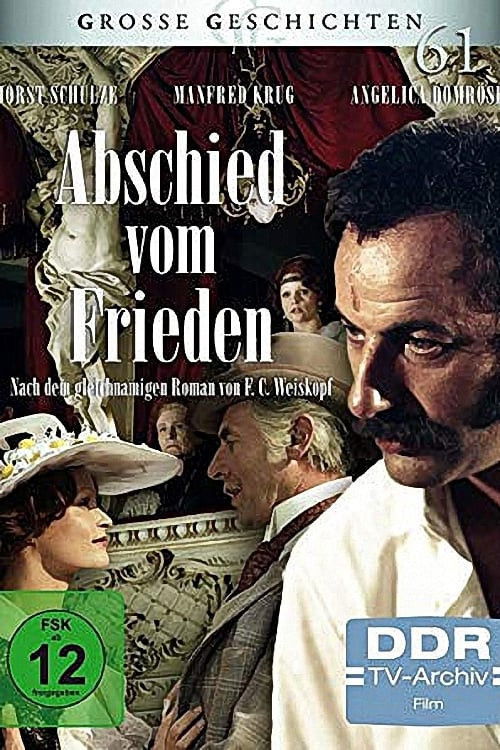
Prague 1913: The family of newspaper publisher Alexander Reither, traditionally reunited for a New Year’s dinner, moves along convoluted and secretive paths in everyday life. Granddaughter Wally is impressed by the opaque businessman Marko Gelusich. Her cousin Adrienne meets the young socialist Joseph Prokop at an illegal anarchist meeting. On a business trip to Vienna, Alexander Reither falls in love with Irene v. Claudi. Adrienne wants to move completely into Joseph Prokop’s proletarian world, but her mother Kalivoda makes her a painful announcement. Joseph already has a girl. Alexander finds Irene v. Claudi in Budapest. They spend happy days in Vienna. In Prague, the printing workers go on strike. Adrienne fights alongside the workers and Robert Kalivoda. She experiences class struggle with her cousin Guido Frank. Alexander tries to introduce Irene to the family.
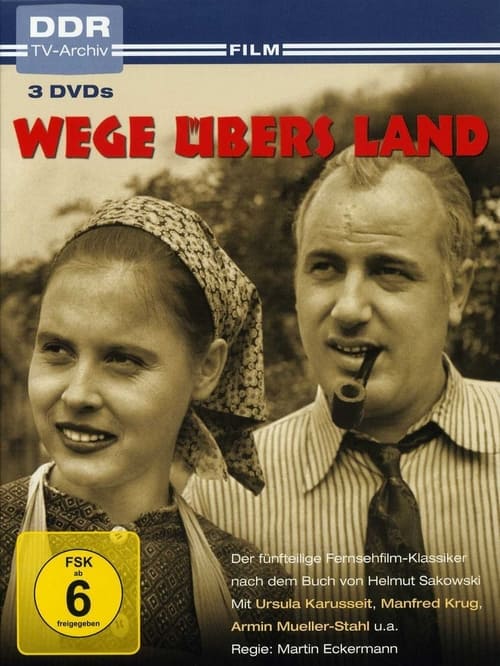
East German TV miniseries about the young maid Gertrud Habersaat, who marries, moves from Mecklenburg to Poland in the early 1940s, has to come back to Mecklenburg as a refugee during World War II and finally finds her place during the 1950s.
Two 17-year-olds, Werner Holt and Gilbert Wolzow, are pulled out of school and into Hitler's army. Gilbert becomes a fanatical soldier; but at the front, Werner begins to understand the senselessness of war.
Florian is the son an army general and very proud of him. When his father has to attend the annual 1st of May demonstration, Florian grabs his teddy bear and tries to follow his father.
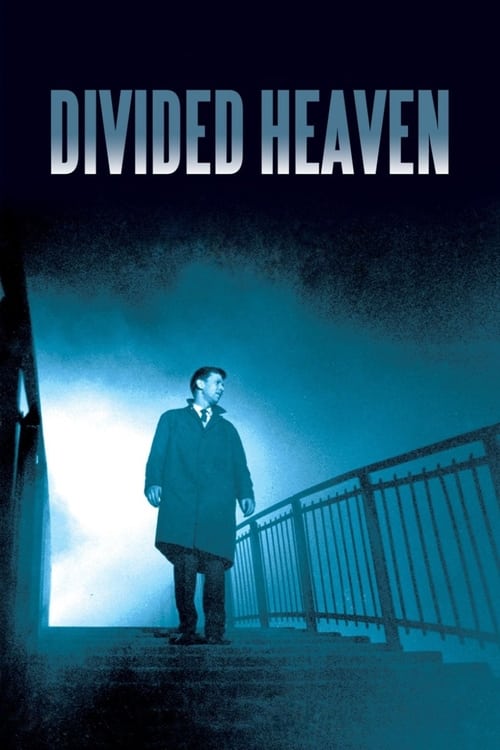
After a breakdown, Rita returns to her childhood village in 1961. As she recovers, she remembers the past two years: her love for the chemist Manfred, ten years her senior; how his enthusiasm about his new chemical process turned to bitter disappointment in the face of official rejection; how he escaped to West Berlin a few weeks before the Wall was built and hoped that she would follow him …
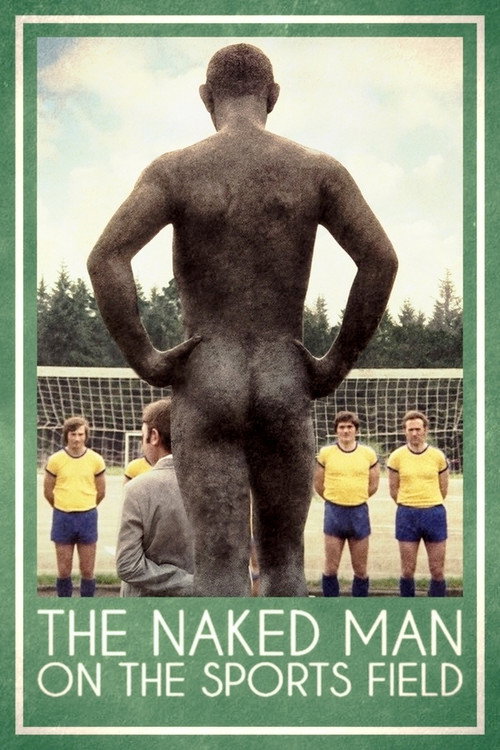
Kemmel, a sculptor with a troubled nature, wonders, as he approaches his fortieth birthday, whether he has created any truly significant work.
This first film adaptation of Bertolt Brecht’s play about class distinctions was made in 1955 in the Vienna Rosenhügel studios, but it was only premiered five years later. Curt Bois plays the rich capitalist Puntila who only becomes somewhat agreeable when he is drunk (which he is most of the time in this film). In his inebriated state, Puntila not only gets amorously involved with three different ladies but also suggests that his daughter Eva marries his chauffeur Matti. The chauffeur, however, doesn’t really agree…
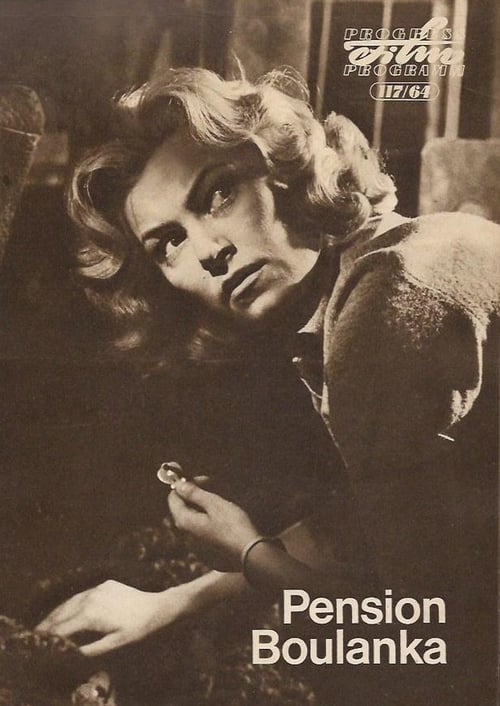
A murder has been committed in "Pension Boulanka", a famous guesthouse for artists and circus people. Captain Bruckner is heading the investigating team.
Paul Pospischiel loses his job in the great colliery collapse in the Ruhr, retrains and builds a new life for himself. One day, he receives a letter from his mother, which tears him from his comfort zone and triggers a serious conflict. She has discovered the man who sent his father to a concentration camp decades ago and is therefore responsible for his death. The mother demands accountability from this man. Paul decides to confront the suspected informer and murderer...
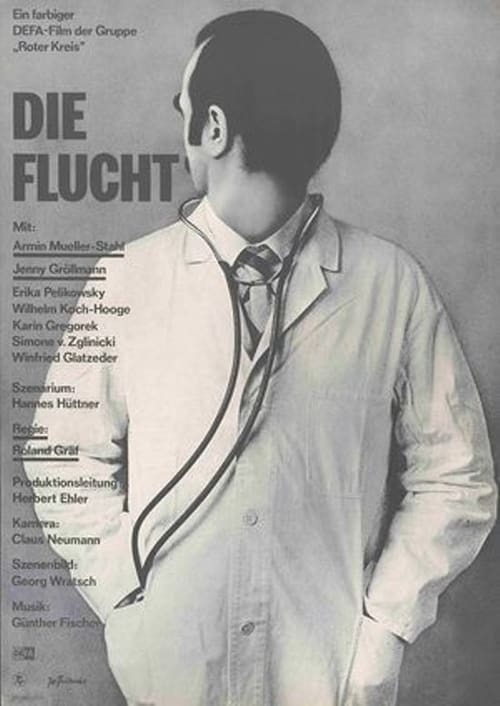
When Dr. Schmith's proposal for international research on infant mortality is rejected, he decides to leave East Germany and strikes a deal with an escape agency that promises him a leading position at a children's hospital in West Germany. But then the decision is reversed: the project is approved and his international colleagues want Dr. Schmith to head the GDR section. Moreover, he falls in love with his new colleague, Katharina. Schmith initially tries to ignore the arrangements he made with the escape agency, but they blackmail him. Things soon turn deadly...
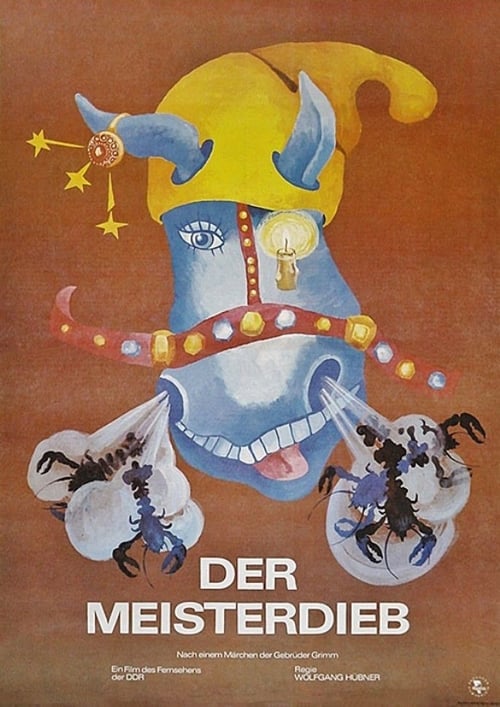
A master thief returns home. There he is threatened with the gallows if he fails to solve the tasks set by the count. So he has to steal the count's personal horse, the bed sheet and the wedding ring as well as the priest and the sexton.
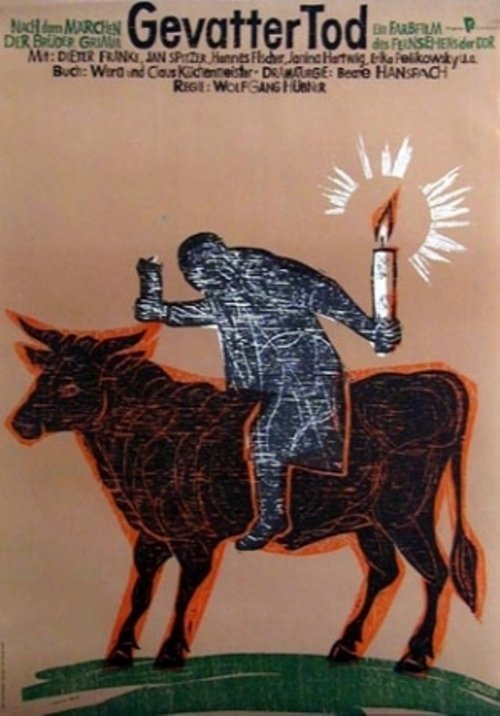
Once upon a time, there was a poor farmer who had thirteen children. Since the farmer was so poor, there was never anything left for the youngest of the family. Therefore, the farmer chose Death as the godfather of his son, Jörg, because all people are equal in the eyes of Death. The Grim Reaper is happy to look after the boy and turns Jörg into a skilled doctor who earns wealth and fame.
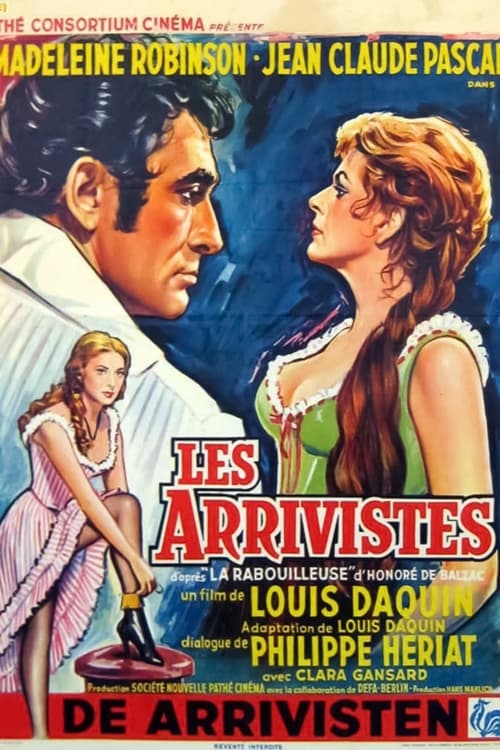
The machinations of an ex-officer and a servant who want to get their hands on a fortune.
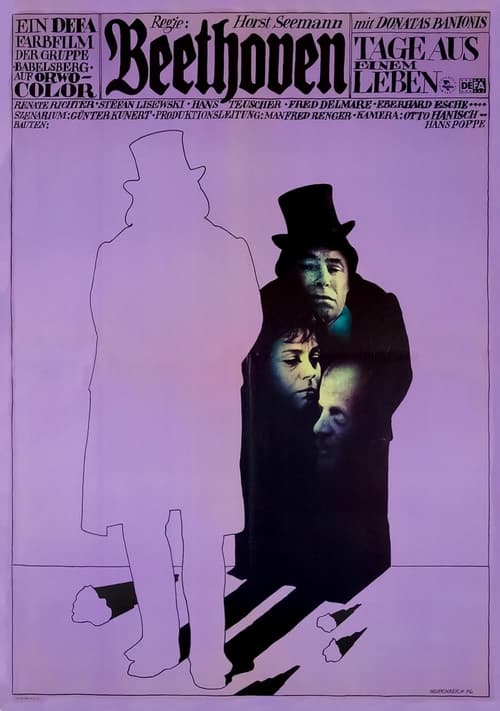
Vienna, 1813-1819: Beethoven (played by Donatas Banionis) is at the peak of his fame. Orchestras all over the world play his music, but he lives modestly and is dependent upon private patrons. Nagged by his patronizing brothers, spied upon by officials for his republican beliefs and faced by his progressive hearing loss, the composer becomes more and more isolated. Seeman’s poetic film explores the joys, heartbreak and artistic spirit of the great composer as he works on his Ninth Symphony.
In this East German film, the third one in The Third is Margit's third lover. After her mother's death, Margit has two affairs which don't work out, and one lesbian friendship which she retains. She is looking for a husband, though, and thinks she has spotted a candidate in her fellow factory worker. As she contemplates marrying him, her story is told in a series of flashbacks.