Acting
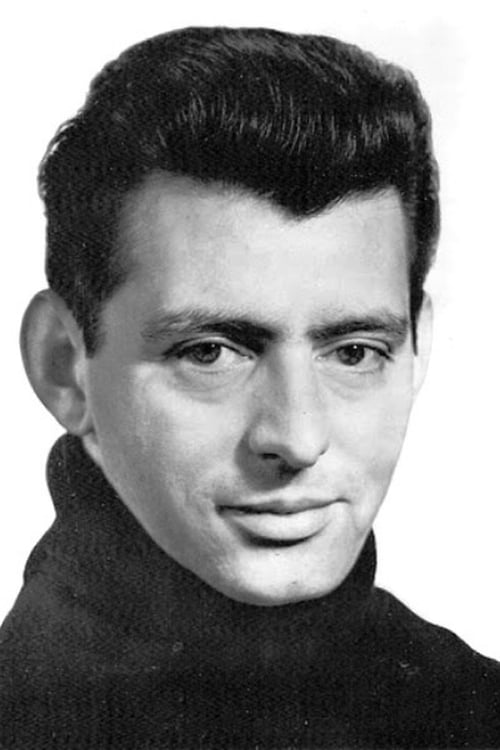
Rolf Ludwig (28 July 1925 – 27 March 1999) was a German actor.
Polizeiruf 110 is a long-running German language detective television series. The first episode was broadcast 27 June 1971 in the German Democratic Republic, and after the dissolution of Fernsehen der DDR the series was picked up by ARD. It was originally created as a counterpart to the West German series Tatort, and quickly became a public favorite.
Der Staatsanwalt hat das Wort was an East German television series.
No description available.
The film is set in the 1930s in Germany. Maria Rheine and Mark Löwenthal, two young actors working in a small theater, are in love with each other. Their love affair is interrupted by Nazi racial policies; Mark is no longer allowed to perform in German theaters because he is a Jew. In order to continue acting, he joins the newly formed Jewish Theater in Berlin. Maria, who is not Jewish, faces no restrictions on her career, and she becomes a successful actress at a big theater in Munich. But her love for Mark eventually leads her to decide to sacrifice both career and security to remain close to him. She fakes a suicide, assumes a Jewish identity and, as Manja Löwenthal, joins the Jewish Theater.
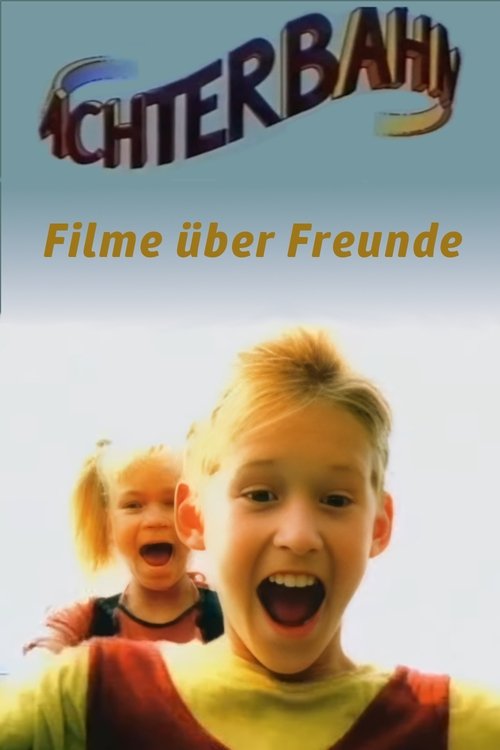
The series "Achterbahn" is about friendships and the handling of difficulties and problems from children's everyday lives.
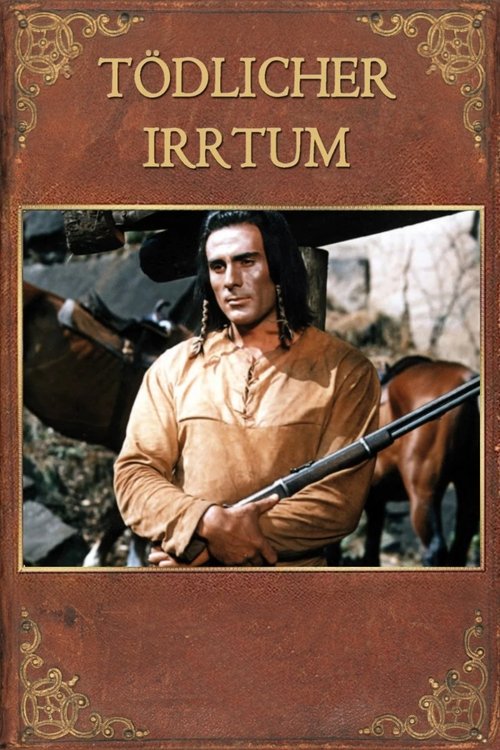
At the end of the 19th century, the Wyoming Oil Company has established itself in the vicinity of Wind River City at the foot of the Rocky Mountains, where they have been illegally pumping oil from Native American territory. One of the company's greedy agents, Mike Allison, kicks out both his white partners and the Native Americans. He has his some of his associates secretly murdered and blames it on the Native Americans, who are then killed when they get in the way of his plans. Five chiefs with lifelong shares in the Oil Company die mysteriously as a result. The young chief Shave Head asks his a half-blooded brother Chris Howard for help.
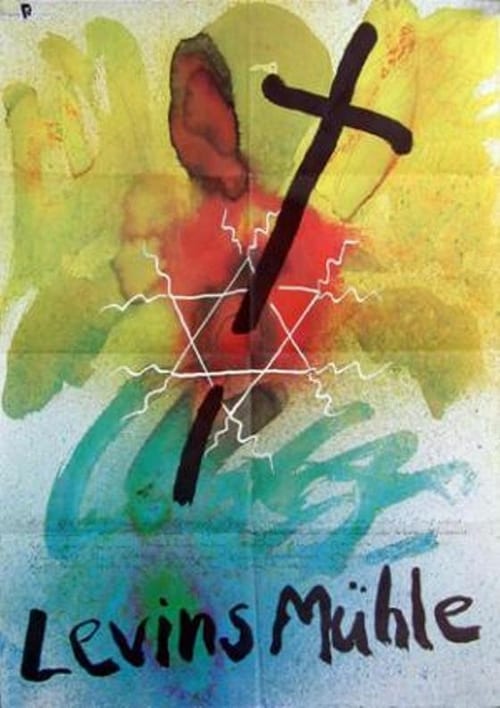
In a small village in West Prussia in the 1870s, Germans, Poles, Gypsies and Jews live together as neighbors. One night Johann, a German mill-owner, secretly opens the dam gates and floods the mill of his Jewish rival Levin. After his business is ruined and his calls for justice go unanswered, Levin leaves town.
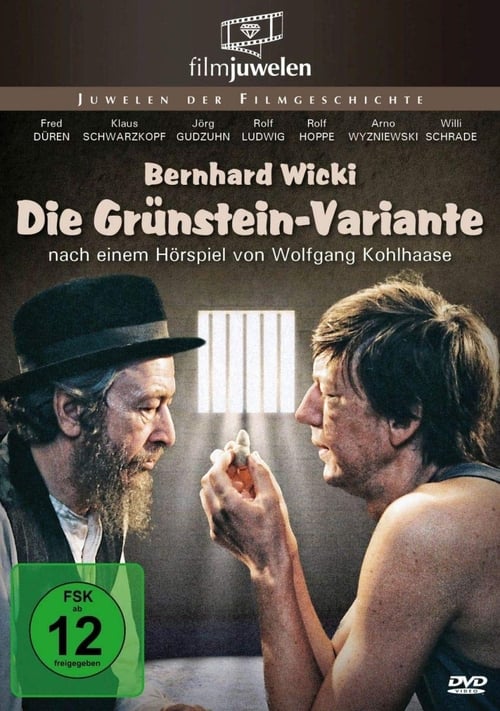
The plot revolves around three men waiting to be deported in a prison. To escape the monotony, they form chess pieces from their bread rations, with which they then play against each other. Grünstein, a Polish Jew, proves to be a real talent, because although he is a beginner, he manages to defeat even the experienced player Lodeck, a German sailor, with his "Grünstein Variant".
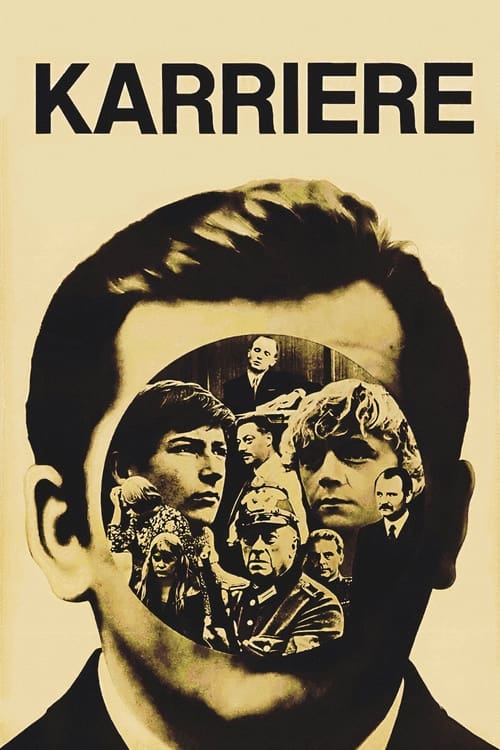
Günter Walcher, 40-years-old, is a hardworking, apolitical West German businessman caught in a moral conflict. He is offered a promotion to become the head of a division—on the condition that he find a reason to fire Zacharias, a communist and the work council chairman.
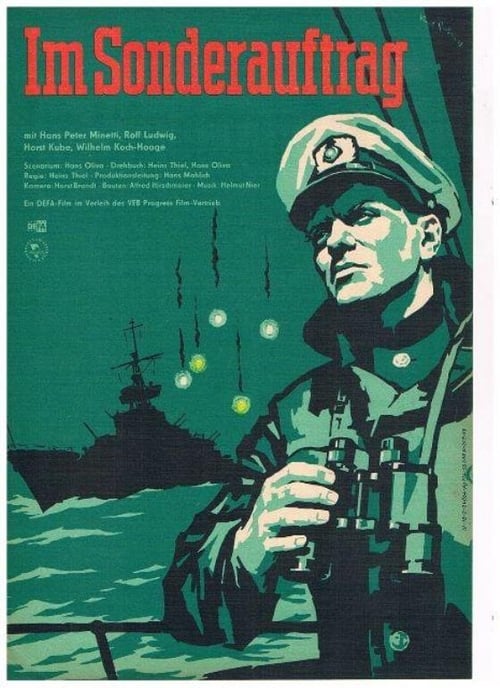
A warship returning from a training exercise was tasked with apprehending an unknown schooner that had violated GDR territorial waters. Although nothing illegal was found during the search of the ship, the ship's commander Fischer was suspicious of the owner of the schooner, Arendt, a former lieutenant of a Nazi coastal battery. Fischer's doubts were confirmed when a diver came aboard the schooner and photographed a military object underwater. The investigation showed that the detained schooner was on a sabotage mission, and the "activities" of Arendt, a former Gestapo Obersturmführer, were also revealed.
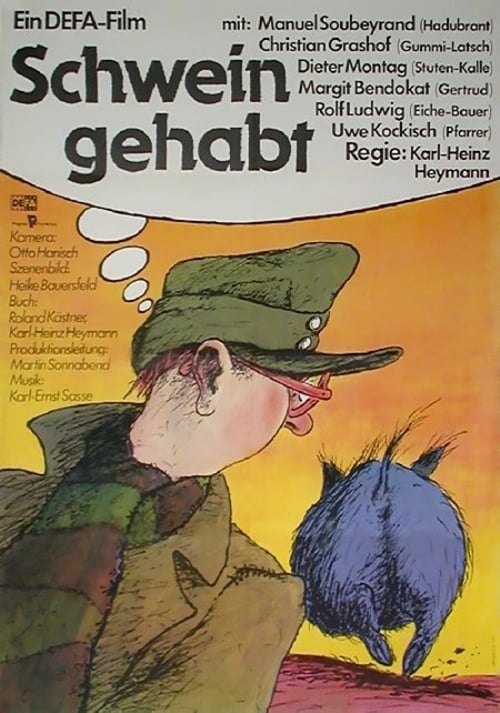
In the winter of 1945/46, new teacher Hadubrant is tricked by Olly, the 14-year-old daughter of his landlady, into stealing a wild boar. It has fallen into Olly's trap, but as game is the property of the Soviet army, Hadubrant wants to put it to good use: school meals. But others in the village are also interested in the pig. The mayor wants it to fulfill his meat plan, the priest wants to swap it for coal to heat his church, the policeman wants to return it to its rightful owner, and some simply want to eat it. The pig keeps disappearing in mysterious ways. Hadubrant's commitment to his charitable cause finally earns him a delegation to the district town for "higher duties".
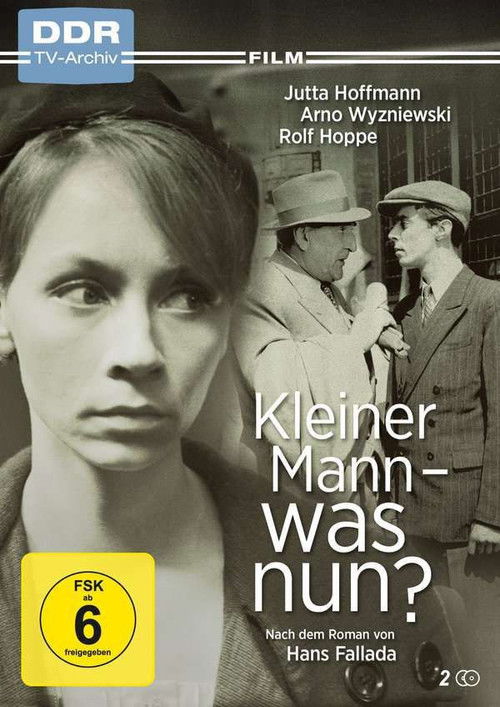
The love story of Emma and Johannes begins during the hard years of the Great Depression. Emma repeatedly tries to encourage her husband, who is suffering terribly from unemployment. However, the crisis continues to intensify and social disintegration affects millions.
Winterkind tells a tragic story of the Russian Yelena, who after seven years of captivity learns that her son Boris, born in the camp, has been adopted by a German couple.
Martin, the young protagonist of this hybrid documentary interspersed with staged scenes, is afraid of school, his father, and the future in general. He could perhaps talk to his mother, but he doesn't dare because of his poor school performance. Martin knows that he will have to repeat the year if things continue as they are.
Paul and Paula have had bad experiences with love: Paul is financially well off but has lost all affection for his wife, and Paula leads a troublesome life raising two children on her own. They meet and discover a strong passion for each other. Life seems like a dream when they're together - but their short flights from the burdens of reality are once and again interrupted by Paul's ties to family and career.
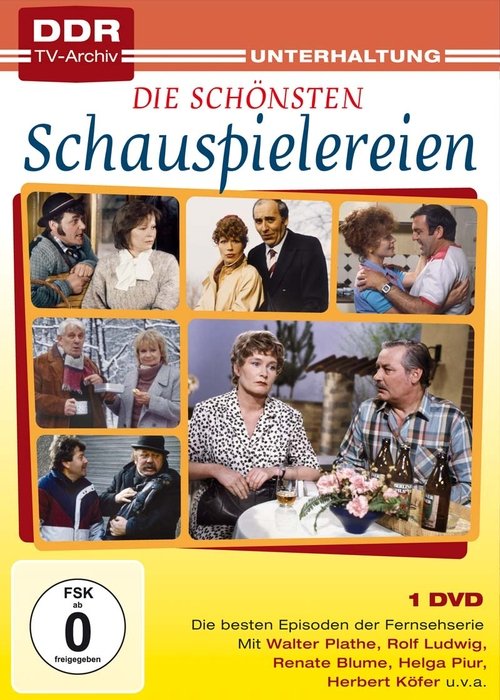
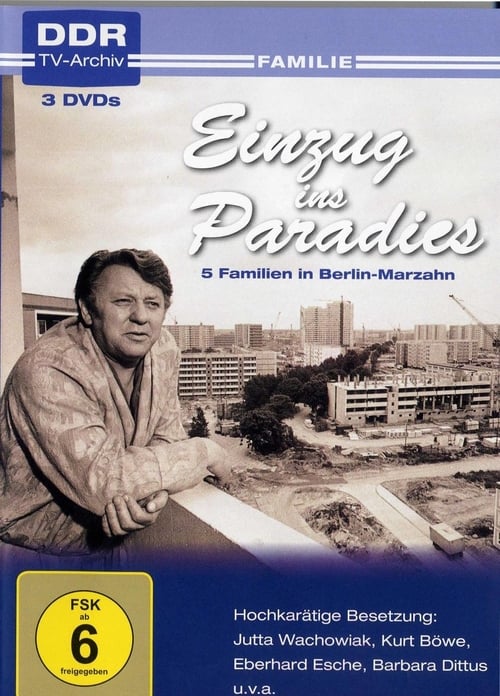
A story about life and everyday problems of a few families from East Germany.
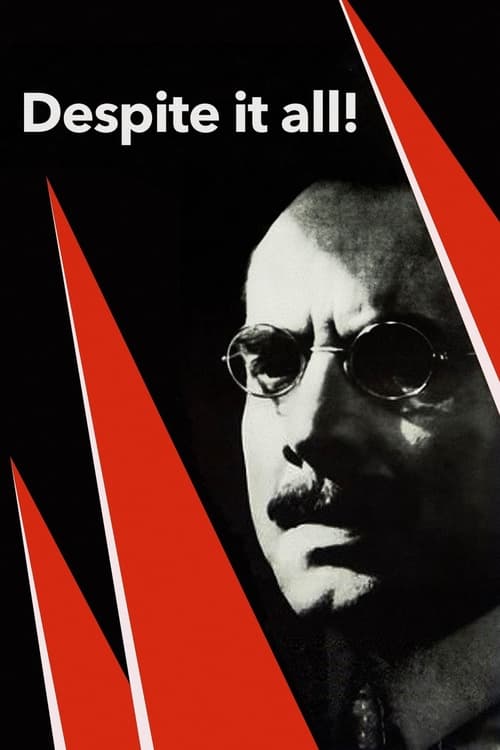
October 1918: Karl Liebknecht is released from prison and Berlin workers celebrate his release. Although WWI is almost over, the German Kaiserreich in vain sends its last reserves to the slaughter. The working class is in a rebellious mood; the uprising of Kiel’s sailors against war and militarism sets off a call for revolution led by Liebknecht. On November 9, Liebknecht declares the Free Socialist Republic of Germany. But pro-Kaiser military and right wing Social Democrats oppose him.
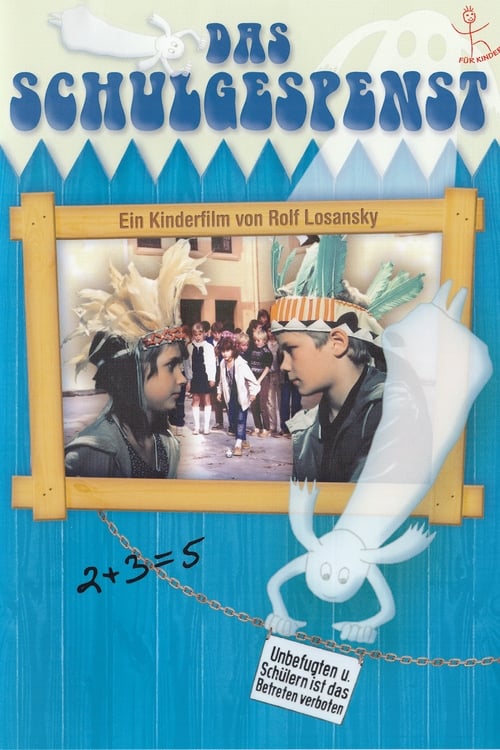
Carola is a mischievous girl who doesn't care much for school- except for sports and recess, of course. Without her good friend Willi to keep her on the straight and narrow, she would really be in trouble. One day at school, Carola has an idea. She invents what she calls "International Ghosts' Day" and a ghost named "Buh" to go with it. When Buh turns out to be less-than-imaginary the two decide to switch places, with Buh taking on all the schoolwork, and Carola taking the opportunity to play practical jokes on all her friends...
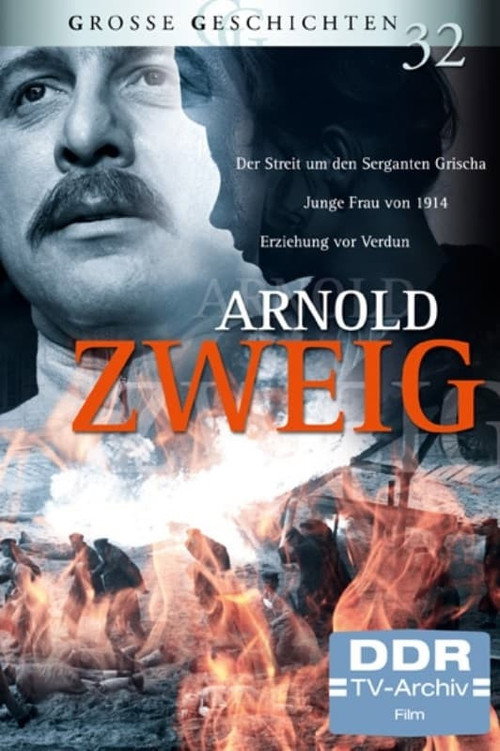
Russian soldier Grisha escapes from a German prisoner-of-war camp in the spring of 1917. He is caught and is to be shot as a spy. This decision is controversial. The dispute continues. Grisha is executed on the orders of the army high command.
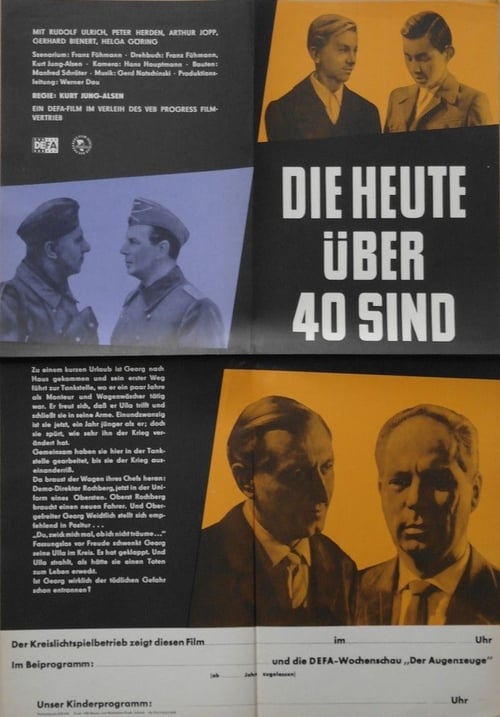
Film by Kurt Jung-Alsen.