Acting
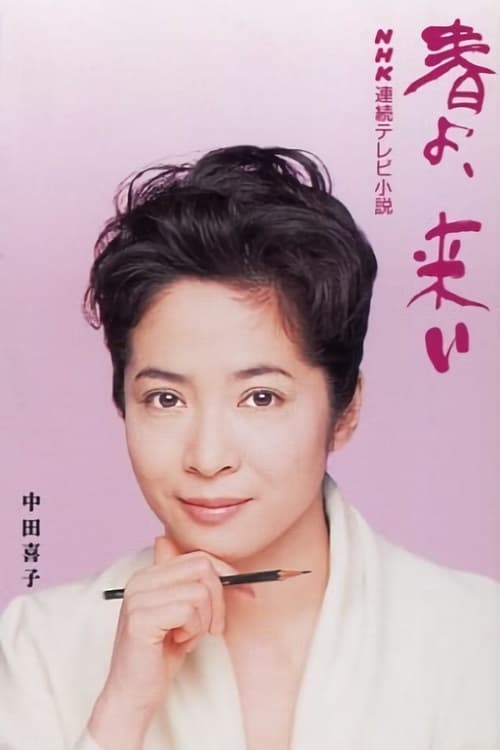
A successful screenwriter looks back on her life when she learns her husband has cancer. A year-long series, starring Narumi Yasuda.
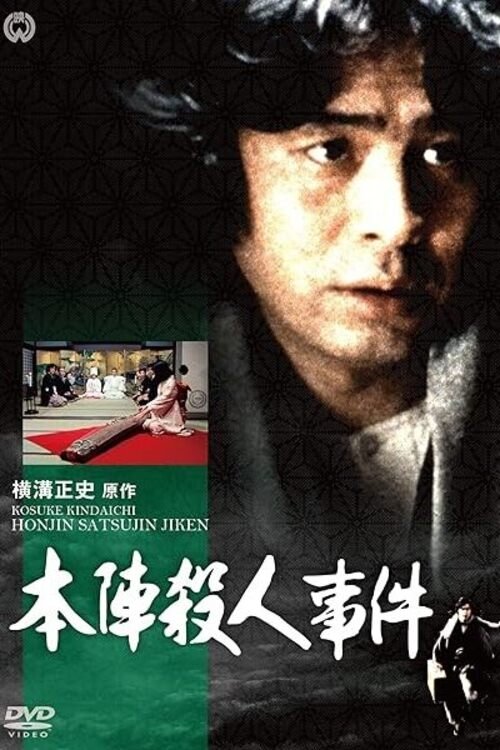
TV series starring Ikko Furuya, based on the Kosuke Kindaichi mystery novel series by Seishi Yokomizo.
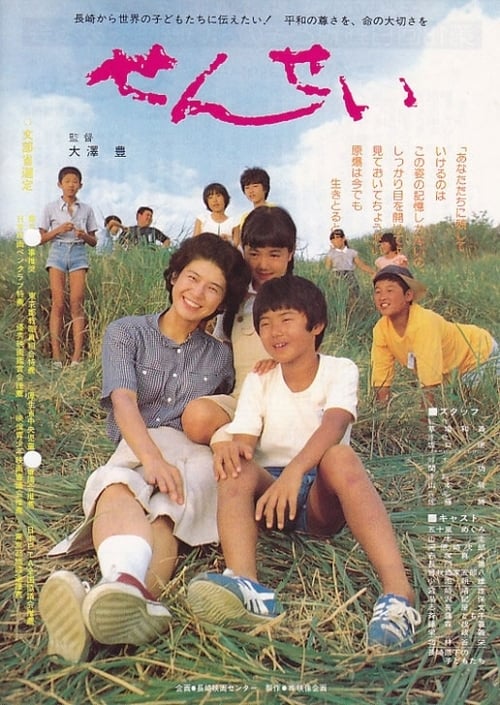
Japanese film.
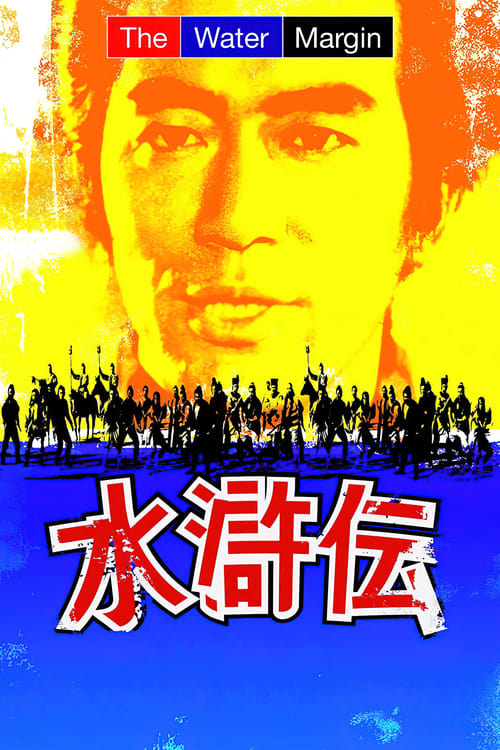
The Water Margin is a Japanese television series based on Water Margin, one of the Four Great Classical Novels of Chinese literature. The novel details the trials and tribulations of 108 outlaws during the Song Dynasty. This adaptation follows Lin Chung and his clashes with the local government official Kao Chiu. The Water Margin is famous for its, sometimes obscure, but memorable philosophical quotes, such as "Do not despise the snake for having no horns,for who is to say it will not become a dragon?""
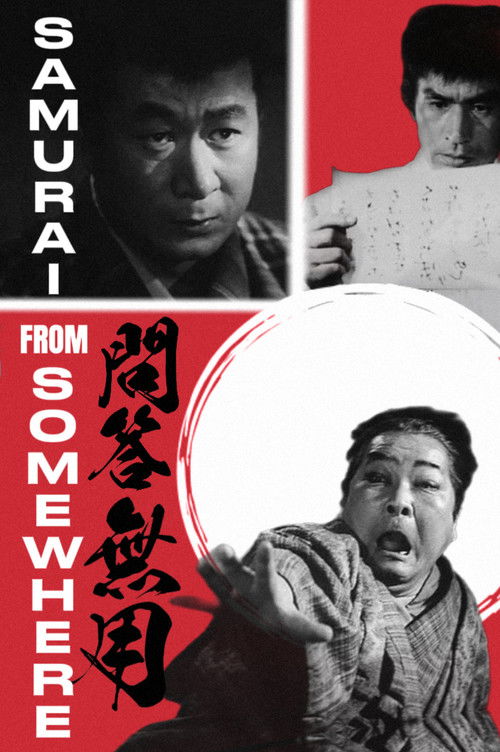
Young Lord Takenaka stands to succeed his father until a series of violent actions lead his retainers to think that he has gone mad with blood-lust. Never offering any explanation, he continues his seemingly unprovoked attacks until he is sent away from his domain.
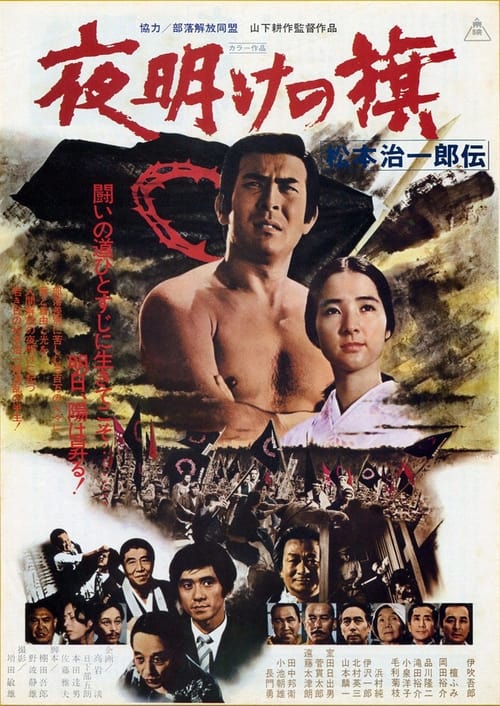
The story chronicles the life of Ii Naosuke.
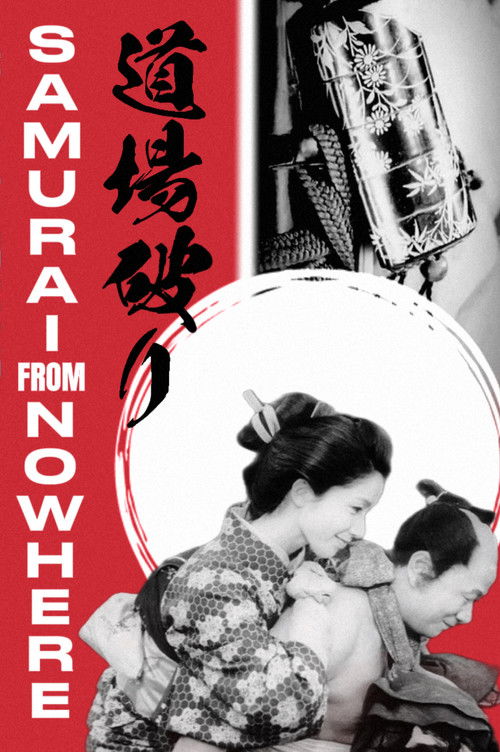
Misawa Ihei (Nagato) is traveling with his wife Tae (Iwashita Shima) who abhors the practice of sword fighting for prize money. Tae is the daughter of the clan's chief counselor who married the low-ranking Ihei to avoid becoming the clan lord's mistress. Into the mix comes Oba Gunjuro (Tetsurō Tamba), a mysterious ronin who will do anything for money. This leads to a fitting climax as the forces of hate and love converge while the couple attempt to break through the border!
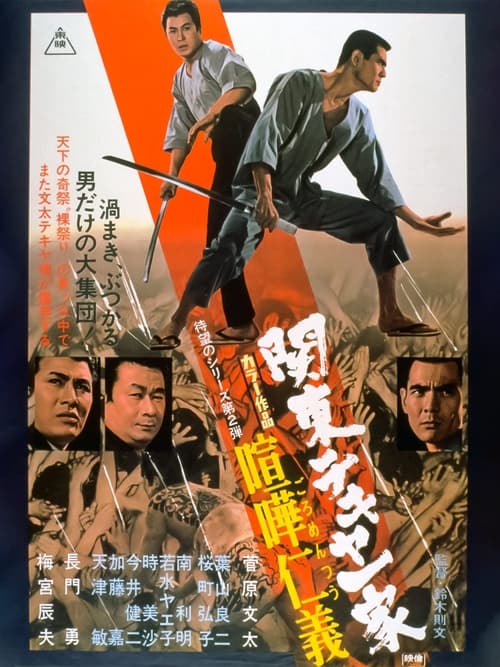
The second film in the Kanto Street Peddlers Clan series starring Bunta Sugawara.
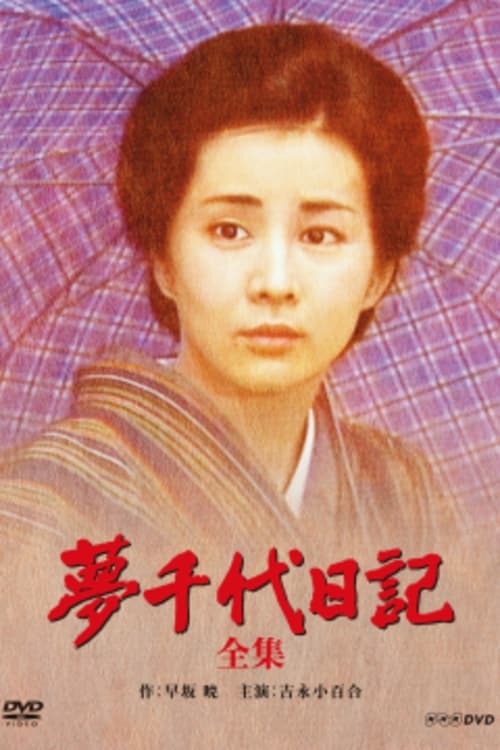
Yumechiyo is the madam of a geisha house in a remote hot spring in the San'in region. When Yumechiyo learns that she is dying of leukemia caused by the atomic bomb, she writes about her life in the form of a diary, which is a collection of human dramas and the joys and sorrows of her life.
No description available.
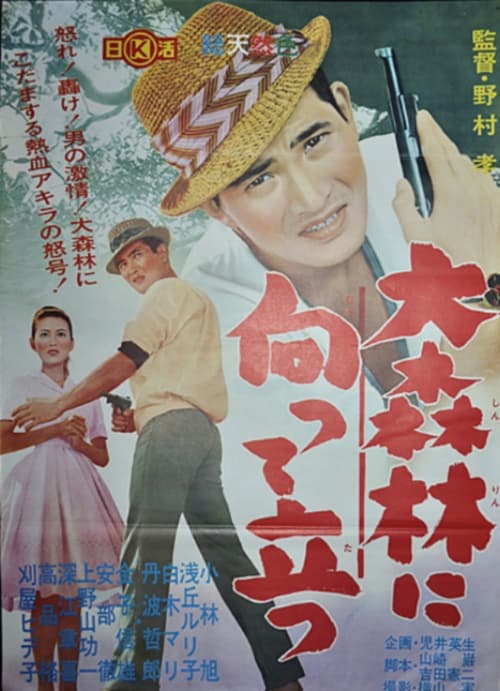
Strife between competing lumber mills.
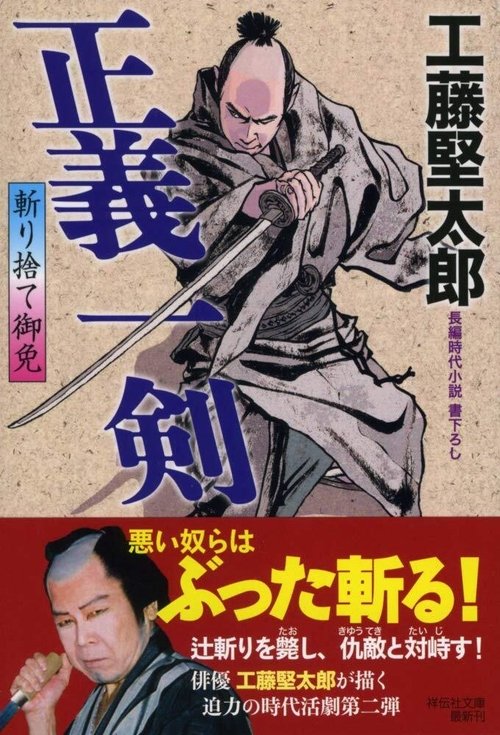
We're in Shamisen-bori of the bustling city of Edo. The officers of Guardhouse 36 monopolize the popularity in Edo. They're strong against evil, soft in compassion. Even the shogun depends on them. They're called the “Kirisute Bansho”... with a right to kill.
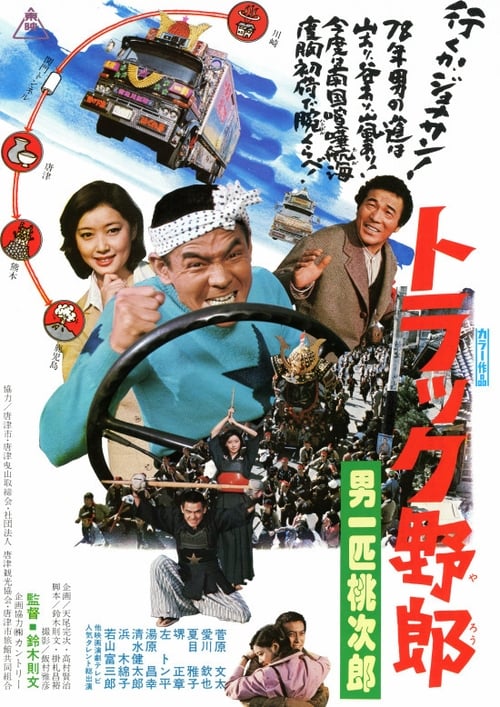
The sixth film of the “Truck Yaro” series. Two long-distance truckers, Momojiro and Kinzo, travel around Japan in highly decorated trucks. In Kyushu, Momojiro falls in love again... this time with a beautiful college student Masako.
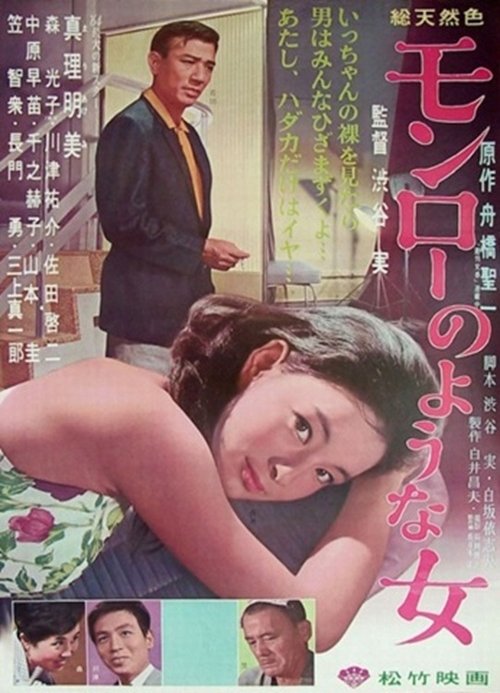
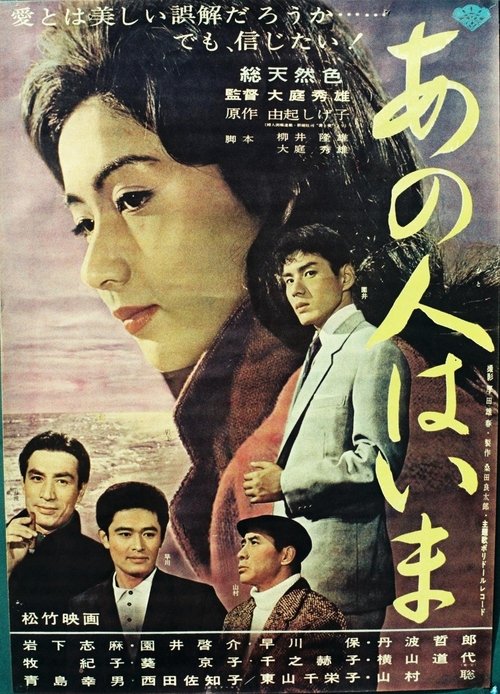
1964 Japanese movie
Shiba, a wandering ronin, encounters a band of peasants who have kidnapped the daughter of their dictatorial magistrate, in hopes of coercing from him a reduction in taxes. Shiba takes up their fight, joined by two renegades from the magistrate's guard, Sakura and Kikyo. The three outlaws find themselves in a battle to the death.
1963 Japanese movie
Part 7 in the Gambling Den series. This time Koji Tsuruta is a gambler who feels sympathetic towards a woman whose naive husband is driven to a debt trap by a rotten gambling den owner (Tatsuo Endo) and his dishonest card dealer (Isamu Nagato). The plot is standard stuff and features too much talk, but there's also a decent balance between melodrama and lyricism in the form and storytelling. Tsuruta was a perfect fit for these kind of roles, with the stoic and emotional sides nicely mixed in his screen persona.
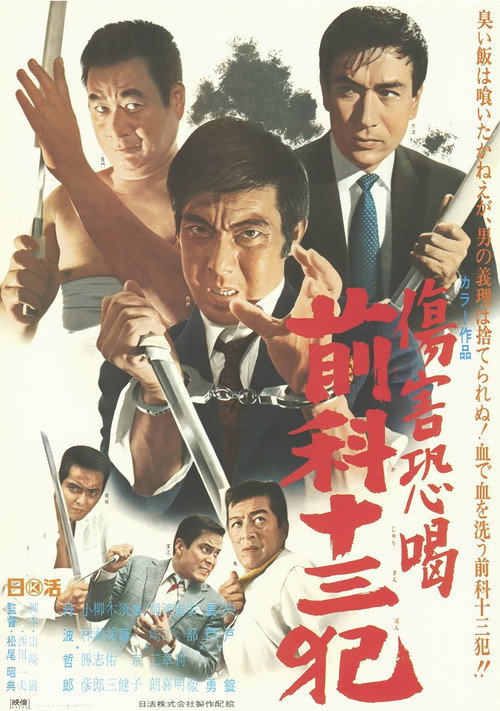
Mineoka Group executive Okitsu Seiji is imprisoned for the 13th time for attacking rival Kuronuma. While in prison, he learns that the Kuronuma Group has retaliated by killing its leader and seizing territory. Upon his release, he embarks on a revenge campaign.
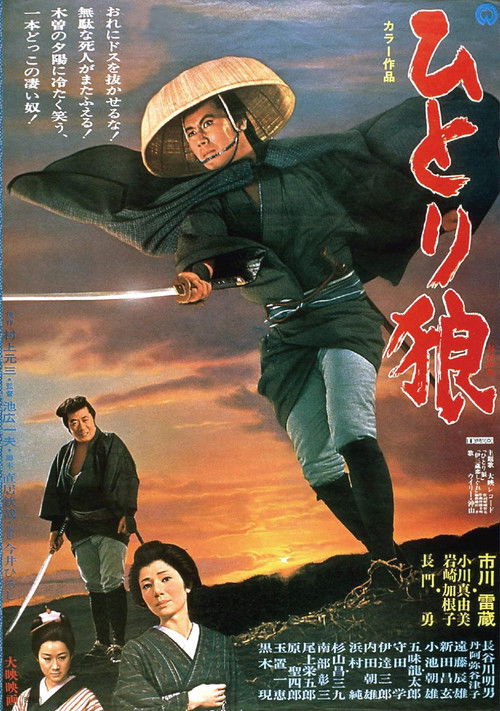
Isazo is a traveling gambler and living legend in the world of yakuza, known for his swordsmanship and bravery, his impeccable manners, and his brilliant talent in gambling. One late fall at an inn in Kiso Fukushima, Isazo befriends a young boy whose mother turns out to be his old love Yoshino, with whom he was not unable to consummate a marriage due to the class differences between them.