Writing
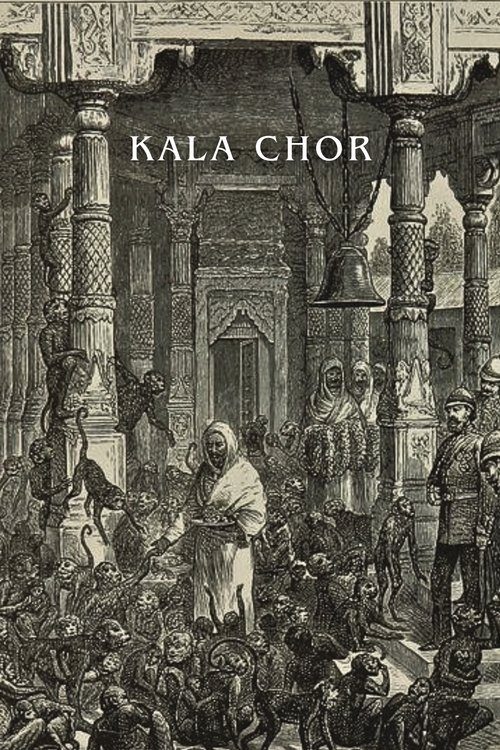
An early silent drama centered on a notorious "black thief"
An elder brother's sacrifice to educate his sibling leads to family strife when the younger brother marries into a rival family, sparking betrayal and tragedy that tests their bonds.
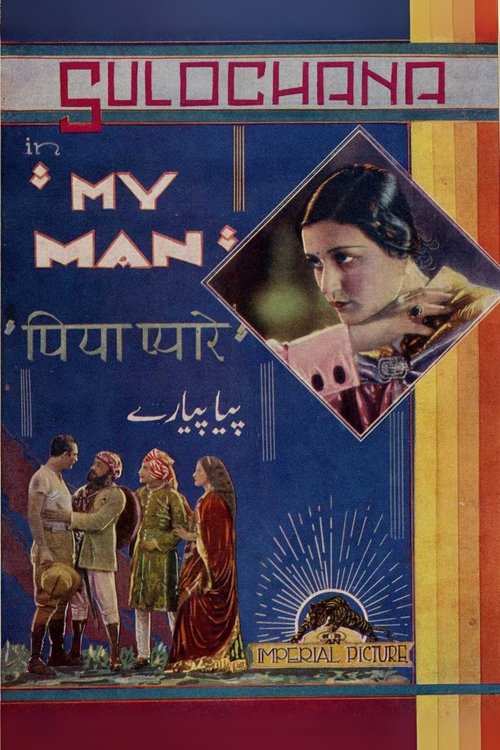
Indian silent film starring Ruby Mayer (Sulochana), released in 1926.
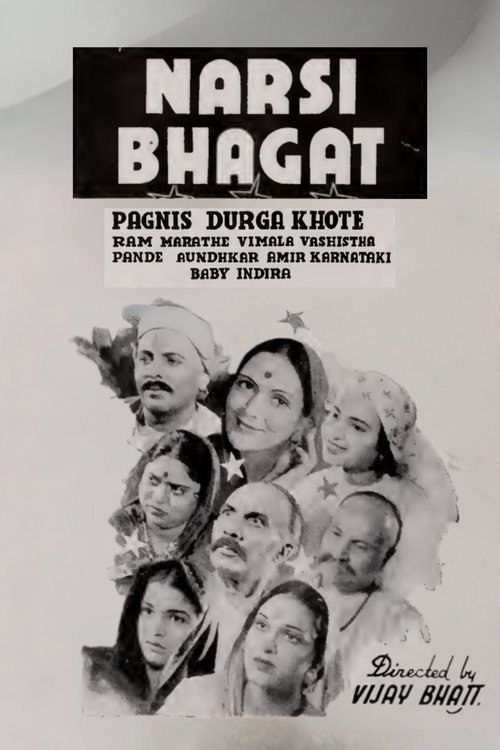
A man's birth is foretold by an astrologer: he will follow a prostitute, wield a knife, and face the gallows. These prophecies come true in unexpected ways, as he finds salvation through a sacrificing prostitute, becomes a surgeon, and battles personal demons, all while grappling with destiny.
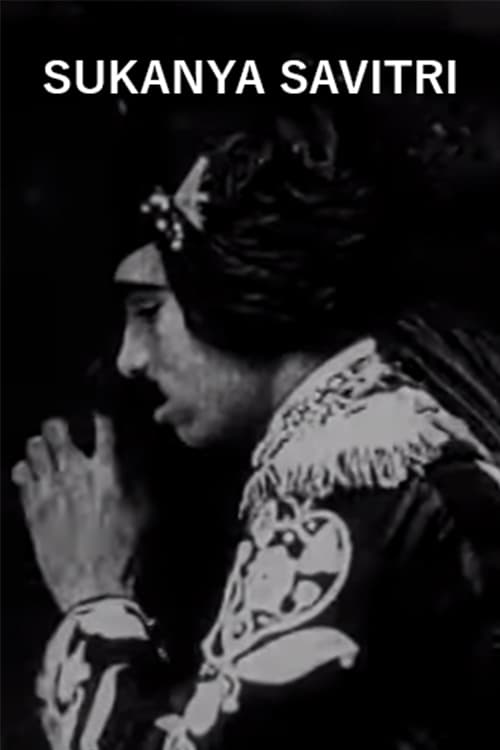
This film tells two independent stories from the Mahabharata. The first part features the princess Savitri, who stands by her husband, the woodcutter Satyavan, when he is marked by Yama, the god of Death. When Yama fulfills his prophecy and takes away Satyavan's life, Savitri pleads with him and eventually wins her husband back. There are extraordinary scenes showing Savitri's pleas with the god sitting astride a buffalo somewhere between heaven and earth, intercut with shots of the couple's idyllic life as Savitri tends to her blind parents-in-law. The second half narrates the legend of Sukanya, the daughter of Sharyati. Seeing a large ant-hill, and unaware that it has been built over the meditating sage Chyvana, she blinds the sage and, in return, is forced to marry him. She tends to the old and decrepit man, and he changes into a handsome youth.
This love story claims to uphold the tradition of domesticated female virtue. The story tells of virtuous Sushila and her husband Pratap, who leads a peaceful life until her former suitor Jaswant arrives on a social call. His appearance prompts Pratap to suspect his wife's marital fidelity and he drives the visitor away.
1940 Hindi film
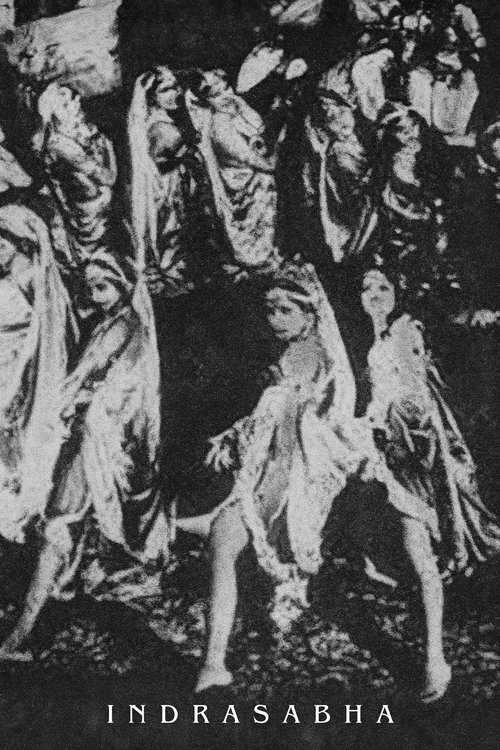
A silent fantasy film centered on the court of the god Indra. Based on Agha Hasan Lakhnavi's play Indrasabha
Amar (Bilimoria) and Ila's (Shantakumari) love is disrupteted by the dashing Samar (Ishwarlal). The rivals get embroiled in the Kashmir war and Samar dies in Amar's arms. Amar returns to find that Ila has become an ascetic but they eventually get married.
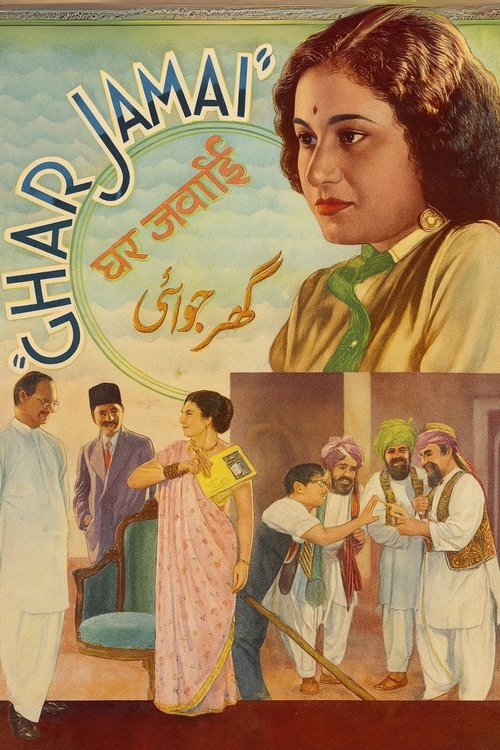
Mafatlal, an unemployed wanderer, is kicked out of his home with a mission: get rich. He chases a "resident son-in-law" ad, plots lawsuits, and even fakes being a station-master, enduring robbery along the way. Ultimately, he's chosen by Heeralaxmi, a woman with "advanced views." The film is packed with quirky women campaigning on bizarre platforms, a comedy subtly exploring male anxieties in the face of female liberation.
Pradip, a poor artist, lives with his sister Rajani, a child-widow whose past he doesn’t know. Wealthy Rohini falls in love with him, but her guardian schemes to marry her to his wastrel son for money. Rajani briefly returns in disguise as a dancer, then withdraws again, and Rohini’s love story with Pradip collapses under the weight of deceit, duty, and misfortune.
The King of Yemen, after gaining the ability to speak with animals, tragically discovers he's accidentally thrown his son into the ocean. He tells his Queen, then mysteriously becomes incapacitated. His only cure: a magic flower from the mouth of Princess Meherangez of Sistan. Heroic Prince Umar sets out to retrieve it.
This film claimed realist intent, mainly for its thinly veiled allusions to a major scandal in Bombay known as the Champsi-Haridas murder case.
No description available.
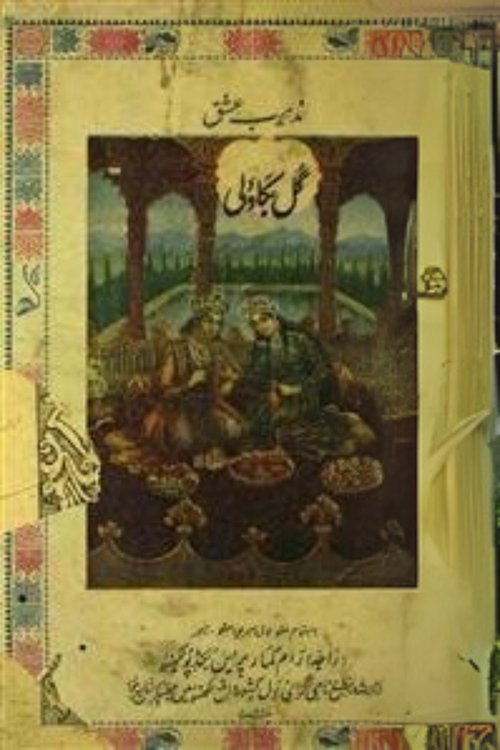
Based on a popular legend, this silent film tells the story of the fairy Bakavali and her divine flower, the Gul, which possesses healing powers. Taj-ul-Mulk, a prince from the East, seeks the flower to cure his blind father. The legend's origins are debated: one version traces it to a 19th-century translation of a Persian tale, while another points to a 16th-century narrative from Abely Sheikh. The story was a favorite on the Parsee stage, particularly the scenes where Taj-ul-Mulk battles his villainous brothers, who steal the flower. The tale also features Bakavali turning to stone and her eventual human rebirth.
The ancient Indian epic of the Ramayana. It follows Prince Rama, his wife Sita, and his brother Lakshman as they embark on an exile to the forest. During their time there, events unfold that lead to the abduction of Sita by the demon king Ravan. The narrative then chronicles Rama and Lakshman's journey to find Sita, their encounters with various allies, and the ultimate conflict to rescue her from Ravan's kingdom.
The story for this film was derived from the Bawla murder case. The maharaja of Holkar fell in love with a dancing girl named Mumtaz (Moti) who spurned his advances because she loved another man. In fact, the maharaja had the man kidnapped in full public view and killed.
In a Rajput-style court, the king's younger wife, Taramati, is condemned for infidelity, and her son Chandrakumar is sent away. The king's elder wife has twins: Princess Chanda and the deceitful Jaisingh, who is later revealed to be an imposter. The romantic outlaw Rohil helps restore order to the kingdom, delighting Princess Chanda. It is eventually discovered that Rohil is the long-lost son of the good chief Sajjan Singh. The film features elaborate scenes of a tiger hunt and a cheetah taking away an infant Rohil.
The Gupta period depicts battles between Ujjain and Kanauj kingdoms, featuring Amber, Prince Tikka, and Madhuri, who defeats Kanauj's commander and rescues Amber.
Hero Kishenprasad is an upright engineer with a large family, including his wife Lakshmi, mother Valibai, sister Asha and son Bachoo. He gambles away his happiness and is about to be jailed for embezzlement when he is saved by an honest fellow employee, Hamid, who takes the blame. The villains are his secretary Kassum and Sukhlal, a rich man who wants to marry Asha. When his advances are spurned, he alleges that he had an affair with Kisheprasad's wife, Lakshmi.