Günther Rücker
Writing
Known For
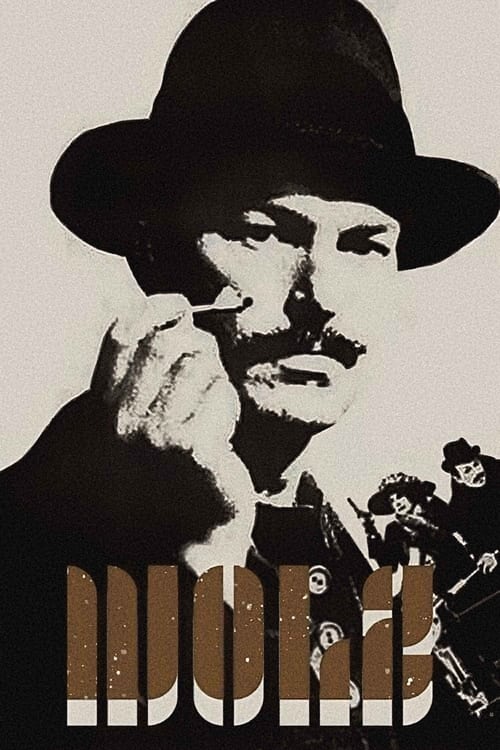
Soldier Ignaz Wolz returns from WWI with an immeasurable hatred of capitalist war profiteers. He decides to start his own revolution, but tries to stay away from the organized class struggle. He steals from the rich men and divides the wealth among the poor. One day, Wolz is arrested and sentenced to life in prison; seven years later he is released due to mass protests. More than ever, it is hard for him to fit in. He severs ties with his former companions, who reject his ideas, and leaves Germany.
Wolz – Life and Transfiguration of a German Anarchist

In this East German film, the third one in The Third is Margit's third lover. After her mother's death, Margit has two affairs which don't work out, and one lesbian friendship which she retains. She is looking for a husband, though, and thinks she has spotted a candidate in her fellow factory worker. As she contemplates marrying him, her story is told in a series of flashbacks.
Her Third
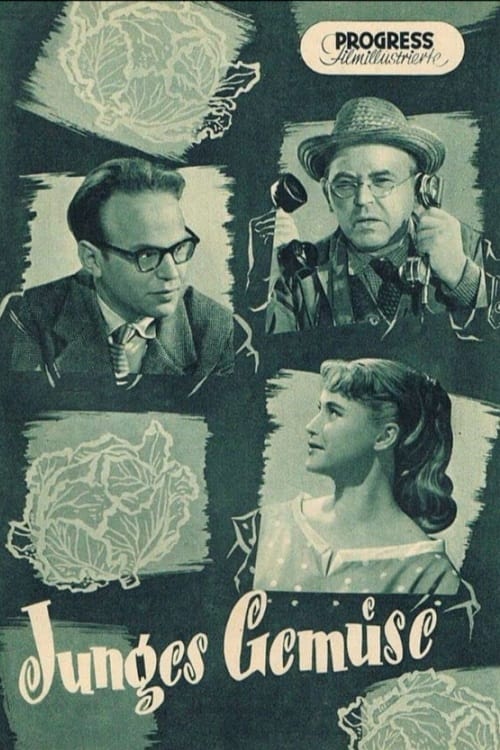
At a GDR farm, VEAB chief Amann bans cabbage in favor of cauliflower, enraging LPG accountant Gritt. Mistaking visiting writer Hans Brauer for a high-level inspector, Amann backpedals, clearing the harvest issue, while Brauer and Gritt spark an unexpected romance.
Junges Gemüse
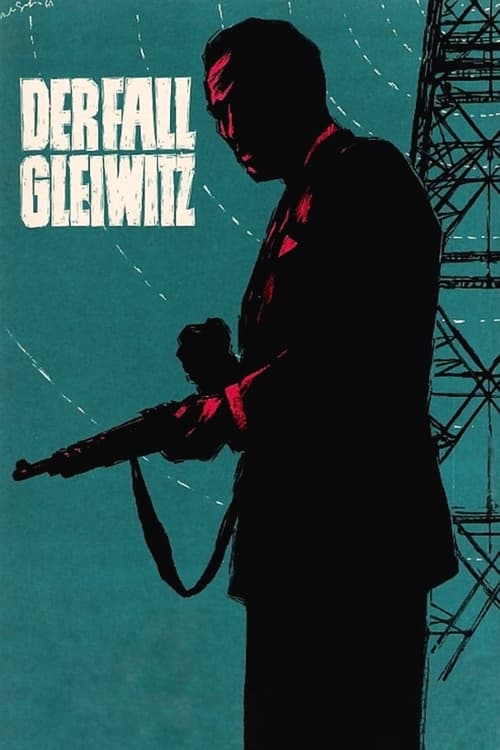
To justify their invasion of Poland at the start of WWII, Nazi high command hatches a secret plan: six Polish men from an SS training camp are sent on a special mission to the town of Gleiwitz, to fake a Polish raid on Germany. The ‘provoked’ Germans will thus launch a ‘counterattack’ on Poland.
The Gleiwitz Case
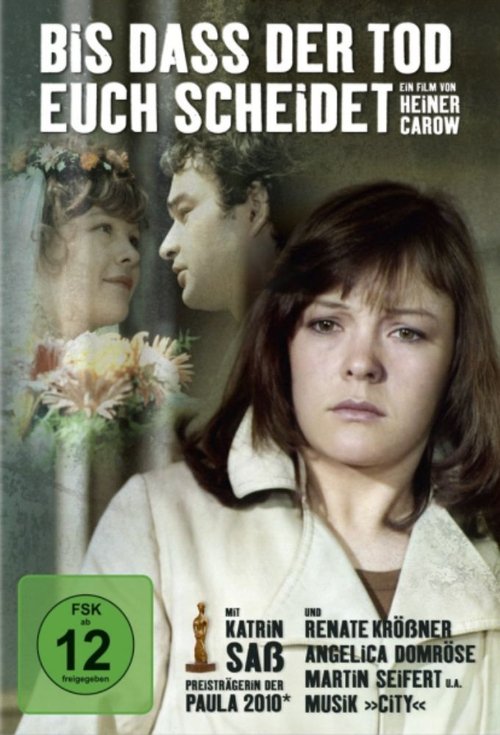
Scenes from an East German marriage. A young couple, Sonya and Jens, are very much in love; they get married and have a child. When Sonya wants to go back to work after her maternity leave, they clash for the first time; Jens insists that she remain a full-time wife and mother. Until Death Do Us Part turns an actual police report into a gripping drama, as the director explores the depths of his characters' emotions, driving the conflict to a catastrophic climax.
Until Death Do Us Part
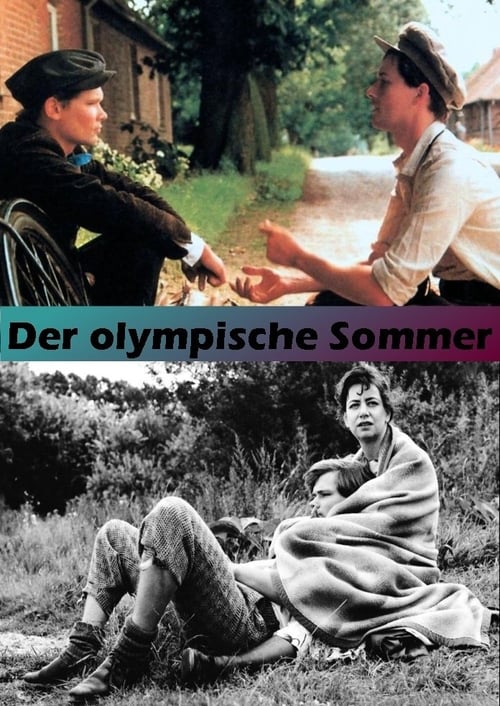
In 1936 Nazi Germany, a young, innocent apprentice, full of Olympic fever, leaves his rural village to see the ceremonies in Berlin. Upon arriving in the capitol, he meets a widow and a relationship blossoms. They spend an idyllic summer at her lakeside home, but the forces of totalitarianism cannot be held at bay and soon invade their lives.
The Olympic Summer

A mysterious magnetic spool found during a construction project is discovered to have originated from Venus. A rocket expedition to Venus is launched to discover the origin of the spool and the race that created it.
The Silent Star
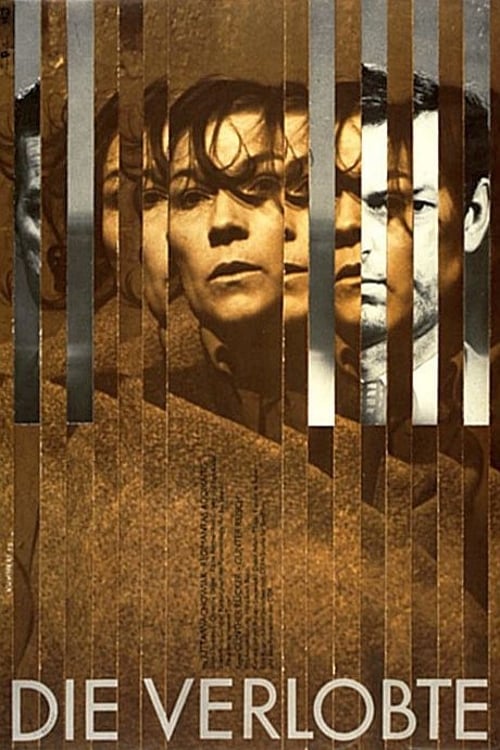
The wrenching story of a woman sentenced in 1934 to ten years in prison for antifascist activities. The love between her and her fiancée enables her to survive the tribulations of her time in prison, where she is one of few political prisoners.
The Fiancee
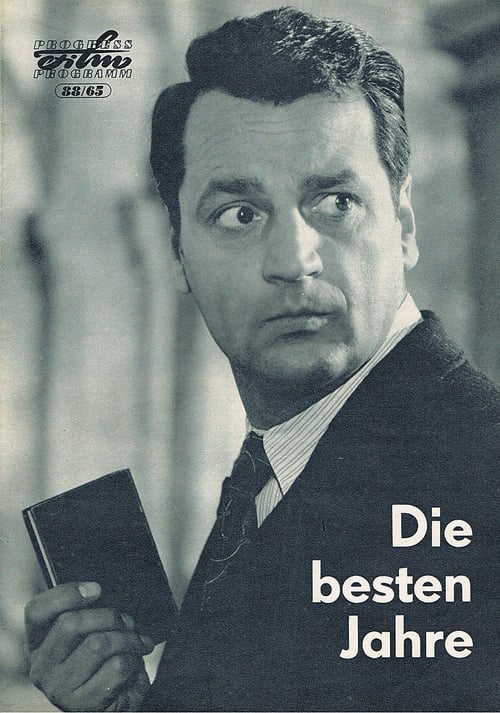
In 1945, Ernst Machner returns home from the war in his mid-20s. Tuche would like him to weave for a living, but his comrades persuade him to become a young teacher instead.
The Best Years
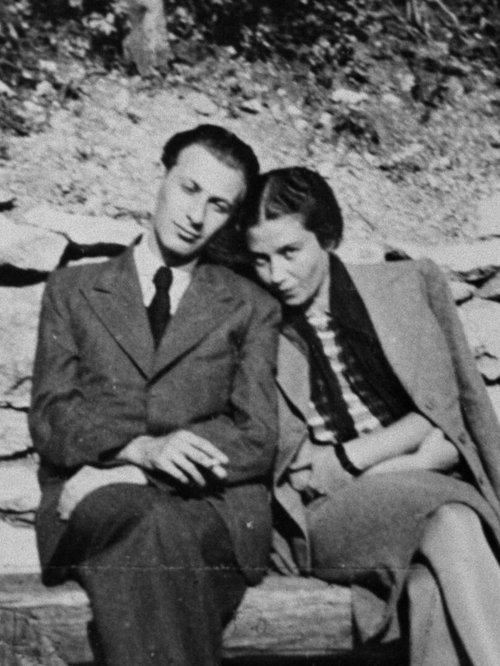
Documentary short about Hungarian poet Miklós Radnóti (1909-1944).
Radnóti
Der Fall Harzmann und andere (The Harzmann Case and Others) (1957) is a 31-minute East German documentary directed by Andrew and Annelie Thorndike. Produced by DEFA, the film explores notable legal and judicial cases, likely examining political or social injustices within post-war Germany. Through documentary storytelling, it sheds light on the broader implications of these cases in the context of East German society. Released on August 14, 1957, the film continues the Thorndikes’ tradition of politically engaged documentary filmmaking.
The Harzmann Case and Others

In 1938, a young woman leaves Germany to search for her love, Erich, in Reichenburg, Bohemia. Erich is secretly fighting the fascists, so Hilde ends up becoming a housemaid in the home of a German joiner in order to carry on their relationship. The joiner's son notices the passionate love shared between Hilde and Erich. To him, the young lady embodies the feminine ideal. When Hilde receives news of Erich's death, she descends into an uninhibited lifestyle in an attempt to forget.
Hilde, das Dienstmädchen
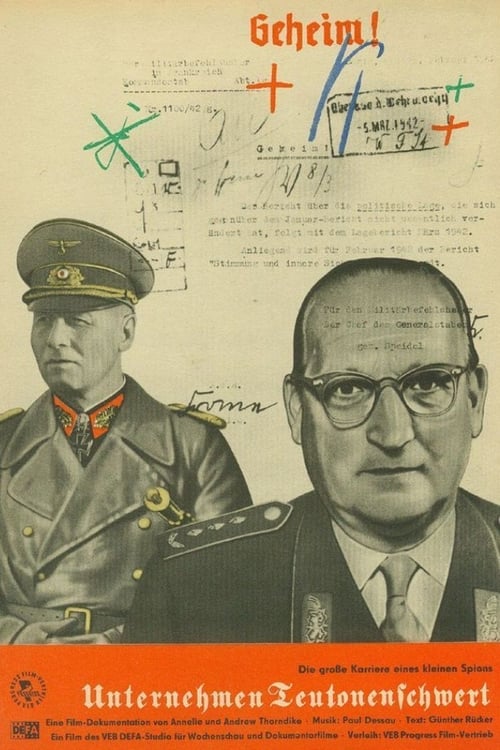
An East German documentary by Andrew and Annelie Thorndike investigating NATO General Hans Speidel’s alleged role in the 1934 assassination of Yugoslav King Alexander I and French Foreign Minister Louis Barthou. Drawing on archival footage and documents, it scrutinizes Speidel’s past and postwar career, provoking controversy and a ban in West Germany. The film won First Prize at the 1958 Karlovy Vary International Film Festival and the Heinrich Greif Prize in East Germany.