Hana Jemelíková
Crew
Known For
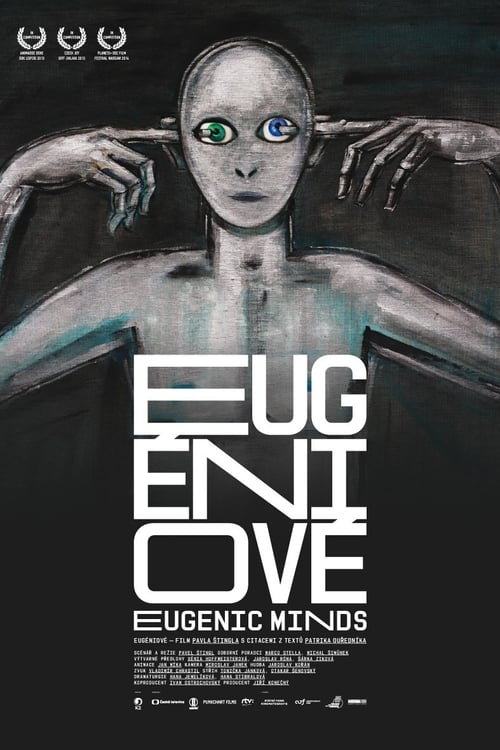
The history of one idea with monstrous consequences, presented in the style of old newsreels and interspersed with quotes from Patrik Ouředník’s Europeana. Archival footage is combined with animation as a kindly narrator takes us on a journey from the idea of cultivating a “better human race” all the way to the gas chambers.
Eugenic Minds
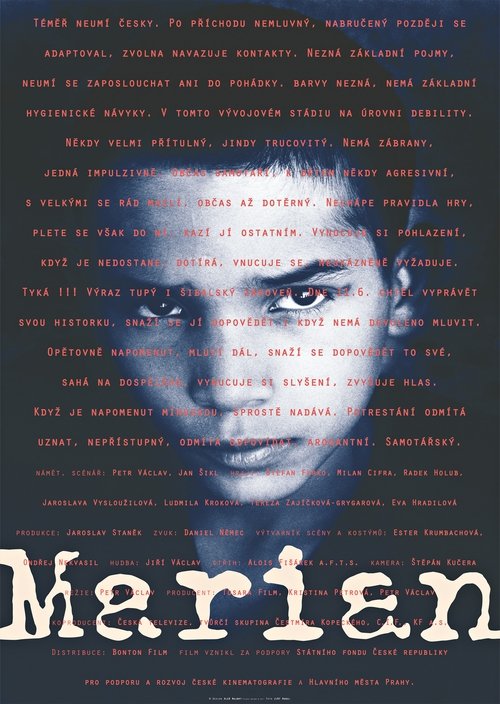
Told via flashback, this raw, emotional drama chronicles the events that led a 22-year-old Czech Gypsy to prison. Marian was born to an alcoholic father and a terrible mother. As a result he is sent to a government orphanage where he is labelled a problem child for his inability to speak Czech. Life in the orphanage is devoid of love and offers only minimal physical comforts. Sometimes life there is brutal. His one bright spot was the time he first spent with a kindly and encouraging teacher who inspired in him hope for a better future. One day something goes wrong and the teacher is forced to punish Marian who retaliates by stabbing her. Marian is a teen by the time he is released from a juvenile reformatory. He falls in love for the first time, but because it is a foreign emotion, he doesn't know how to deal with it. By this time, the cruelty that has marked his life in institutions seems to have fated him to be a criminal and for Marian there can be no turning back.
Marian
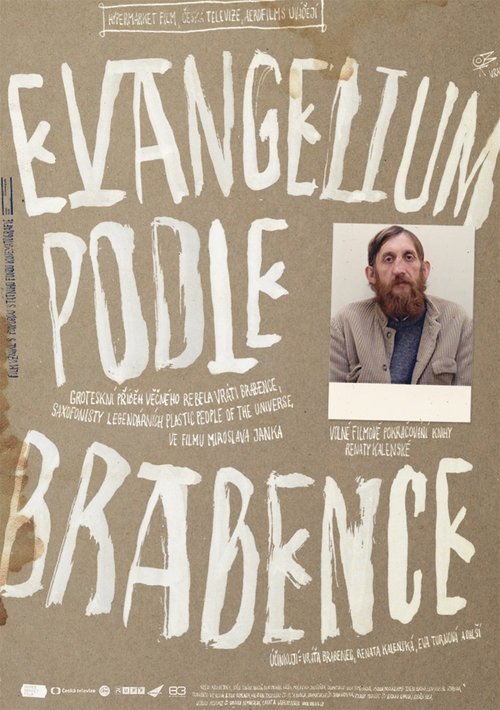
Journalist Renata Kalenská’s book of interviews with Vratislav Brabenec, prominent member of the Plastic People group, recorded not only his memories of the underground years, but also the author’s experiences with this highly distinctive individual. The film represents a cinematic sequel to the book, and looks to build on those experiences as it captures additional interviews with Brabenec, mainly improvised talks at places that hold some meaning for Brabenec or Kalenská. The result is several scenes of irrelevant philosophising, self-deprecating humour, and commentary on the life of birds, and on nature in general. The conversations, recorded mostly by hand-held camera, are interspersed with poetic citations.
The Gospel According to Brabenec
Lada is a product of "educational“ or "corrective“ institutions. Not only is he not educated or corrected, he simply does not understand anything about life. He solves his problems in his own way – by swallowing sharp objects.
Tell Me Something About Yourself - Láda
No description available.
Markéta chce taštičku
No description available.
Vyloučeni z literatury
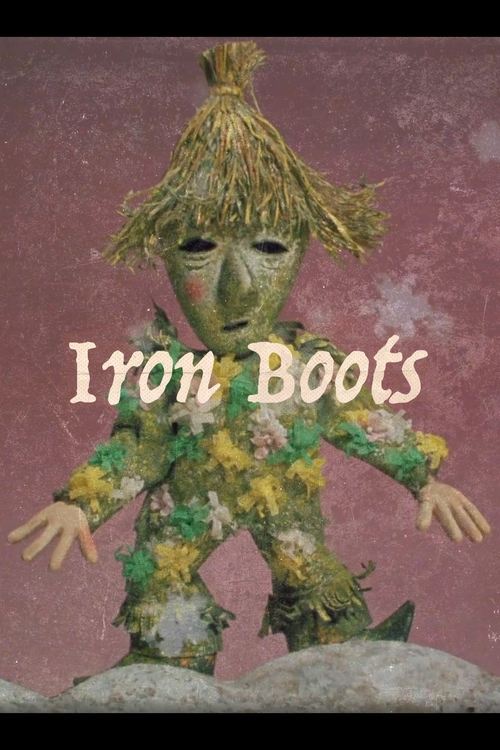
A fairy tale about the love of a mermaid and a young fisherman, which had to overcome many adversities before reaching its fulfillment.
Iron Boots

Through unique artistic approach, the director reveals the world of autism - bringing the audience closer to the main characters - talented and creative children with a fascinating way of thinking.
Normal Autistic Film
No description available.
Zaniklý svět Karla Pecky
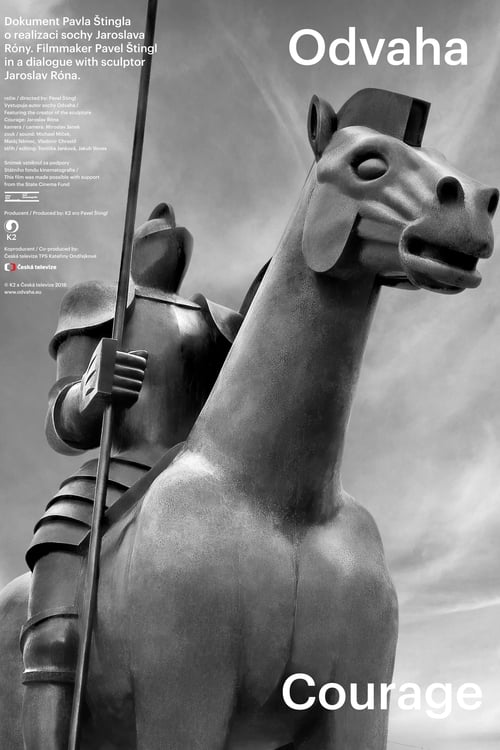
No description available.
Odvaha
On November 25, 1940, the SS Patria sank in the port of Haifa killing 267 people. The ship was carrying almost 1,800 Jewish refugees from Nazi-occupied Europe whom the British authorities were deporting from Mandatory Palestine to Mauritius because they lacked entry permits. Opposed to the deportation, the Haganah planted a bomb intended to disable the ship to prevent it from leaving Haifa. However, they miscalculated the effects of the explosion and the bomb sank the ship in less than 16 minutes (Dir. Pavel Štingl, 2006, 45 min.). Pavel Stingl an award winning documentary filmmaker studied at the Film and Television Academy of the Performing Arts in Prague (FAMU). The screening is part of the ongoing “Docs in Salute” film series presented by the Library of Congress in collaboration with the Embassy of the Czech Republic.
The Story of the Shipwrecked from the Patria
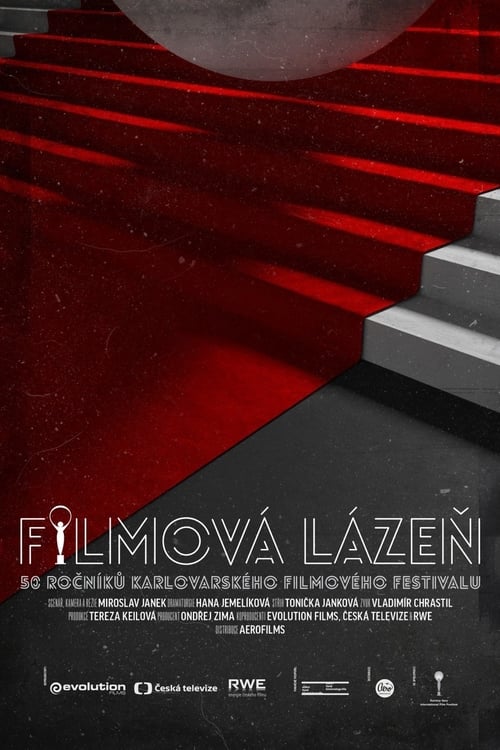
The Karlovy Vary International Film Festival is one of the world’s oldest and most respected. Film Spa was made to celebrate its belated 50th edition in 2015 in its 69th year – belated because from 1959 to 1993 it was forced to alternate with the festival in Moscow.
Film Spa
"The whole film talks about the time when I was first locked up, from sixteen till now, I’m 22 now, and during that whole time I was out maybe five months, and I’ve really had it by now. It’s also about why I’d given my life to Jesus Christ and then failed that Jesus in me because I was tempted by earthly pleasures; and it’s also about how every time I’m ready to start a new life, I get locked up again because it’s always too late. It’s just too late. That’s the greatest shame and that’s what it’s about..."
Tell Me Something About Yourself - Martin
No description available.
Islandská paměť
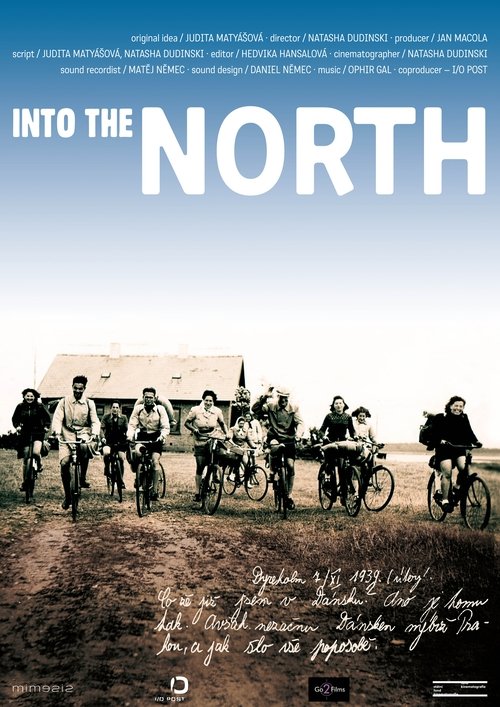
In 1939, a group of Jewish teenagers has to leave for Denmark in order to escape from the fate of their parents, relatives and friends. They spend 4 years together in a unique oasis, which enables them to start their new lives.
Into the North
For twelve years, a film crew has been following the lives of four people who appeared in public in November 1989. Musician Michael Kocáb, dissident Jan Ruml, young participant in the National Avenue intervention Kryštof Rímský, and student leader Martin Mejstřík. The period after November opened up new possibilities, opportunities, and chances for everyone. This unique film project captures their search, their wanderings, their resolutions, and their doubts on the path to finding their own place in the turbulent waters of a transforming society.
Hledači pevného bodu
No description available.
Ghetto jménem Baluty
The twentieth century is sweeping through Central Europe. States, systems, governments, ideologies, and slogans are changing. No one born under the Austro-Hungarian Empire can be sure that they will live their lives according to their plans. Helena Třeštíková's documentary film tells the story of women who were not allowed to live according to their own ideas.
The Sweet Century
How is it possible that in one country, in one half of the century, in a turbulent and unclear time, two people live not far from each other - a businessman with so-called "right-wing" views and an artist with so-called "left-wing" views, and both can be right? What is this truth and where is it to be found? Is there only one? What do these so different people have in common? What strange time was that second half of the twentieth century? These are the questions that may come to mind when watching the confrontation between two Czech Chileans, Milan Platovsky and Hanns Stein. The fate of the former could be written in the Guinness Book of Records - he is a twice-nationalised capitalist. The latter, on the other hand, has always been where the violence has come - in 1939 (Hitler), 1968 (Brezhnev) and 1973 (Pinochet) - on the other side, of course. You can meet both of them in the documentary film by Pavel Koutecký and Jan Burian, made in January 1999.