Acting
Polizeiruf 110 is a long-running German language detective television series. The first episode was broadcast 27 June 1971 in the German Democratic Republic, and after the dissolution of Fernsehen der DDR the series was picked up by ARD. It was originally created as a counterpart to the West German series Tatort, and quickly became a public favorite.
Der Staatsanwalt hat das Wort was an East German television series.
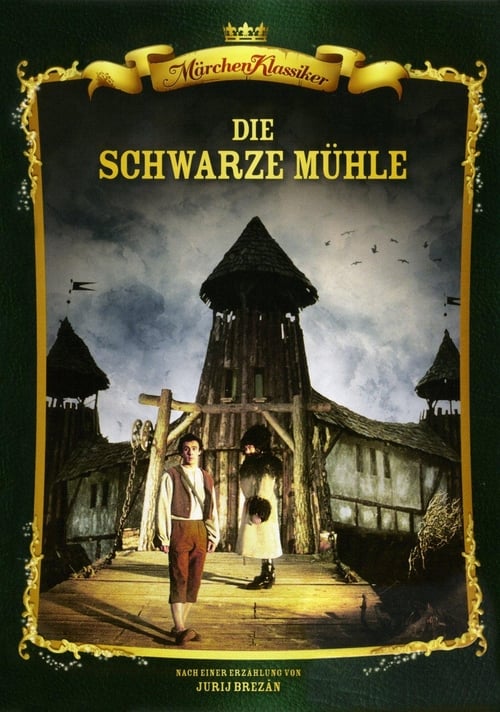
Driven by need and a thirst for knowledge, Krabat wanders through the impoverished country and falls under the control of the "black miller". Krabat defends himself against him, but his opponent still has the stronger means of power.
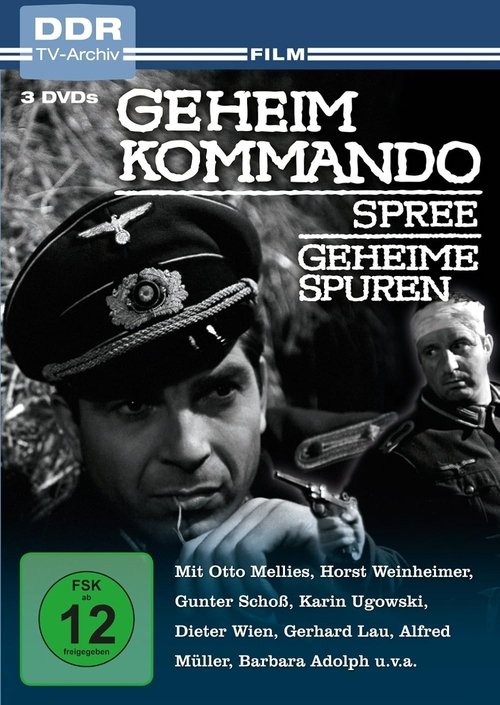
Three members of the National Committee Free Germany form a secret commando that comes to Berlin from Minsk to take up the fight against the SS in the last days before the end of the war.
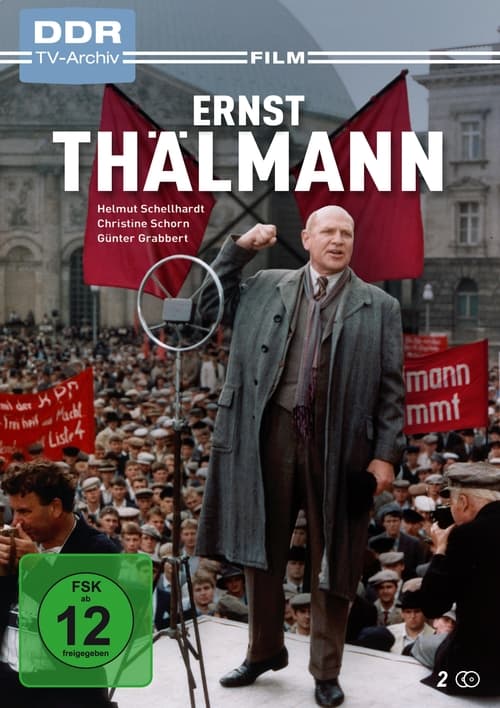
This elaborate two-part television film features a section from the life of communist worker leader Ernst Thälmann. It begins with the bloody riots on May 1, 1929 in Berlin, in which police officers shot at demonstrating workers, and ends with February 7, 1933, when Thälmann appeared as a speaker at the illegal meeting of the Central Committee of the Communist Party of Germany in goat neck. This period was marked by the struggle of the Communists against the ever stronger National Socialists and the rise of Adolf Hitler.
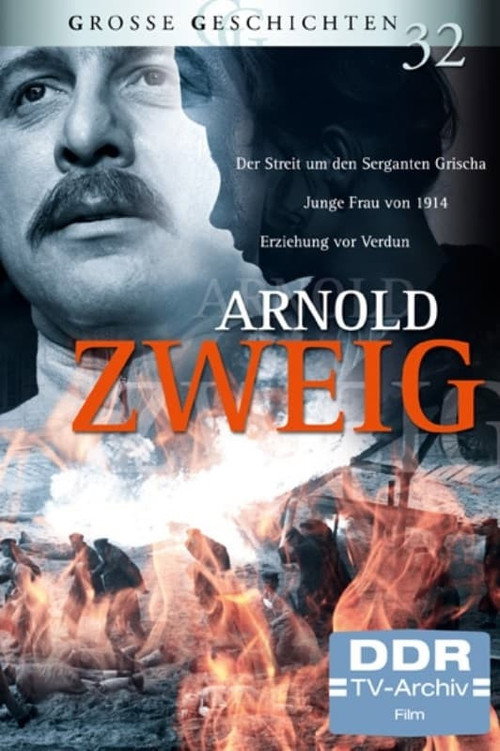
Russian soldier Grisha escapes from a German prisoner-of-war camp in the spring of 1917. He is caught and is to be shot as a spy. This decision is controversial. The dispute continues. Grisha is executed on the orders of the army high command.
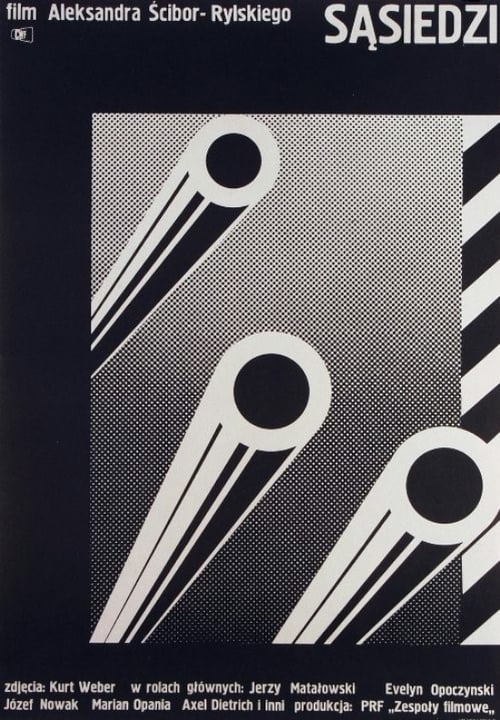
A day before the beginning of the Second World War, a young resident of Bydgoszcz falls in love with a German teenager.
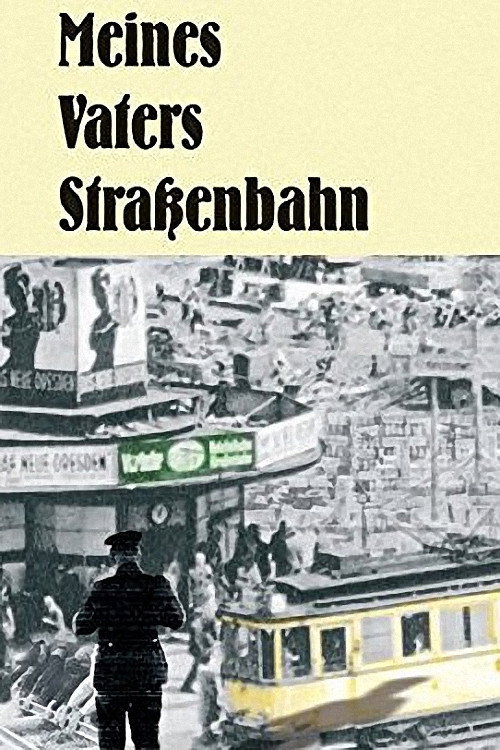
Ralph grows up in pre-war Dresden as the eldest son of a principled and orderly streetcar conductor. With the rise to power of the Nazis, the war, the collapse and the hesitant new beginning, his firmly established middle-class world is also thrown off course. His father is one of the first to be called up to the front. His mother is left alone with the responsibility for Ralph and his younger brother Achim. In the air-raid shelter, during the nights of bombing and later in the daily struggle against misery and hunger, the mother quickly abandons all moral baggage and develops a pragmatic will to survive, for which she admires Ralph. At the same time, the boy is frightened by his mother's desperate claim to happiness because he perceives her affairs as a betrayal of his father, who has gradually faded into a symbol of a happy, carefree childhood.
Maria, a young student sees her brother Dieter going to prison for sedition against the state. She starts an affair with Paul, a judge who turns out to be the one who sentenced her brother, which eventually leads to a confrontation.
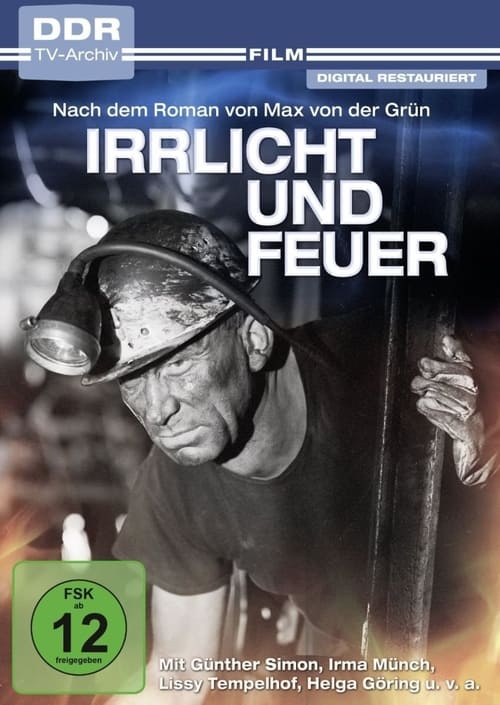
Jürgen Fohrmann works as a hauer underground. In the course of the coal crisis, his mine closes - he loses the work. In this mood, his wife's prosperity thinking gets on his nerves - his marriage threatens to break. The dismissed coal buddy applys, first becomes an auxiliary worker, but then receives a job in an automated operation of the electrical industry and believes to have socially risen through this "clean work". Fohrmann quickly realizes that wearing a "white coat" is only seemingly better than the arduous work in the pit and understands that he can no longer stay out of the work struggles of the buddies.
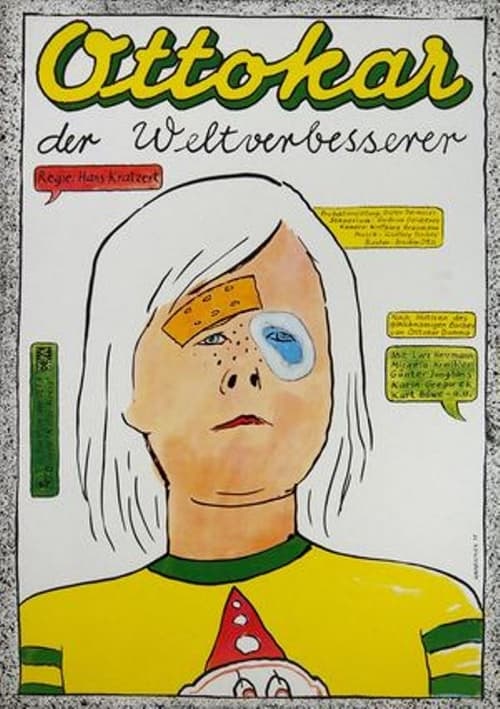
A funny story about fifth grader Ottokar who is always ready to fight for justice.
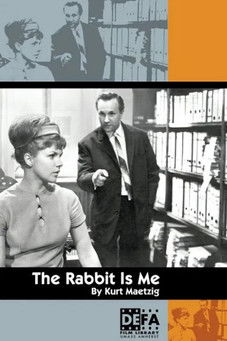
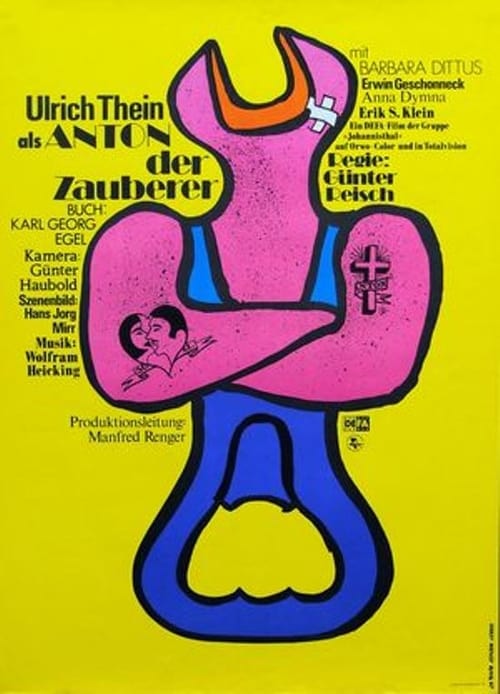
A flamboyant comedy about love, work and money—revealing that the "planned" economy produced some unconventional entrepreneurial methods.
Josef Neumann has always been an outsider to society, and at the age of 30, he has already lived an adventurous life when he comes to the GDR. He was raised as a foundling by nuns, made an apprenticeship as a construction worker, went to the Foreign Legion, and was a seaman and a tramp. Now, he is working at the Warnow shipyard. Brigadier Bruno has a lot of sympathy and patience with the unconventional Josef, but Josef cannot fall in line with strict orders and again and again acts against the rules.
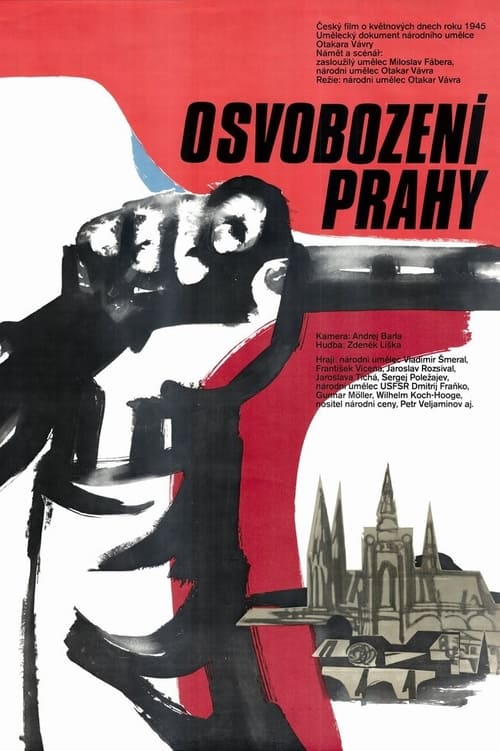
On 20th of April 1945 the Soviet army launches its attack on Berlin. The end has come for Nazi Germany and Hitler decides to commit suicide. In Prague K.H. Frank (Nazi Secretary of State and Chief of police in the Protectorate of Bohemia a Moravia) discusses with his commanders how to transform the city into an impregnable fortress, but the Praguers do not intend to wait any longer. From the early hours of 4th of May people start assembling in the streets and tearing down German signs. On the next day, the 5th of May, the uprising begins.
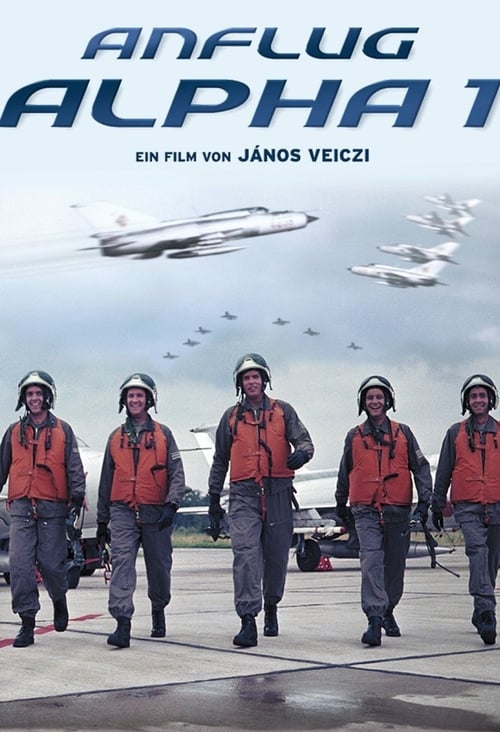
Experiences and problems of an air squadron: Commander Milan has reached the age limit for pilots and must come to terms with the fact that he will have to give up flying from now on. Lieutenant Lenz loses control of the plane during a flight and is seriously injured during the parachute rescue, in the worst case scenario he remains paralyzed. He doesn't want to tie his girlfriend Anka to him, but she sticks by him. Young Kullas comes into the squadron to replace Lenz. His predecessor's accident makes him afraid and he tries to find out what courage means to him. Lieutenant Herzog loves the teacher Sigrid. She returns his love, but it is difficult for her to choose a "hero" once again. Two years earlier, her husband was killed defusing a bomb. But Herzog does not want to give up his job. The fifth, Captain Wendland, is a party secretary. He takes flying just as seriously as his concern for his comrades.
Two people love each other when they know they should not. Their parents' and friends' pleas, their social backgrounds and reputation, their careers; everything is used to make them give each other up. Flattery, lies and threats finally drive Frank to despair and Karin to treason. But it is not due to their parents' hatred, nor to any greed for inherited wealth. Rather, the mere conjecture expressed by the authorities is enough to set off a merciless mechanism.
No description available.
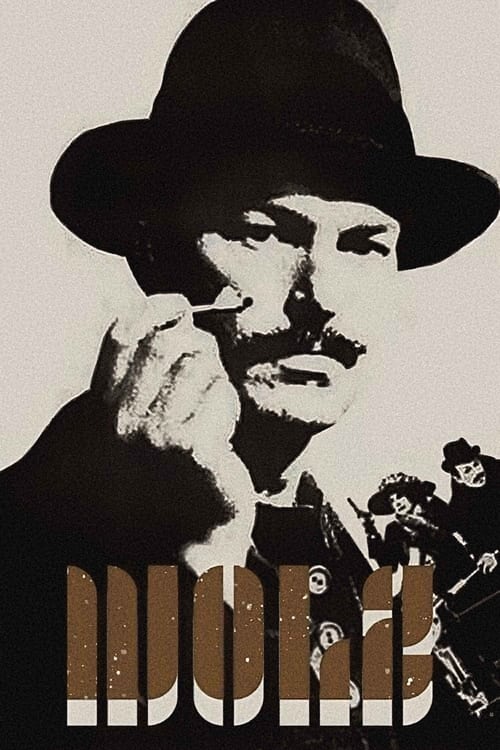
Soldier Ignaz Wolz returns from WWI with an immeasurable hatred of capitalist war profiteers. He decides to start his own revolution, but tries to stay away from the organized class struggle. He steals from the rich men and divides the wealth among the poor. One day, Wolz is arrested and sentenced to life in prison; seven years later he is released due to mass protests. More than ever, it is hard for him to fit in. He severs ties with his former companions, who reject his ideas, and leaves Germany.
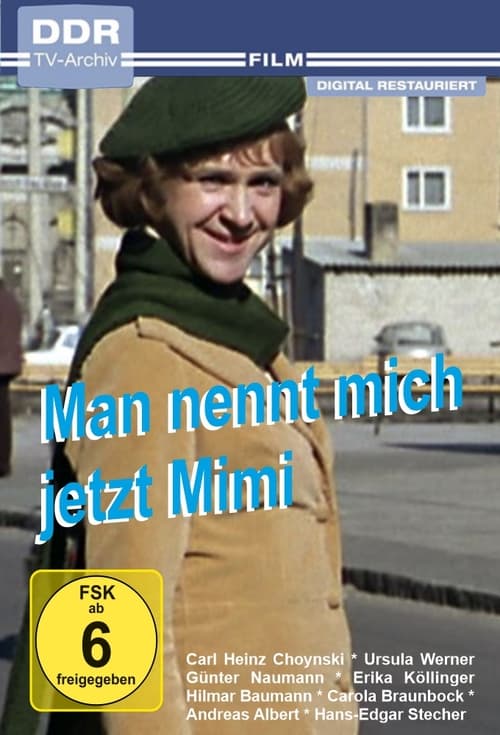
A young married couple is in love. Both believe that the other has it easier in life. To find out who is right in this matter, they swap clothes: Anna slips into a man's suit and Peter into a chic woman's wardrobe. In this outfit, they both drive towards their vacation destination. Of course - under these circumstances, the young couple are in for exciting and unpredictable adventures, as the locals at the vacation resort show more than just platonic interest in their new guests...