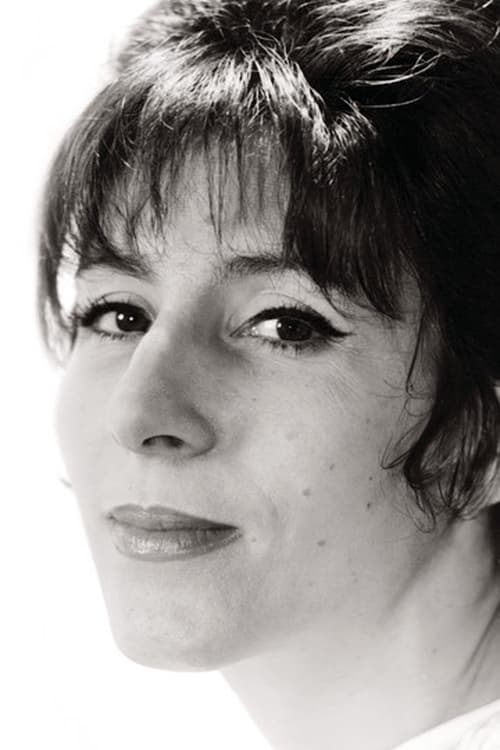
Pia Colombo
Acting
Biography
Pia Colombo (6 July 1934, in Homblières, Aisne, France – 16 April 1986) was a French singer of Franco-Italian origin, been born Eliane Marie Amélie Pia Colombo who acted in radio, cinema and television between 1956 and 1981. Her father was from Milan and her mother came from the Nord. She was compared to Édith Piaf and was believed to be her successor when Piaf died in 1963 but Colombo was too intellectual for the taste of the general public. Politically committed, Colombo was a big interpreter of the work of her husband, the composer Maurice Fanon, and of Serge Gainsbourg, Jacques Brel, Georges Brassens, Kurt Weill, Hanns Eisler and others. In the 1960s she acted in Roger Planchon's productions of Bertolt Brecht's works. She acted in the Popular National Theatre, Théâtre des Champs-Élysées, Théâtre du Châtelet Olympia of Paris, Bobino, Festival d'Avignon and popularised the songs of Léo Ferré. Colombo died of cancer when 51 years old and her body was buried in the Père Lachaise Cemetery in Paris. Source: Article "Pia Colombo" from Wikipedia in English, licensed under CC-BY-SA 3.0.

Known For

A talk show presented by Michel Drucker
Les Rendez-vous du dimanche

A French variety show.
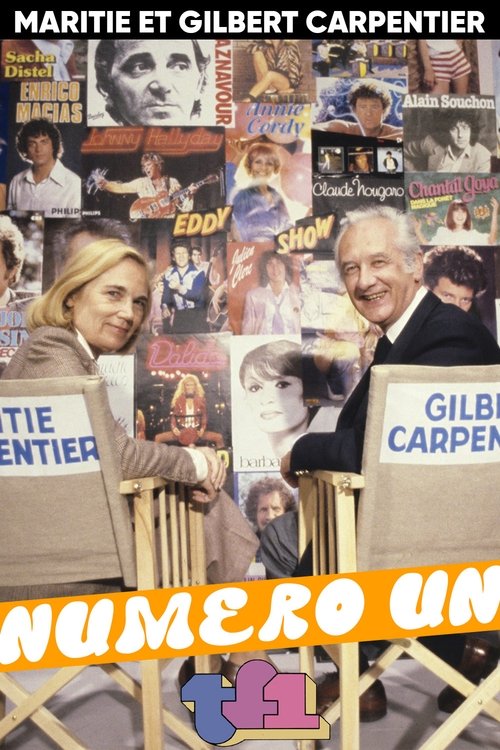
Numéro un

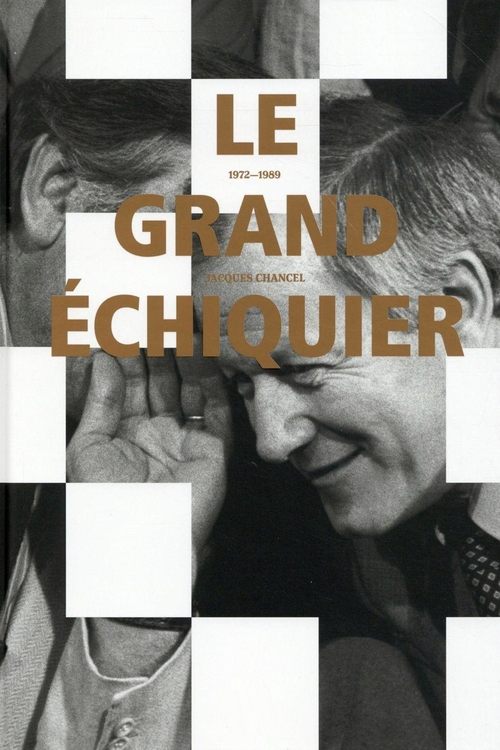
Le Grand Échiquier is a French variety television program created and presented by Jacques Chancel. It aired at 8:30 pm on the first channel of the ORTF from January 12, 1972 to July 12, 1972, then on the second color channel of the ORTF from September 1972 to December 1974, and finally on Antenne 2 from January 1975 to December 21, 1989. The program returned to France 2 on December 20, 2018 and is hosted by Anne-Sophie Lapix.
Le Grand Échiquier

No description available.
Discorama

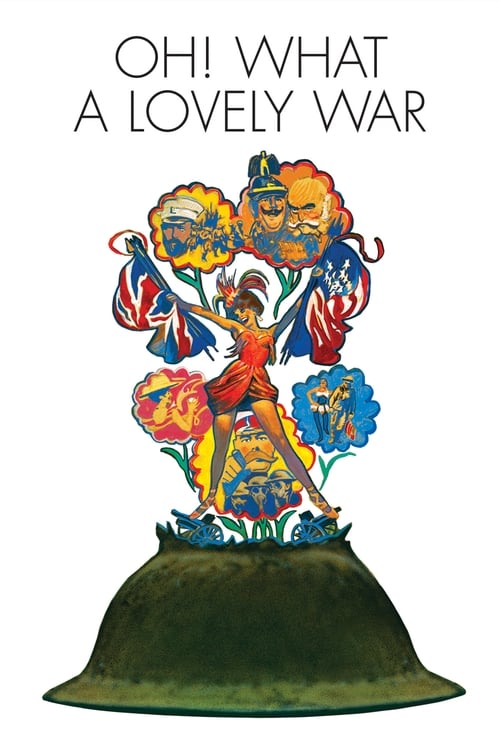
The working-class Smiths change their initially sunny views on World War I after the five boys of the family witness the harsh reality of trench warfare.
Oh! What a Lovely War

For his final film, Jacques Tati takes his camera to the circus, where the director himself serves as master of ceremonies. Though it features many spectacles, including clowns, jugglers, acrobats, contortionists, and more, Parade also focuses on the spectators, making this stripped-down work a testament to the communion between audience and entertainment.
Parade
A bored undertaker, married to an ex prostitute, falls in love with a transsexual.
Un ange au paradis

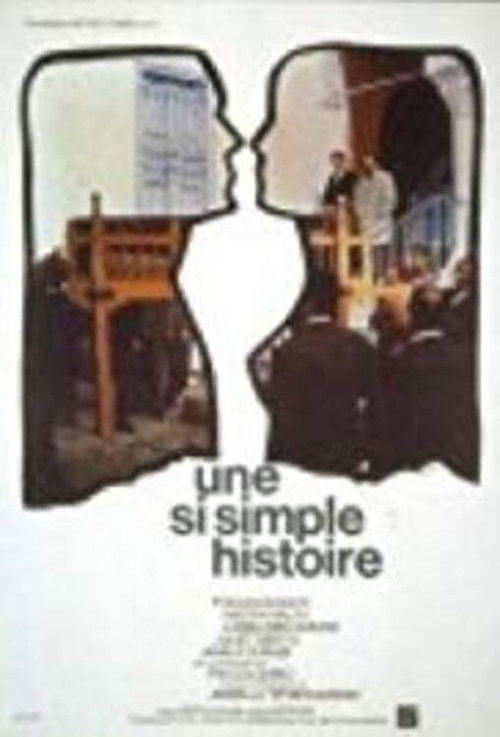
A documentary filmmaker goes to work on a project about Tunisians who have worked abroad. Many have married French women, and the couples try to adjust to France after many years in Tunisia. The man decides to forego the film in order to address the personal and social concerns of the people trying to cope in their new surroundings. This feature appeared at the 1970 Cannes Film Festival.
A Simple Story

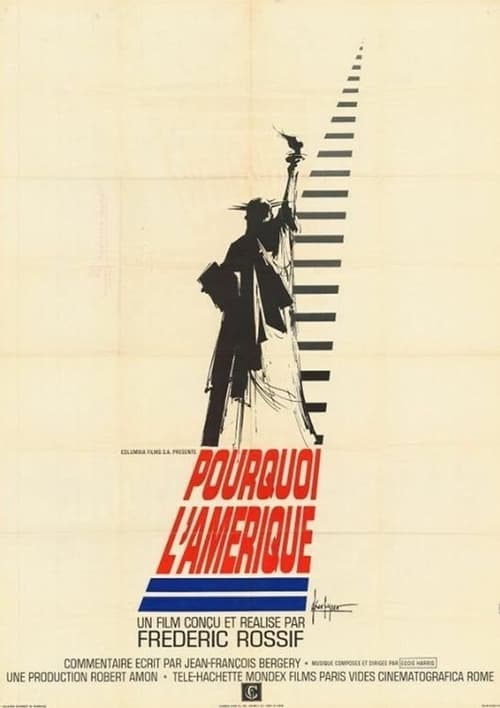
A film about America between the world wars that attempts to capture and interpret the vital moving forces in American society that caused the United States to emerge by the end of World War II as a dominant world power.