Directing
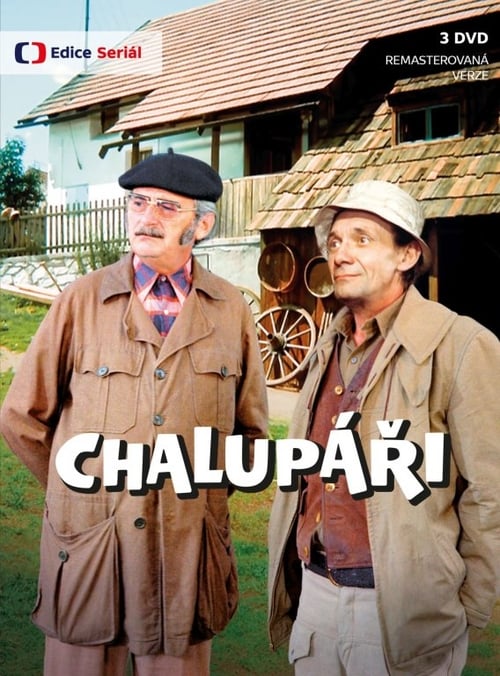
Chalupáři is a Czechoslovak comedy TV series filmed in 1974 and 1975 by František Filip.
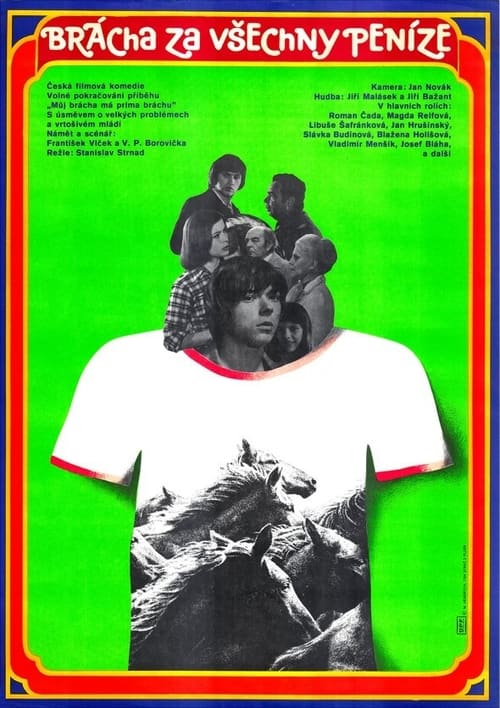
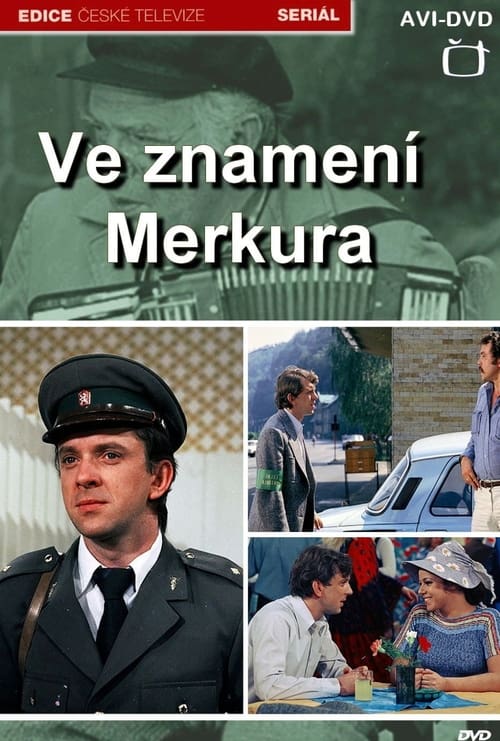
Honza and Zuzana are very young husband and wife. They have a little daughter of whom willingly occasionally take care the grandparents and Honza's fifteen-year-old brother Martin. Zuzana continues studying and Honza devotes all weekends as an amateur competitor to the motor-cycles at the speedway. Zuzana is not interested in motor-cycles. Martin holds responsible for his brother's marriage and at the advice of his friend Magda, who is of the same age, invites her sister-in-law to the club of Hucul horses so that she does not feel bored. But by misfortunes and unexplained quarrels both young husband and wife start being jealous of one another.
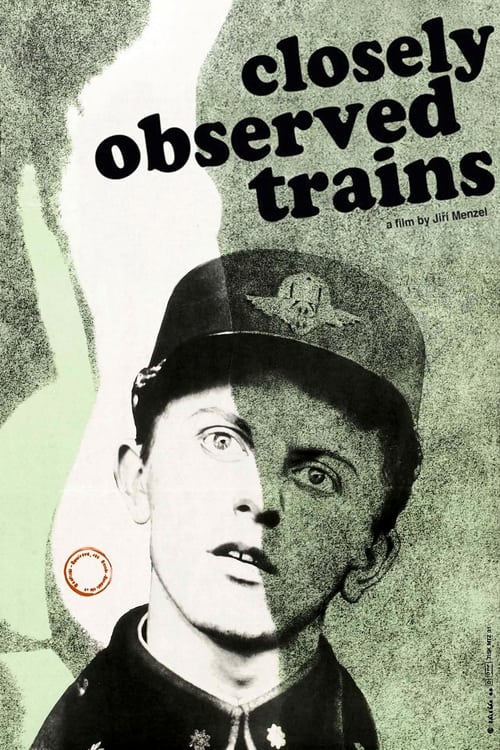
At a village railway station in occupied Czechoslovakia, a bumbling dispatcher’s apprentice longs to liberate himself from his virginity. Oblivious to the war and the resistance that surrounds him, this young man embarks on a journey of sexual awakening and self-discovery, encountering a universe of frustration, eroticism, and adventure within his sleepy backwater depot.
No description available.
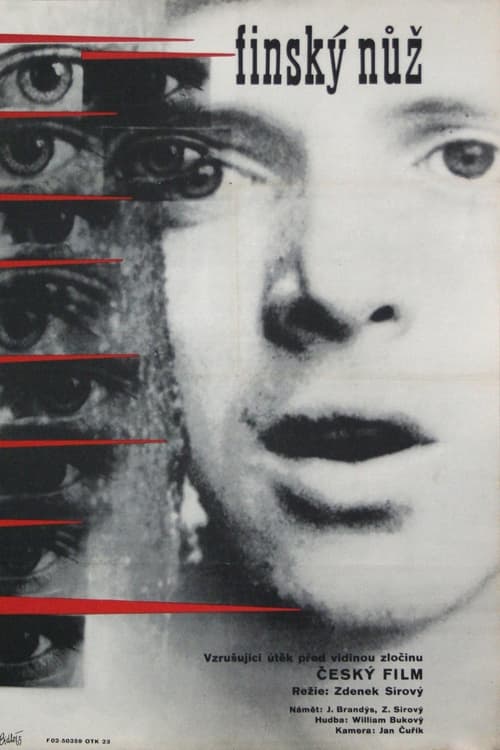
Two young men, thinking that they've killed someone, flee to Poland.
The Prague Research Institute of Air Engineering is to prepare a proposal to reduce dust in Ostrava, especially in the area where the new power plant is to be built. That is why engineers Vojtěch Spára and Jiří Zástěra will travel to Ostrava. Eva Frágnerová, a hygienist, will strongly oppose the power plant project near the housing estate.
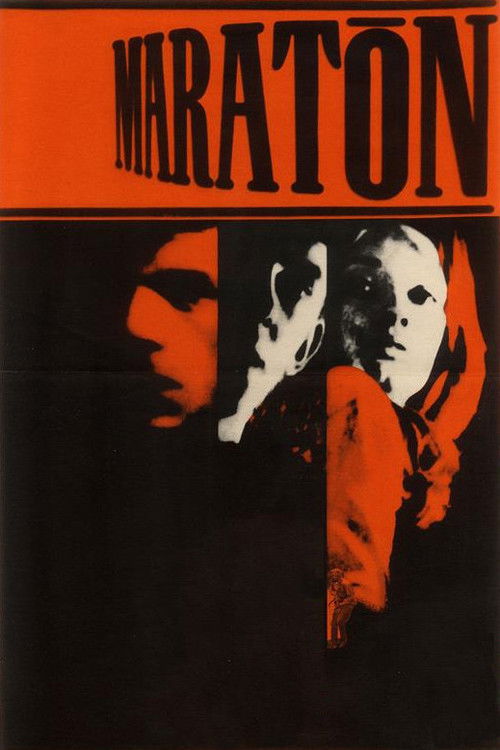
It is 5 May 1945 and the uprising against the hated German occupiers has broken out in Prague. The Czech guards open the gate of the Pankrác prison to allow the prisoners to escape en masse. Many of them are shot dead by the German guards but young Ruda (Jaromír Hanzlík) manages to run away. He is taken care of by one of the Prague fighters, concierge Kytka. Kytka hides him in the flat of the house's owner where only the young maid Karla (Jana Brejchová) is left, ordering her to take care of Ruda.
Dramatic fates of people hidden behind a theatrical mask.
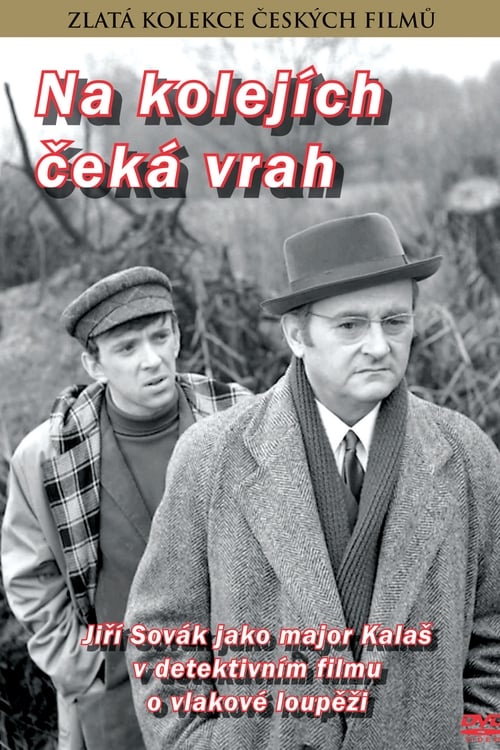
An escort composed of three people transports a huge amount of new one-hundred crown banknotes in a special railway car. At the 196th kilometer, a village girl is waiting at the railway crossing and spots two men removing some packages from the track. The scene is immediately followed by the report of a gun and the unwanted witness is shot dead. Soon afterwards, on the 201st kilometer, the train explodes. Only one of the escorts Lenk (Radoslav Brzobohatý) survives the explosion, taken to hospital with serious injuries. Criminologist Major Kalas (Jirí Sovák) and the very young Second Lieutenant Karlícek (Jaromír Hanzlík) patiently gather facts, leads and testimonies.
At the centre of the story is Miss Lenka Stříbrná. An attractive, but a little strange young woman. The gym teacher Vasek is shy and very clumsy with women. So he asks his friend, the editor Karel, for help. The experienced seducer willingly seizes the opportunity and tries to win Lenka for himself, but all his efforts fail due to her stubbornness. Gradually, this comedy-tinged love etude gives way to drama. It culminates at an editorial party at the Slap Dam, where all the characters in the story meet unexpectedly and editor Leden finally understands what Miss Silver's flirtation was all about.
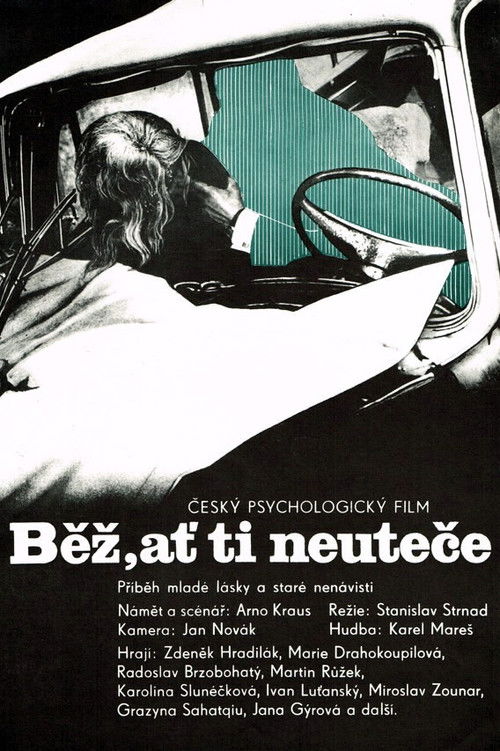
The film from 1976, a film that is exemplary in its devotion to the canons of normalised cinema, is the work of director Stanislav Strnad. He brought to life the script of an unusual author - the secretary of the SČDU, Arno Kraus - in this psychological drama. The protagonist of the story also has his cadre materials in order according to the requirements of the time - he is a worker director Kabát, who besides problems at the workplace also copes successfully with difficulties in his private life - a break-up with his wife.
The story of a gypsy named Fabian, who came to work in Kunčice, and his son. Their lives change fundamentally on the great construction site of socialism. They both learn to read and write; Fabian becomes a skilled welder, and little Fabian is accepted into the pioneer organization. However, their transformation is not easy, it is not without many encounters, just like the transformation of Fabian's co-workers, many of whom have not yet overcome their racist prejudices.
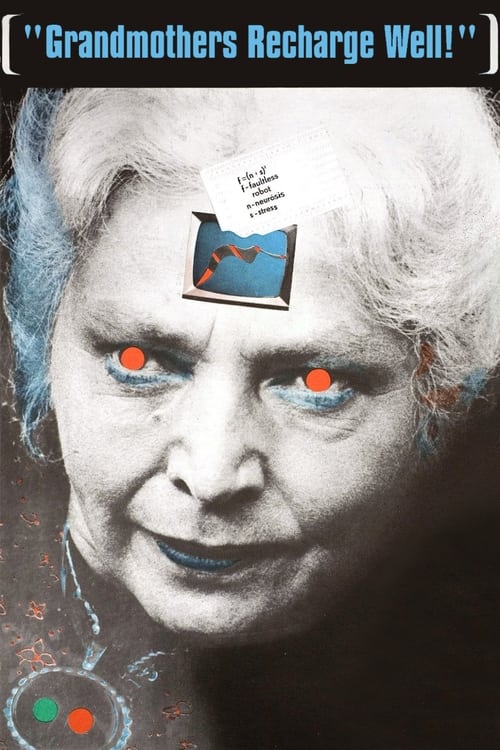
A family purchases a home robot designed to look like a grandmum. Their neighbours immediately buy a more expensivve model as the two families always try to up the other one. Both grandmums start to "terorize" their families because they were set up to ensure the mums exercise, the kids study etc. Apart from that they start causing problems to the other family ... cut ropes with hanging clothes, pierced tires, etc. Once they get to killing each other family's pets the parents get really worried about the safety of their kids. The grannys later destroy each other while fighting and the families decide that they'll be better off without any robots. (It's some time since I saw this so the details may be off.) Mainly thanks to the design of the robots it's rather a comedy than a horror. Unless you are ten. And a rather good comedy!
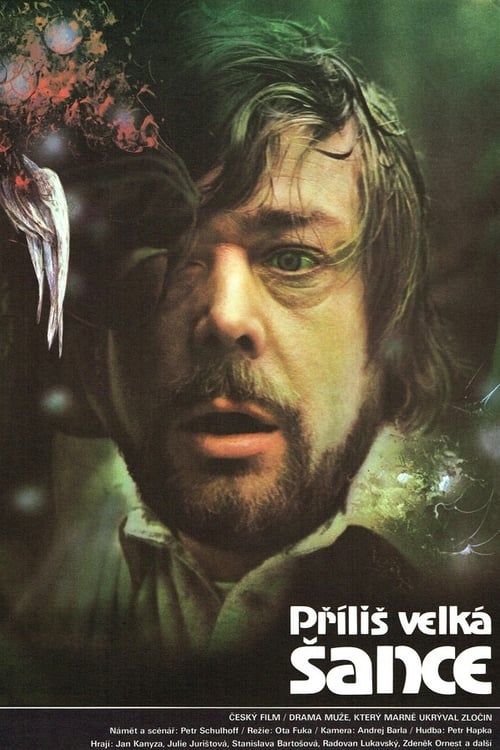
A dedicated biologist, Dr. Petr Gabriel accidentally kills a child in a hit-and-run and, fearing the ruin of his career, hides the body and shifts blame onto two intruders. His new acquaintance Olga and investigator Major Válek grow suspicious as Petr’s fabricated evidence unravels, plunging him into increasingly desperate mistakes.
The aging variety artist Bellinzon is proud of his daughter and son-in-law, who are following in his footsteps and are enjoying success abroad. However, he himself no longer performs artistic acts and receives a salary from his former employer without actually working for him. But that is about to change. Deputy Markvart threatens to fire him if he does not rehearse a new variety act. Bellinzon decides to perform a musical act, even though he cannot play anything...
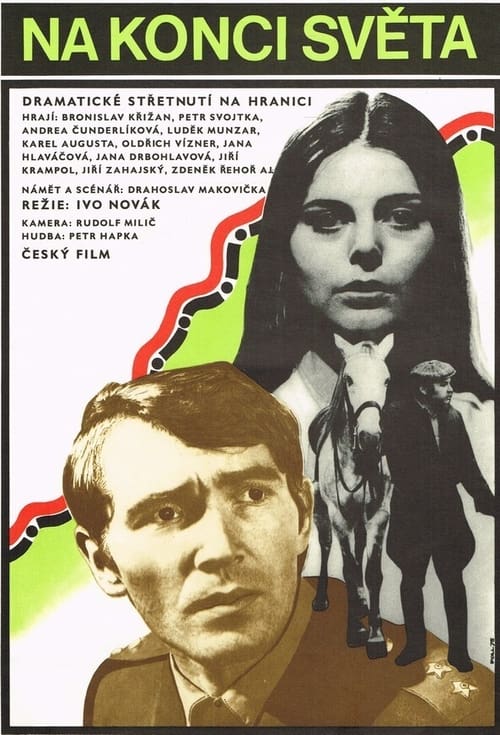
In the 1950s, selected basic soldiers in a small border unit guard the western border with devotion, fighting intruders and uncovering their network of facilitators. It's a story of border guards that thankfully wasn't much of a political nudge, more of a tongue-in-cheek tale of young men at war and their joys and sorrows. And in between, they managed to catch a saboteur.