Writing
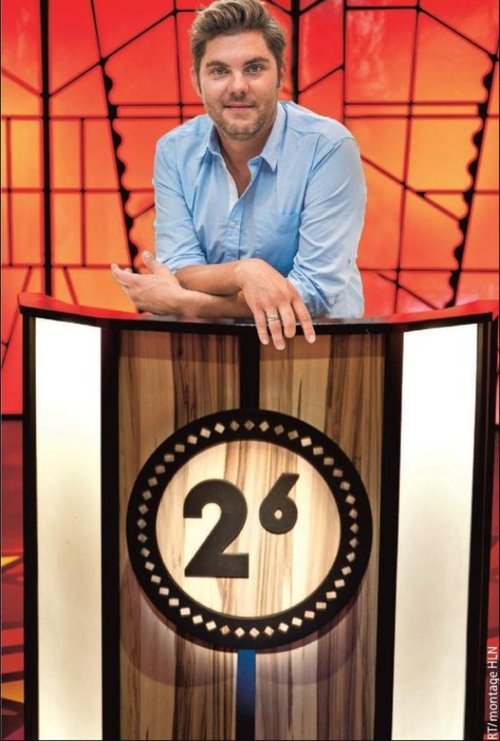
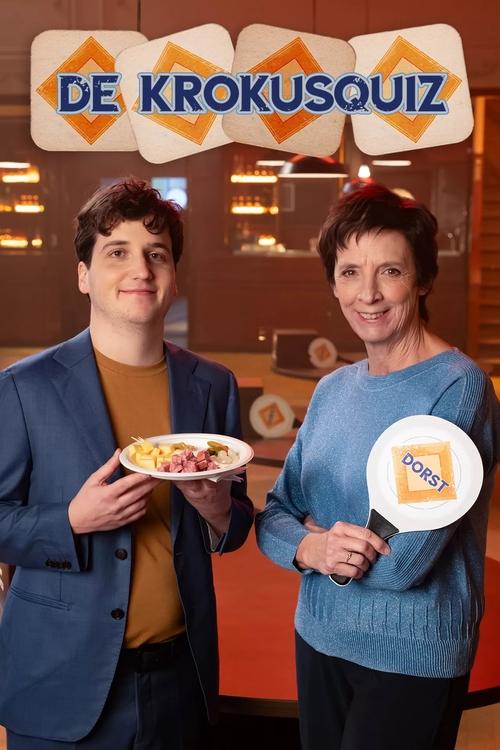
Do we still sing the praises of folly like Erasmus, or is it trendy again to be smart? And if so, who is the smartest? Who can talk about the medals won at the Olympic Games in London, but at the same time knows who Captain Haddock is? Who knows whether Lacan was a hair growth product or a psychoanalyst and can also program their own digital television? Who has déjà vu when leafing through the Encyclopedia Britannica and when reading the interviews with the new Miss Waregem Koerse? Who, oh who, is the smartest person in Flanders, Belgium, Europe, and by extension, the world? That is determined by a fierce battle between three fellow human beings. Every day, someone is eliminated, someone who may not be the smartest, but who is perhaps cherished in their family circle because of their many other talents. The others advance and are joined by a new challenger every day.
No description available.
The nerve-racking events of a cold winter's day, seen from two different perspectives. The odd episodes tell the story of a team of police negotiators and special forces who respond to a hostage crisis in a small bank branch. The even episodes tell exactly the same events, only through the eyes of the criminals inside and their victims.
Lieven Scheire wanders like a forensic blood hound on planet science and all her secondary planets. Faithfully assisted by Googleman and his one-man house orchestra Stijn Cole.
Each short story plays in the same setting with 2 characters, each on their side of the glass of the visitors area from a prison that them (and also the world) divides.
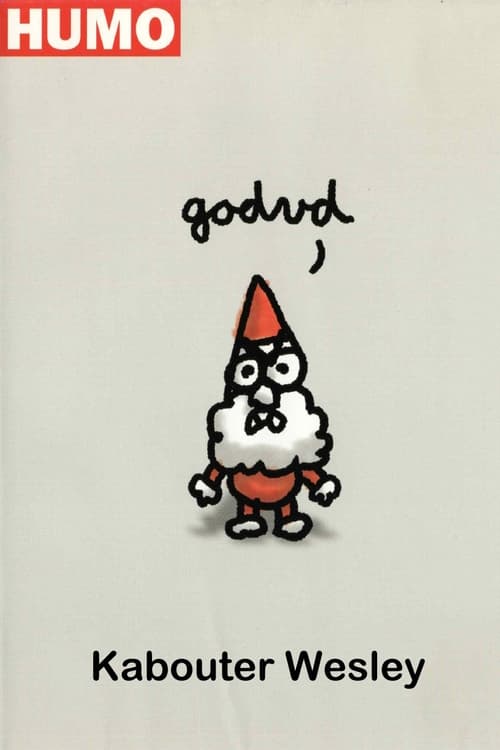
Kabouter Wesley (English: Gnome Wesley) is a series of comics and short animated cartoons about a grumpy and violent kabouter (gnome), made by Jonas Geirnaert. Both the drawing style and the content are purposely made naive and amateuristic and the situations are surreal and violent. There is also a lot of insulting and toilet humour in the series.
Bibi and Ama are two lesbian friends in their early twenties. Hoping to become a better version of themselves, they move in together in an apartment in Brussels. Each in their very own way, but under the very same roof they come to share at least one new insight: coming out doesn’t mean coming clean.
Fed up with her banal existence, Ann ditches her life as it is. Dragging her two best friends along, she navigates a year of brutally-honest madness, enlightened by mental field trips to the Stone Age and unsolicited superhero advice.
In Geub, the wife of fictional Philippe Geubels runs off with the charismatic Dutchman William Van Bronkhorst, who is thirty years her senior. In addition to being eligible for retirement, William is also an almost too sympathetic man who seems impossible to anger. However, that doesn't stop Philippe from regularly trying. Deeply humiliated and depressed, Flanders' most popular comedian turns to his mother Sonja, who supports him with advice and laundry baskets full of ironed clothes. Philippe's entourage also includes his regular technician Dikke Dirk and his best friend Pannenkoek. They do what they can to cheer Philippe up, but unfortunately, that's not much.
Do you pee in the shower? Have you ever cheated on an exam? What is your favorite deep-fried snack? And do you prefer wine over beer? Not too serious topics, but we can still discuss them for hours. We will find out Flanders' answers to these and many more questions in the brand new humorous panel show EnquĂŞtebureau with host Steven Van Herreweghe. Two teams of three well-known Flemish people compete against each other with the aim of testing their knowledge about the behavior and habits of the Flemish. In the meantime, the BVs themselves expose their souls in witty and often surprising anecdotes and revelations. The result: a panel show that holds up a mirror to the viewer at home. Because what's more fun than having a good laugh at ourselves?
Each episode takes the form of a broadcast made by a fictional pirate television station from a fictional small-minded village in East-Flanders, manned by a small number of VJs who introduce various sketches disguised as news or human interest reports. The style of both the program and its official website is deliberately amateurish. Most episodes involve a framing story which intertwines with certain sketches. Many characters are recurring and feature several catchphrases. The series sometimes includes sketches about current news, such as a baby found at a railway station, but also reacted to some negative critique, not taking itself too seriously.