Acting
Polizeiruf 110 is a long-running German language detective television series. The first episode was broadcast 27 June 1971 in the German Democratic Republic, and after the dissolution of Fernsehen der DDR the series was picked up by ARD. It was originally created as a counterpart to the West German series Tatort, and quickly became a public favorite.
Der Staatsanwalt hat das Wort was an East German television series.
No description available.
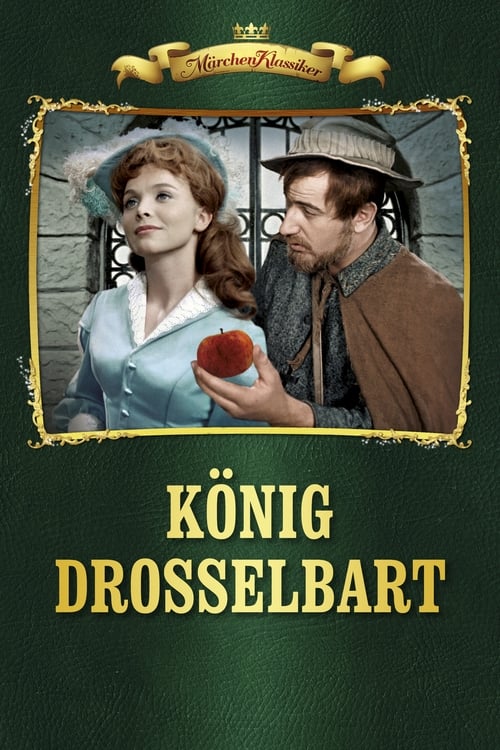
A fairy-tale about a beautiful but very haughty princess Anna who cruelly mocks each of her suitors. Finally she is forced by the king to marry a beggar. The poor life, hard work and love teach the princess a lesson and turn her into a loving and kind person.
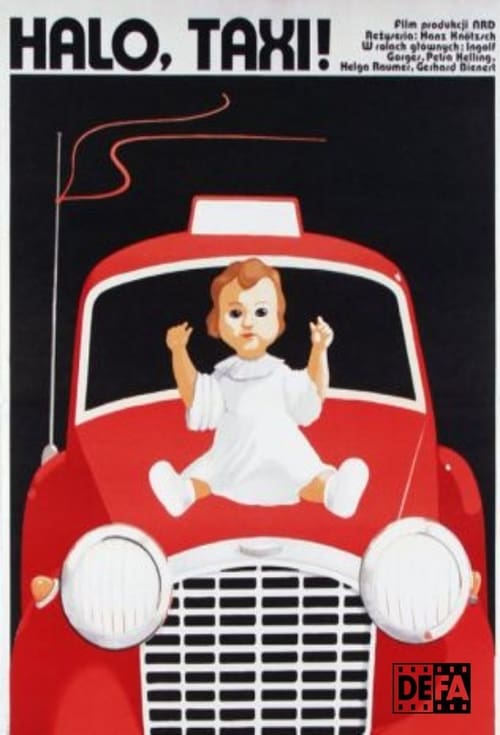
The story of a philanderer behind the wheel of a cab, who gets into a series of hilarious but also adventurous situations, was based on the actual experiences of Berlin cab drivers. It is an entertaining portrayal of how the main protagonist, Eddy, is to be cleverly dissuaded from his dashing bachelor life. Gaby and her grandpa come up with a few ideas. This is necessary, because Eddy may be a proper cab driver, but in his private life he knows no rules when it comes to winning over pretty girls.
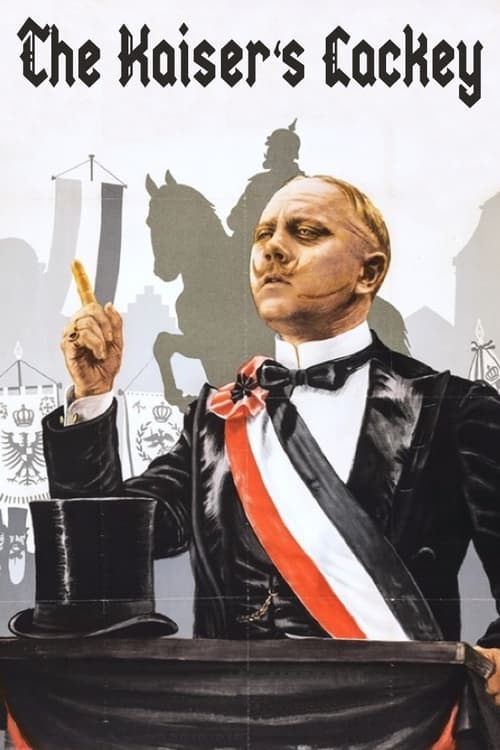
Diederich Heßling is scared of everything and everyone. But as he grows up, he comes to realize that he has to offer his services to the powers-that-be if he wants to wield power himself. His life motto now runs: bow to those at the top and tread on those below. In this way, he always succeeds: as a student in a duel-fighting student fraternity and as a businessman in a paper factory. He cajoles the obese district administrative president Von Wulkow and wins his favor. He slanders his financial rivals and hatches a plot with the social democrats in the town council. On his honeymoon with his rich wife Guste, he finally finds a chance to do his beloved Kaiser a favor. And when a memorial to the Kaiser is unveiled in the town where Diederich lives and works, he delivers the address. He stands behind the lectern in the pouring rain, saluting his Kaiser. The crowd is dispersed. Everything is laid in ruins...
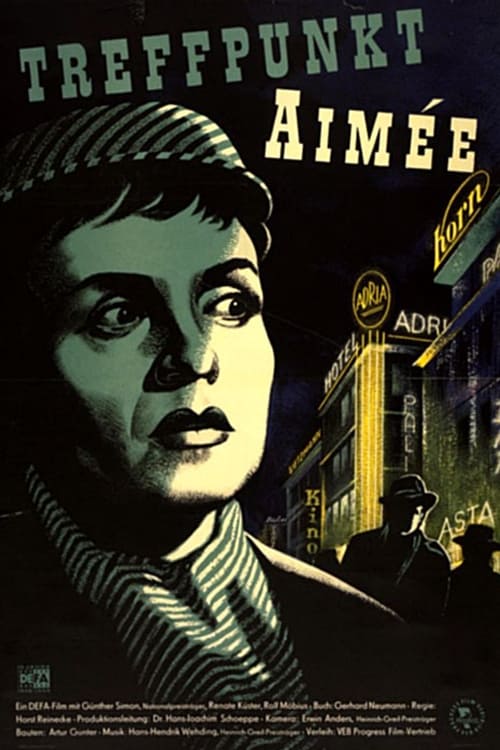
DEFA crime film about the smuggling of PVC across the (still open) border from East to West Berlin.
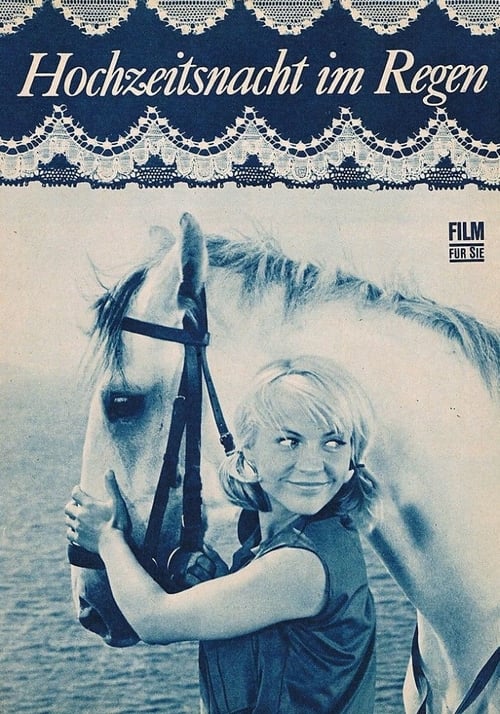
This comedic musical tells the story of Gabi, a young hairdresser from the Baltic coast who desperately wants to be a jockey. One day, she packs her bags, drives to Hoppegarten, and is soundly rejected by the head coach. Gabi doesn't want to give up, and in order to at least have a roof over her head, she rushes into a marriage with the seemingly nice Freddie. However, this marriage soon proves to be her second rejection, as Freddie openly dislikes the fact that she wants to be a jockey.
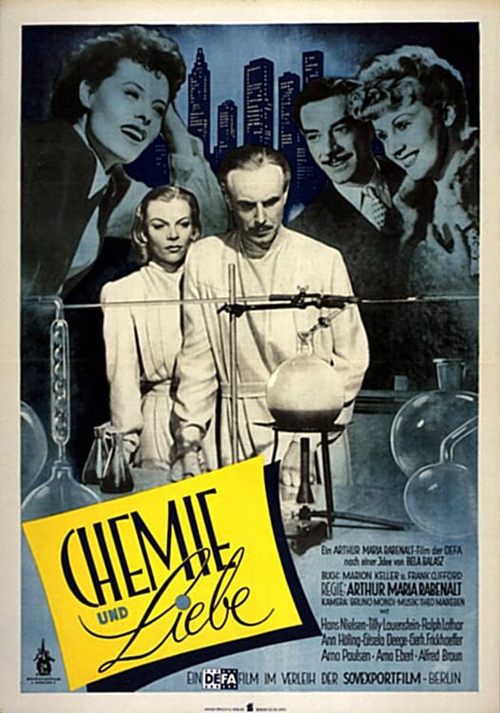
A chemist and his assistant make a groundbreaking discovery. They manage to make butter directly from pasture grass without having to deal with either the cow or the use of dairy products. An industrialist attempts to seize the invention.
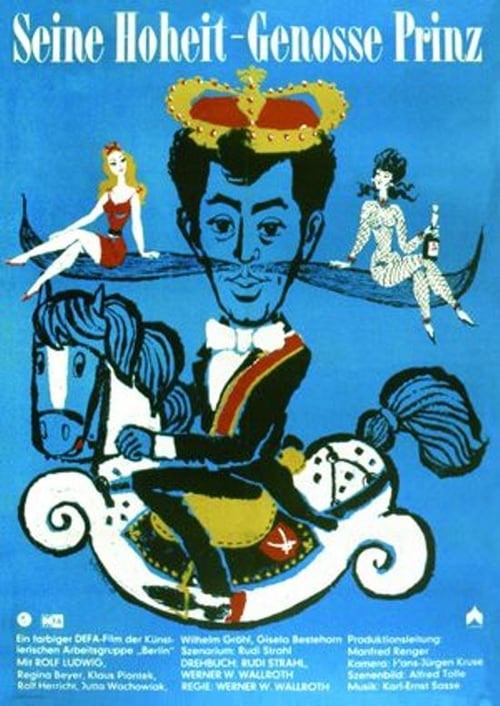
Kasper Mai, an export merchant and comrade with a “clean” record, discovers he is the prince of Hohenlohe-Liebenstein. His royal grandmother designates him as the heir to her estate. A private trip to her reveals that she does not want a NATO airbase built on her land. The GDR and his grandmother thus find a common interest, and a clever lawyer from the East works against other family members looking to settle their debts with the estate money.
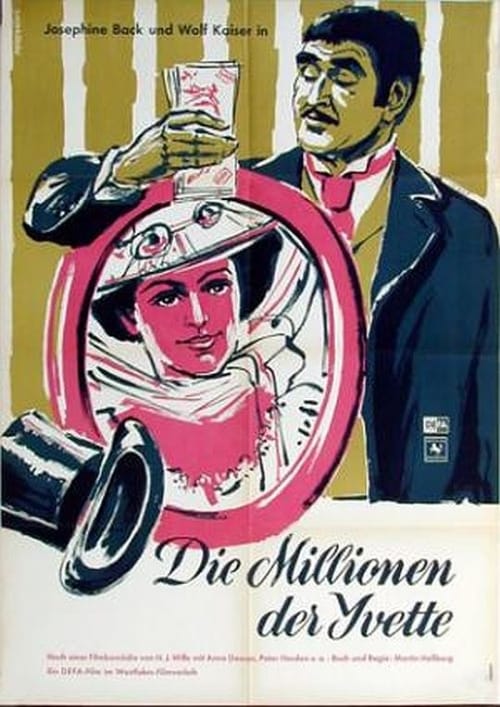
French milliner Yvette has a small fashion salon in Düsseldorf. The young gentlemen of society fall at her feet, but she is not accepted into their circles. That's why her former lover Maurice Daurignac manages to persuade her to pull off a big coup to get revenge on "high society". She pretends to be the heiress to ten million gold francs. A notary arrives from Paris accompanied by two supposed policemen and delivers the alleged money in a sealed parcel to the Bleichstetter bank in Düsseldorf, where it remains until the end of the inheritance process. The case drags on, and in the meantime the two are living large. When the bombshell bursts, Yvette has the young lawyer Dr. Hellmer to thank for the fact that she cannot be thrown to the angry citizens.
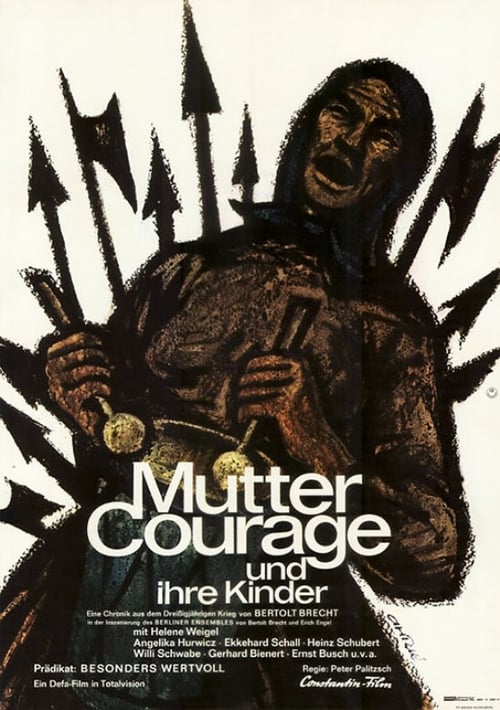
During the Thirty Years' War, the camp-follower Anna Fierling, called "Mother Courage", travels the length and breadth of Europe with her covered wagon. She does not care if it's Catholics or Protestants she trades with as long as business thrives. She loses her three children as a result of the war: bold and spirited Eilif, sincere and upright Swiss Cheese and mute Katrin, who saves the children of Halle by beating a drum on a farmstead roof In wartime, the Fierling children's virtues prove to be deadly. Yet, Mother Courage, remains incorrigible. She will not have anyone "spoil the war" for her and so sets out once more after the soldiers with her wagon.
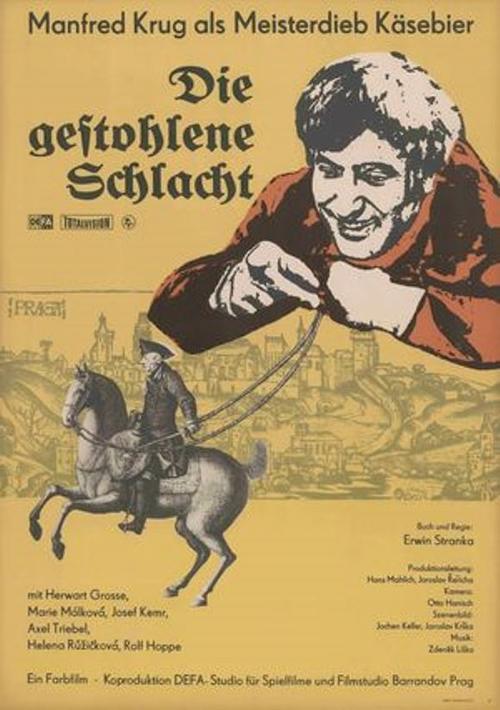
In 1757, the second year of the Seven Years' War, Frederick II the Great stands at the gates of Prague. He has been trying to take the city for weeks, as the enemy commander Duke Charles of Lorraine is inside. Frederick has just defeated him, but the tide could soon turn against the Prussians, as new Austrian troops are approaching. None other than the famous master thief Andreas Christian Käsebier is to sneak into Prague to open the gates from the inside. As a reward, the king promises him freedom. Käsebier accepts the offer because he is tempted to steal an entire city. But by chance, Käsebier learns that the king wants to betray him. After a successful battle, he is put back behind bars for life. This doesn't suit the master thief at all, especially as he has just fallen in love with Katka in Prague.
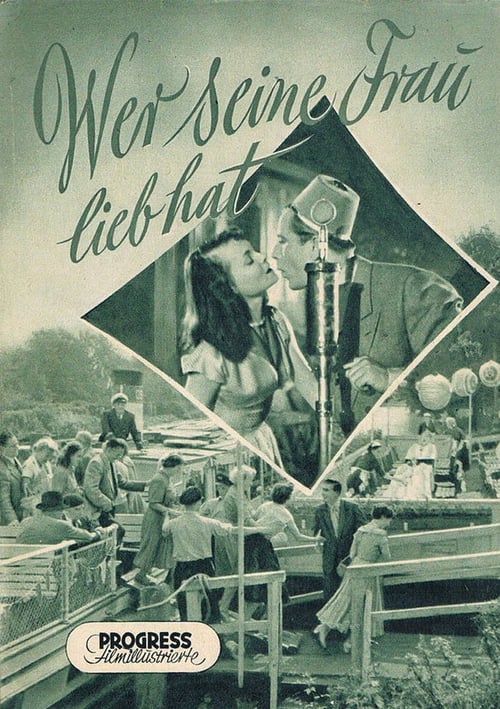
The Berlin Volkseigene Betrieb (VEB) Komet is planning a company outing. Willi Redlich, member of the party committee, votes like the others: The relatives stay at home. But he doesn't dare tell his wife Susanne. So she does the work of renting the "Waldschlösschen" restaurant for him - without his knowledge. When Willi wants to book the seats, everything is fully booked and he switches to the "Sonnenburg" opposite. Meanwhile, word has gotten around among the women that they are excluded. They plan a counter-event. On the day of the excursion, both groups are sitting in their inns and the women make sure that they can still celebrate together.
The authorities expect the case of Friedel Walter, alias "Dr. Mueller," to be a straightforward one: he was working as a doctor without proper credentials under a false name. But Mehlin, the man in charge of his case, knows that there is more to the story. When he was injured fleeing from a concentration camp, resistance worker Irene asked her medical student boyfriend Walter to give him medical care.
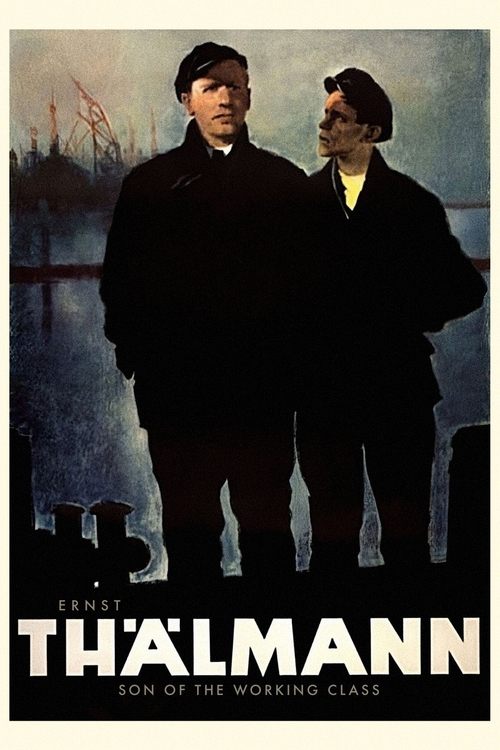
This film is the first of a two-part historical and biographical portrait of the communist politician and anti-fascist Ernst Thälmann. In early November 1918, Ernst Thälmann is an unwilling soldier serving on the western front. As the revolutionary movement at home is threatened by the betrayal of the Social Democrats and fissures in the working class, Thälmann calls on his fellow soldiers to put down their weapons and unite with the workers in the communist struggle at home. Thälmann’s qualms about which side he is fighting on continue, but when the local police attempt to prevent a shipment of provisions and supplies from reaching the people in Petrograd, he intervenes and the ship is unloaded. With this moment of clarity, Thälmann continues to follow his political convictions and joins the workers at the Hamburg uprising in October 1923.
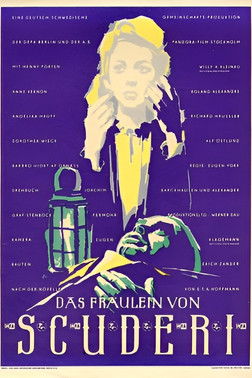
Several men have been murdered lately, mostly rich lovers on their way to meet their mistresses with gifts of fine jewelry. To fight this scourge, King Louis XIV decides to create a special court named "La chambre ardente", designed to find and punish the perpetrators of such heinous crimes. An unexpected person, Mademoiselle de Scudéry, the famous poetess, will find herself entangled in the web of a criminal intrigue linked with the jewel murders, along with a a goldsmith, his daughter and her fiancé...
Victory and demise of the first proletarian dictatorship in the history of mankind, about the struggling, bleeding workers of Paris who enthusiastically defend their historical initiative. The little Cabet family from Rue Pigalle and their friends let the spectator participate in the action.