Directing
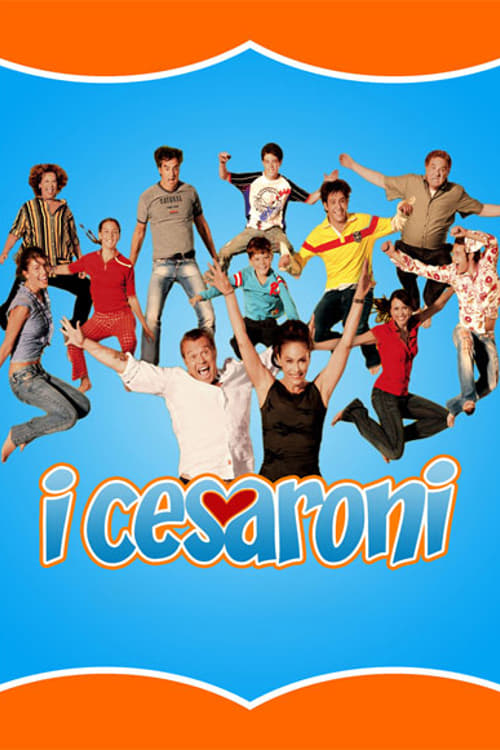
Giulio is a widower, struggling to raise three sons, Marco, Rudi, and Mimmo, as best he can. He lives in Rome's working-class Garbatella neighborhood and runs a wine shop with his two brothers. Lucia, meanwhile, comes from Milan's middle-class background; she's divorced and trying to rebuild her life with her two daughters, Eva and Alice. The two meet by chance and recognize each other: they had a fling as teenagers, many years earlier. Yet first love is never forgotten, and so Giulio and Lucia find themselves together again. Their meeting, however, changes not only the lives of a man and a woman, but also those of two families as different as could be. Two families who find themselves living under the same roof without even having had the time to get to know each other well.
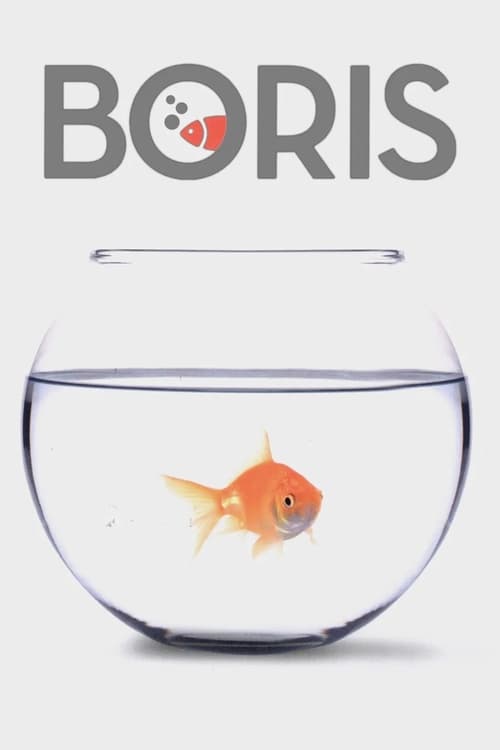
Boris is an Italian television series created by Luca Manzi and Carlo Mazzotta, initially produced from 2007 to 2010, with a revival season premiered in 2022. The show brings to the stage the behind the scenes of a television set where a troupe is shooting Gli occhi del cuore 2 (The eyes of the heart 2), a satirical portrait of the many fictions airing on the Italian TV networks.
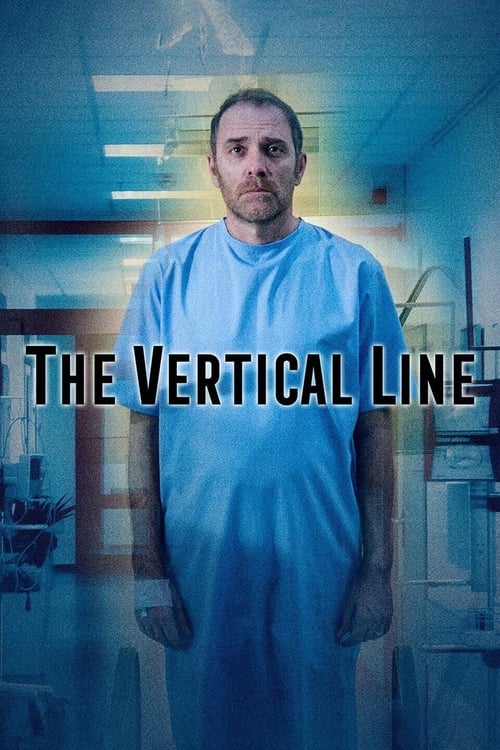
Heartfelt Italian comedy-drama about the patients and staff of a hospital oncology ward.
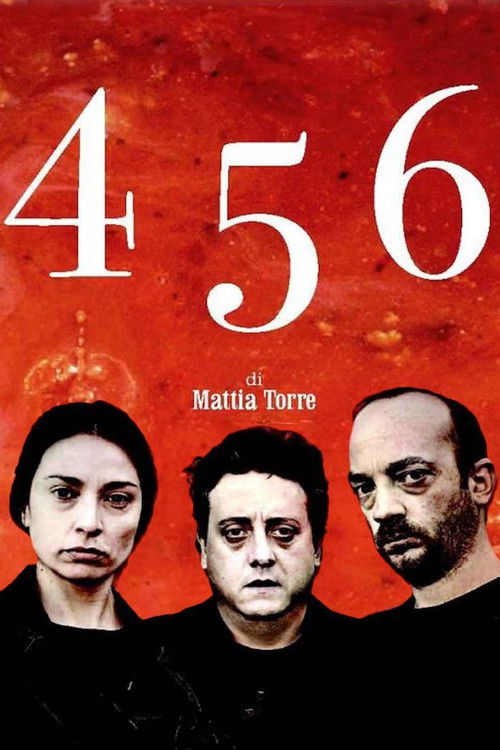
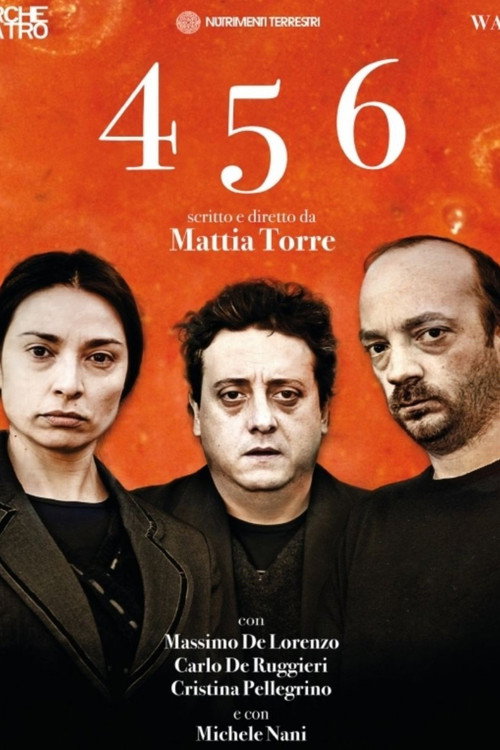
456 is the comical and violent story of a family that, isolated and closed, lives in the middle of a valley beyond which they sense the unknown. Father, mother and son are ignorant, distrustful, nervous. They hurl accusations, they top up a tomato sauce left by their grandmother who died years before, they argue, they pray, they hate each other. Each of the three represents for the others the most detestable thing in the world. And yet a truce is needed, because a long-awaited guest is arriving, who can and must change their future. Everything is ready, everything is perfect. But the truce will not last
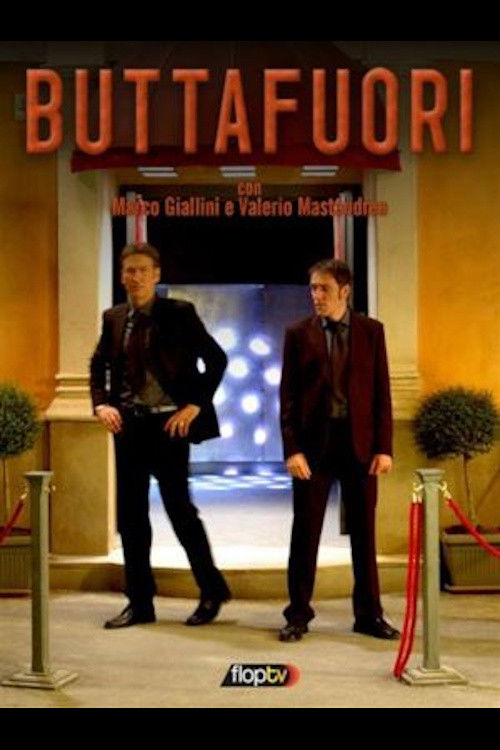
Buttafuori is an Italian television series.
Sara and Nicola are married and in love. Their lives seem to be perfect: they have an angelic six-year-old daughter, thriving careers and a stable marriage. The birth of their second child, which disrupts the family balance, leads to tragicomic scenarios.
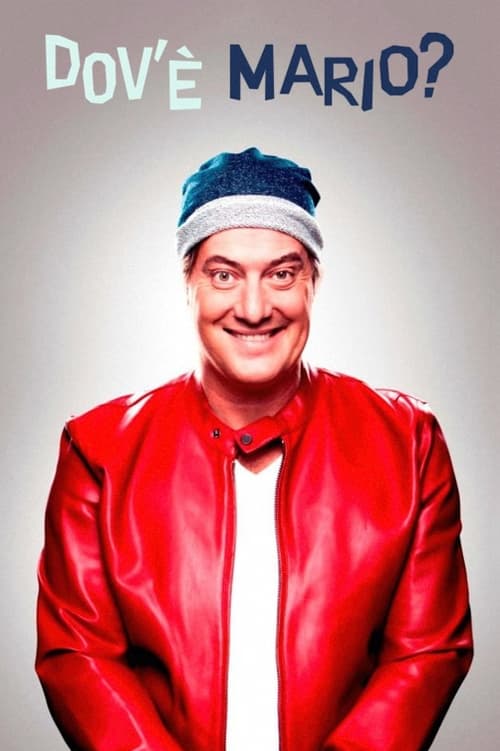
Mario Bambea, an italian Intellectual, after a car accident begins to suffer of double personality. In the day, Mario is an intellectual while in the night, becomes a rude comedian.
A director and his crew attempt to make the transition from the small to the big screen.
An exclusive behind-the-scenes look at Mattia Torre’s plays adapted for television, under the artistic direction and direction of Paolo Sorrentino.
Six plays staged for TV, under the artistic direction and direction of Paolo Sorrentino. A project dedicated to the genius of Mattia Torre, played by actors-friends, companions of many adventures in cinema, theater and fiction.
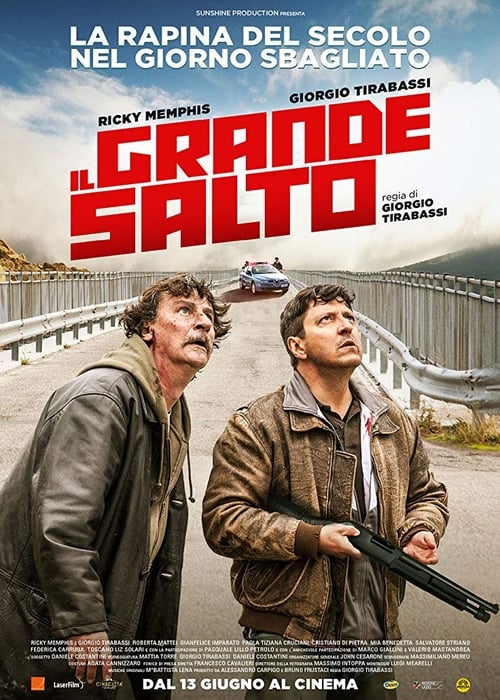
Nello and Rufetto are two second-rate robbers, both in their forties and living in a suburban neighborhood of Rome. After serving four years in prison for a botched robbery, resuming their business, and more importantly, successfully completing it, is no easy feat.
No description available.
The story of a family living in the middle of a valley. The father, mother, and son are uneducated, distrustful, and on edge. They hurl accusations at each other, argue, pray, and hate one another. Yet a truce is needed because an unexpected guest is arriving who could change their future. Everything is perfect, but the truce won’t last.
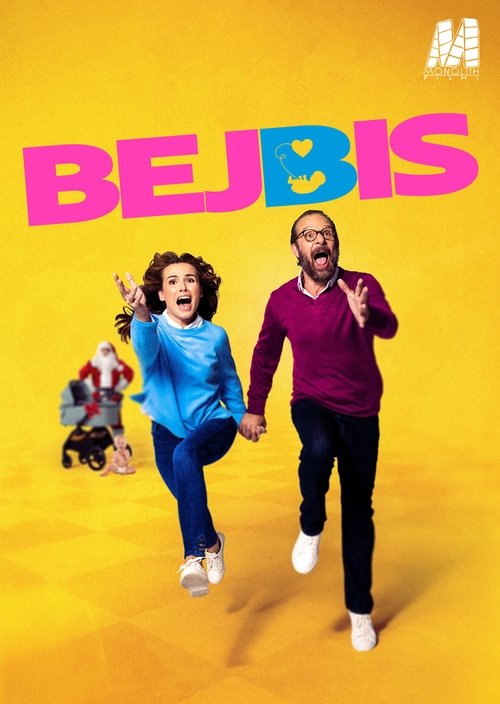
Mikolaj and Ada, a middle-aged, middle-aged couple, happy slightly above the Polish average, with one daughter, Mela. Their stabilized life is complicated by the appearance of a second child, the fruit of a slip-up. How will the characters cope in the face of the new challenge?
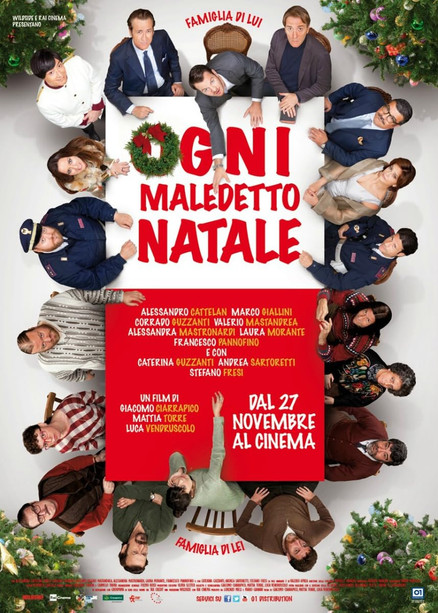
Massimo Marinelli Lops and Giulia Colardo meet by chance in Rome and fall in love. Giulia asks Massimo to spend Christmas Eve with her family.
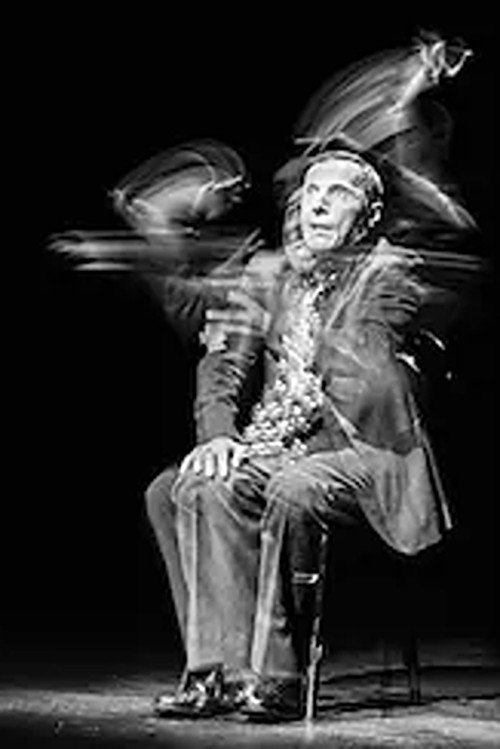
Aurelia. 3:30 in the morning. On the way home from a wedding. A man witnesses an accident, and now, months later, he is called upon to “explain himself” before a judge. But testifying requires knowledge of the facts of the case, and he finds this difficult. Because in an age when everything must be clear, he is at the mercy of the waves.
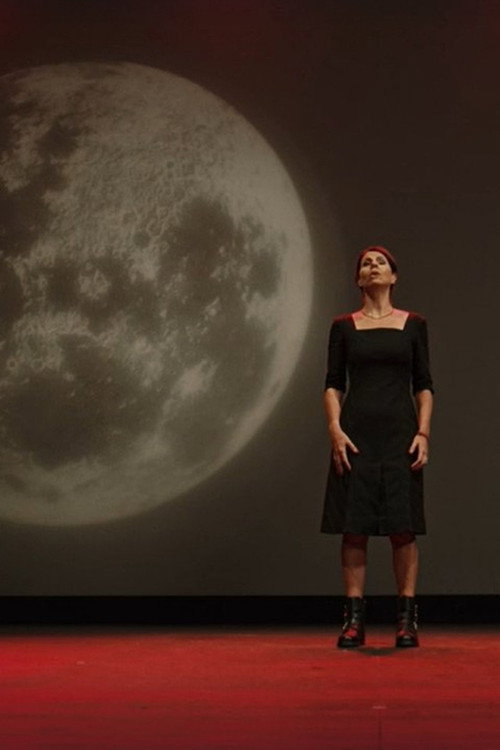
A monologue that chronicles a month in a woman’s life, through the four phases of the menstrual cycle. A woman who leads a routine life, marked by habits that repeat themselves every day, and who, like all of us, struggles to make her way in the world.
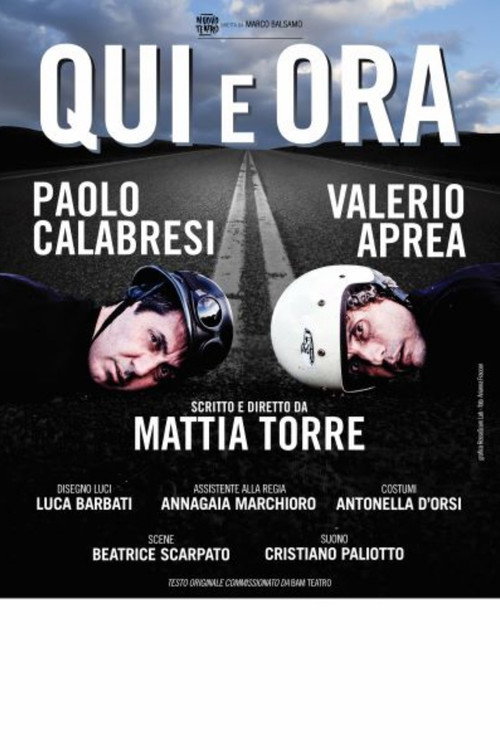
A head-on collision between two scooters on a remote road on the outskirts of Rome. It is June 2, a national holiday, and emergency responders are slow to arrive. The two men lying on the ground are anthropologically irreconcilable opposites, destined to hate one another.
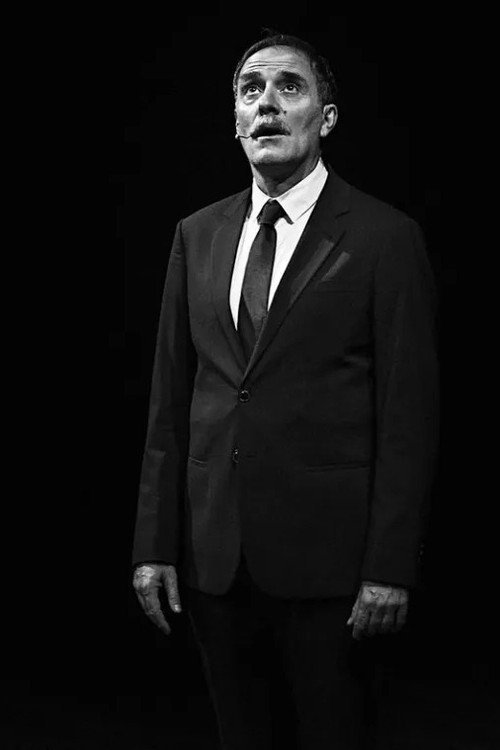
The comic and harrowing story of Alfredo Beaumont, an ordinary man who, following an accident (which he caused, for which he feels responsible, and for which he will be acquitted), falls into a deep crisis and becomes a villain. Suddenly, society throws open all its doors to him: Alfredo advances in his career, women desire him, and he is healed of his ills and fears. Migliore is a story about our times, about people who build their success on ruthlessness, cynicism, and contempt for others. And about the paradox of the despised who, in the face of these people, bow their heads and fascinated let them pass.
A portrait of Italy viewed through its unhealthy relationship with food—a symbol of overabundance and false prosperity, but also of psychological abysses and unbridgeable voids: people eat excessively to forget, to avoid thinking, to avoid curiosity, to avoid being themselves, to replace someone who isn’t there or something they don’t have. Between anger and irony, the text condemns the indifference of which Italy is capable, and which finds its highest expression, its ideal setting, at the table, in front of sumptuous dishes.