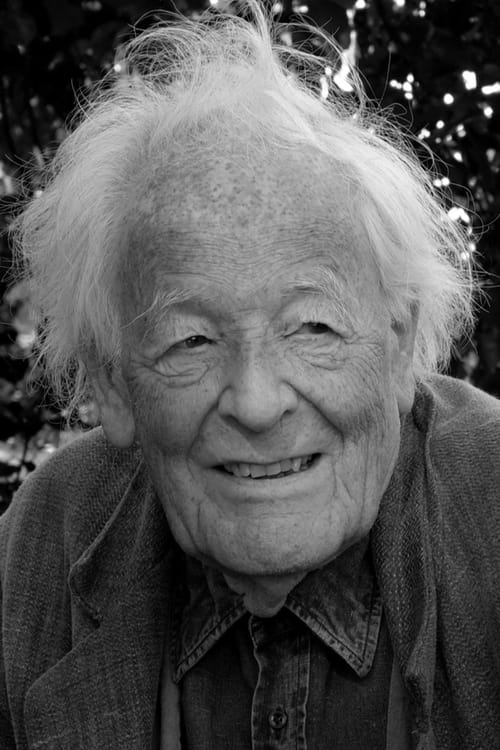
Hans-Jürgen Syberberg
Directing
Biography
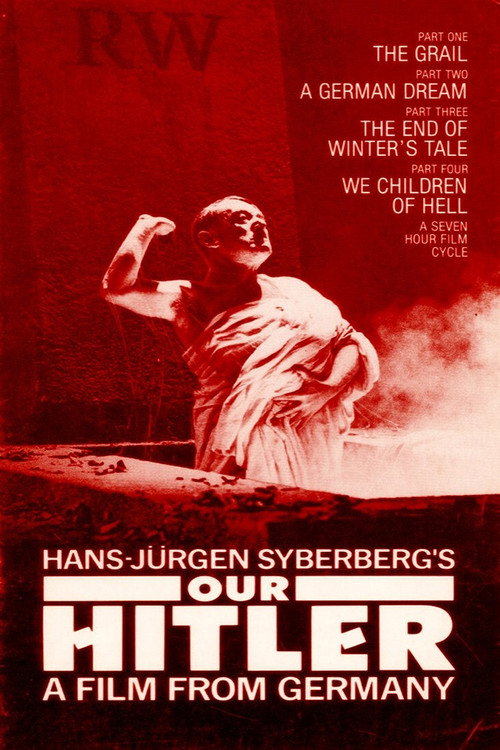
Hans-Jürgen Syberberg (born 8 December 1935) is a German film director and intellectual. For Syberberg, cinema is a form of Gesamtkunstwerk. Many commentators, including Syberberg himself, have characterized his work as a cinematic combination of Bertolt Brecht's doctrine of epic theatre and Richard Wagner's operatic aesthetics. Syberberg is best known for his 'German trilogy', consisting of Ludwig: Requiem for a Virgin King (1972), Karl May (1974), and Hitler: A Film from Germany (1977), the latter of which receives rare theatrical screenings due to its seven-hour runtime.
Known For
No description available.
German Film Award
Annual awarding of the Grimme Awards.
Grimme Award
A 30-minute weekly cultural magazine program. The head of aspekte, Wolgang Herles, describes the program as follows: "For 40 years, "aspekte" has repeatedly set out to enrich television with cultural contrasts. "aspekte" understands culture not as the sum of facts and events, but as the taste, the sound, the rhythms of the times. It has proven itself as a journal of true luxury and fashions as well as an instrument of public education and information."
aspekte
No description available.
Je später der Abend

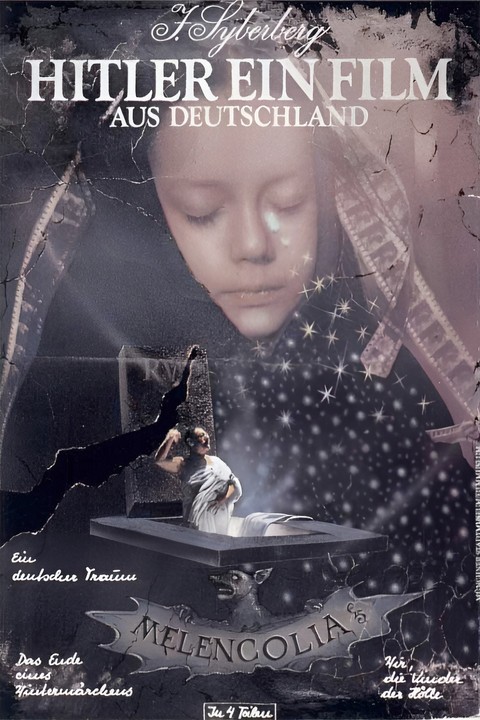
A structure-free, four-part examination of the rise and fall of the Third Reich. Each part explores a different topic, from Hitler's cult of personality in propaganda to how said propaganda was associated with pre-Nazi German cultural, spiritual, and national heritage to the Holocaust and the ideology behind it, particularly from Himmler's point of view.
Hitler: A Film from Germany

A psychological interpretation of the opera mixing in references to the history of Germany, Wagner’s life, German literature and philosophy. The action is centered on Wagner’s death mask. Kundry is the main character – one might read the film as the story of her redemption rather than that of Amfortas.
Parsifal

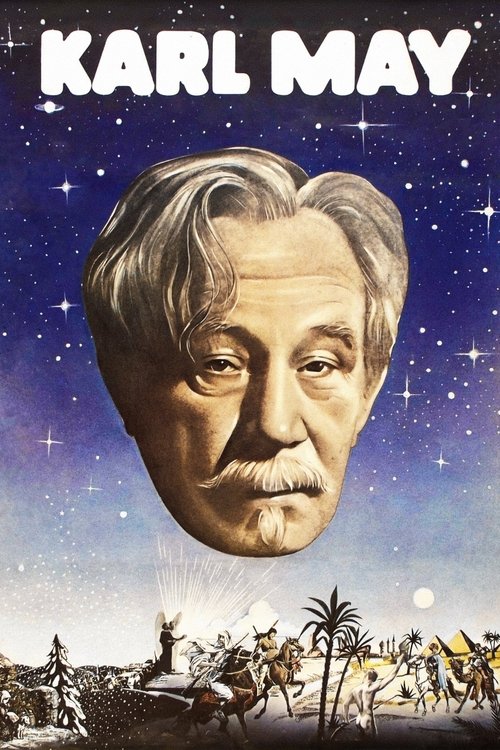
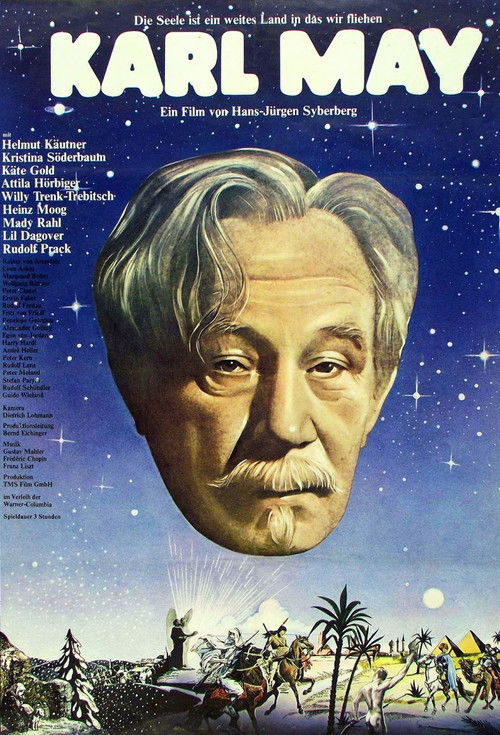
The last ten years in Karl May’s life. A man fighting for his work, which lets him become an iconic figure of his time.
Karl May

BBC documentary about the rise of the New German Cinema and several of its most important figures.
Signs of Vigorous Life: The New German Cinema

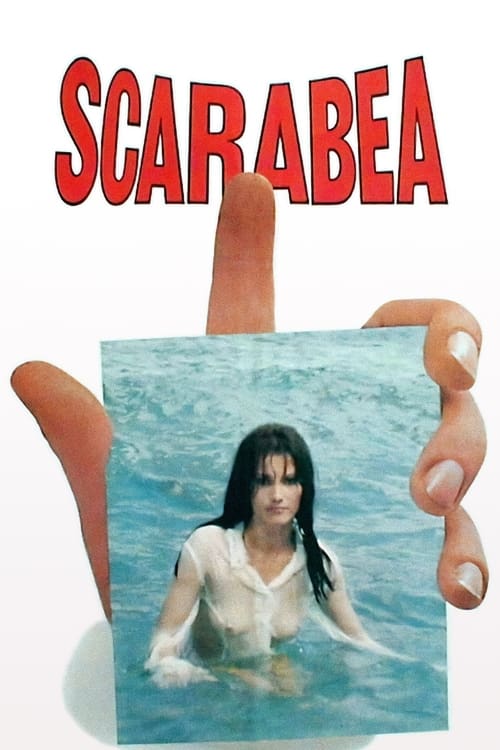
A Teutonic lecher on vacation has a wager with some local peasants that he can't make a walking circle from sunrise to sunset to secure some coveted land. The middle-aged businessman embarks on his journey only to be slowed down by the beautiful reporter Scarabea. With thoughts of drunkenness and sex on his warped mind, the man tries to circumnavigate the parcel of property. The story is a retelling of an ancient folk tale told by Tolstoy where the initial victim bets his soul to Satan against the land he desires.
Scarabea – How Much Land Does a Man Need?

The film consists of a monologue performed by Walter Sedlmayr, who plays Theodor Hierneis, the chef at the court of Ludwig II of Bavaria. The screenplay was written by Syberberg and Sedlmayr and is based on the memoirs of Hierneis.
Theodor Hierneis oder Wie man ehem. Hofkoch wird

A structure-free, four-part examination of the rise and fall of the Third Reich. Each part explores a different topic, from Hitler's cult of personality in propaganda to how said propaganda was associated with pre-Nazi German cultural, spiritual, and national heritage to the Holocaust and the ideology behind it, particularly from Himmler's point of view.
Hitler: A Film from Germany

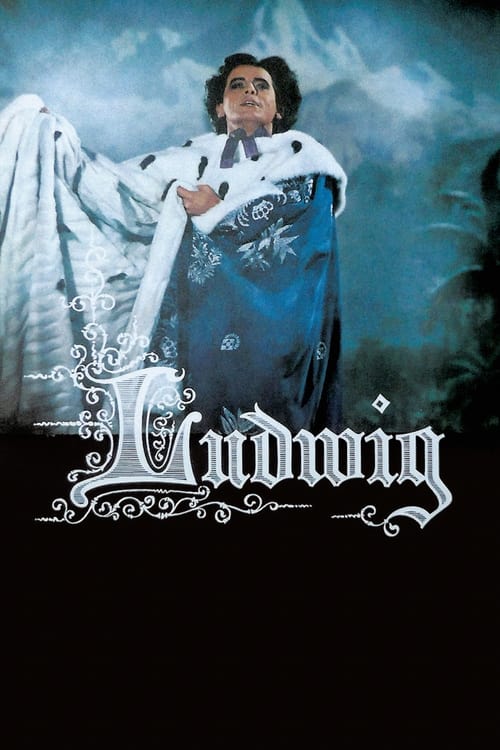
Reflected in an artificial and bombastically staged illusory world with Wagnerian compositions, glossy and satirical time references, 19th century German figures and traditions are stripped of their mythology and interpreted by the Germany of 1972.
Ludwig – Requiem for a Virgin King

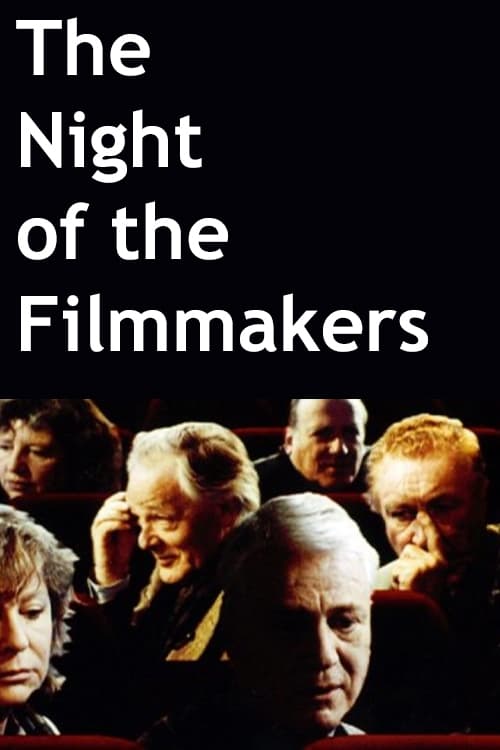
A meditation on the first 100 years of German cinema, featuring an assembly of German filmmakers.
The Night of the Filmmakers

This documentation of a Kortner stage rehearsal shows in detail and fascinatingly how Kortner developed psychological tensions with meticulous precision in linguistic expression and gestural construction.
Fünfter Akt, siebente Szene. Fritz Kortner probt Kabale und Liebe

This surrealistic experimental film finds the son of a young nobleman staying with hash-smoking hippies in a seamy section of Munich. He falls for a hippie girl who is involved in shaking down the young man's parents for money. She falls in love with the young man but the group continues to extract money from the parents in return for their wayward son. When he discovers the shakedown, his rage leads to tragedy for the star-crossed lovers.
San Domingo

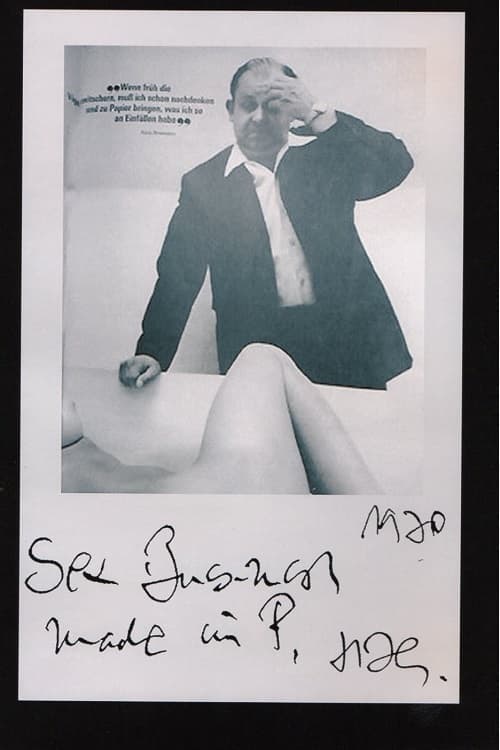
Documentary film about the successful erotic film producer and author Alois Brummer. Documentary filmmaker Hans Jürgen Syberberg accompanies Brummer for six days in his daily business during the shooting of Brummer's film “Graf Porno und die liebesdurstigen Töchter” (Count Porno and the Love-Thirsty Daughters). In addition to Brummer, his employees and actors also have their say.
Sex-Business: Made in Pasing

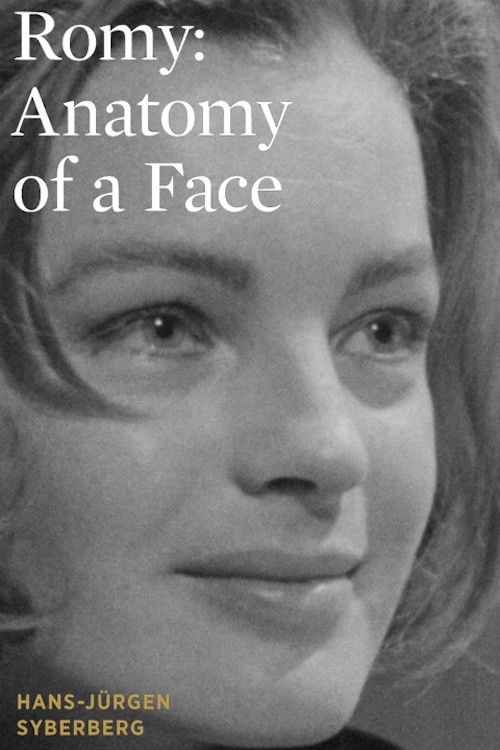
Documentary about young actress Romy Schneider, capturing just the right moment between her first career as a young actress in mainstream "Unterhaltungskino" ("entertainment cinema") and her second one as acknowledged European arthouse actress.
Romy: Anatomy of a Face
"Life is a latency that as time and space becomes visible as a figure. But never eat at all, there are other possible lives. Making a life is difficult, filming the impossible itself . with this imago-auto-bio-graphy is an attempt to talk about this ambiguity, where what could be is the possibility of a memory, where what was and what was not, can be remembered in the same way, . always I lived with mixing the imagined thing is chosen in this chancy; go left on the road the other films that might have emerged" -Narcisa Hirsch
El Mito de Narciso

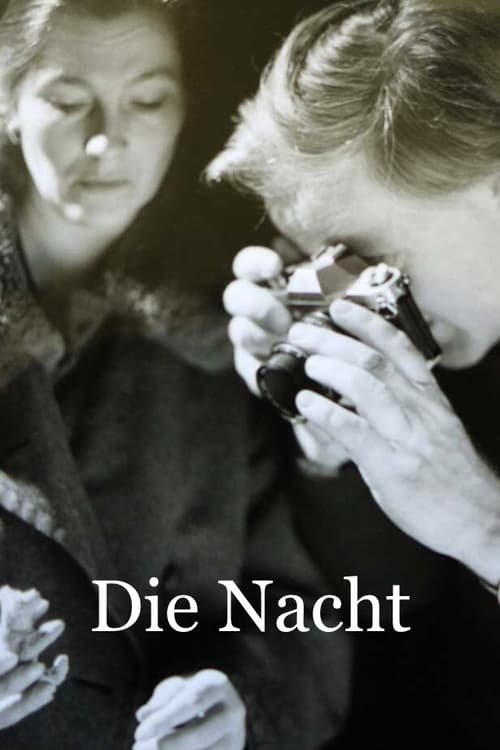
An installation film that consists of a six-hour-long monologue performed by Edith Clever, who reads texts by Syberberg and many different authors, such as Johann Wolfgang von Goethe, Heinrich von Kleist, Plato, Friedrich Hölderlin, Novalis, Friedrich Nietzsche, Eduard Mörike, Richard Wagner, William Shakespeare, Samuel Beckett, and Chief Seattle.
The Night

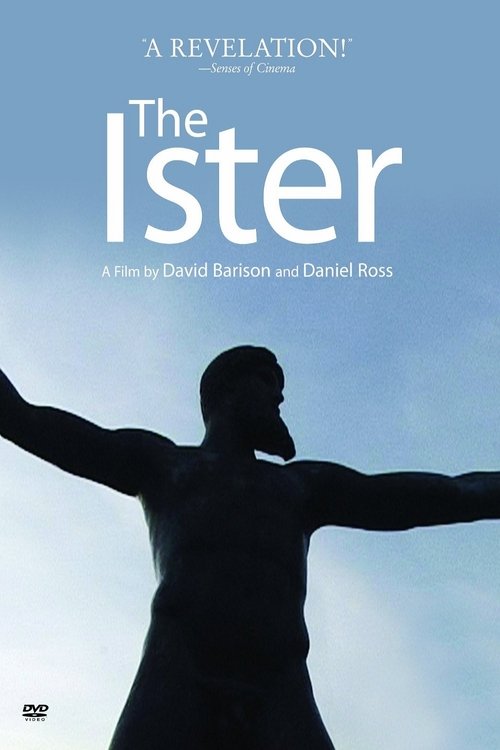
The Ister is a 3000km journey to the heart of Europe, from the mouth of the Danube river on the Black Sea, to its source in the German Black Forest. Hailed by Scott Foundas of Variety as "a philosophical feast—at which it is possible to gorge oneself yet leave feeling elated,” the film is based on the work of one of the most influential and controversial philosophers of the 20th century, Martin Heidegger, who in 1933 swore allegiance to the National Socialists. By joining a vast philosophical narrative with an epic voyage along Europe’s greatest waterway, The Ister invites you to unravel the extraordinary past and future of ‘the West.’