Acting
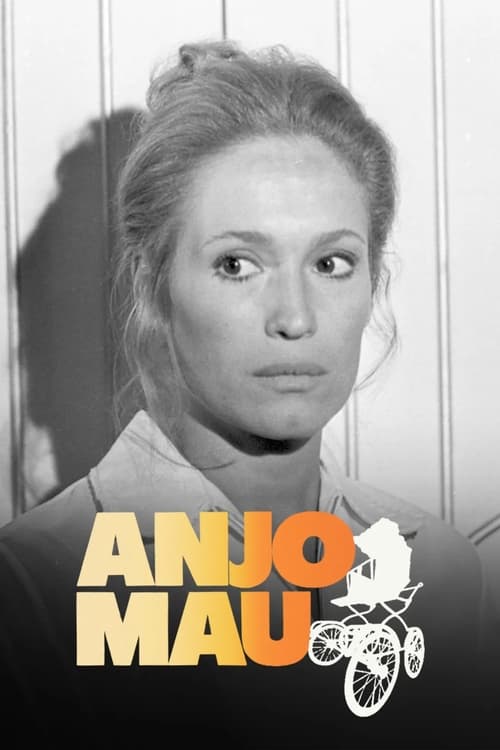
A poor young woman, unhappy with her inevitable destiny as a suburban housewife, gets a job as a nanny for a wealthy family and falls in love with her employer's brother, using every trick to win him over and ultimately become the lady of the mansion. .
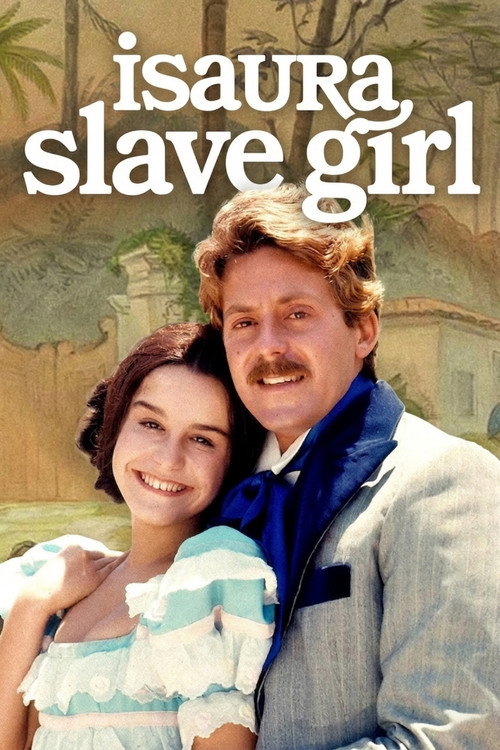
Set in 19th-century Brazil during the waning years of slavery, Escrava Isaura tells the story of Isaura, a white-skinned enslaved woman raised with the manners and education of a noble lady. Though treated with affection by her mistress, Isaura remains legally enslaved and becomes the object of obsessive desire by Leôncio Almeida, the cruel heir to the plantation. After the death of her protector, Isaura falls under Leôncio’s control. Despite his attempts to seduce and dominate her, she resists, determined to preserve her dignity and freedom. Her father, Miguel, helps her escape to Recife, where she adopts a new identity and meets Álvaro, a wealthy and principled abolitionist who falls in love with her. Leôncio eventually tracks her down, leading to dramatic confrontations. In the end, Álvaro rescues Isaura by purchasing Leôncio’s debts, securing her freedom and affirming the story’s central themes of justice, love, and resistance against oppression.
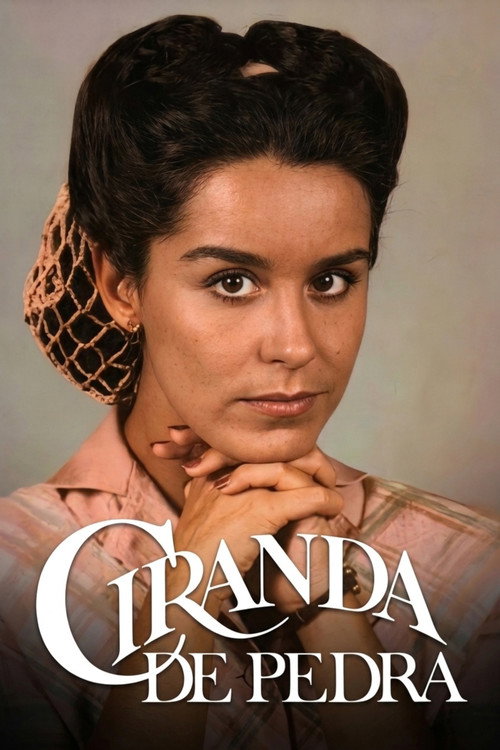
No description available.
The cheerful and outgoing Jordana lived alongside Silas for 20 years, helping him become wealthy. Despite this, he abandons her to run away with the opportunistic Carla. After the separation, Jordana faces financial difficulties. She then meets Dona Mena, an eccentric and lonely old woman abandoned by her family. Jordana takes care of Dona Mena and, when she dies, inherits four bronze cupids containing a million dollars. The problem is that the cupids disappear without a trace. The cupids become the subject of a fight between Dona Mena's nephews, Loreta and Carlito. The two are the villains of the story. Jordana, however, ends up falling in love with Carlito. In the final chapters, Jordana manages to recover the cupids and rebuild her life. She has the help of her friend Vieira.
Lauro Fontana wants to build the biggest hotel in Brazil, but he needs to convince the Camará brothers to sell the mansion they live in, facing ethical dilemmas and personal obstacles.
Set in 1940s São Paulo, the story follows Laura, a modern woman devoted to the arts who is oppressed by her husband, Natércio Prado—a wealthy man with traditional views. Amidst marital turmoil, Laura suffers a severe trauma and is even committed to an asylum by her husband. The couple separates, and the family is torn apart: Laura keeps her youngest daughter, Virgínia, while Natércio retains custody of the other daughters, Otávia and Bruna. Frail and penniless, Laura moves into the Vila Mariana home of her neurologist, Daniel. He is in love with his patient and believes her condition is physical rather than mental. Laura hides the fact that Virgínia is actually Daniel's daughter. The youngest daughter eventually returns to live with her father, where she faces hostility and harshness from the housekeeper, Frau Herta.
Set in Poços de Caldas, Minas Gerais, the story shows how Pardal and Bebel, young people newly arrived in the city, fall in love. However, each hides their true identity from the other.
The famous psychologist Teca falls in love with the widower Renato, father of one of her patients. The romance awakens the jealousy of Stela, who harbors an unhealthy passion for Renato, her brother-in-law.
Madalena hopes Pedro will fulfill the promise he made 28 years ago, while political rivalry separates the two families. The arrival of the circus reveals secrets and stirs up the town.
It tells the story of the Camabará family for many generations, which were fundamental to the social and political formation of the state of Rio Grande do Sul. The stories are remembered by Dona Bibiana, who remembers the life of her grandmother Ana, her husband, the Captain Rodrigo, his son Bolivar and his daughter-in-law Luzia.