Acting
Polizeiruf 110 is a long-running German language detective television series. The first episode was broadcast 27 June 1971 in the German Democratic Republic, and after the dissolution of Fernsehen der DDR the series was picked up by ARD. It was originally created as a counterpart to the West German series Tatort, and quickly became a public favorite.
Der Staatsanwalt hat das Wort was an East German television series.
No description available.
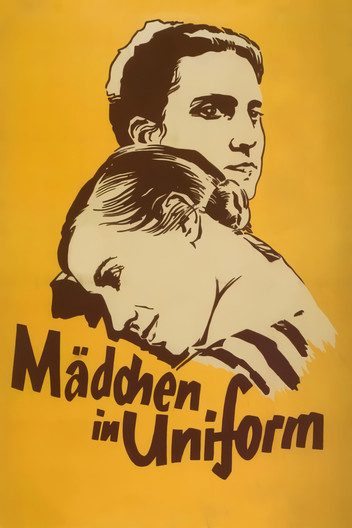
A sensitive girl is sent to an all-girls boarding school and develops a romantic attachment to one of her teachers.
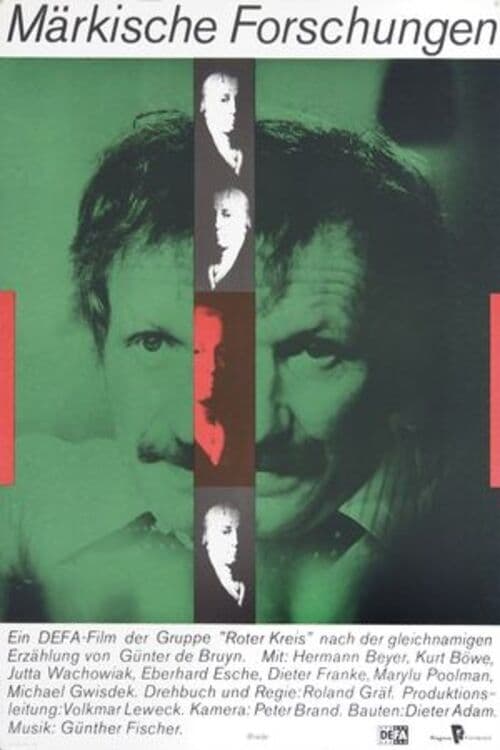
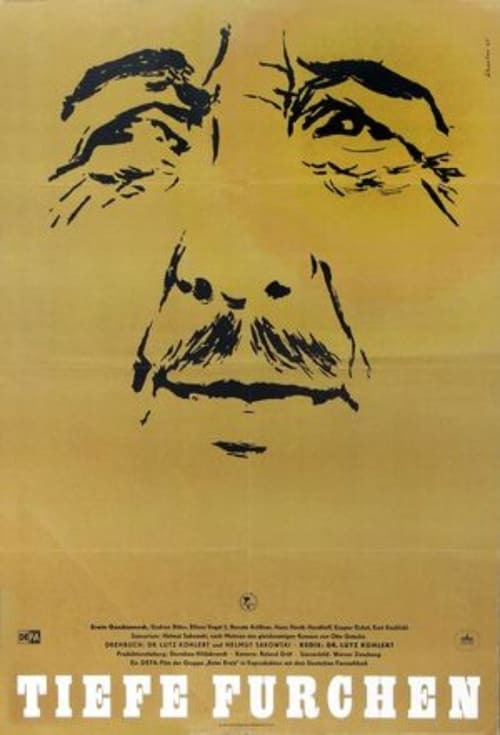
On a forest road in the Brandenburg March, village teacher Potsch accidentally encounters the distinguished Professor Menzel, who got stuck there in his car. In the conversation that ensues, Menzel and Pötsch quickly discover that they both are great admirers of the early 19th-century writer Max von Schwedenow who was born in the area.
The impoverished and homeless orphan girl Anna Barbara sets out in search of the mysterious golden thaler. The rag collector Hans Geiz offers her the promise of it if she toils in his underground kingdom for three years.
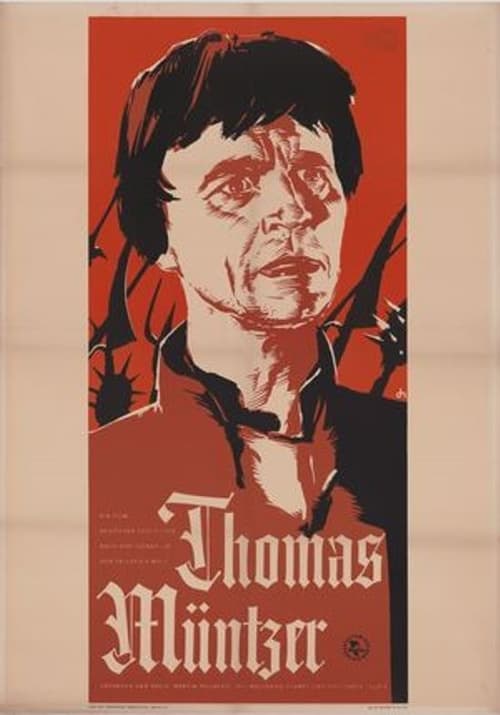
In 1523, young Thomas Müntzer arrives with his wife Ottilie in the Thuringian village Allstedt to assume the rectorate. As a follower of Luther′s teachings, he finds in the Bible not only reasons for clerical, but also for secular reforms. But when Luther turns away from the rural population after a discord with Müntzer, it is Müntzer who becomes the peoples′ spokesman. He is forced to go to Southern Germany, where he convenes with revolting farmers. But his way leads him back to Thuringia. In 1525, he and Heinrich Pfeiffer form the centre of the Thuringian peasant uprising in Mühlhausen, but their success is diminished by the fact that peasants and craftsmen don′t seem to be able to work together. In Frankenhausen, Müntzer becomes the leader of a peasants′ army that is set to fighting the ruler′s army – and sustains a devastating loss. Müntzer is arrested and sentenced to death by decapitation for his insurgency.
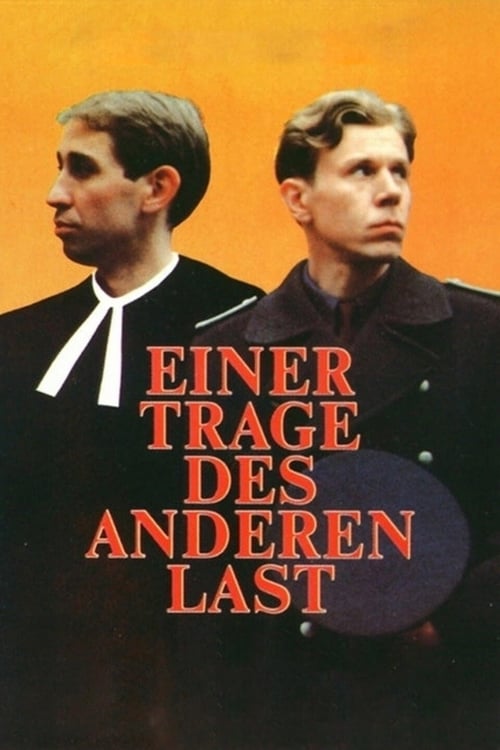
At the beginning of the 50s, two extremely disparate men meet in a private sanatorium for consumptives: an officer in the People's Police, Josef Heiliger; and a young Protestant curate, Hubertus Koschenz. On account of their consumption, they have to share a room. Initially, this is the only thing they have in common. The film explores Hubertus's struggle with his sexuality within the context of both the church and the socialist state.
Indian boys play in front of a tent camp on the prairie. They imitate the buffalo dance of the hunters. One boy doesn't like it. He wants to take part in the hunt, but is still too young. He sets off on his own and shoots a deer. An old chief meets him at the kill and tells him the story of the rainbow: a boy misused his magic bow and shot all the animals he could track down. The bear called him to account for this. The bear threw the boy's bow and arrows into the air. The result was the rainbow, a reminder to all hunters that no animal should be killed without need. The boy returns to the camp and joins in with the children's game.
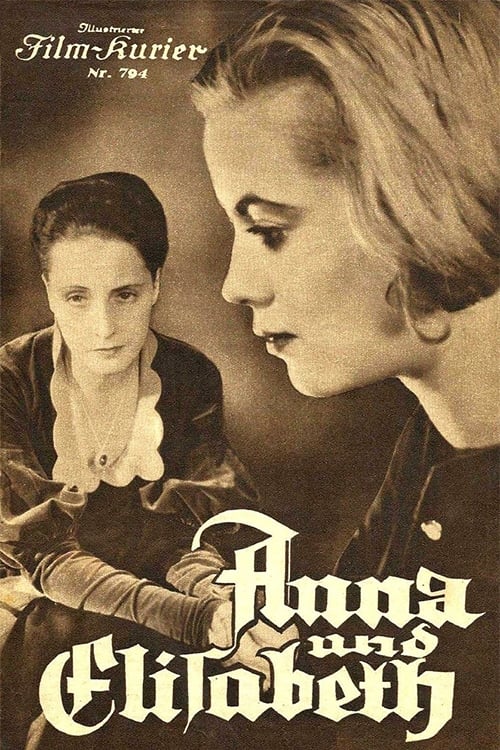
The two main people in the story are Anna, a young girl, who is thought of having the ability to heal people mysteriously. Elisabeth is a young - middle aged aristocratic woman, that is disabled and puts all her hopes in meeting Anna and having her disability heal by her. A strange ambivalent relationship develops between the two women.
A railway line is to be laid through remote Lusatian farmland. Surveyors herald the “new era” with their work. The events also leave their mark on the people. Stylistically idiosyncratic first feature film by a director who comes from documentary film. The story is told as a parable about the relationship between humans and progress, with the actors making extremely clever use of their freedom.
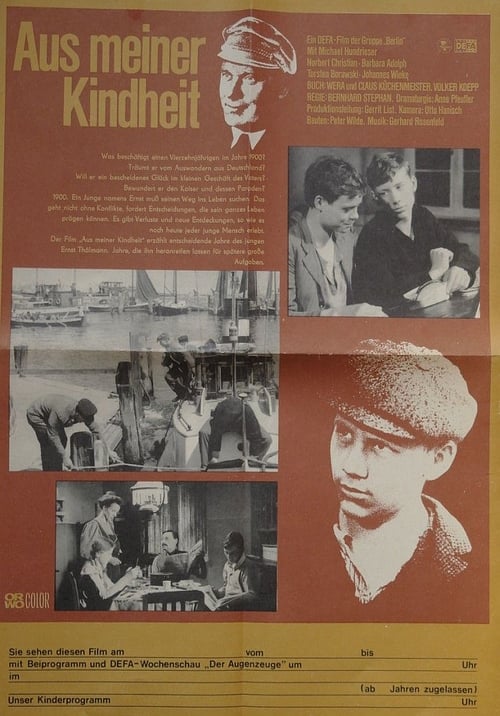
Ernst is a student in Hamburg around 1900 and leads a life like many other young people. In his free time, he roams the colorful metropolis with his buddy Karl. After school, he helps his father, whose business he is to inherit one day. Ernst has many questions about the world and life, but it is difficult to find satisfactory answers... At this time, nobody suspects that he will go down in the history books as the workers' leader Ernst Thälmann.
Germany in May 1945: the war is over, men are returning home and a new life begins in the villages. After 12 years in a concentration camp, the "Red Shoemaker" also returns to his home village. His wife is dead and others live in his house: Gebhardt, an employee on the farm of the large farmer Winter, and his family. The "Red Shoemaker" comes to stay with Hübner and his daughter Agnes. Over the past terrible years, he had repeatedly felt the hatred within him and wanted to take revenge on those who had sent him to the concentration camp. But now he wants to look to the future and takes on the position of mayor here in the village. He works to ensure that the village is supplied with food and tries to ensure that the fascist ideology disappears from people's minds. In doing so, he also makes enemies.
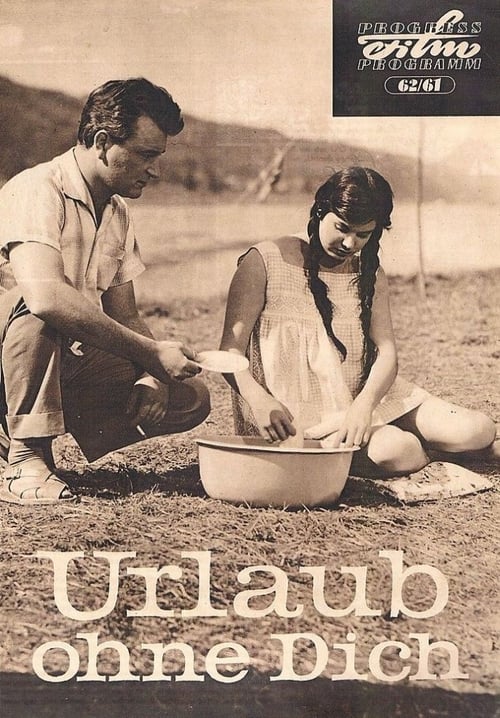
Hannes comes forward with a suggestion on how to make his brigade more efficient. Due to his success, he and all of his colleagues are granted a special leave. They decide to spend their free time in a holiday home. Hannes, however, does not join them. Instead, he pretends that he has to help his wife Irma with the installation of a machine for the agricultural cooperative. While Irma thinks that he spends his holiday with the brigade, Hannes goes on a road trip with the young and pretty Monika who has no idea that he is married.
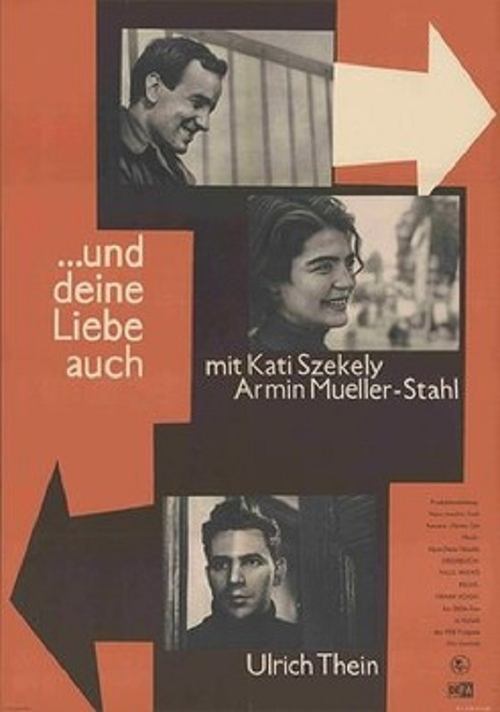
On August 13th, 1961 - the night that the Berlin Wall goes up - three people must make a decision that will change their lives forever.
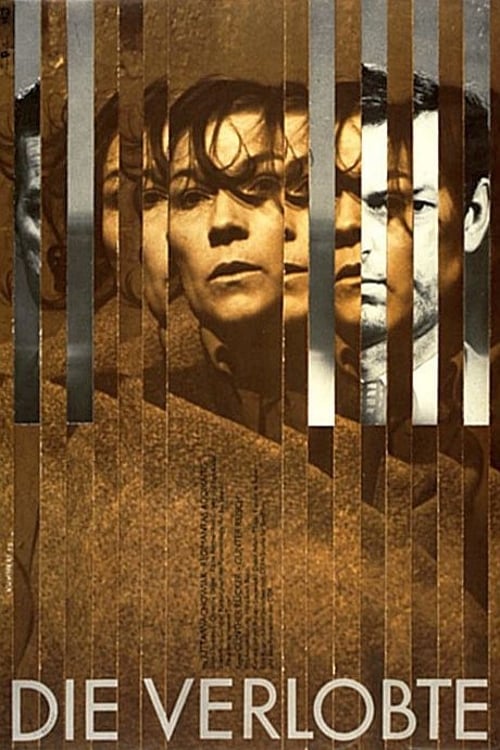
The wrenching story of a woman sentenced in 1934 to ten years in prison for antifascist activities. The love between her and her fiancée enables her to survive the tribulations of her time in prison, where she is one of few political prisoners.
The young sailor Felix Striebel goes on vacation to a village and visits the fresh grave of "Mother Magda".