Acting
Tatort is a long-running German/Austrian/Swiss crime television series set in various parts of these countries. The show is broadcast on the channels of ARD in Germany, ORF in Austria and SF1 in Switzerland.
A police department, lead by an older, experienced detective solve crimes together.
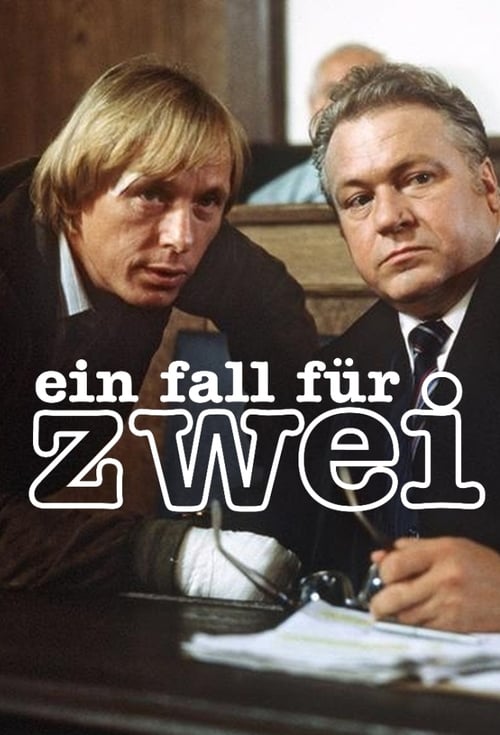
Ein Fall für zwei is a German television series, which premiered on September 11, 1981 on ZDF. The series, located in Frankfurt am Main, features two main characters who solve crimes: a defense attorney and a private investigator. Josef Matula, a former German police officer, has gone into private business. His method of investigation is very effective and direct, and he sometimes even resorts to dirty tricks. Claus Theo Gärtner has portrayed the role since the start of the series.
Derrick was a German TV series produced by Telenova Film und Fernsehproduktion in association with ZDF, ORF and SRG between 1974 and 1998 about Detective Chief Inspector Stephan Derrick and his loyal assistant Inspector Harry Klein, who solve murder cases in Munich and surroundings.
Polizeiruf 110 is a long-running German language detective television series. The first episode was broadcast 27 June 1971 in the German Democratic Republic, and after the dissolution of Fernsehen der DDR the series was picked up by ARD. It was originally created as a counterpart to the West German series Tatort, and quickly became a public favorite.
No description available.
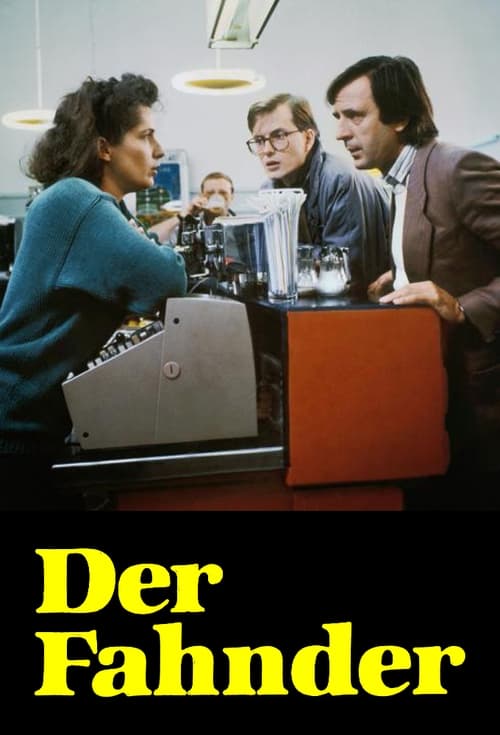
Der Fahnder is a German television krimi series which was aired between 1984 and 2005. In the Netherlands the series was broadcast by the VARA from 3 October 1985.
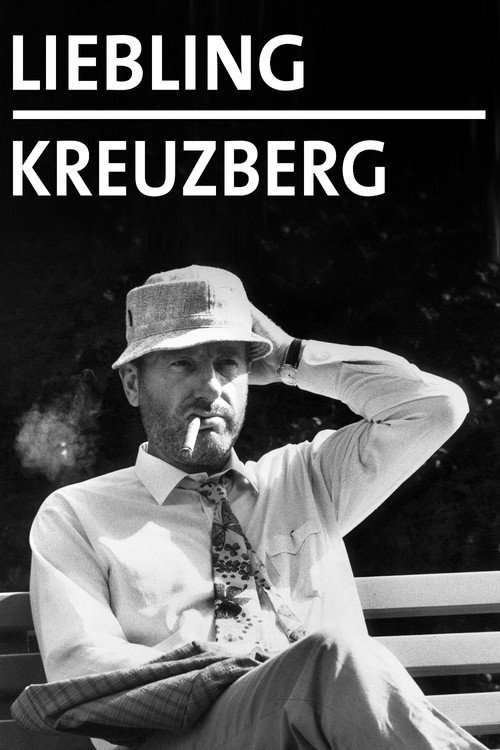
Liebling Kreuzberg was a television series on ARD, which was sent in five seasons with a total of 58 episodes the first time from 1986 to 1998. The scripts of seasons one through three and five were from Jurek, of his friend Manfred Krug wrote the role of idiosyncratic Berlin attorney Robert favorite on the body, the fourth season was written by Ulrich Plenzdorf. Director Heinz Schirk, Werner Masten led and Vera Loebner. Producing Series transmitters were the SFB, the NDR and WDR. The music of the first season was. Hans-Martin Majewski, in the later seasons of Klaus Doldinger.
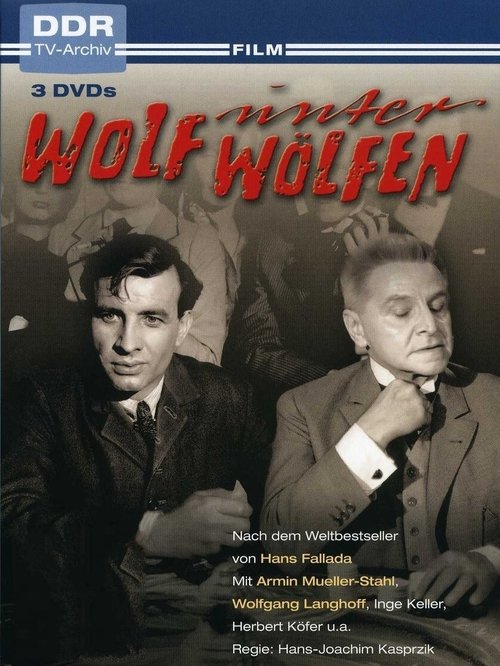
The living conditions during the period of inflation in the early 1920s are depicted in a fascinating way. Behind a shiny façade, ordinary people struggle for bare survival. Opposite them stand landowners and former military personnel with their complacency, ignorance, and emptiness! The title character, Wolfgang Pagel—a cadet officer, unemployed and a gambler out of desperation—loses everything on the night before his wedding and sets out in search of money in the inflation-ridden Berlin of the 1920s.
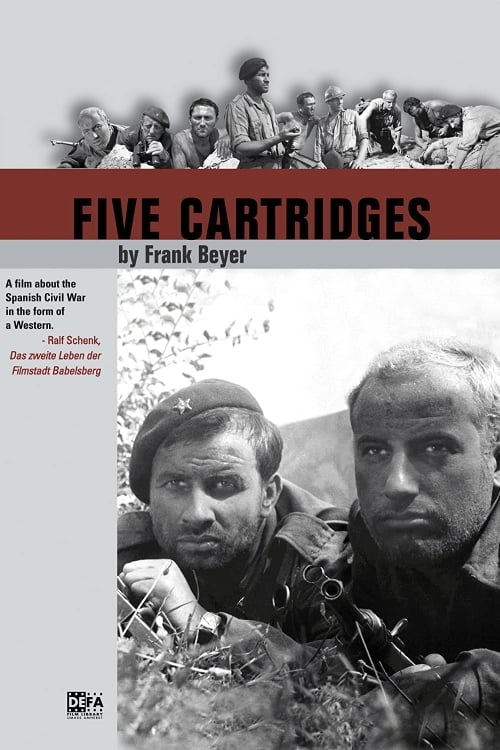
During the Spanish Civil War (1936-1939), five International Brigade soldiers of different nationalities are given a crucial assignment as their commander lies dying: they are to smuggle top-secret information across enemy lines.
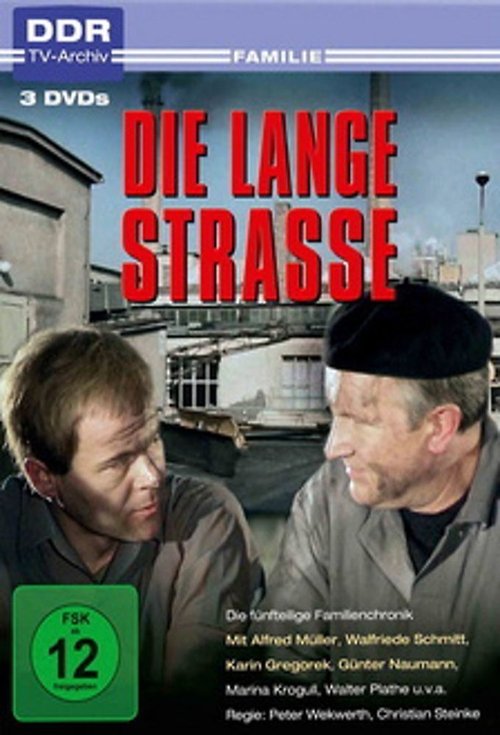
1949. Grafenberg in Brandenburg shortly before the foundation of the GDR. Here lives Michel Hollmann and works in roadmaking. His purpose in life are his wife Lotte and the two children Gerda and Heinz, for whom he is reconstructing a summerhouse into a “nest”. In Grafenberg, his siblings are living as well: His brother Karl, the mayor, and sister-in-law Edith, who works in a textile factory, with their son Jürgen. Edeltraut, his sister, has married the lamp fabricant Berthold Bennert and leads a well-off life. They as well have a son: Harald. Part of the family are further sister Hanna and brother-in-law Hermann, who is a fisherman on one of the local lakes and conducts a tenacious private war against old Stegewald and his presumptive prince-electoral rights. They are living their lives with their large and small conflicts, with different intentions, and yet remain connected always.
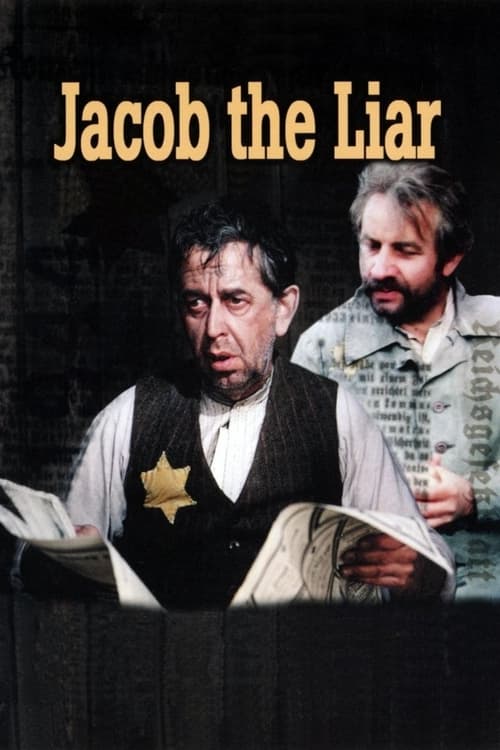
A Jewish ghetto in the east of Europe, 1944. By coincidence, Jakob Heym eavesdrops on a German radio broadcast announcing the Soviet Army is making slow by steady progress towards central Europe. In order to keep his companion in misfortune, Mischa, from risking his life for a few potatoes, he tells him what he heard and announces that he is in possession of a radio - in the ghetto a crime punishable by death. It doesn't take long for word of Jakob's secret to spread - suddenly, there is new hope and something to live for - and so Jakob finds himself in the uncomforting position of having to come up with more and more stories.
A commercial artist with a lisp chooses silence, unexpectedly propelling his career. His perceived innovation leads to rapid advancement in an ad agency. Mueller-Stahl shines in this biting critique of East German workplace culture.
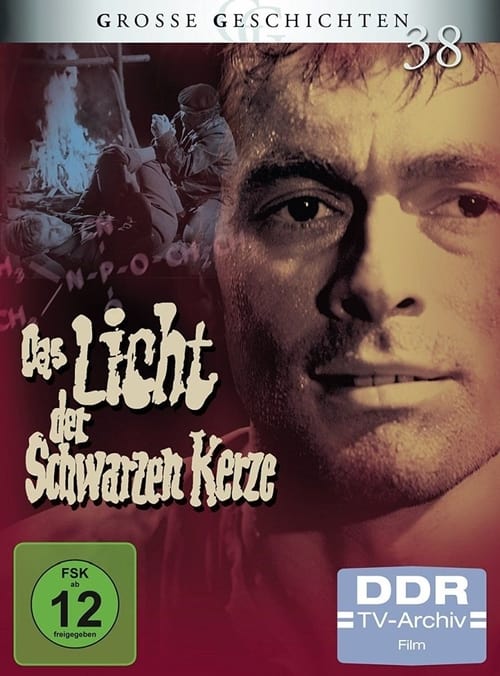
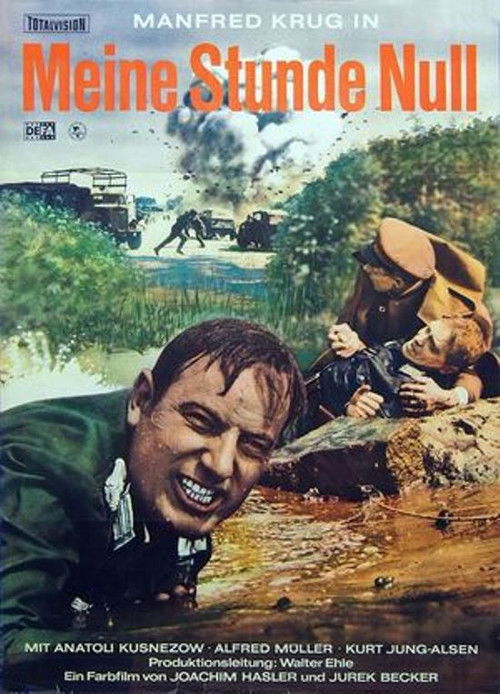
Germany in 1943. The Berlin worker Klaus Hartung is deployed as a soldier to the Eastern front during World War II. During a tour, he is captured by a Russian patrol. While in captivity, Hartung comes to the conclusion that he has to come through and actively take part in the effort to end the war. He consents to abduct a German officer together with two Russian soldiers. During their adventurous mission, the men who at first had been enemies, become sincere friends.
In an act of friendship and solidarity between two mining towns in 1929, the locals of Kryvyi Rih, Ukraine, give their flag as a gift to the locals of Bergstedt, Germany in this GDR propaganda film. This quickly takes on a symbolic meaning for the miners in Bergstedt as the Nazi party demands that this Soviet gesture be erased and the flag be replaced with their own. The miner and communist party functionary Otto Brosowski publicly declares it his duty to defend this flag against every danger, and he keeps his promise despite his family being threatened by torment and torture.
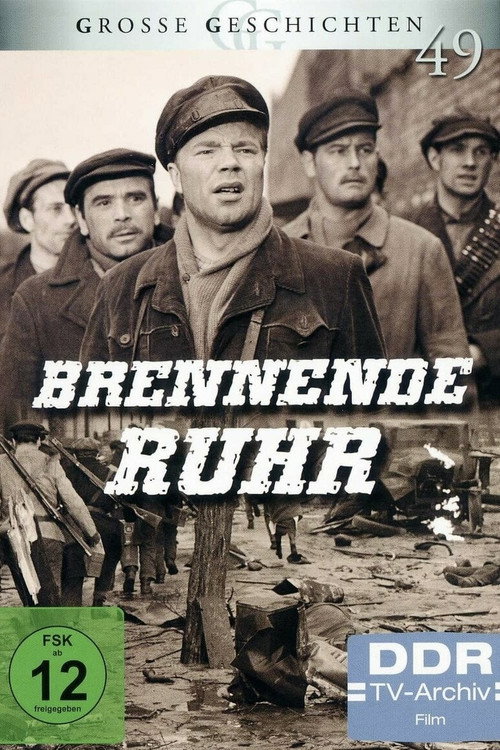
The events during the Kapp-Putsch 1920 in a small German town in the Ruhr district. The main protagonist is Ernst Sukrow, a student who sympathises first with the bourgeois forces but finally decided to join the communists in their fight.