Shirley Clarke
Directing
Biography
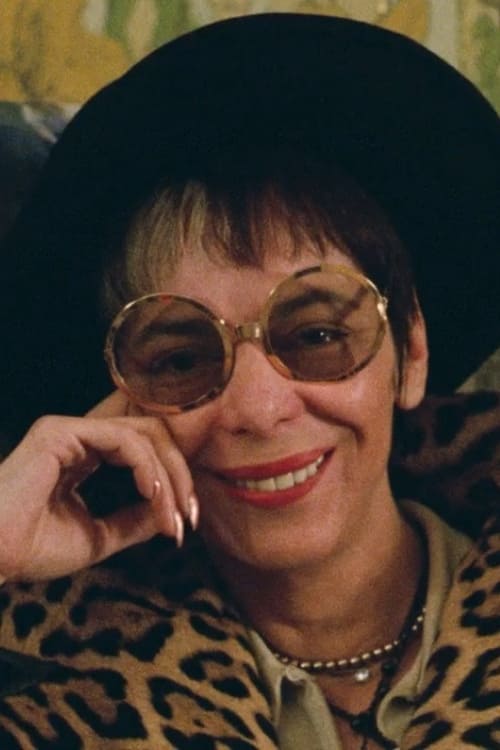
A major figure of the American avant garde, Shirley Brimberg Clarke (1919-1997) was born into privilege as the daughter of Polish-Jewish immigrants who made their fortune in manufacturing. Rebelling against a repressive bourgeois upbringing, Clarke turned first to dance, and later film and video, to express her distinctive vision of the world. Moving freely across genres and media throughout her career (and often within a single work), Clarke’s cinema explores the porous boundaries between narrative and documentary filmmaking, and film and other media, such as painting, dance, performance and video. Her 1960s features The Connection (1961), The Cool World (1963) and Portrait of Jason (1967), for which she is arguably best remembered, address issues of urban alienation, poverty, addiction and racism, focusing on lives lived at the margins of American society. Fearless in both her personal and creative life, Clarke produced a body of work that is as formally innovative as it is rooted in social protest. Clarke initially trained as a dancer, immersing herself in New York’s vibrant post-war avant-garde dance scene. Although her dance career never quite earned her the critical acclaim she’d hoped for, it had a lasting impact on her subsequent filmmaking and video work, informing an interest in how movement is recorded formally, while introducing her to key avant-garde dancers and choreographers. Source: https://denniscooperblog.com/shirley-clarke-day-2/
Known For

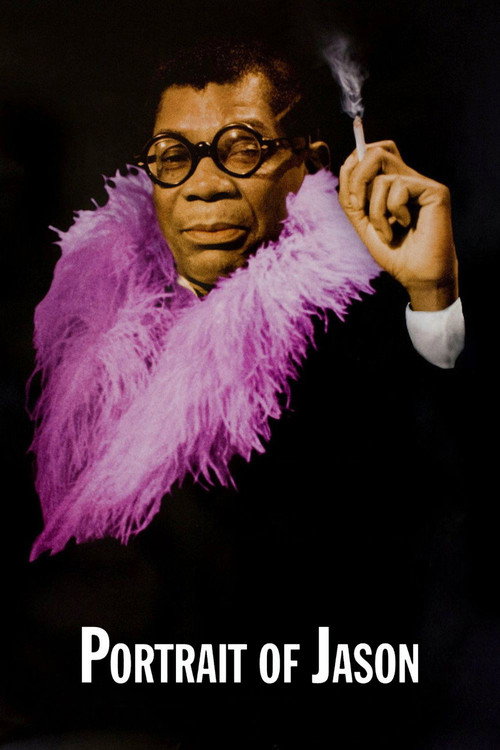
Interview with Jason Holliday aka Aaron Payne. House-boy, would-be cabaret performer, and self-proclaimed hustler giving one man's gin-soaked, pill-popped view of what it was like to be black and gay in 1960s United States. Preserved by the Academy Film Archive in partnership with Milestone Films in 2013.
Portrait of Jason

Jim and Connie's postwar New York building troubles keep Jim from working on his novel. Ex-WAC from Jim's army days Roberta moves in, further upsetting Connie but pleasing Jim's friend Ed. Tenant Charley, who marries tenant Eadie, loans money to Jim to help him keep the building, money which this Casanova obtains from rich widows.
Love Nest

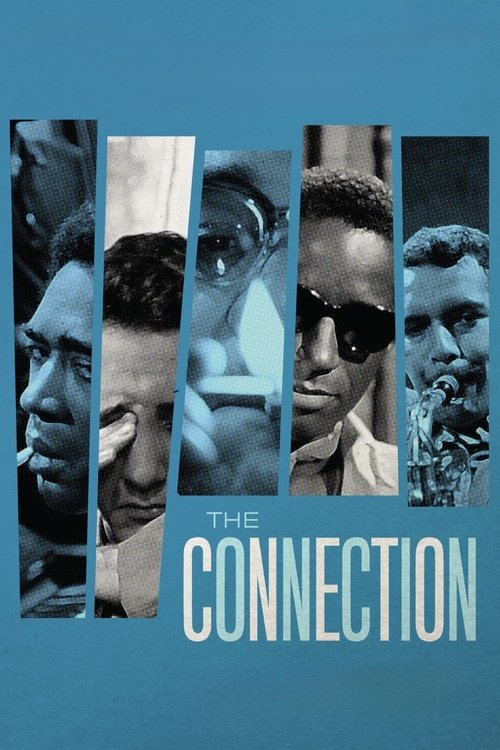
Eight drug addicts are waiting for their connection in a New York apartment while a two-man documentary team films the proceedings. Things go out of control as the men grow increasingly nervous and the cameraman keeps recording.
The Connection

Three actors in Hollywood live and love together. A director comes from New York to make a movie about actors and Hollywood.
Lions Love

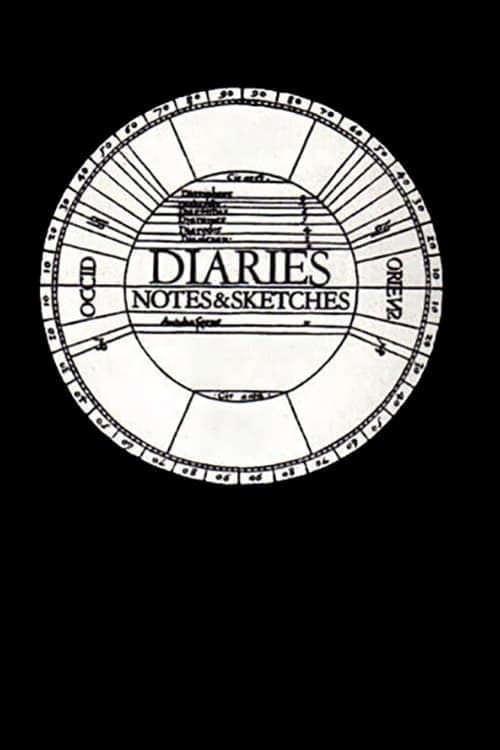
Also known as Walden, Jonas Mekas’s first diary film is a six-reel chronicle of his life in 1960s New York, interweaving moments with family, friends, lovers, and artistic idols. Blending everyday encounters with portraits of the avant-garde art scene, it forms an epic, personal meditation on community, creativity, and the passage of time.
Diaries, Notes, and Sketches

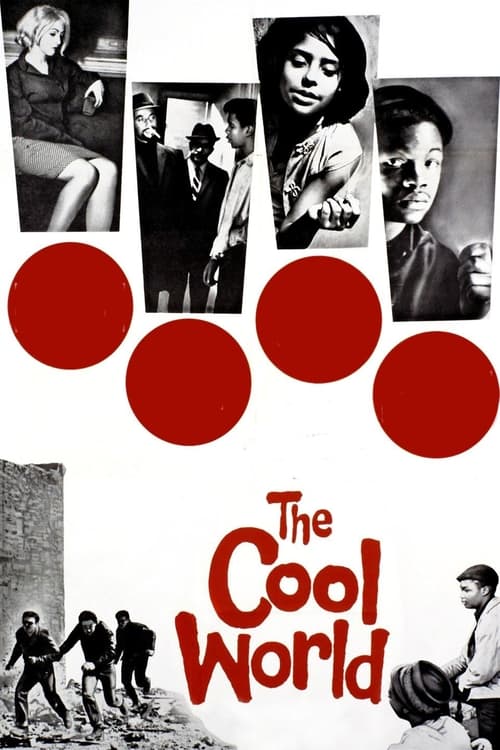
A fifteen-year-old boy wants to buy a gun from an adult racketeer named Priest, in order to become president of the gang to which he belongs, and to return them to active "bopping" (gang fighting) which has declined in Harlem.
The Cool World

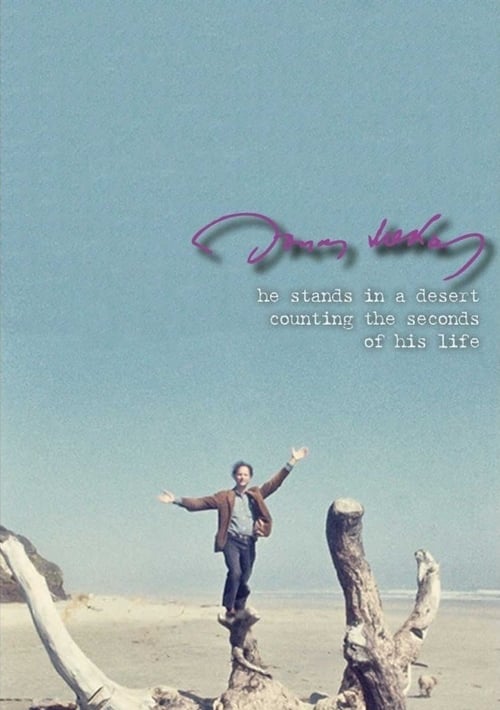
A film collage tracing the story of the lives, loves, and deaths within the artistic community surrounding Jonas Mekas.
He Stands in a Desert Counting the Seconds of His Life

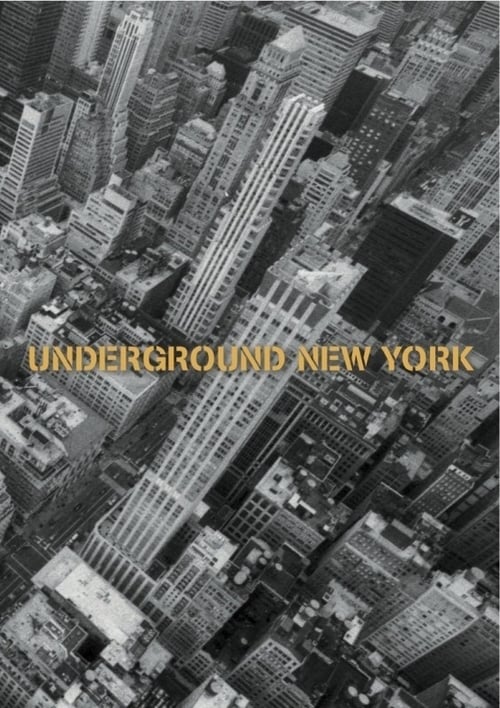
A rare behind-the-scenes view of the exploding New York “underground” in the late sixities, a turbulent time and place that was to change American culture forever. A German TV crew, led by journalist Gideon Bachmann, explores the epicenter of the sixties revolution in art, music, poetry and film and interviews the main players in the “New American Cinema,” that was born on the streets of New York. Against a backdrop of cultural upheaval in all of the arts and growing political agitation against the Vietnam War, Bachman interviews the most prominent figures in “underground film,” including Jonas Mekas, Shirley Clarke, the Kuchar Brothers and Bruce Connor, and visits the most notorious location in the New York art world of the era - Andy Warhol’s Factory - to conduct an interview with the genius of Pop Art himself.
Underground New York

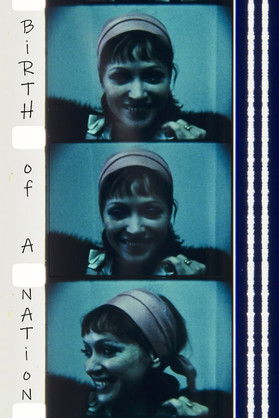
Jonas Mekas assembles 160 portraits, appearances, and fleeting sketches of underground and independent filmmakers captured between 1955 and 1996. Fast-paced and archival in spirit, the film celebrates the avant-garde as its own “nation of cinema,” a vital community existing outside the dominance of commercial film.
Birth of a Nation

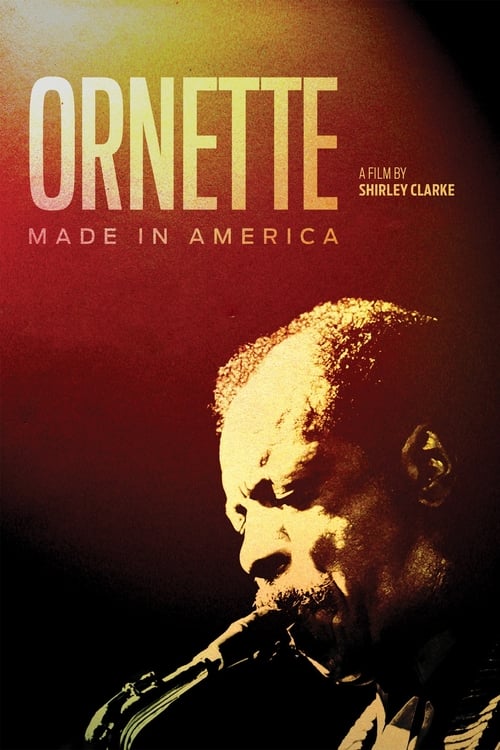
Shirley Clarke's frenetic documentary about multi-talented musician Ornette Coleman.
Ornette: Made in America

"The whole film are non-art portraits of people in which they do what they want with this hat – and therefore, act or stand in front of my camera. It’s only love: therefore it can’t harm you". Joyce Wieland.
Bill's Hat

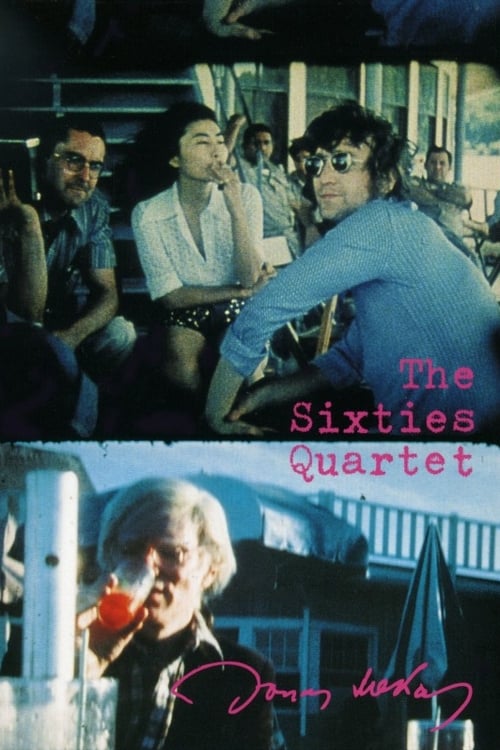
On October 9, 1972, the Everson Museum of Art in Syracuse hosted an exhibition of John Lennon and Yoko Ono’s work, designed by Fluxus artist George Maciunas. That same day, friends including Ringo Starr, Allen Ginsberg, and Paul Krassner gathered to celebrate Lennon’s birthday. Jonas Mekas’s film records the event in both image and sound, capturing the spirit of the moment and the community around Lennon and Ono.
Happy Birthday to John

No description available.
Shirley Brimberg Home Movies (When She Was Young)

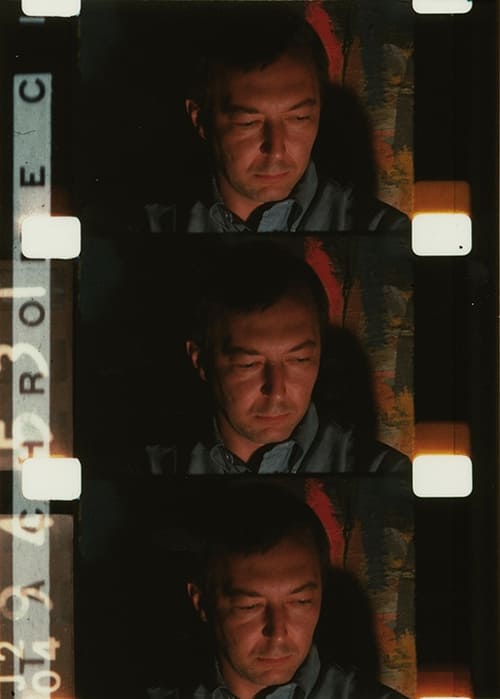
In March and April of 1966, Markopoulos created this filmic portrait of writers and artists from his New York circle, including Parker Tyler, W. H. Auden, Jasper Johns, Susan Sontag, Storm De Hirsch, Jonas Mekas, Allen Ginsberg, and George and Mike Kuchar, most observed in their homes or studios. Filmed in vibrant color, Galaxie pulses with life. It is a masterpiece of in-camera composition and editing, and stands as a vibrant response to Andy Warhol's contemporary Screen Tests. Preserved by the Academy Film Archive in 2001.
Galaxie
In 1953, Shirley Clarke went to make a film about French mime Ettiene Decroux. The legend goes that he had left town and instead, she created In Paris Parks. Not known, is that in 1955, Clarke tried a second time to make a film about Decroux. This is the unfinished workprint.
Decroux Film

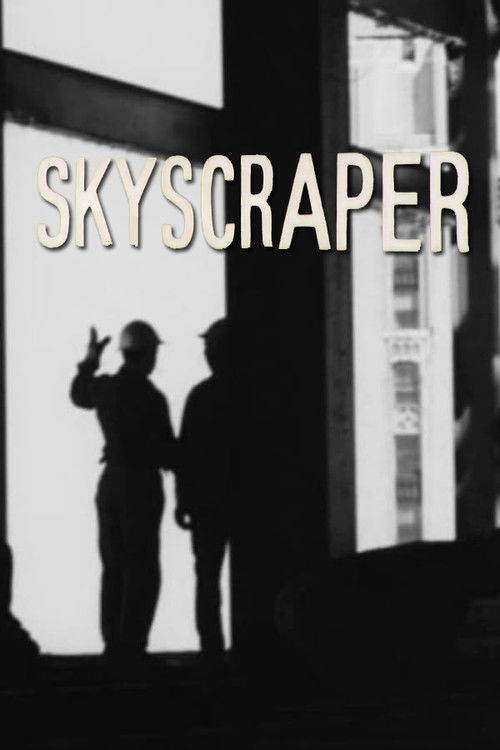
Nominated for an Academy Award, this live-action short film playfully chronicles the construction of the Tishman Building at 666 Fifth Avenue in New York City.
Skyscraper
A performance piece written by Sam Shepard, enacted by Joseph Chaikin and directed by Shirley Clarke, a dying man reflects on his life while delivering his own last rites.
Tongues
A "film poem" that focuses on the Beat poetry scene of the late 1950s.
The Beats: An Existential Comedy

A prelude to Tongues (1982) which languishes over love and its effect on people.
Savage/Love

The acclaimed poet is examined in this film completed just prior to his death at age 88, with his speaking engagements at Amherst and Sarah Lawrence Colleges intercut with studies of his work, as well as with scenes of his life in rural Vermont and personal reminiscences about his career. He is also seen receiving an award from President Kennedy and touring an aircraft carrier. Preserved by the Academy Film Archive in partnership with UCLA Film & Television Archive in 2006.