Acting
Polizeiruf 110 is a long-running German language detective television series. The first episode was broadcast 27 June 1971 in the German Democratic Republic, and after the dissolution of Fernsehen der DDR the series was picked up by ARD. It was originally created as a counterpart to the West German series Tatort, and quickly became a public favorite.
Der Staatsanwalt hat das Wort was an East German television series.
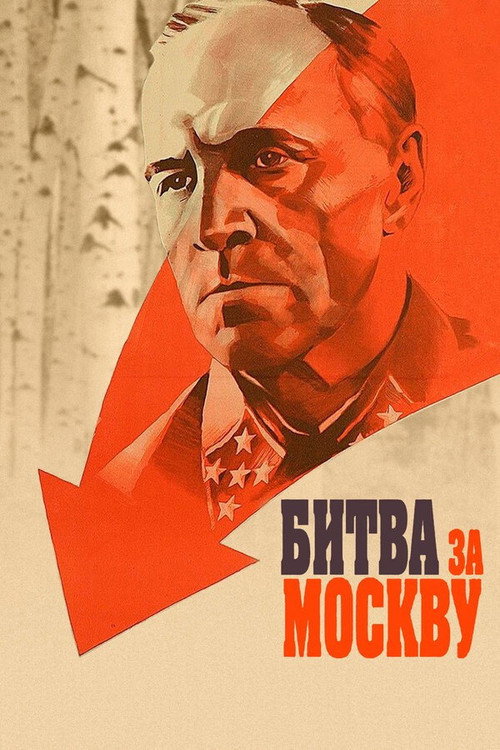
The Battle of Moscow is a 1985 Soviet multi-part war narrative, presenting a dramatized account of the 1941 Battle of Moscow and the events preceding it. The battle was the first major defeat of German Wehrmacht in the Second World War.
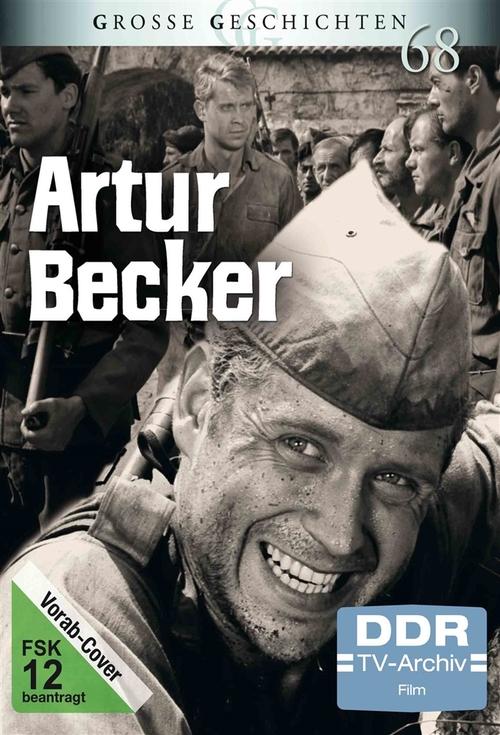
Artur Becker, who, as a young communist during the Weimar Republic, faced his first major test during the Kapp Putsch, fought against Franco’s coup plotters during the Spanish Civil War, was seriously wounded, and arrested. After a failed escape attempt and numerous interrogations by Spanish and German coup plotters, he was eventually shot.
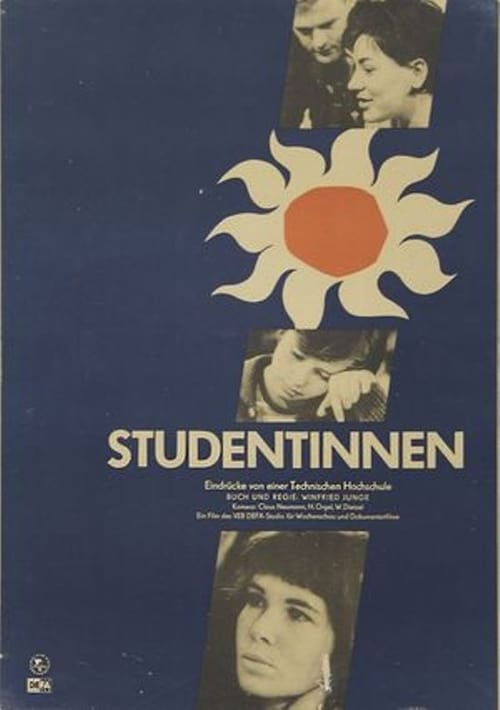
Young women made up only five per cent of students at the technical college in Ilmenau. The film devotes itself of this particular situation by conveying impressions of the women's everyday lives.
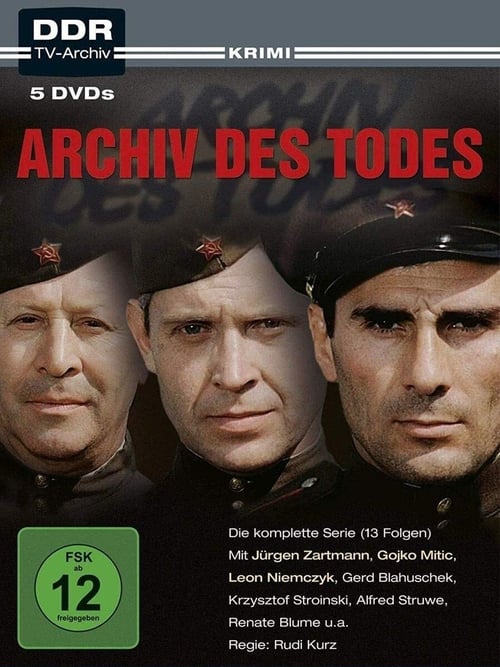
Archiv des Todes is a 1980 13-part television series German war television film series set during World War II.
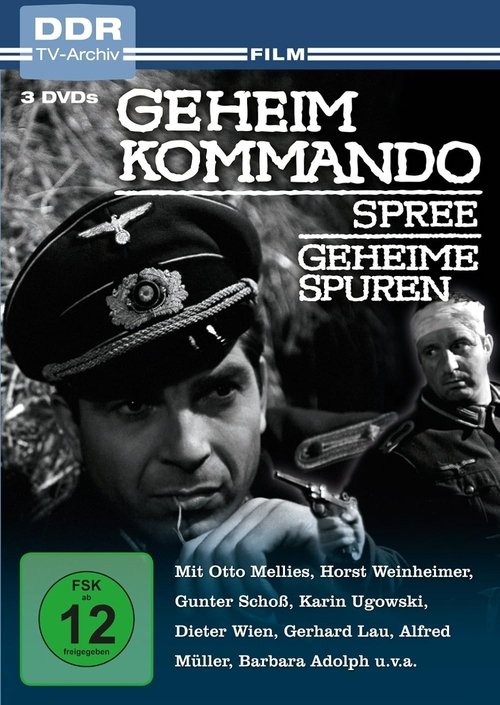
Three members of the National Committee Free Germany form a secret commando that comes to Berlin from Minsk to take up the fight against the SS in the last days before the end of the war.
The film concentrates on the last days of the German navy during World War II.
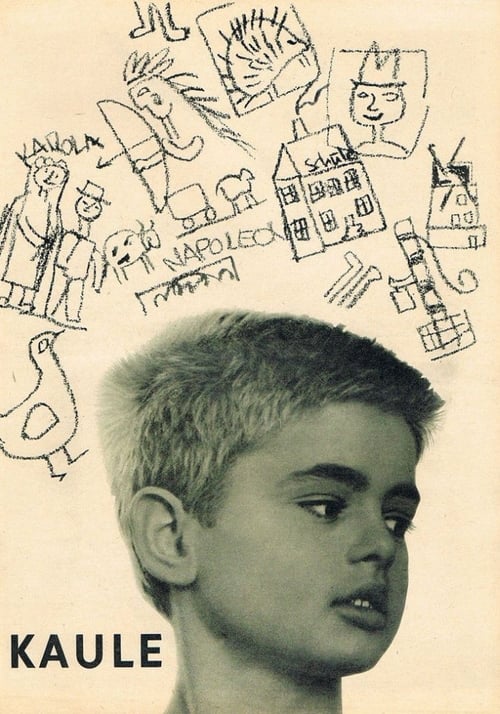
Eleven-year-old Kaule lives with his aunt in Hinrichsfelde, a small village located in Mecklenburg. The smart and animated boy constantly comes up with plans that are supposed to help others. Since they usually go awry, however, most of the time his fellow men have a hard time appreciating these plans. Things get even worse when Kaule meets Karola, a girl who is new in the village.
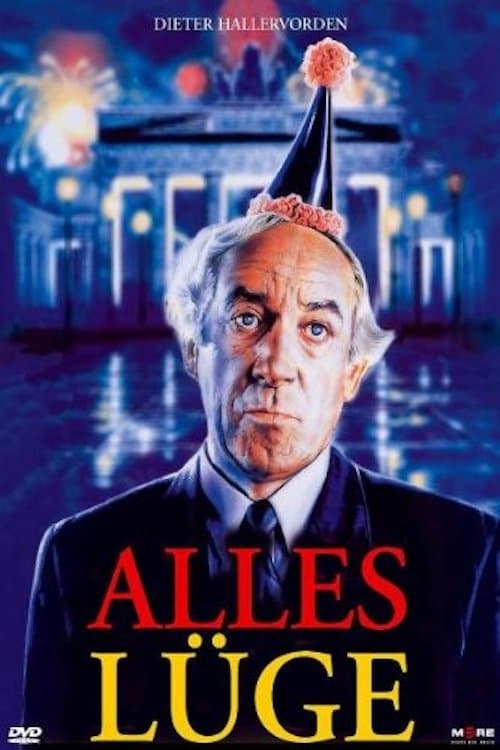
Erich Kasulke and Rudolf Portmann are comedian stars of the former GDR. When the Wall falls, so does their success. Portmann becomes a successful businessman, while Kasulke tries to continue working on the comedy circuit - without success. When his wife also cheats on him, he decides to start a new life in Berlin. There he quickly meets his old friend Portmann, who has built up a huge company. He offers him a job. But Erich puts the entire company in danger...
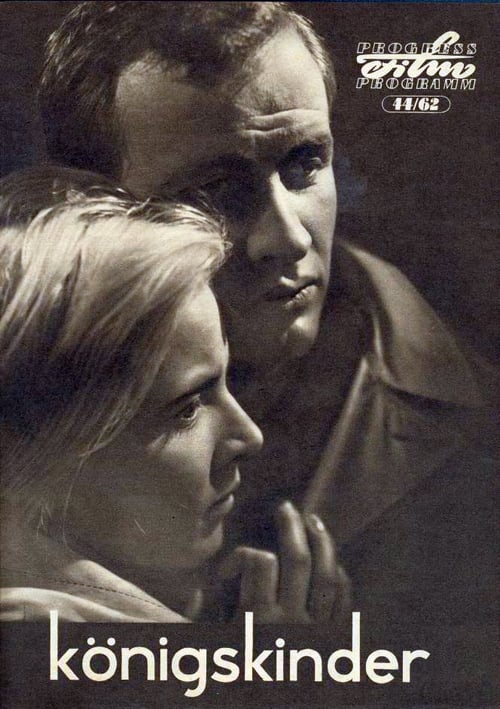
Magdalena and Michael have loved each other since they were children. But when the Nazis come to power, Michael rebels against the regime and is sentenced to fifteen years in a concentration camp. Magdalena, meanwhile, goes underground with the help of a friend and later immigrates to the Soviet Union. Michael, who has joined the Red Army, discovers on the way to Moscow that Magdalena is staying there. But when his plane lands, she is already on her way back to Germany. Michael hopes that one day, he and Magdalena will be reunited.
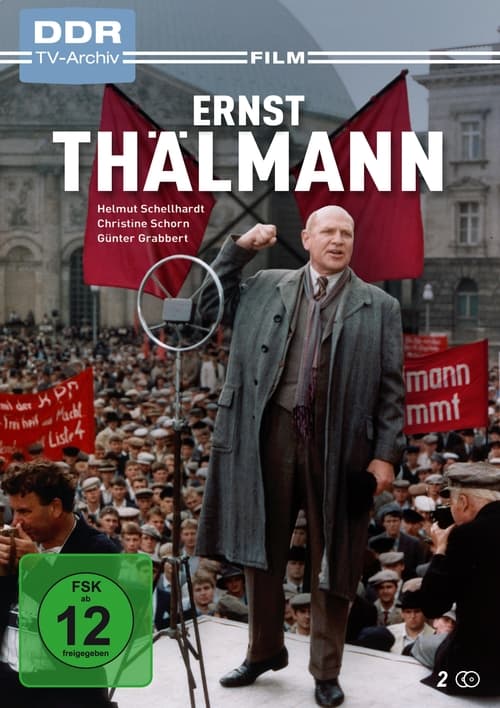
This elaborate two-part television film features a section from the life of communist worker leader Ernst Thälmann. It begins with the bloody riots on May 1, 1929 in Berlin, in which police officers shot at demonstrating workers, and ends with February 7, 1933, when Thälmann appeared as a speaker at the illegal meeting of the Central Committee of the Communist Party of Germany in goat neck. This period was marked by the struggle of the Communists against the ever stronger National Socialists and the rise of Adolf Hitler.
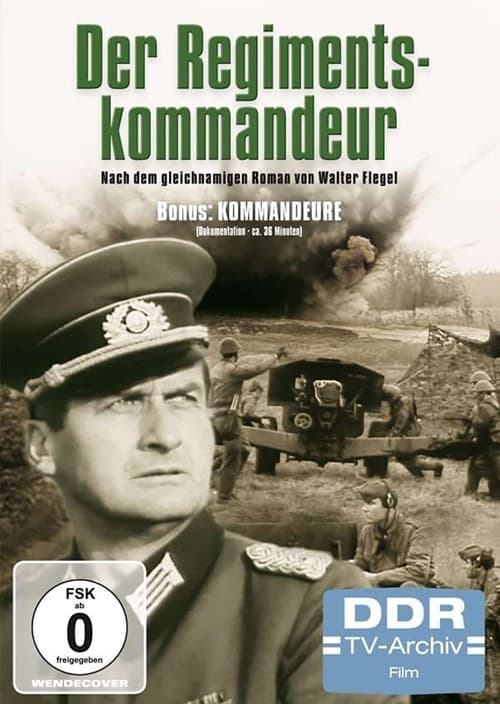
Major Bert Harkus takes over the artillery regiment in Jesnack after graduating from the military academy. The troop proudly presents itself during an exercise. But apart from some good results in shooting, Harkus soon realizes that there are a few problems. As he does not believe that constant combat readiness is guaranteed, he orders far-reaching changes and does not only make friends. Only gradually do the troops pull themselves together.
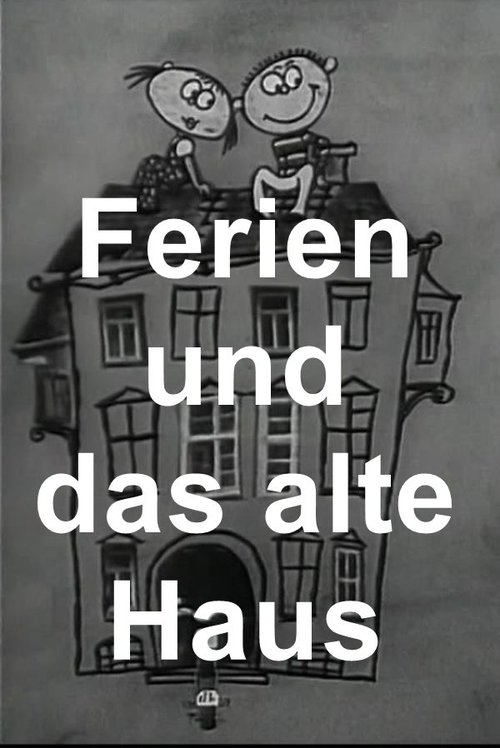
A black-and-white children’s film follows class 6b during their autumn holidays. After a fun test drive with a new electric locomotive, they help Master Sellm build his house. They plan to build a paddling pool but struggle to find pipes. Discovering pipes in an old house, they also find stolen motorcycles. With help from the People’s Police and the godparent brigade, they lay the pipes and learn about foreign property and reporting stolen goods.
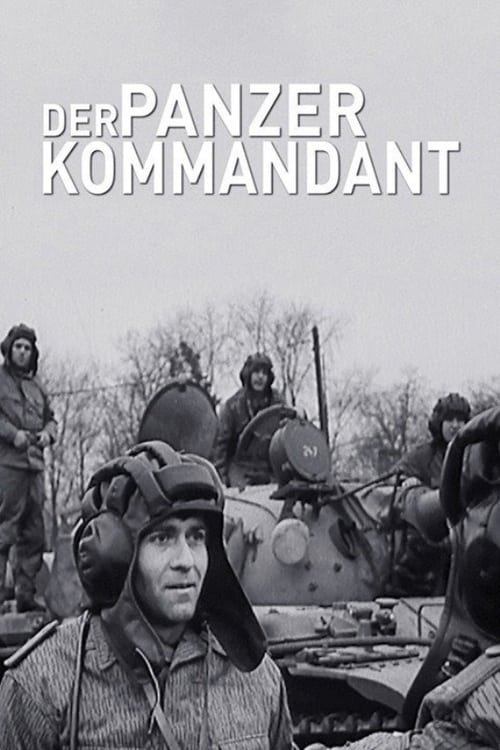
Tank commander Sergeant Tessen does not believe that his crew can become a successful collective and requests his transfer, but he finally withdraws his request due to a young boy to whom he carelessly promised a tank model. However, this would first have to be made by the crew members. New difficulties arise, even though everyone agrees to keep the soldier's word of honor. The spell is only broken when the tank gets into a dangerous situation during an underwater journey and the four of them have to prove themselves together.
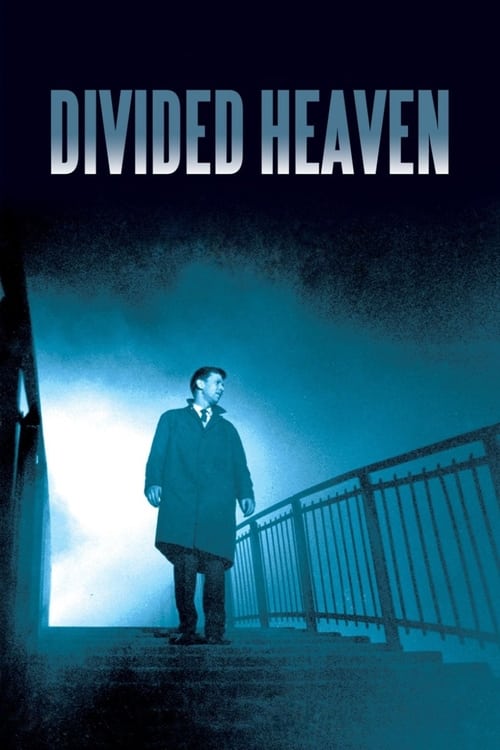
After a breakdown, Rita returns to her childhood village in 1961. As she recovers, she remembers the past two years: her love for the chemist Manfred, ten years her senior; how his enthusiasm about his new chemical process turned to bitter disappointment in the face of official rejection; how he escaped to West Berlin a few weeks before the Wall was built and hoped that she would follow him …
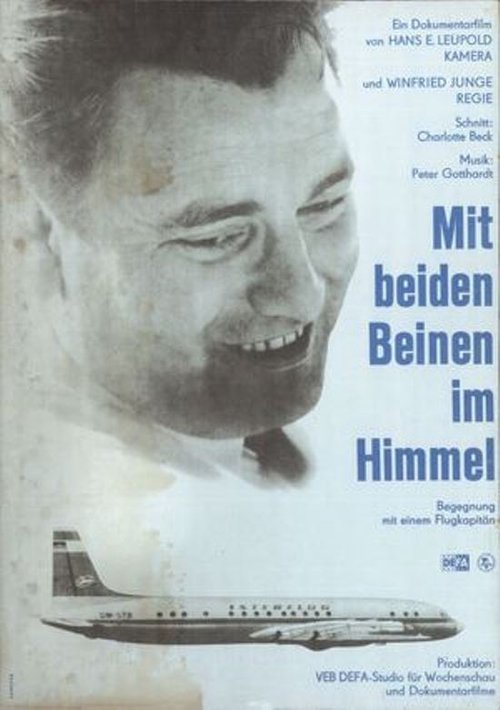
Portrait of Interflug airline captain Günter Schneider.
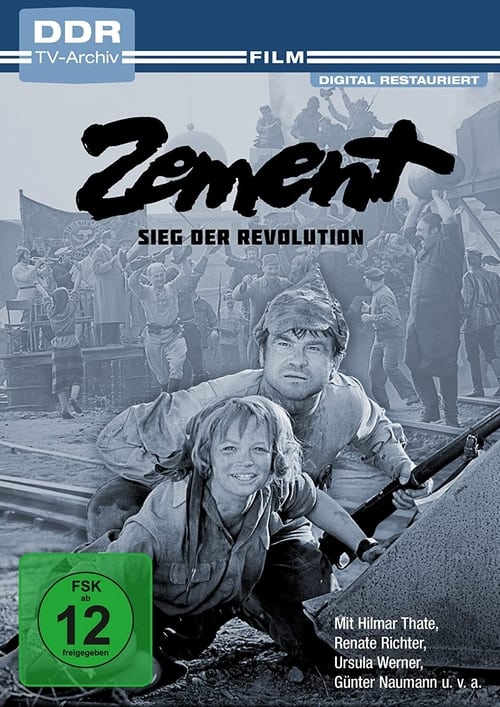
Early 1921: a man is on his way home. Gleb Chumalov, regimental commander, worker and Hero of the Order of the Red Banner, returns to his home town from the Civil War. The victory over the enemies of the Russian people gives him the conviction that a new, better time will dawn overnight. Gleb looks for his comrades from earlier years, but only finds people who are emaciated by their efforts. The cement works where he used to work has been plundered and abandoned. With great effort, Gleb and his comrades try to get the plant up and running again. The struggle seems to begin anew... It is the time after the victory of the “Great October Socialist Revolution“ and the time of building a new society.
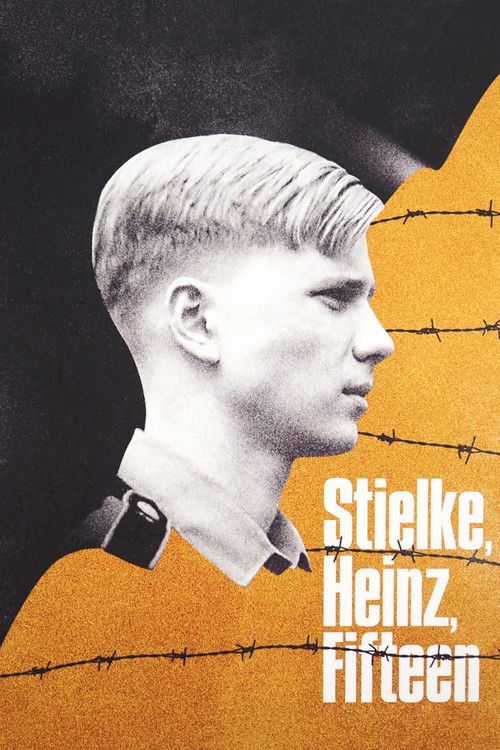
Fifteen-year-old Heinz Stielke is a Hitler Youth fanatic who is devastated to learn a hidden truth about his respected father who was a German officer in WWII: He was Jewish. Pushed out of his community after the discovery, young Heinz falls into a tailspin of alienation and anger. He is subsequently thrust into a series of social collisions across the war-torn German fatherland.
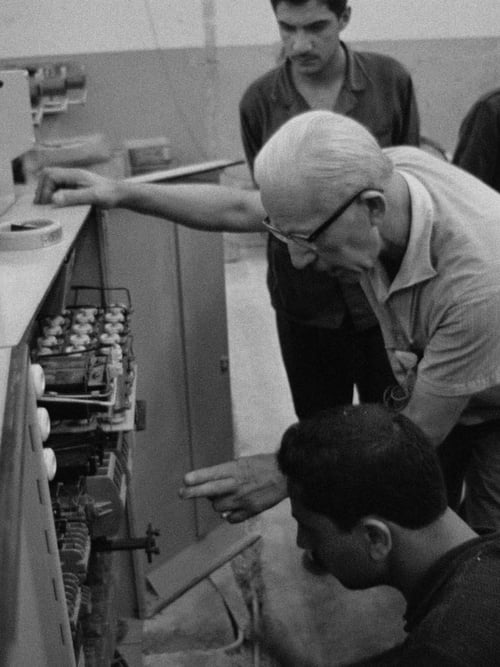
The film is a reportage showing the help of workers from the GDR in the industrial reconstruction of Syria. We witness the friendly relationship between workers from both countries, who are jointly involved in the construction of the cotton spinning mill in Homs. In impressive pictures the exoticism of the environment and the mentality of the Syrian hosts is shown. At the same time it becomes clear that the workers from the GDR become 'ambassadors of the GDR' through their collegial behaviour and good work.