Shirley K. Sneve
Production
Biography
Shirley Sneve (Sicangu Lakota) is the former executive director of Vision Maker Media. She now works as the CEO and Executive Director of Tiwahe Foundation in Minneapolis.
Known For
The Great Lakes and connecting waterways have remained the center of traditional and contemporary economies for centuries. Meet the Ojibwe and a tribe that was relocated to this region—the Oneida Tribe of Wisconsin who care for these lands. Natural resources are the Tribes’ main economy, including the famous Red Lake walleye and wild rice lakes.
Growing Native Great Lakes: Turtle Island
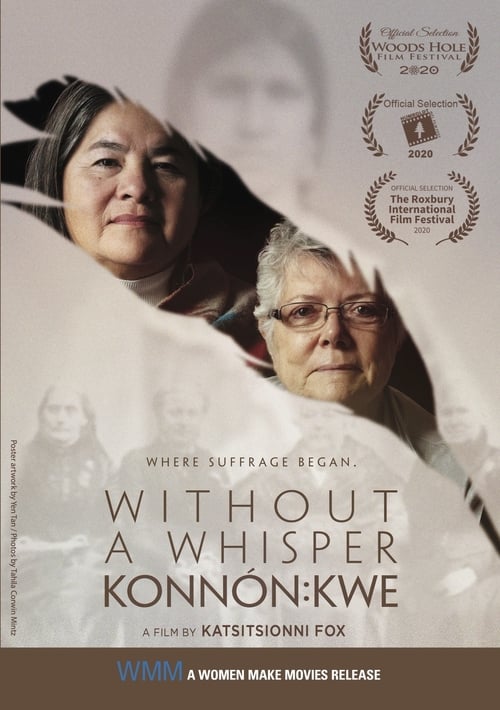
"Without a Whisper" is the untold story of how Indigenous women influenced the early suffragists in their fight for freedom and equality. Mohawk Clan Mother Louise Herne and Professor Sally Roesch Wagner shake the foundation of the established history of the women’s rights movement in the United States. They join forces on a journey to shed light on the hidden history of the influence of Haudenosaunee Women on the women’s rights movement, possibly changing this historical narrative forever.
Without a Whisper - Konnón:kwe
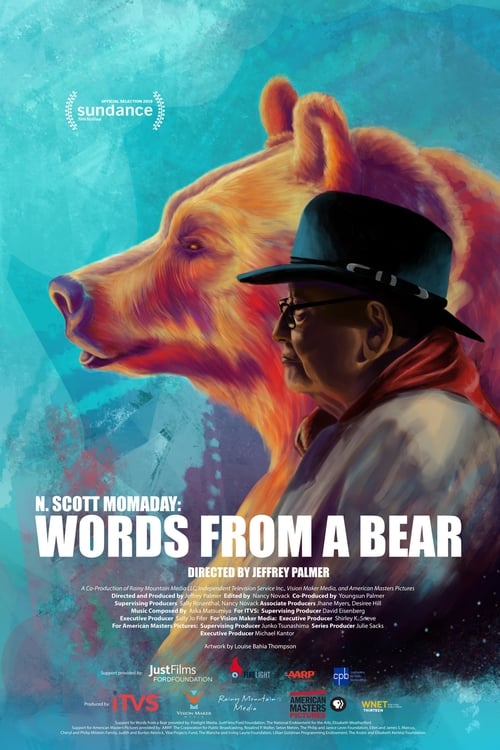
A visual journey into the mind and soul of Pulitzer Prize–winning author Navarro Scott Momaday, relating each written line to his unique Native American experience representing ancestry, place, and oral history.
Words from a Bear
Oklahoma is home to thirty-nine federally recognized tribes. Nowhere in North America will you find such diversity among Native Peoples, and nowhere will you find a more tragic history. Host Moses Brings Plenty (Oglala Lakota) guides this episode of Growing Native on a journey through Oklahoma’s past and present.
Growing Native Oklahoma: Red People
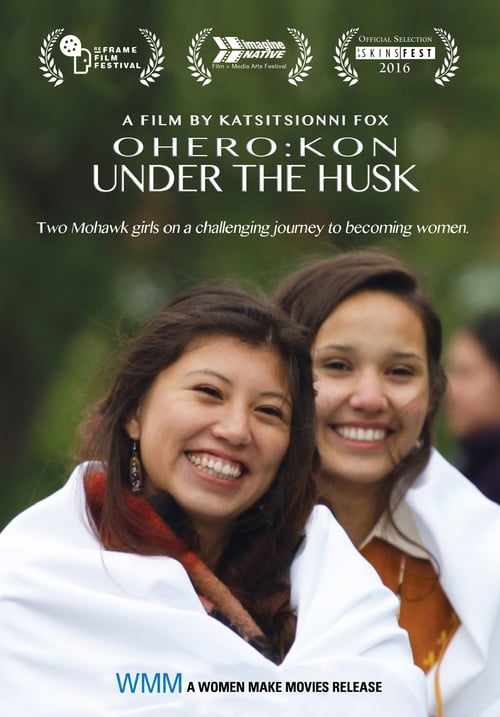
This documentary follows two Mohawk girls on their journey to become Mohawk women. Friends since childhood, Kaienkwinehtha and Kasennakohe are members of the traditional community of Akwesasne on the U.S./Canada border. Together, they undertake a four-year rite of passage for adolescents, called Oheró:kon, or "under the husk." The ceremony had been nearly extinct, a casualty of colonialism and intergenerational trauma; revived in the past decade by two traditional leaders, it has since flourished. Filmmaker Katsitsionni Fox has served as a mentor, or "auntie," to many youth going through the passage rites.
Ohero:kon - Under the Husk
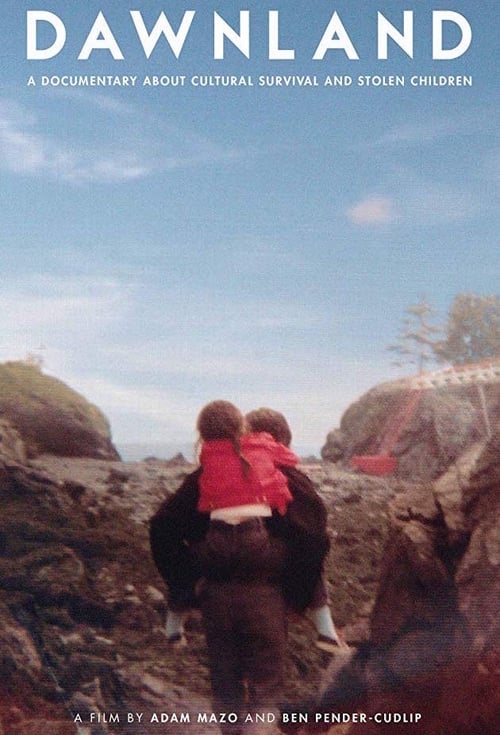
They were forced to assimilate into white society: children ripped away from their families, depriving them of their culture and erasing their identities. Can reconciliation help heal the scars from childhoods lost? "Dawnland" is the untold story of Indigenous child removal in the US through the nation's first-ever government-endorsed truth and reconciliation commission, which investigated the devastating impact of Maine’s child welfare practices on the Wabanaki people.
Dawnland
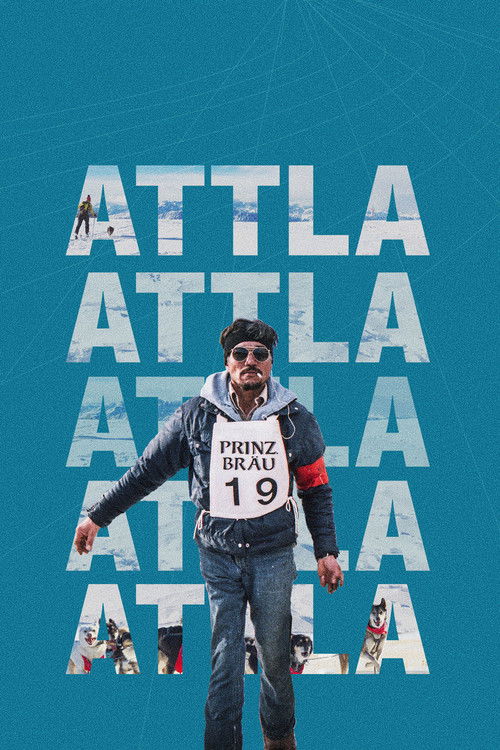
Spanning his fifty-year dogsled racing career, ATTLA explores the life and persona of George Attla, from his childhood as a TB survivor in the Alaskan interior, to his rise as ten-time world champion and mythical state hero, to a village elder resolutely training his grandnephew to race his team one last time.
ATTLA
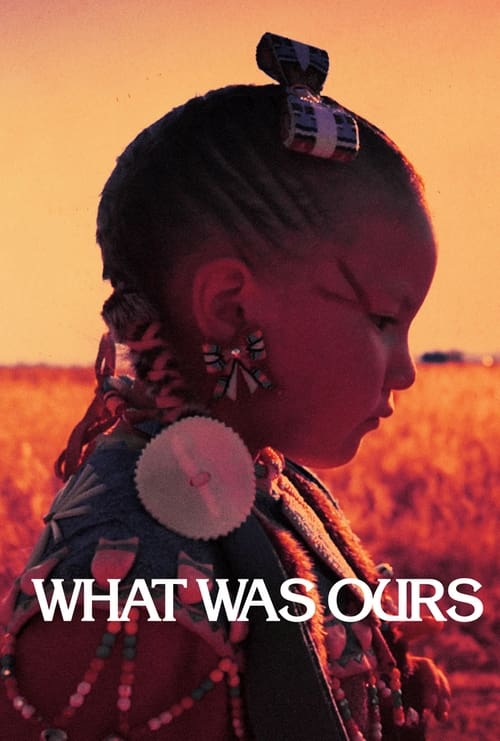
Like millions of indigenous people, many Native American tribes do not control their own material history and culture. For the Eastern Shoshone and Northern Arapaho tribes living on the isolated Wind River Indian Reservation in Wyoming, new contact with lost artifacts risks opening old wounds but also offers the possibility for healing. What Was Ours is the story of how a young journalist and a teenage powwow princess, both of the Arapaho tribe, travelled together with a Shoshone elder in search of missing artifacts in the vast archives of Chicago’s Field Museum. There they discover a treasure trove of ancestral objects, setting them on a journey to recover what has been lost and build hope for the future.
What Was Ours
From totem poles to language revitalization and traditional agriculture, host Chris Eyre (Cheyenne Arapaho) discovers the resilience of the Coast Salish Tribes of the Pacific Northwest. Travel down historic waterways as the tribe revisits their ancient connection to the water with an annual canoe journey.
Growing Native Northwest: Coast Salish
All across Alaska, Native cultures have depended on the abundant natural resources found there to support their families, cultures and way of life. Now these resources are growing scarce, and the people who have relied on them for centuries have to find new ways to adapt.
Growing Native Alaska: People of the North

This documentary reveals the untold history of America's Indian Adoption Era, a time when Native children were stolen from their families and forced to assimilate, the process itself designed to wipe out generations of culture.
Blood Memory
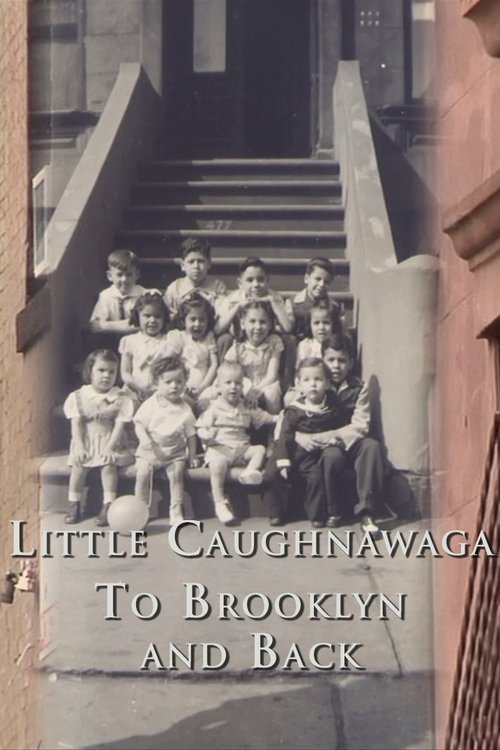
For over 50 years, the Kahnawake Mohawks, of Quebec, Canada occupied a 10 square block area in the North Gowanus section of Brooklyn, which became known as Little Caughnawaga. The men, skilled ironworkers, came to New York in search of work and brought their wives, children and often, extended family with them. The story of the Mohawk ironworkers is an important one and is one that has been told and continues to be told through documentaries, newspaper and magazine articles. Yet the stories of Kahnawake Mohawk women who lived in Brooklyn have gone untold.
Little Caughnawaga: To Brooklyn and Back
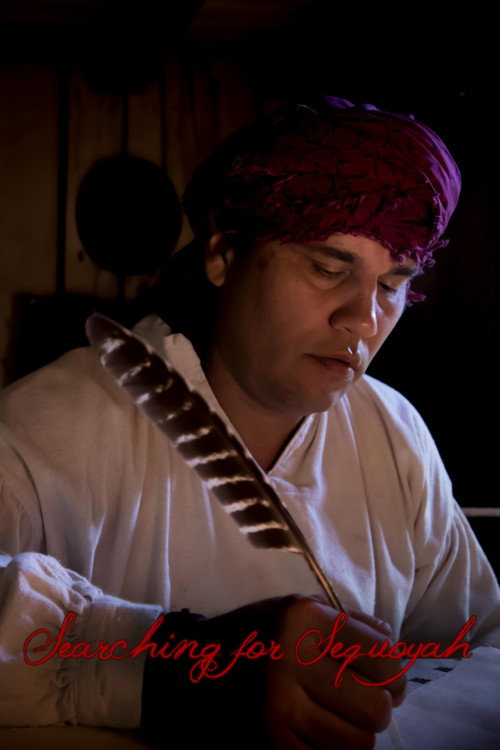
Searching for Sequoyah spans two countries and three Cherokee nations and details Sequoyah's life and mysterious death. Chronicling his travels from east to west, the program recounts his final journey to Mexico where the aging Cherokee man hoped to reunite the "Mexican Cherokee" with the Cherokee nation after their removal to Indian Territory in present-day Oklahoma.