Acting
In this humorous paean to the joys of food, a pair of truck drivers happen onto a decrepit roadside shop selling ramen noodles. The widowed owner, Tampopo, begs them to help her turn her establishment into a paragon of the "art of noodle-soup making". Interspersed are satirical vignettes about the importance of food to different aspects of human life.
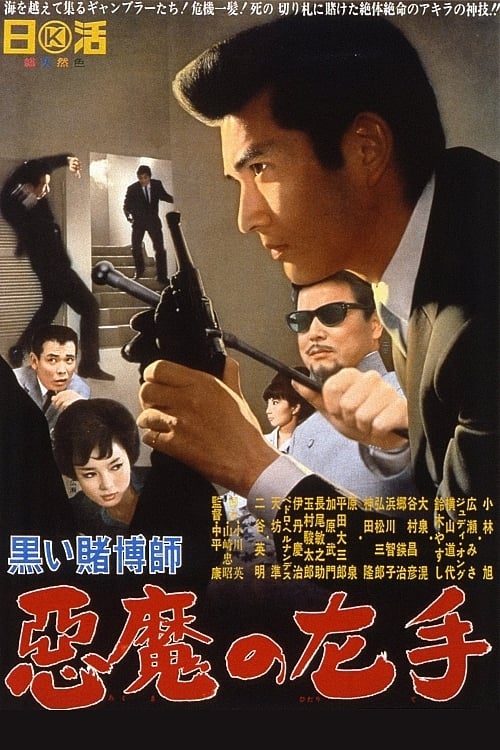
The fictional land "Pandora" sends three (numbered) graduates of the "National Gambling University" to Japan. You should defeat the master player Kôji, control the international casino empire and use the profits to achieve world domination. But Japan's most famous left hand knows what to do.
No description available.
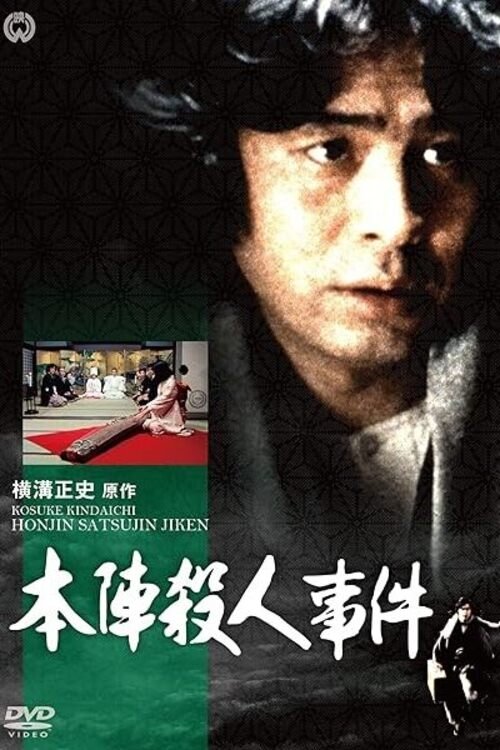
TV series starring Ikko Furuya, based on the Kosuke Kindaichi mystery novel series by Seishi Yokomizo.
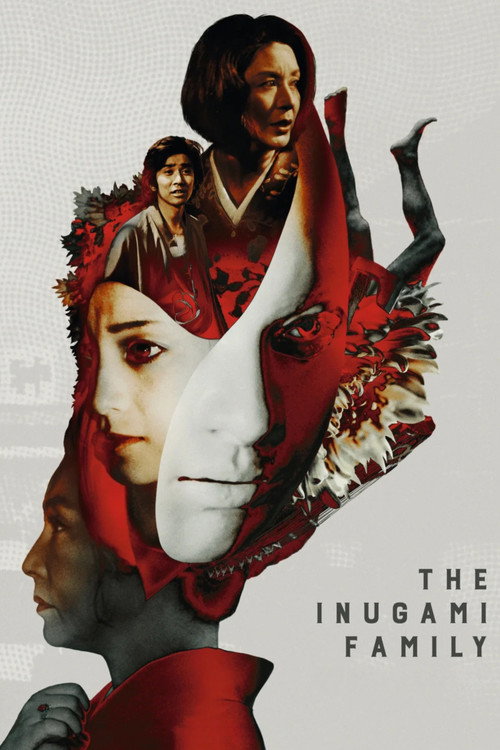
When a tycoon passes away, he unexpectedly leaves the family fortune to outsider Tamayo on the condition that she marries one of the grandsons, pitting blood against blood.
One spring, Tasaka, an elementary school teacher, receives a new class of first graders. While taking the children's attendance, Tasaka is surprised to see a call girl he once had an encounter with standing among the parents in the back of the classroom. According to the school's files, her name is Yukako Sawada, and her child Eisaku has no legal father. The next day, Eisaku gives Tasaka a letter from Yukako asking to meet at the hotel where they first met, and Tasaka sets out with an uneasy feeling...
Rejected by the military and frowned upon by his fellow villagers, a young man nicknamed 'Genius' falls into a series of dangerous love affairs during World War II.
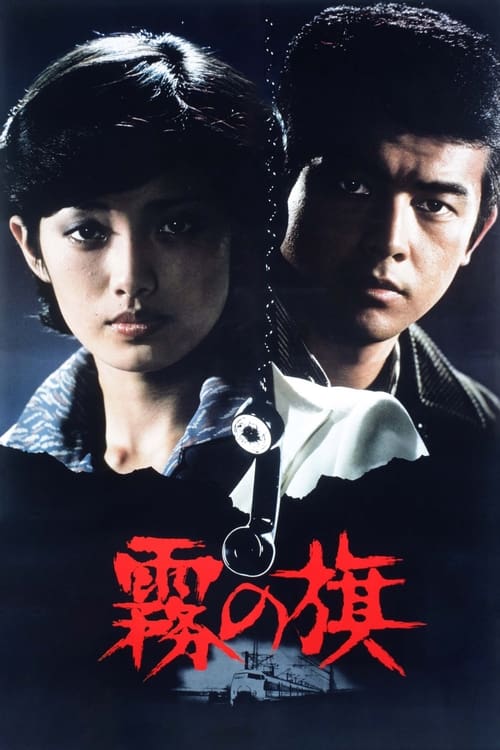
Masao is falsely accused and jailed for the murder of a loanshark to whom he owed a lot of money. His sister Kiriko makes the long trip to Tokyo, specifically to accost Otsuka, Japan's top criminal defence lawyer, and plead with him to take her brother's case. They live in Kitakyushu which, though a city, she contends that the local lawyers are not up to the job. Otsuka contemptuously brushes her off. A year passes. Masao has suicided in jail, his appeal having failed due to the lack of interest and competence of the local defence lawyer. Kiriko returns to Tokyo, planning revenge on Otsuka for refusing the case and causing her brother's death.
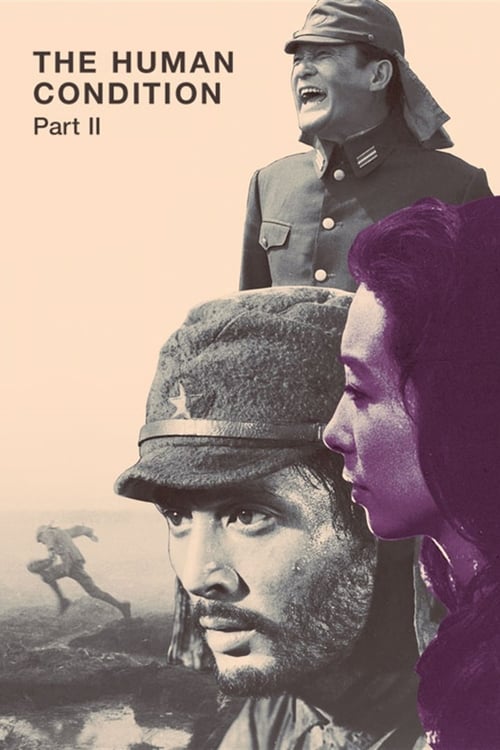
Kaji, sent to the Japanese army labeled Red, witnesses cruelties in the army and revolts against the abusive treatment against a fellow recruit. He also sees his friend Shinjô defecting to the Russian border, and he ends in the front to fight a lost battle against the Russian tanks division.
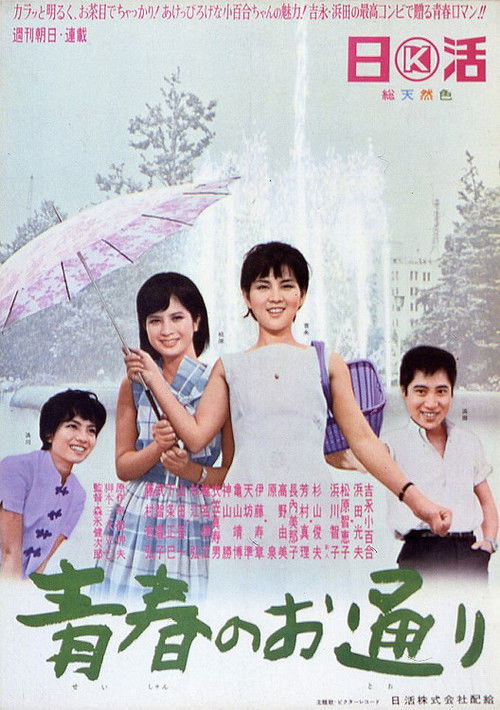
1965 Nikkatsu movie.
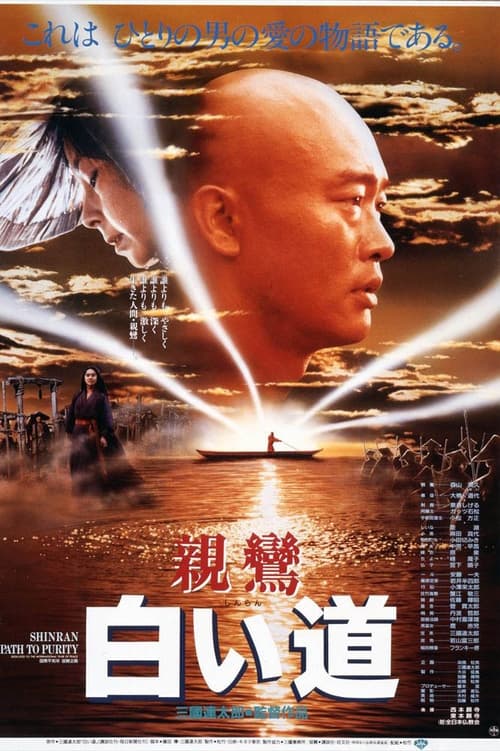
In the 12th century, Buddhism was still a relatively new religion in Japan. At that time, one school (Shingon) offered extensive training in complex and very demanding practices which might eventually bring about spiritual purification and realization. Various Zen schools offered students a lengthy path, literally composed of a blank wall and unceasing meditation. Yet another school (Tendai) emphasized complex metaphysics and the study of philosophical systems. Basically, all of them were designed to cater to the few who were able to give up everything else in their lives and focus on liberation, such as scholars and noblemen. In this historical and biographical drama, this is the situation that the young Shinran (1173-1263) discovered when he began exploring Buddhism as an alternative to the violence and ceaseless civil wars that racked Japan at the time.
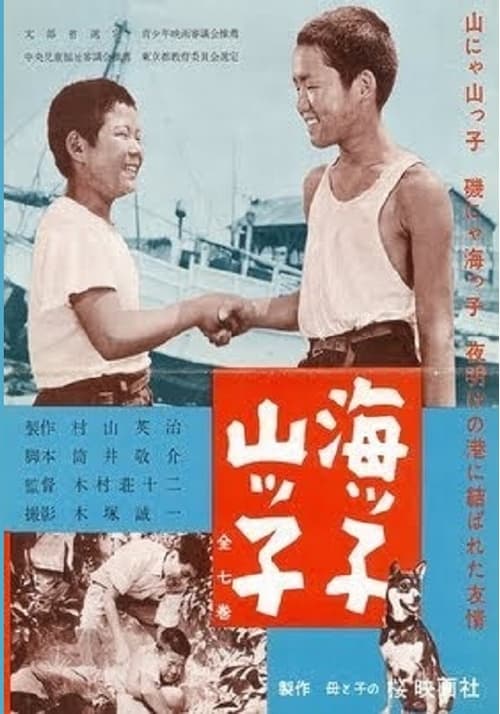
Focuses on the mutual antipathy of two groups of children in an Izu village.
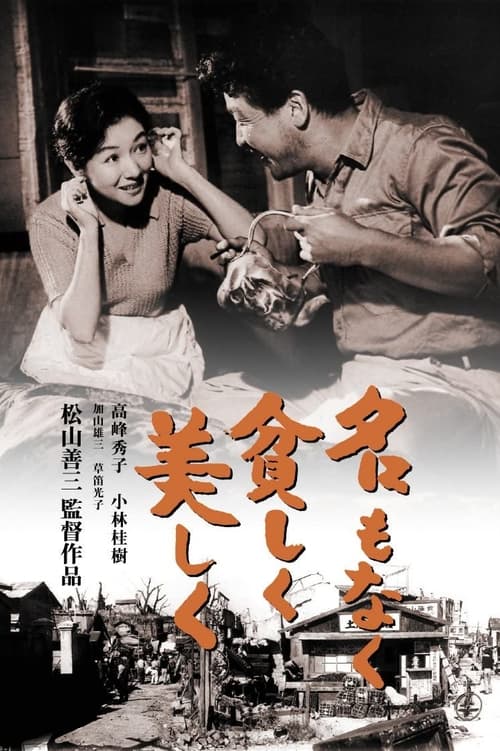
The story is of two people. One is deaf, the other deaf and mute. They marry after meeting at a school reunion, and the film follows their trials and tribulations ... and joys.
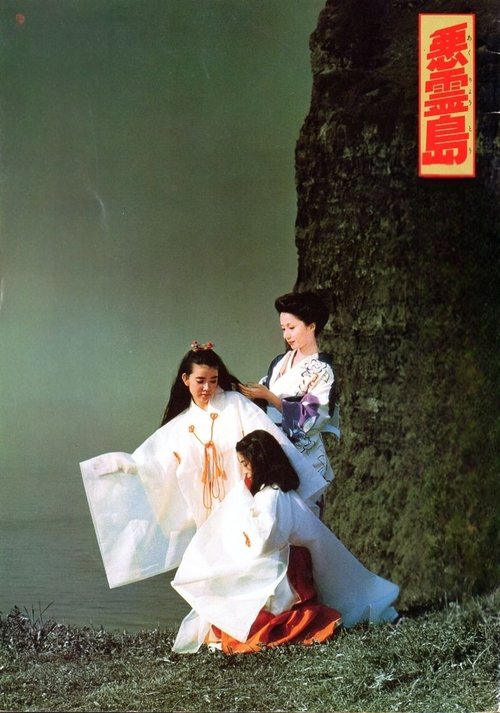
Renowned detective Kosuke Kindaichi is called to an island where a dying man's words lead him to investigate a series of murders connected to the 'Nue' legend and the powerful Osakabe family, who separate twins at birth.
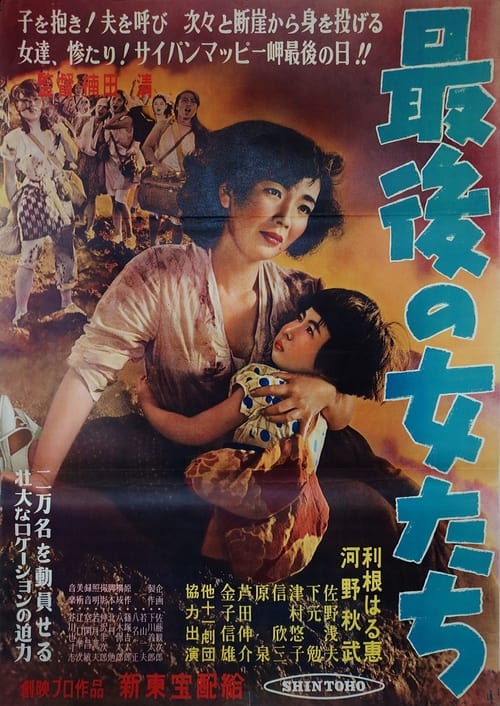
The events of the film are based on the real facts of the Pacific War, when in June 1944 the American troops began landing on the Saipan island. On July 7, an order comes that everyone must die in order not to be captured by the enemy.
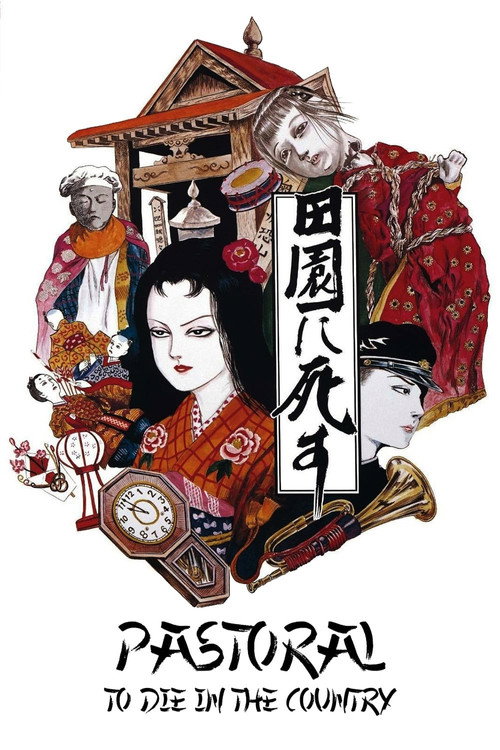
A director faces creative block while working on his latest film – a reimagination of his adolescence growing up in a mountain village in rural Japan.
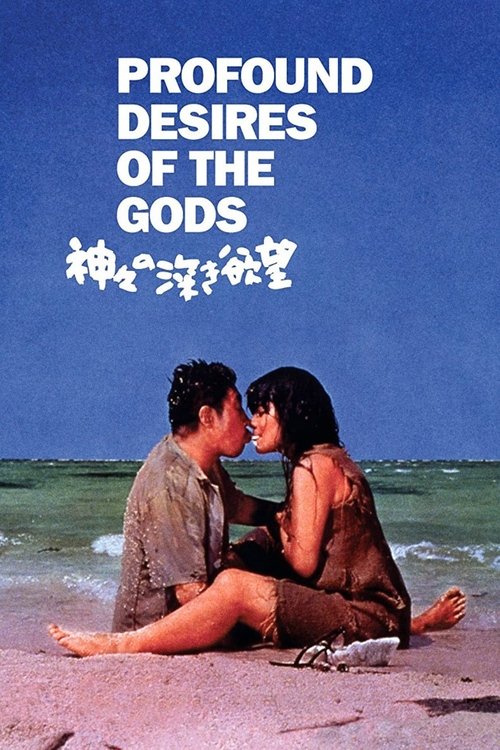
Tokyo engineer Kariya arrives on a primitive tropical island, where he interacts with the Futori clan, to drill a well to power a sugar mill.
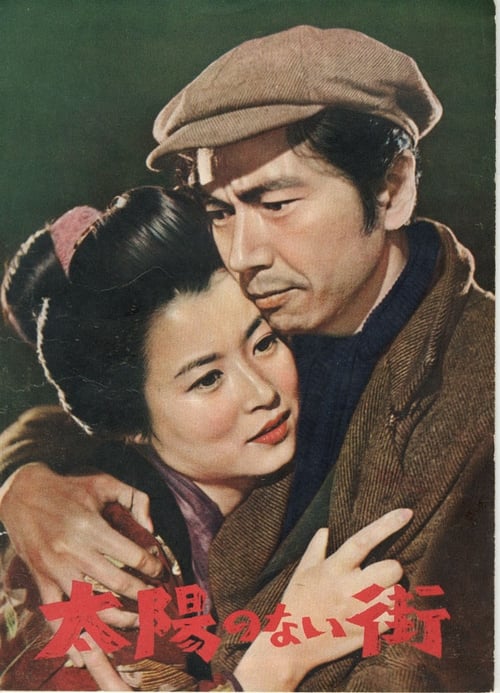
Based on the novel by proletarian writer Sunao Tokunaga. The story is about a long strike by workers at a large printing house and the strikers' steadfastness, which neither hunger nor violence could break. The heroine of this story actively participates in her colleagues' struggle against layoffs, oppression, and police brutality.
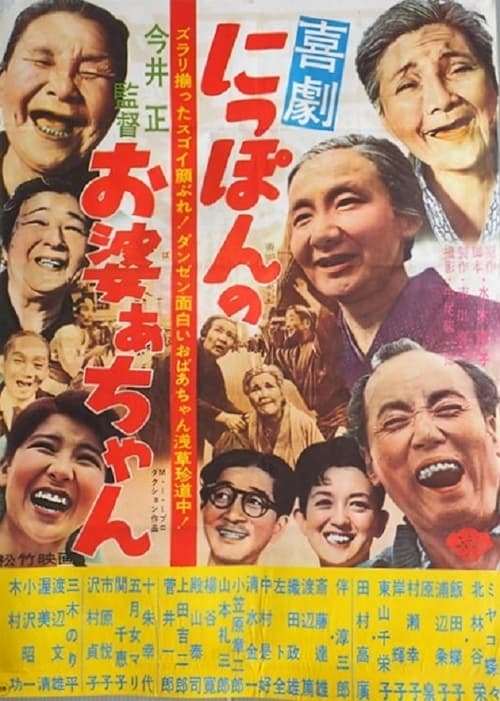
Two obaachans become fast friends listening to music in front of a record store. They both boast about their loving sons but in reality, one had just escaped a retirement home and the other was looking for an escape from her son and daughter-in-law. With nowhere to go, the two wander around, befriending a cosmetics salesman and a kind waitress who give them beer. This biting social satire starring two memorable grandmothers, scripted by Yôko Mizuki, picked up on Japan’s aging population problem far ahead of its time.
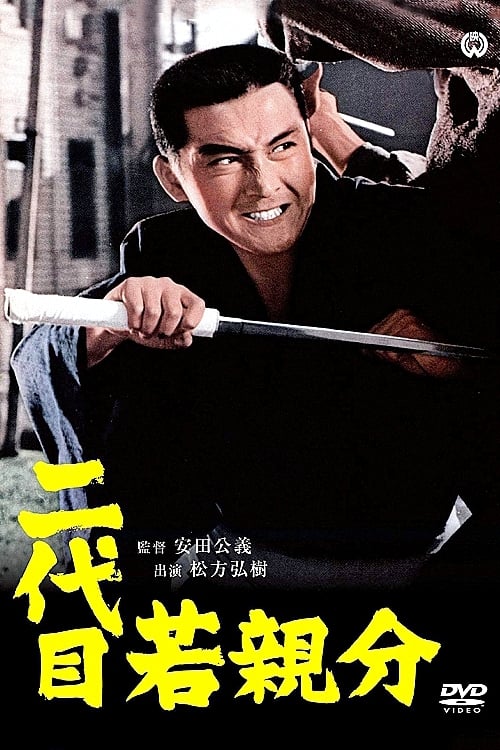
Takeshi Nanjo, a junior lieutenant in the navy whose father, the head of the Nanjo-gumi yakuza family, was killed, is forced to leave the army and become the head of the Nanjo-gumi in the second generation. He brutally chivalrously avenges the death of his father by a vicious yakuza linked to extremists within the army through the courage and swordsmanship of naval training!