Acting
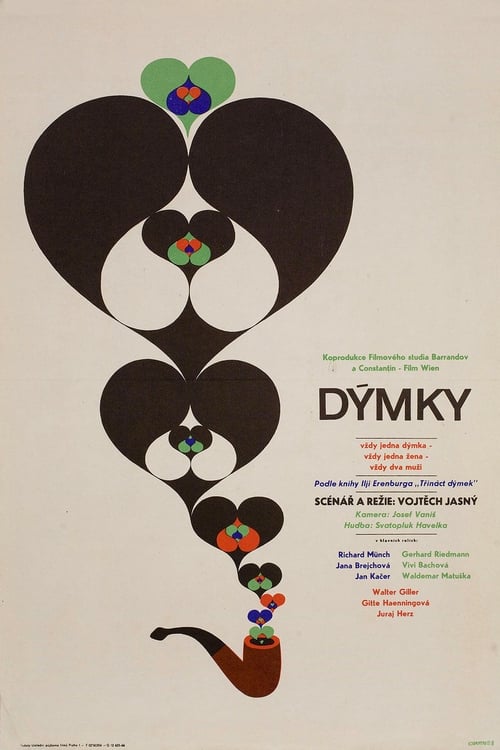
This three-part Austrian/Czech comedy stretches the boundaries of what is considered to be humorous. Part one finds a silent film actor upset because of a rival actor's attention to the former's wife. When he kills his rival, it is only when he is strapped to the electric chair that he realizes that this is his last live scene. The second episode has the wife of an elderly British nobleman having an affair with the young gamekeeper of their estate. Part three finds a peasant woman taking a lover when her husband goes off to fight the war.
No description available.
Want to get to a space planet full of songs? Use the attractions of the magical TV carousel from 1978, which will take you up to the stars. You will hear, among others, Sleep, Son, I Have a Wish, Little Sprig, What a Pretty Cheek You Have, Lullaby of the White Elephant, March of the Cosmonauts, Mill Wheel, A Dozen Horses, Magic Grandfather, Tram Grandma, Dandelion and Let's Go Play.
Songs about eternal love, American vagabonds, cowboys and desperadoes, with the romance of railways and trains speeding into the distance are recorded as film songs, and so, for example, in the well-known standard Franck and Johnny you will see M. Kopecký, J. Jirásková, J. Lír and others singing. In Chajda drnový, W. Matuška and K. Štědrý, K. Gott rides a horse or sails on a boat and R. Cortéz cries (off-screen) over the death of the famous robber Jesse James...
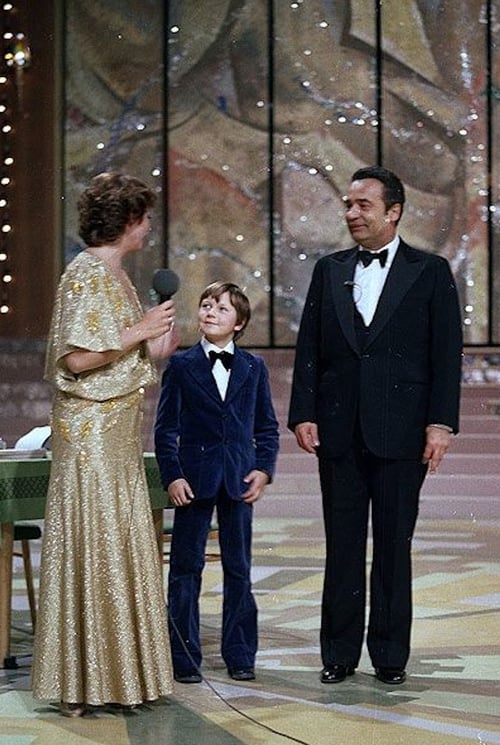
A New Year's Eve television variety show from late 1979.
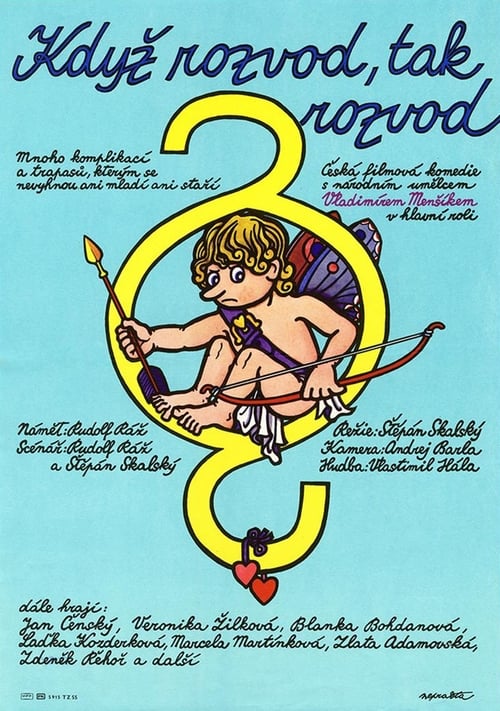
Young couple Hynek and Pavla are on the verge of divorce, largely due to Hynek’s meddling mother. When Pavla’s father unexpectedly visits, they pretend their marriage is intact, leading to awkward situations—especially after he lavishly gifts them a new car. Tensions rise further when Pavla learns her father plans his own separation due to a mistress, forcing all parties to confront hidden grievances.
The music and dance revue about the clown and the girl from the poster takes place in the streets of Prague, in the quiet corners of the Old Town, Lesser Town and Hradčany with the famous motifs of the Gothic gargoyles of St. Vitus Cathedral at Prague Castle, but also on the keyboard of a mechanical typewriter and in the dramaturgical meetings of the then Czechoslovak Television.