Acting
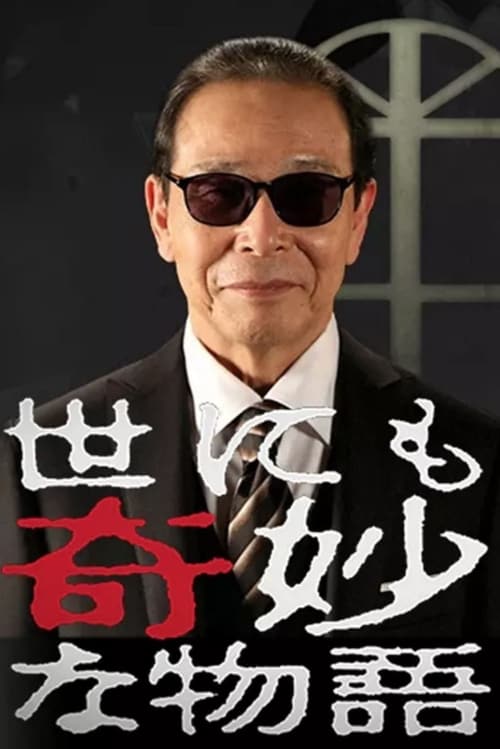
Inspired by American TV movies like "Hitchcock Theater" and "The Twilight Zone," the show features multiple works with Tamori as the storyteller and actors as the main characters. While horror and supernatural themes are predominant, a variety of genres like comedy and drama are also produced. Most episodes, however, have a bad ending.
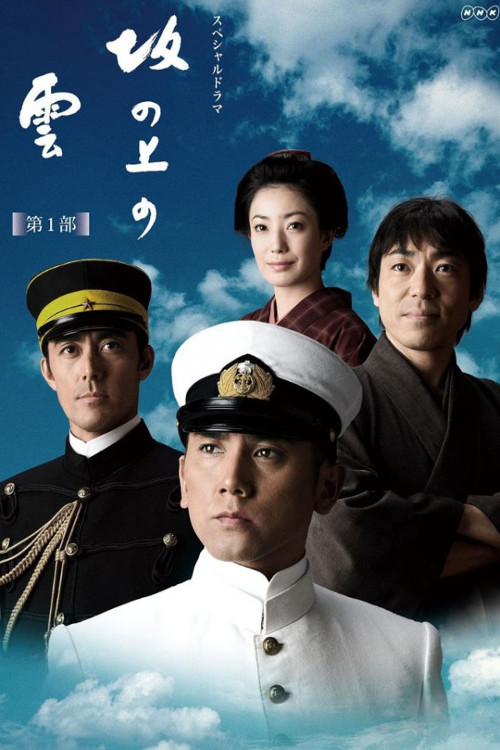
Saka no Ue no Kumo is an NHK 21st Century special drama which was aired over three years starting from November 29, 2009. The series runs 13 episodes at 90 minutes each. The first series, with 5 episodes, was broadcast in 2009, while series two and three, each with 4 episodes, were broadcast in late 2010 and 2011. While most episodes were shot in Japan, one of the episodes in series two was shot in Latvia. The TV series is based on the novel Saka no ue no kumo by Ryōtarō Shiba and adopted by Hisashi Nozawa. The theme song of the drama series is titled "Stand Alone". It was composed by Joe Hisaishi, written by Kundo Koyama and performed by British soprano singer Sarah Brightman.
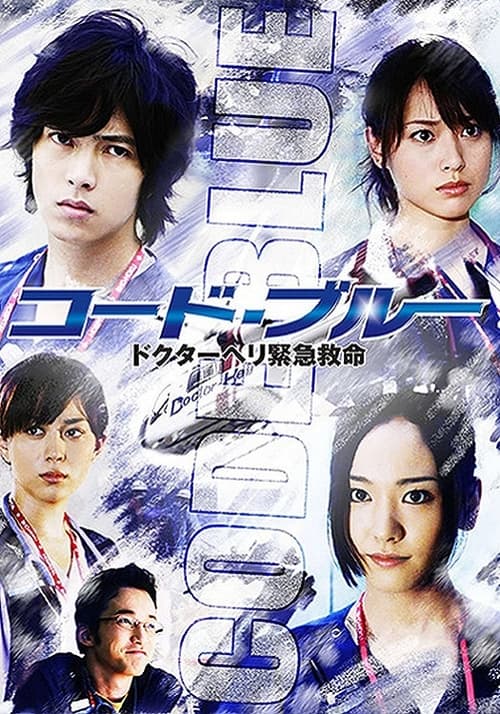
Four young physicians are assigned to the “Doctor Helicopter” system, the latest medical system where a medical team is dispatched to the patients via helicopter to provide medical care in the field as soon as possible. The doctors experience traumatic medical situations, deal with personal ambitions, and witness the fragility of life, all while growing personally and professionally.
No description available.
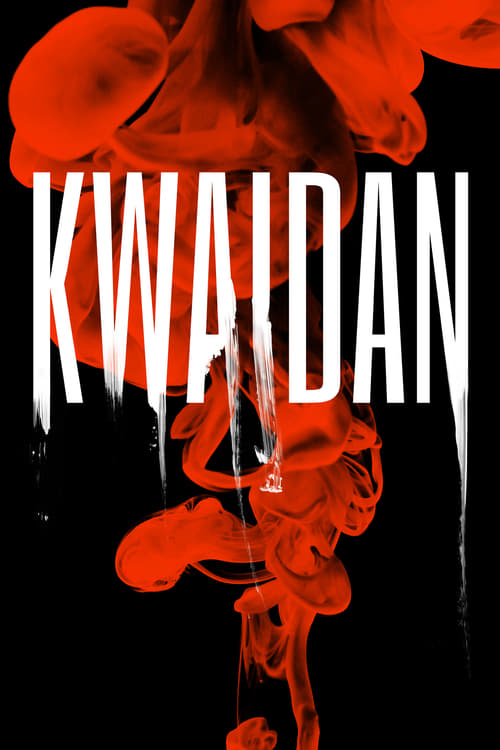
Taking its title from an archaic Japanese word meaning "ghost story," this anthology adapts four folk tales. A penniless samurai marries for money with tragic results. A man stranded in a blizzard is saved by Yuki the Snow Maiden, but his rescue comes at a cost. Blind musician Hoichi is forced to perform for an audience of ghosts. An author relates the story of a samurai who sees another warrior's reflection in his teacup.
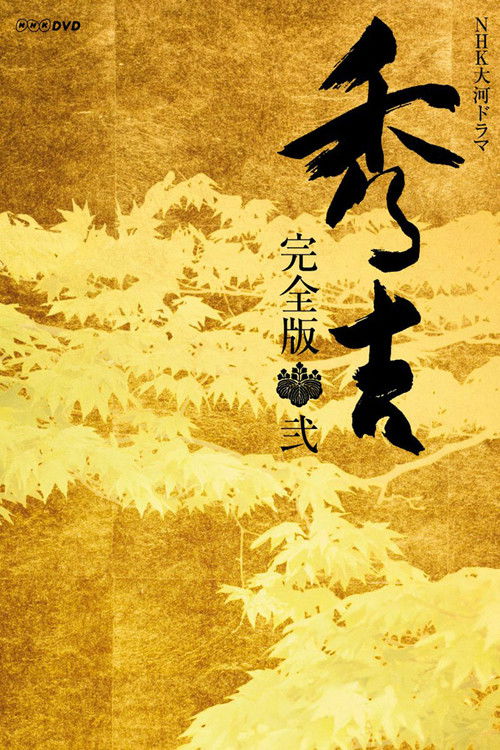
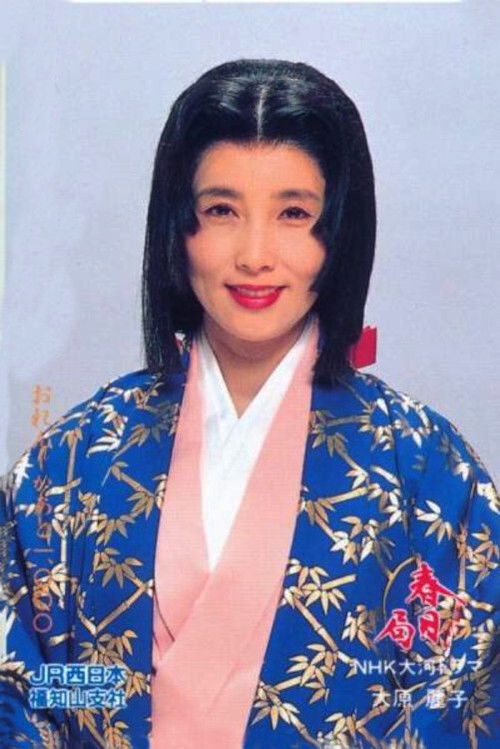
A dramatized biography of the second of Japan's three legendary leaders. Rising from obscurity, Hideyoshi served under the command of Oda Nobunaga. With an extraordinary combination of intelligence, bravery and military skill, Hideyoshi rose to near-absolute power and greatly expanded upon Nobunaga's unification of Japan's warlords. This series also focused on Hideyoshi's personal life, particularly his relationships with his mother and his wife, and the pair's rivalry for influence over him.
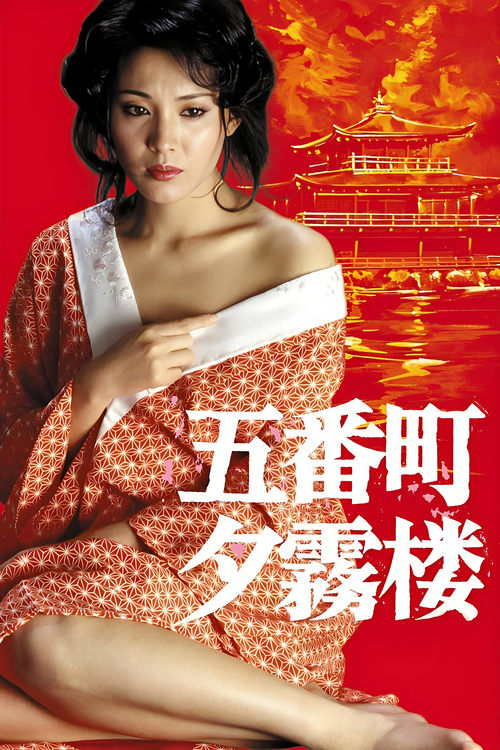
A tragic love story between a prostitute and a young trainee monk.
This is the story about the a very powerful Lady Kasuga who established Ooku the inner palace.
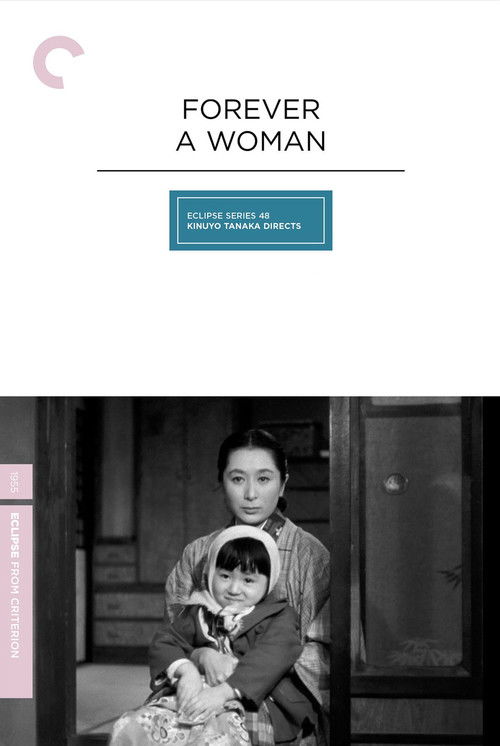
Fumiko, mother of two and wife to an unfaithful man, shares her family life with her budding vocation as a poet. The beginning of her successful literary career coincides with her divorce and her breast cancer diagnosis. In her final stages, Fumiko meets a young journalist from Tokyo who wants to write a story on her experiences.
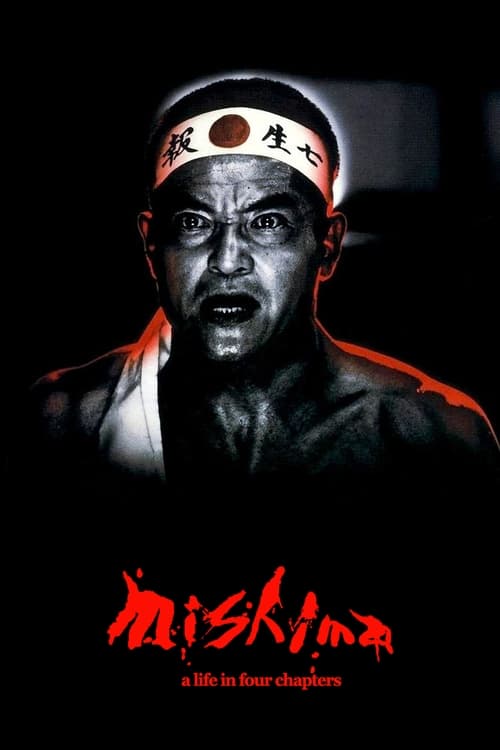
A fictional account of the life of Japanese author Yukio Mishima, combining dramatizations of three of his novels and a depiction of the events of November 25th, 1970.
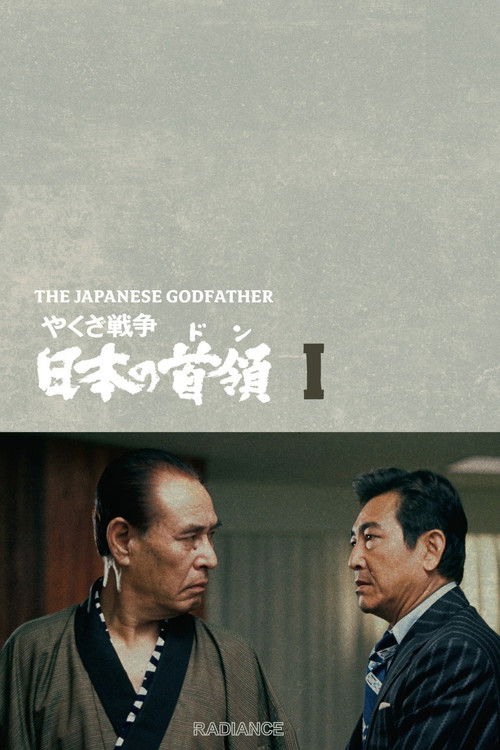
A yakuza leader must balance his violent tactics necessary for the rough streets of 1960s Tokyo with the domestic needs of his daughters.
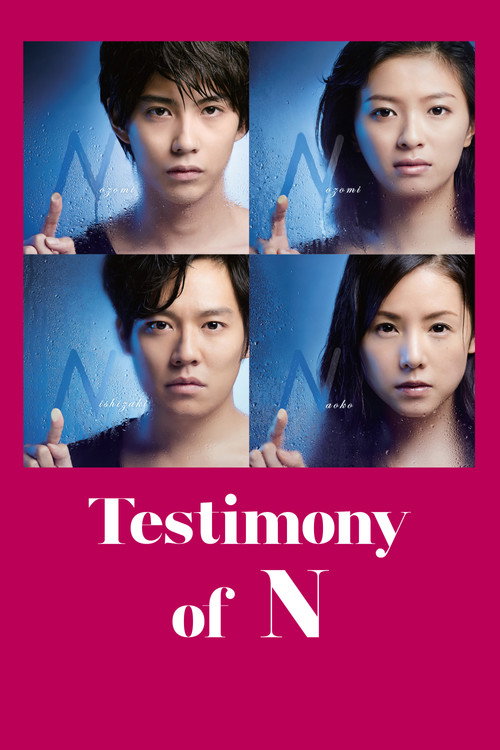
University student Sugishita Nozomi, Naruse Shinji, Ando Nozomi and Nishizaki Masato end up coming upon the scene of the murder of the Noguchi couple, because of a plan they had devised. Nishizaki is arrested at the scene and is given a 10-year prison term because of his voluntary confession. 10 years later, Takano Shigeru, a former police officer who has misgivings about the verdict of this case, starts to pursue the truth. He is convinced that it all began as a result of an incident caused by Nozomi and Naruse on an island in the Seto Inland Sea in the summer 15 years. “They committed a crime at that time. It was for the sake of each N.”
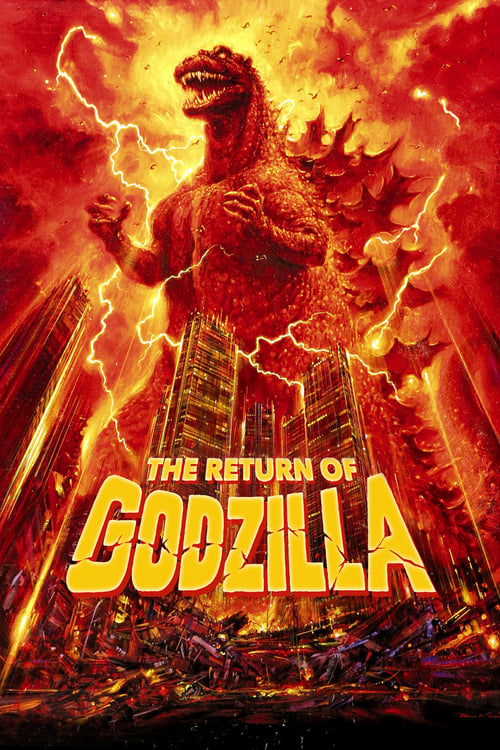
After a fishing boat is attacked, the sole surviving crew member realizes it is none other than a resurrected Godzilla. However, efforts to bring the story to light are suppressed by the Japanese government amid growing political tensions between the United States and the Soviet Union, who are both willing to bomb Japan to stop the monster.
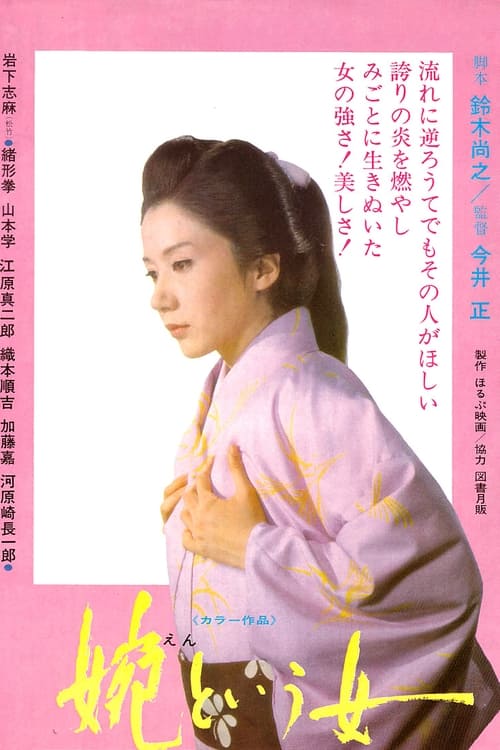
Set at the end of the feudal period. A woman spends most of her early life in prison, incarcerated by political opponents of her father. When she is released at the age of 44, the power struggles of her clan continue to disturb her life and the man whom she loves.
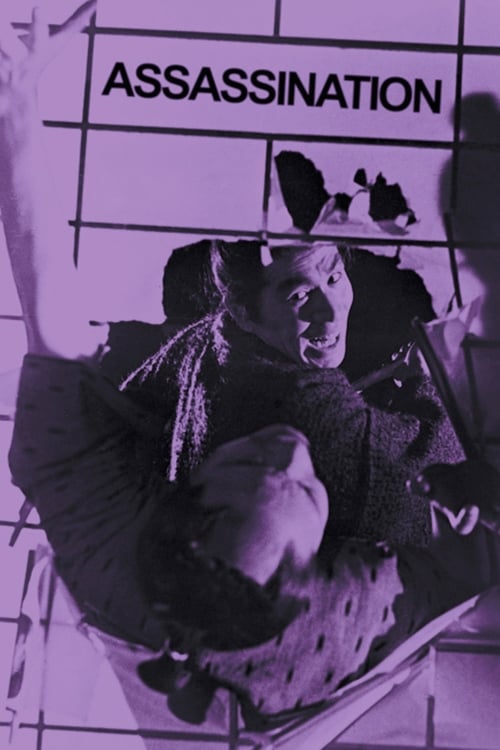
In 1863, when American warships approach Japan, an enigmatic ronin becomes an important figure in a complex game of power between the Shogunate and the empire.
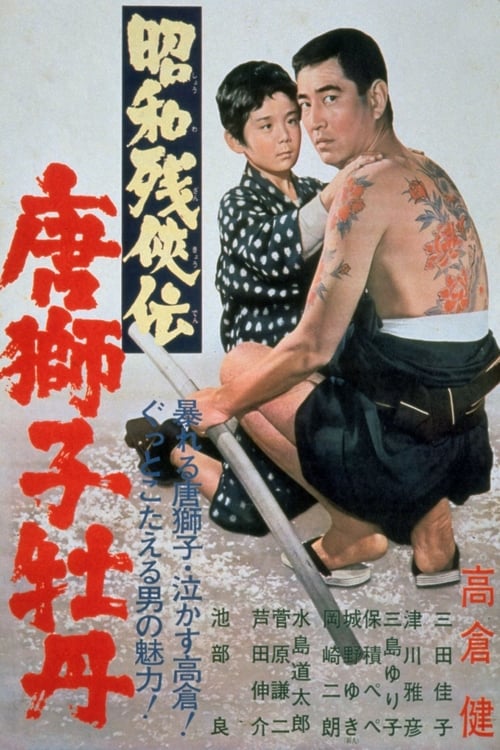
Hidejiro is a wandering yakuza with a ‘karashi botan’ (Chinese lion and peony) tattoo. Owing a favor to the Soda Family, he kills the boss of the rival Sakaki Family. When the Soda attacks the Sakaki and double-crosses him, with sword in hand, Hidejiro seeks brutal retribution.
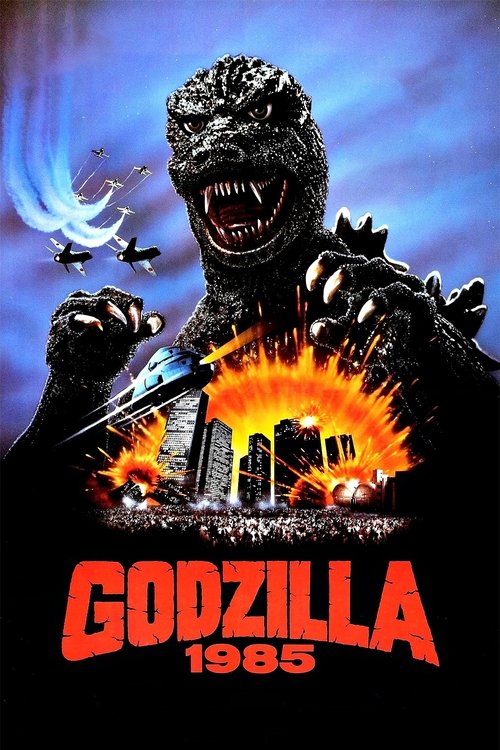
Originally released in Japan as "The Return of Godzilla" in 1984, this is the heavily re-edited, re-titled "Godzilla 1985". Adding in new footage of Raymond Burr, this 16th Godzilla film ignores all previous sequels and serves as a direct follow-up to the 1956 "Godzilla King of the Monsters", which also featured scenes with Burr edited into 1954's "Godzilla". This film restores the darker tone of the original, as we witness the nuclear destruction of giant lizard terrorizing Japan.
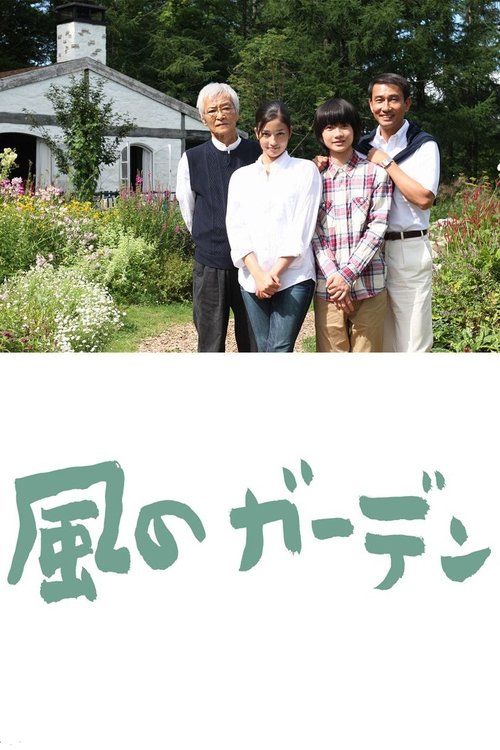
The lead, Dr. Sadami Shiratori worked in the operating room at a famous Tokyo hospital was around death on a daily basis. His own father, Teizo Shiratori is also a doctor, called Grandfather as he raised the estranged children of his wayward son, he practiced medicine in a small town on Hokkaido, Japan’s most northern island. His practice was limited only to terminal patients…in their own homes. He cared for them and helped both them and their families prepare for the ‘final journey’.