Acting
Sachiko retired from show business after 2009-Dec-31.
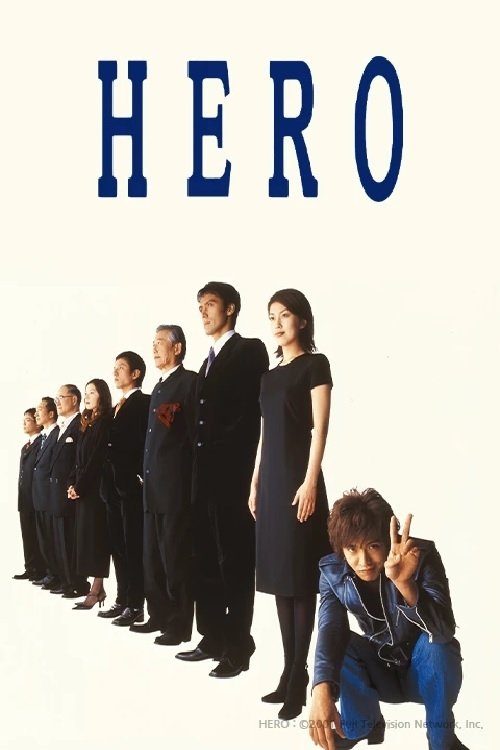
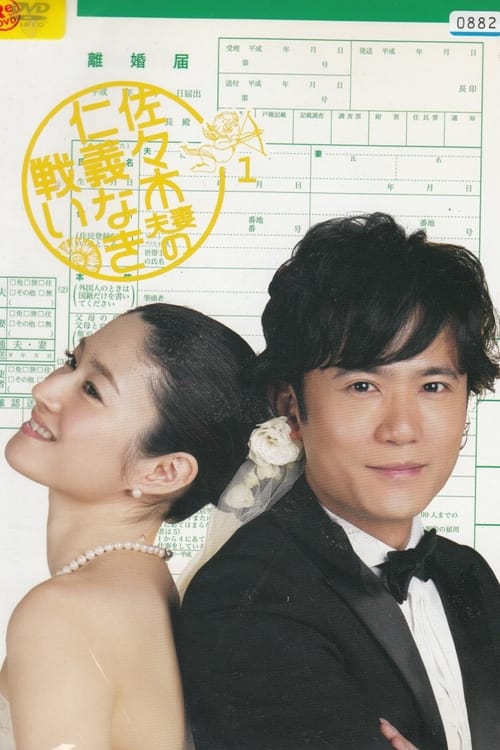
Former delinquent turned unconventional prosecutor Kohei Kuryu shakes up the legal world with his street-smart instincts and unorthodox style, clashing with ambitious colleague Maiko Amamiya while his relentless pursuit of justice gradually transforms those around him.
No description available.
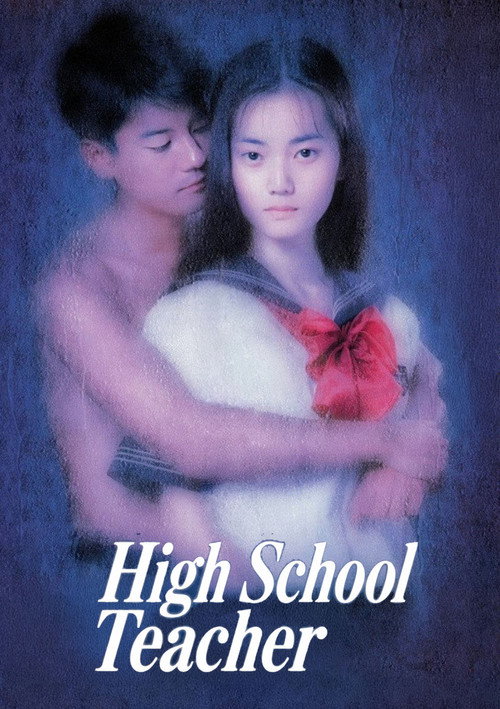
Hamura entered a high school as a biology teacher. Unexpectedly, one of his students, Mayu, fell in love with him. The forbidden love between the teacher and the student began to sprout. Hamura was worried that his relationship with Mayu would be misunderstood, so he tried to escape. However, he later understood Mayu’s tragic life and that the two could not be separated…
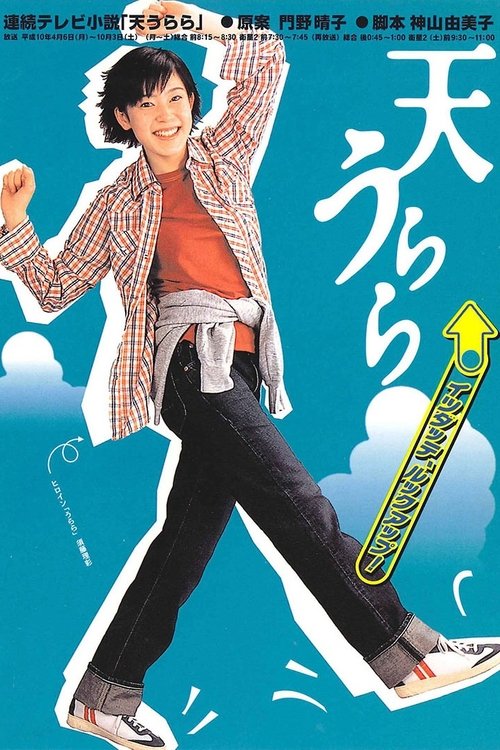
This drama is the tale of one high spirited, strong-willed young woman and her struggle to fulfill her lifelong ambition of becoming a carpenter and building homes. The story takes place from the later part of the Showa era to present day Heisei rule. The heroine of the story, Kawashima Urara, lost her father at the tender age of seven and this drama depicts her life as she grows from a young school girl, through puberty and adolescence and on into her adult years as an independent woman who owns her own carpentry business. As Urara grows into a beautiful and strong woman and a talented carpenter, her family around her goes through many difficult and trying times. This story of becoming an independent businesswoman in the male-dominated world of carpentry accurately reflects the lives and struggles of the young women in present day Japan who are trying to make a career for themselves in addition to balancing the demands of family obligations, friends, and lovers.
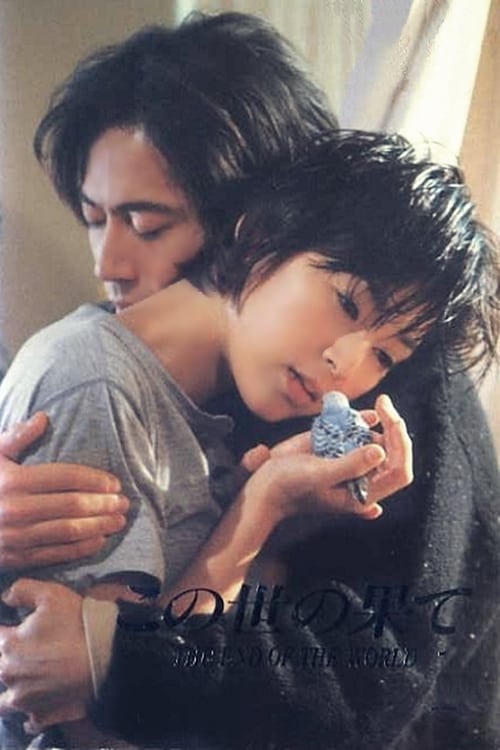
"I thought I might be using a lifetime's happiness in a moment. I was that happy and she was that beautiful." A young boy stands on the red earth of Australia under its blue sky. It is 17-year-old Sakutaro Matsumoto. His time with the girl comes back to him. The colored sand runs through his hands and a tear appears on his cheek. He wakes up. It's 2004 and he is 34 years old and in Japan. He thinks "I have been in a world without her for 17 years." Returning home to see his old high school for the last time before it is demolished, Saku confronts anew the loss of the love of his life, Aki, to leukemia 17 years ago. Now a medical researcher at graduate school, he has been living as if half of him died with her since then.
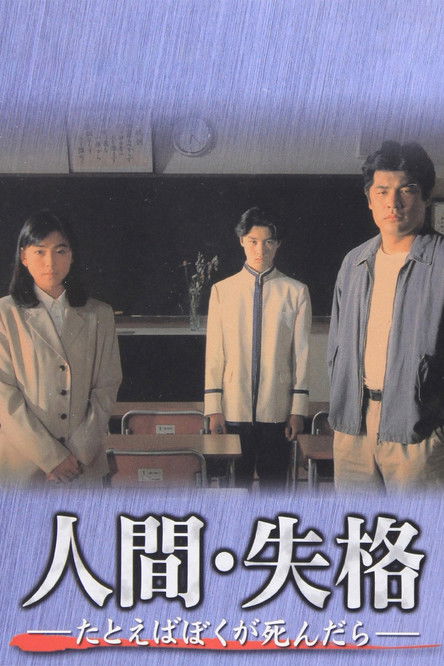
Three tales raise unsettling questions about the central qualities of being human. In one, a father is torn between love for his son and the desire for revenge, while a second examines the twisted love of a teacher for his female colleague. The third story delves into the complex affections hidden within a bully.
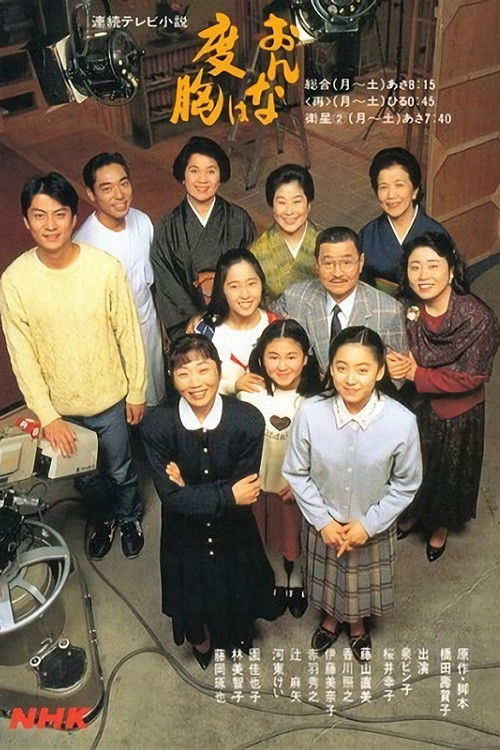
The 47th NHK Asadora chronicles the conflicts between a woman and her step-daughter in a hot springs town.
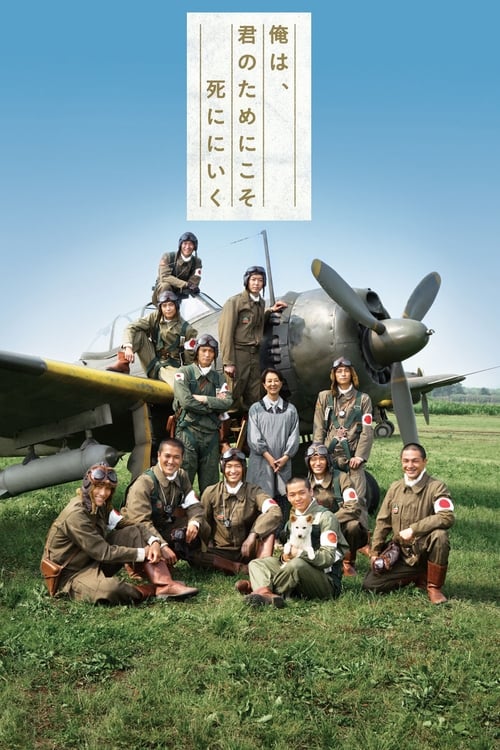
In 1943, as Japan's WWII effort falters, a vice-admiral proposes training squadrons of "volunteer" flyers to crash their armed planes into Allied warships. Yarn follows the lives of kamikaze pilots, as remembered by an aging Kyushu restaurateur who cherishes their memory. Honoring the dead and multiple military anthems may stir the soul of some Japanese, but elsewhere auds will make a one-way trip for exits. Battle scenes are well-executed and script delivers some memorable scenes, but overall competent helming and thesping are powerless over writer-cum-Tokyo governor Shintaro Ishiara's repetitive storytelling. A post-war postscript adds considerable length to an already over-extended narrative. Tech credits are good quality.
Ihara Mitsuru , who grew up in the orphanage "Tsukushien," is a cleaner at Miyazono General Foods, a prestigious company. However, Mitsuru has another side to him: he is a fighter in "Food Fight," a competitive eating gambling game hosted by the chairman of Miyazono General Foods and held in the company's basement, where only bigwigs from the political and business world can participate. Mitsuru anonymously donates the prize money he wins from Food Fight to Tsukushien, and his desire to do so allows his talent to blossom, leading him to reign as the unbeatable champion.
Yuki, mother of the Mashiba family, is the grease that keeps this well-oiled machine running and its seven members happy and healthy. But when Yuki herself falls ill and needs to be hospitalized, the rest of the family must cooperate and make sacrifices in order to keep everything running smoothly and make ends meet.
The universal theme of friendship, in all its vulnerability, tenderness, and purity, is explored in this drama. The flow of seasons forms a thematic continuity to the action: the severity of youth in summer, the sentimentality of autumn, and the frustration of winter. Together, this group of boys cope with common adversity, face the death of a friend, and prepare to deal with the world of adulthood.
A high school student’s mother passes away leaving her alone with her grief. The girl, Marimo, discovers the name of a father she never knew. Marimo sets off to meet him, but is completely shocked when she finds someone very different from the father she envisioned. Her father, Shinpei, a 38-year-old would-be private detective, is shocked too, and doesn’t believe her until he sees the paperwork. With Marimo muttering “The worst father in the world” and Shinpei lamenting the loss of his freedom, these two are about to learn how difficult and rewarding a father/daughter relationship can be.
Maria is in need of money. Because her day-time job doesn't pay enough, she works at night at a cabaret. She needs the money so that she can pay for her sister, Nana's eyes operation. When both Maria and Nana were younger, Maria burned down the home, causing her sister's blindness and killing their father (mother survived.) Shiro is a famous concert pianist. However, he isn't happy with his marriage or his life in general. Maria and Shiro are united through a traffic accident, causing Shiro to be hospitalized. Faking amnesia and his identity, he stays at Maria's place and eventually starts to work at the cabaret as a piano player. As you will find out later on, life was not meant for Maria and Shiro to find one another.
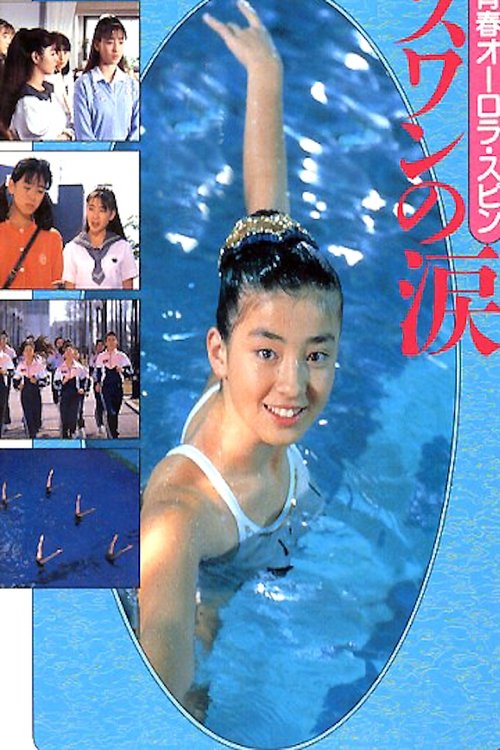
Mika, a prodigy ballerina, gave up her ballet career when she tore her Achilles tendon. Later, at the suggestion of Shoko, an acquaintance of her father's, Mika joins a swimming club where Shoko teaches synchronized swimming, but Mika is traumatized by an incident in her childhood and has a phobia of water. She is also bullied by Ryoko, the daughter of the owner and a top synchronized swimmer, and by her classmates out of jealousy. However, under Shoko's strict but enthusiastic guidance, Mika eventually overcomes her fear of water and her talent blossoms...
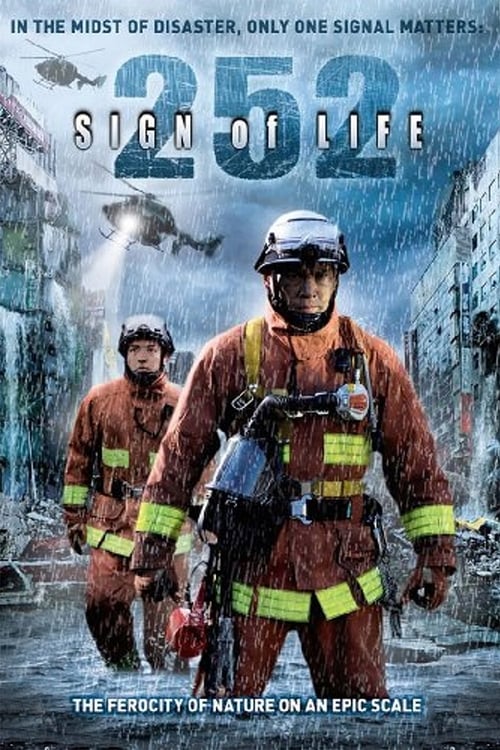
At some point in the distant future, a massive, catastrophic earthquake strikes Tokyo, causing the temperature of the Pacific Ocean to rise meteorically and the largest typhoon in recorded Japanese history to sweep toward the city and inundate it with water. The Tokyo Fire Department and its team of crack rescuers swing into action, and shortly after they do, a distress call arises from an underground subway station - with repeated indications of the rescue code, 252 252, and the exclamation "We Have Survivors." It soon becomes apparent that the local rescue squad must attempt to save the survivors, doing so at the expense of their own lives and safety. Written by Nathan Southern
A genius doctor named Yuichiro Nozaki comes to a hospital to know the reason of his sister's death. The doctor is wondering if someone of the hospital killed her. Finally, Yuichiro finds doctor Katsuhiko Sonobe is a suspect of the murder, but notices Katsuhiko's wife loves Yuichiro.
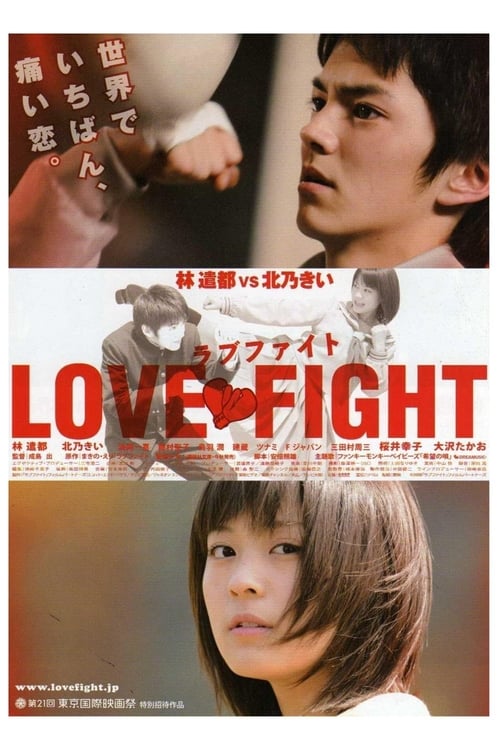
Minoru has spent most of his life being protected by his spunky female best friend Aki. Fed up, he decides to take up boxing. However, just as he manages to get stronger than Aki she becomes obsessed with boxing herself.